NATS Publishes Preliminary Report on 8 September Technical Incident, Blaming Software Defect in National Airspace System
Why It MattersThe episode shows how a millisecond-level software fault in one air traffic control subsystem can force nationwide restrictions and days of passenger disruption before flight data is fully reloaded.
What happened
NATS has published a preliminary report on the technical incident of Tuesday 8 September, produced at the request of Heidi Alexander, Secretary of State for Transport, with a full report still to follow. Chief Executive Officer Martin Rolfe said the incident was unrelated to the August 2023 system outage and dismissed speculation that military intervention was involved, describing it instead as "a software issue in a specific part of our flight data system, that we have traced to a small subsection of coding."

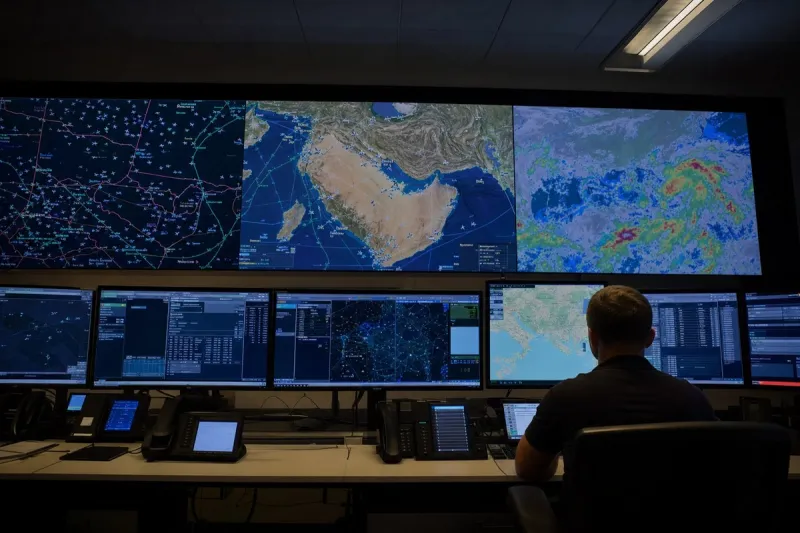
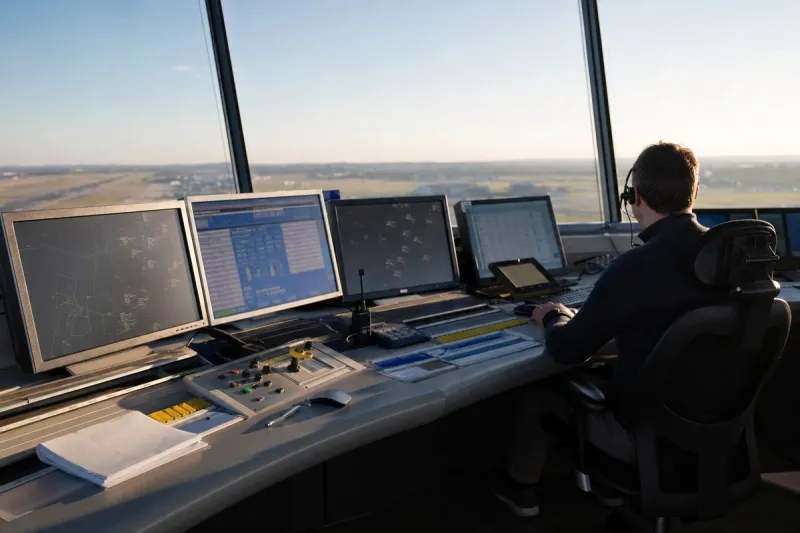
The preliminary report identifies the cause as a software defect in a small part of the National Airspace System (NAS), which underpins the management of UK airspace. The affected software allocates codes to individual aircraft when manual requests are made, codes that are otherwise allocated automatically and used to identify flights on radar once airborne. While a manual code request was being processed, the system received a message for a higher-priority activity, pausing the request; when processing resumed, the defect meant it did not resume correctly, producing corrupted output that affected some subsequent flight data updates. The full sequence occurred within a millisecond.
With reduced information available to controllers, restrictions were applied across the UK even though the software issue directly affected only flights in the London Area Control Centre, primarily those operating above 24,500 ft, so that the NAS could be restarted and flight data reloaded. Restrictions lasted approximately six hours, and although NATS operations returned to normal the same evening, clearing the backlog of passenger disruption took more than two days, with hundreds of thousands of passengers' travel plans affected. Rolfe apologised to those affected and said safety was never in question, noting that NATS has invested well over one billion pounds in systems and technology over the past ten years and will submit plans to the Civil Aviation Authority to invest a further billion pounds by the end of 2033.
Industry impact & what to watch
This incident belongs to a category air traffic control providers know well: a fault confined to one narrow function of a much larger system that nonetheless forces a network-wide protective response. The corrupted output touched only manual code allocation within the London Area Control Centre, mainly traffic above 24,500 ft, yet the safe response was to impose restrictions across the whole UK while the National Air System was restarted and flight data reloaded, because controllers cannot verify how far reduced information has propagated once corruption enters a data feed.
The gap between the technical fix and the operational recovery is the structural lesson here. Restrictions lasted about six hours and normal operations resumed the same evening, but clearing the resulting backlog of passenger disruption took more than two days — a reminder that airspace management incidents cascade through airline schedules, crew rosters and airport slots long after the underlying system is stable again.
What happens next rests on the full report NATS has promised and on the Civil Aviation Authority's response to the further billion-pound investment plan due by the end of 2033. Whether regulators treat this as an isolated coding defect or push for broader resilience testing of how the NAS handles interrupted, high-priority processing will shape how much scrutiny the sector's ageing flight-data infrastructure receives going forward.