China to Establish No-Fly Zone Over Beijing After Light Aircraft Crashed Into CITIC Tower
Why It MattersThe episode shows how a single general-aviation lapse in tightly controlled airspace can trigger sweeping restrictions that reach far beyond the aircraft type involved, reshaping access for scenic and light-aviation operators.
What happened
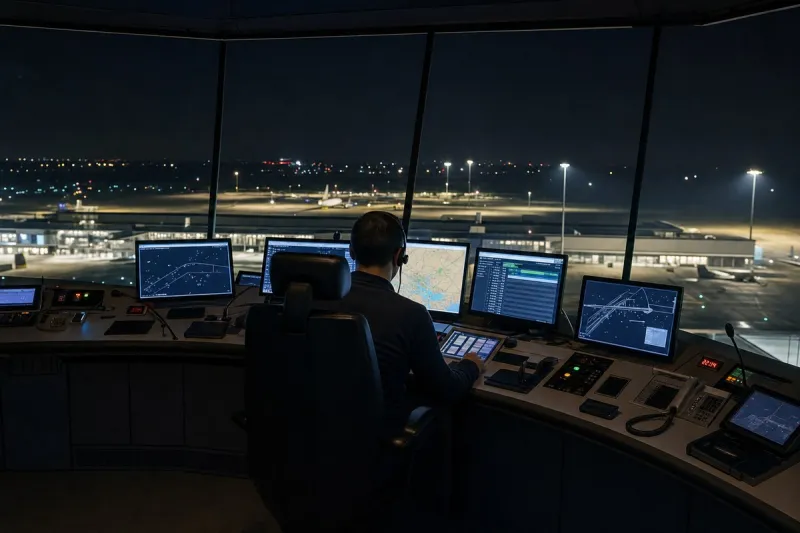
China will designate a no-fly zone in and around Beijing effective September 20, state-run Beijing Daily reported on Sunday, alongside an expanded citywide drone ban. The government said the measure is meant to strengthen airspace security management, maintain order in aerial operations, and protect key ground targets and public safety, while regular airline flights and emergency rescue operations will not be affected. The exact scope, altitude limits, and boundaries of the new zone were not immediately disclosed.
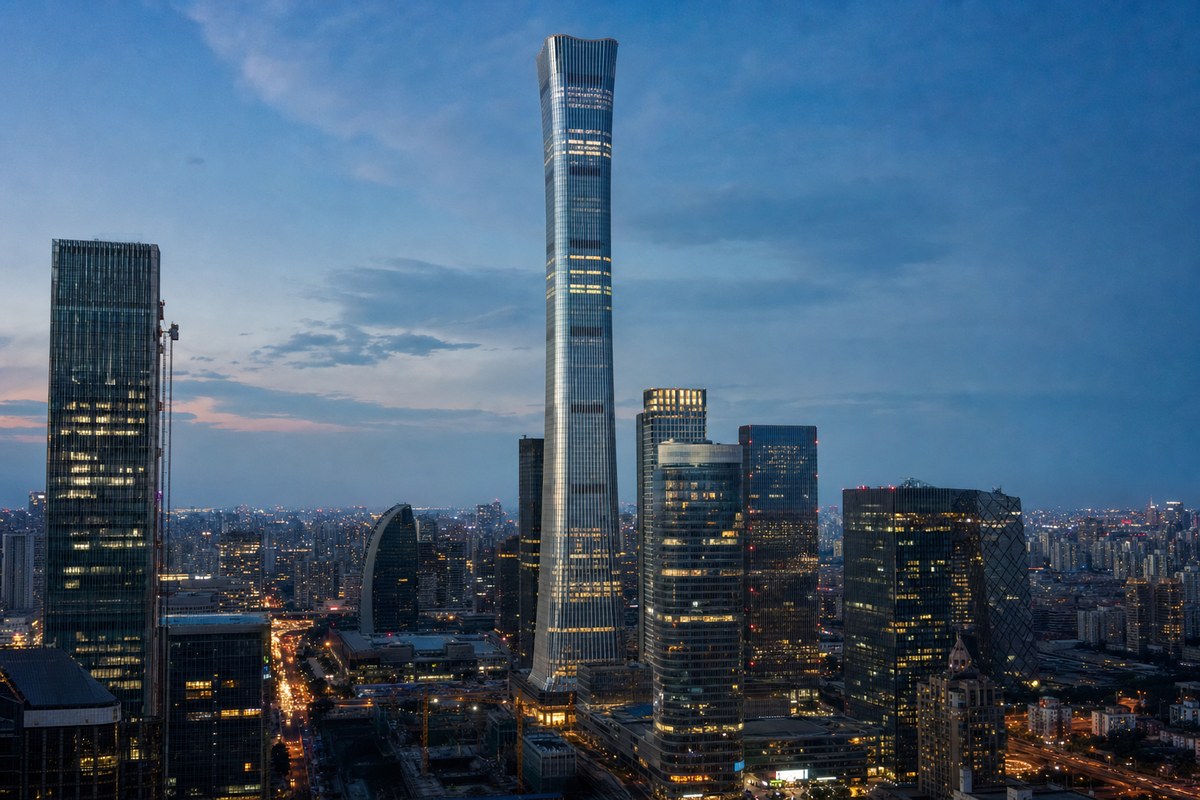
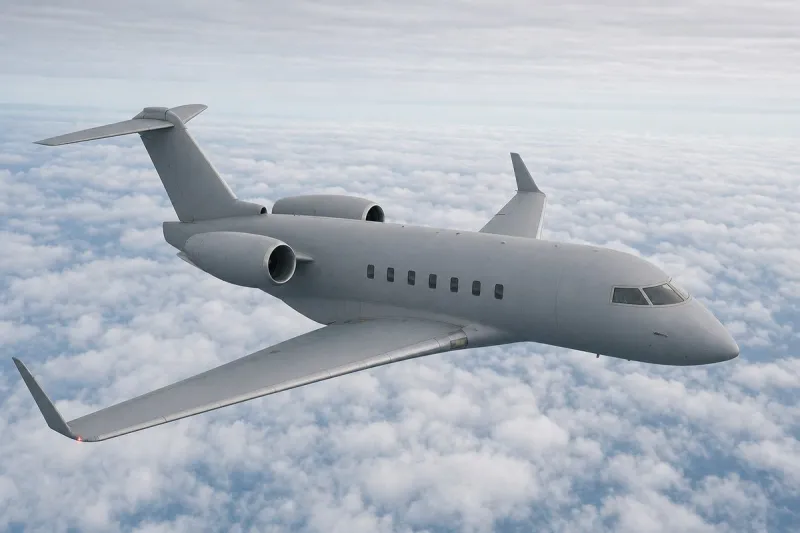
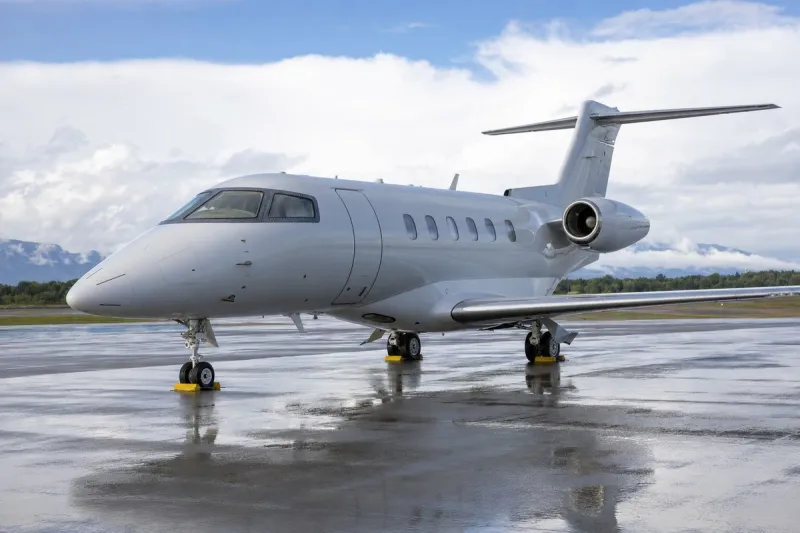
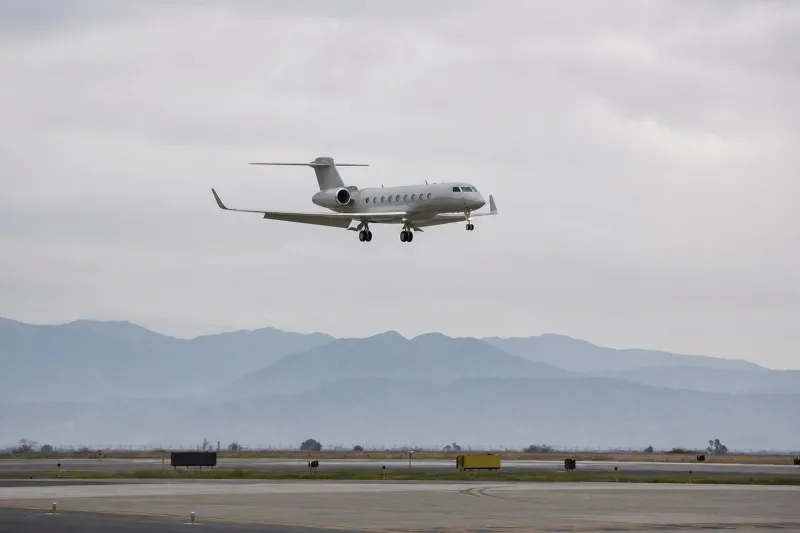
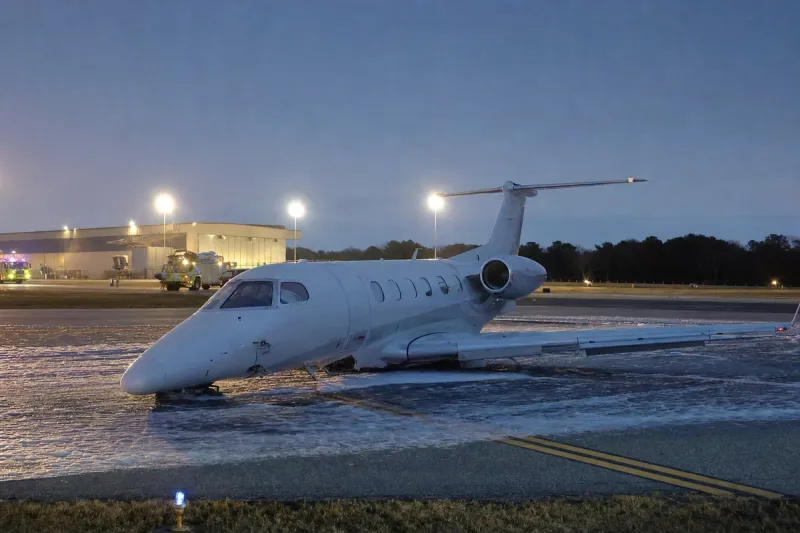
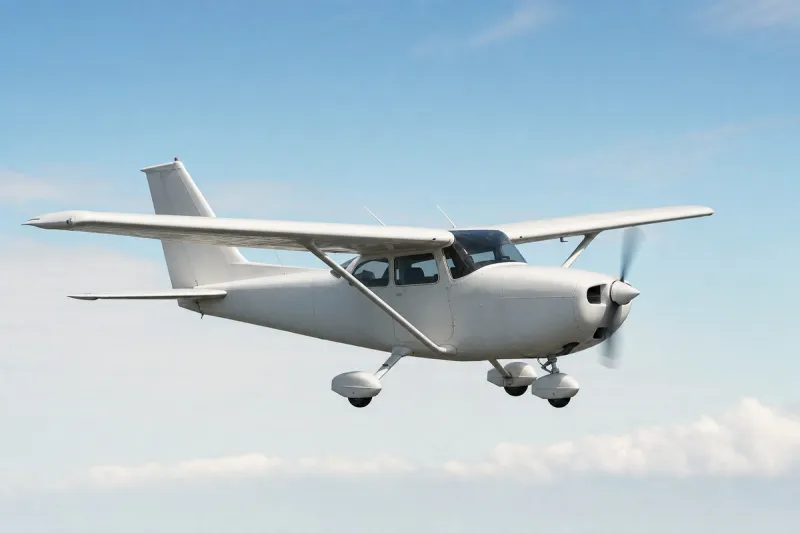
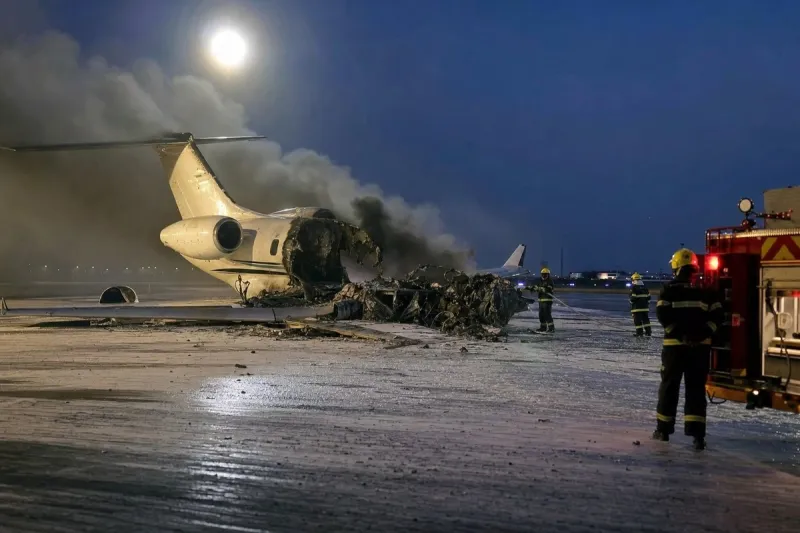
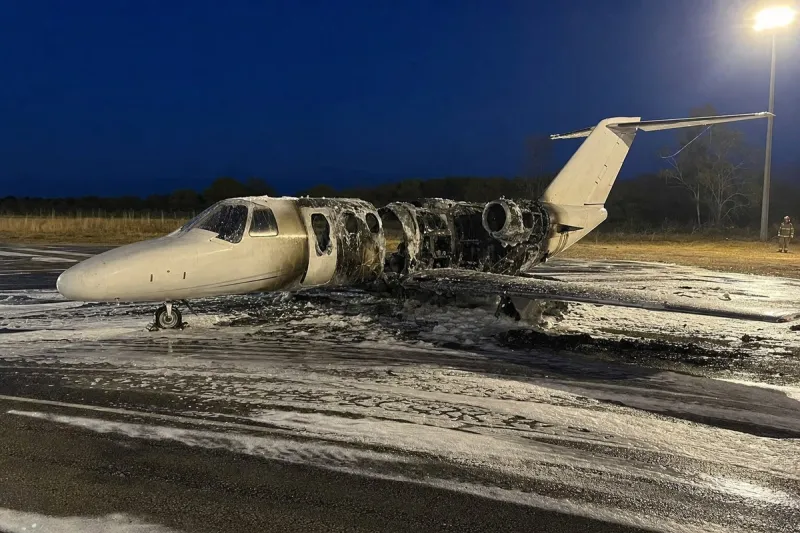
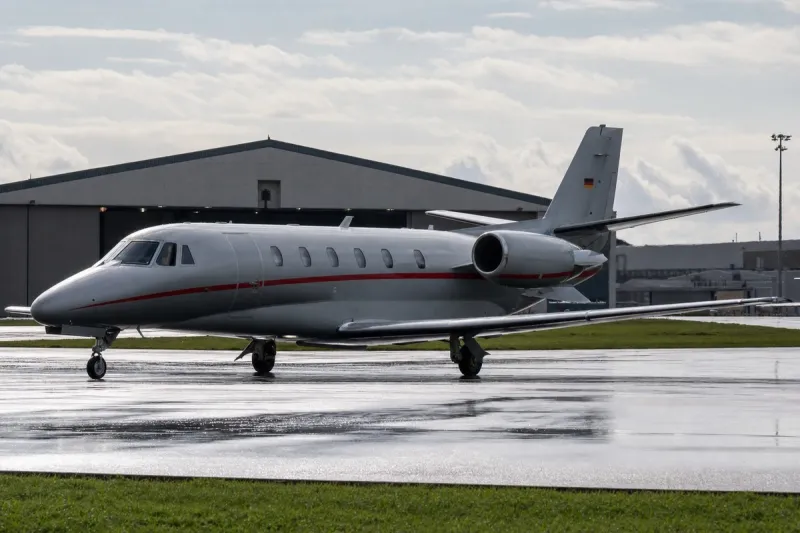
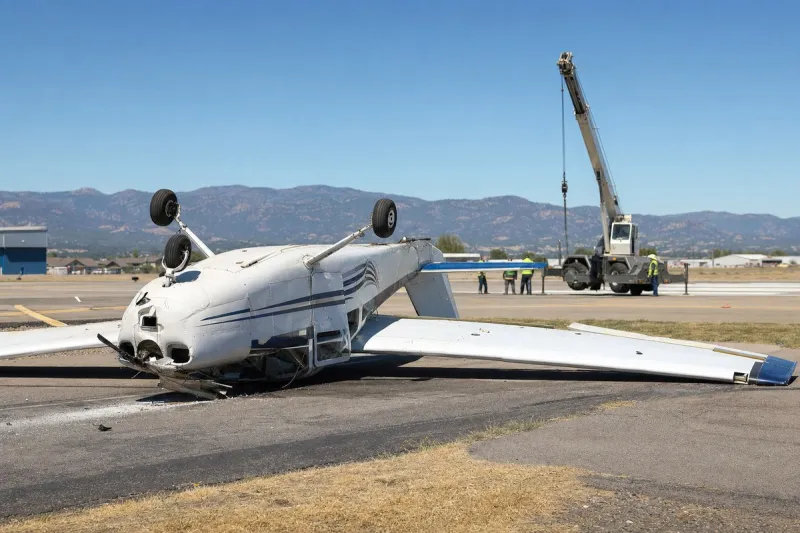
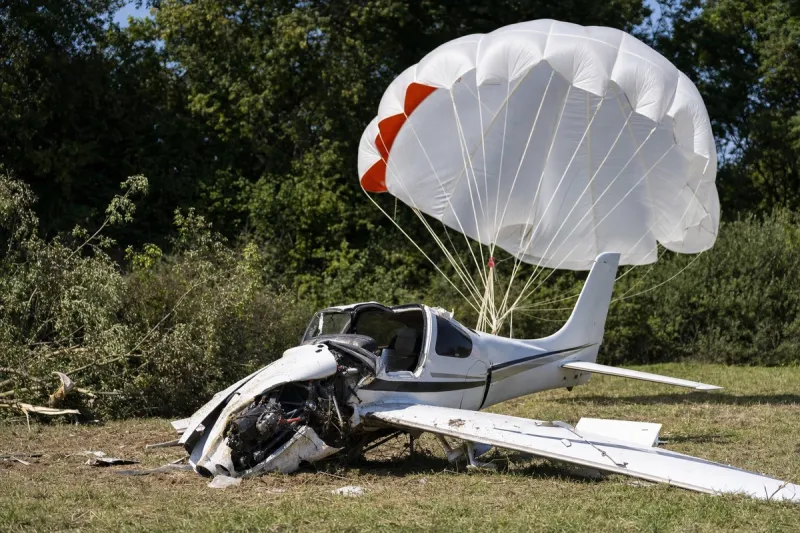
The announcement follows a June 26 incident in which a light general aviation aircraft crashed into the 108-storey CITIC Tower in Beijing's central business district during evening rush hours, killing the sole pilot and injuring 13 people on the ground, according to local authorities. The pilot had deviated from his approved flight area and lost contact with the suburban Beijing airport from which he had departed. Official statements noted the 66-year-old pilot had long suffered from insomnia and anxiety, and that his diary repeatedly mentioned ending his life.
In a separate official statement over the weekend, Beijing authorities further tightened municipal drone restrictions, banning the possession, flying, and storage of drones across the entire city effective November 15. Beijing already maintained a permanent no-fly zone of roughly 100 square kilometres over its political and ceremonial core, where regular commercial airline flights are also prohibited.
Industry impact & what to watch
This case follows a familiar sequence in aviation regulation: a single uncontained event in a sensitive location produces a broad, city-scale restriction rather than a narrow fix targeted at the specific failure that occurred. The pilot's deviation from an approved flight area and loss of contact with his departure airport were the proximate circumstances, but the response reaches well beyond that one flight to cover general aviation and drones across the entire capital.
China's airspace already sits among the most tightly controlled in the world, with the military holding primary authority over access and allocation, and Beijing carried a standing no-fly zone over its ceremonial core before this incident. Layering a new zone and a citywide drone ban on top of that structure signals that regulators judged the existing controls insufficient to prevent an aircraft from reaching a landmark tower in a dense commercial district.
What happens next depends on the details Beijing has not yet released: the precise boundaries and altitude limits of the September 20 zone, and how the rules will affect scenic and light-aviation operators who fly near the capital. Those specifics, once published, will determine how much of general aviation's access to Beijing's periphery survives the new framework.