Iran War, Polish Night Restriction and Record El Niño Force Charter Aviation Route Changes
Why It MattersWhen multiple regions restrict airspace and weather simultaneously, insurers reprice risk faster than operators can adjust schedules, making slot integrity and alternate planning as critical as raw hub availability.
What happened
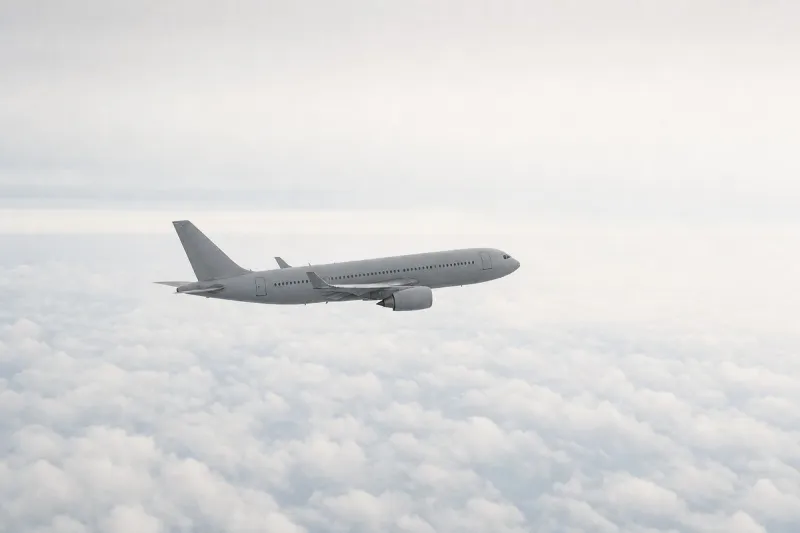
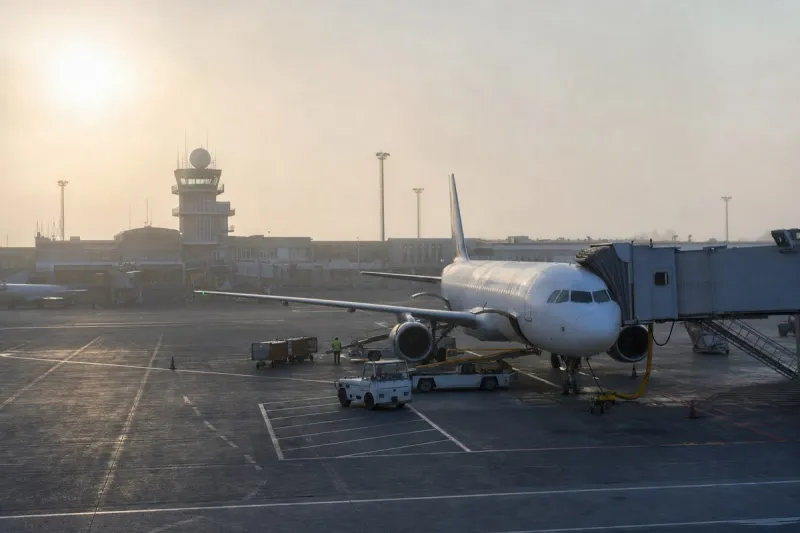
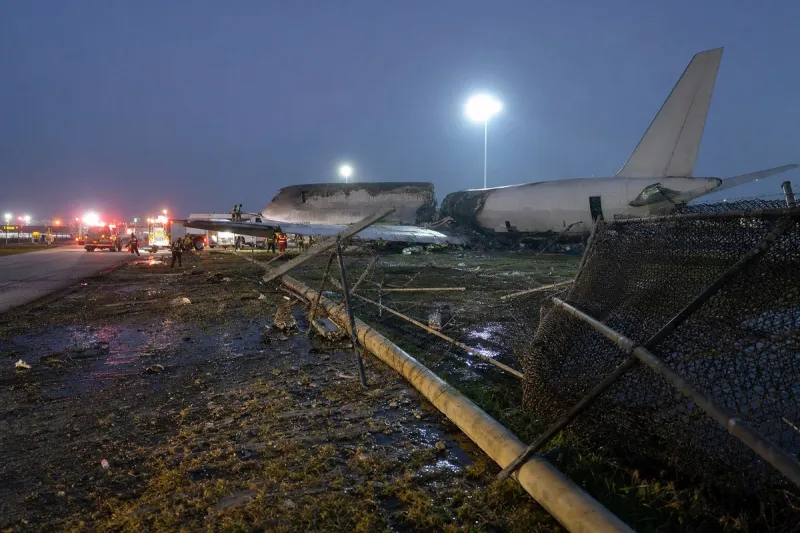
Private and charter aviation route planning is being reshaped by four concurrent pressures: the Iran war, now in its seventh month following a reported start date of February 28; a new Polish restricted zone; record El Niño weather conditions; and political signals in Asia affecting aircraft availability. European regulators have directed airlines to avoid the Tehran flight information region and frequently Iraq as well. Kuwait Airport was closed for five weeks following Iran's largest missile barrage of the conflict, with major carriers suspending Gulf routes through late October and, in some cases, into January 2027.

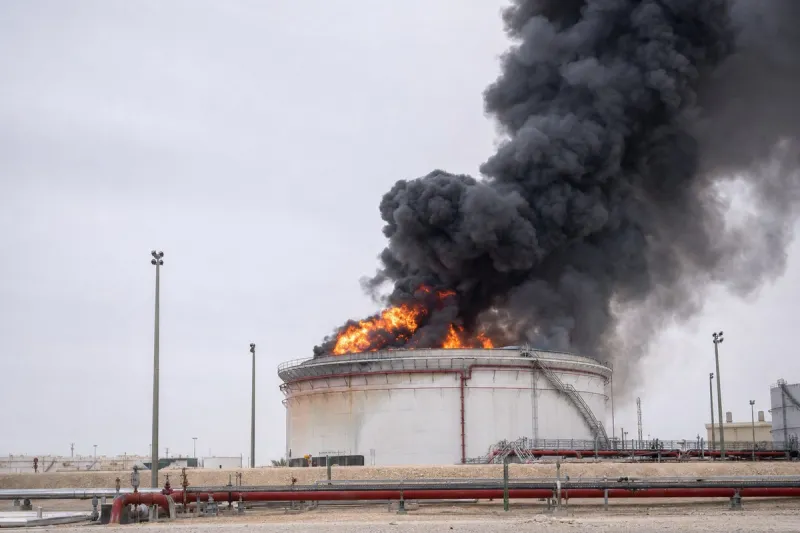
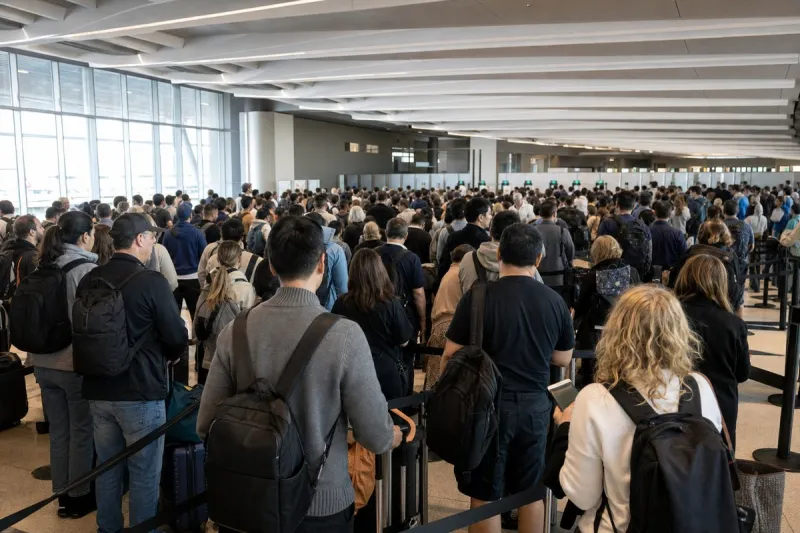
Houthi forces have expanded along Yemen's coast and seized Red Sea islands near the mouth of the Bab al-Mandeb. Attacks on Saudi Arabia have been running since late July; the Saudi Foreign Ministry reported that drones launched from Iraq struck the East-West Pipeline and nearby pumping stations south of Medina on September 10. International SOS, in an advisory updated September 12, reported no tangible progress toward talks and flagged risks across airspace, flights and maritime activity in Bahrain, Cyprus, Egypt, Iran, Iraq, Israel, Jordan, Kuwait, Lebanon, the Palestinian Territories, Qatar, Saudi Arabia, Syria, Turkiye, the UAE, Yemen and Oman. Disruption data for Gulf hubs in 2026 records 490 delays against 70 cancellations. On the Europe–India axis, the Frankfurt–Hyderabad routing no longer traverses Pakistan, and Indian-registered operators face a legal requirement to use longer routings.
Poland activated restricted zone EP R134 over its eastern territory on September 10, banning night flights up to approximately FL95 until December 9, with an exception only for military drones. A PLA Daily article dated September 13 emphasised the use of civilian resources for functional compensation in a future conflict, which analysts interpret as including potential requisitioning of civilian aircraft and charter assets.
Anak Krakatau erupted in early September for more than 24 hours, sending ash into the atmosphere and disrupting thousands of flights. The eruption occurred against a record El Niño, with an August ocean temperature anomaly of 2.3 degrees Celsius above average and a peak expected between November and January. Flooding in Nepal tied to an ice collapse at Langtang Lirung raised the Bhote Koshi river by nine metres on August 26, producing casualty figures ranging from 1,350 dead as of September 5 to 1,386 dead in separate accounts, with around 5,000 missing in both. Army and private rotorcraft are carrying the relief effort.
Middle East corridor pressure
Planners are treating both the Tehran FIR and Iraq as unsuitable for passenger-carrying operations even when sectors remain technically open. Separate reporting describes Saudi Arabia shutting a pipeline carrying four percent of world oil supply and Iranian strikes on tankers in the Strait of Hormuz. Disruption data identifies slot integrity as the weaker link rather than hub availability itself on the affected Gulf routes.
With the Tehran FIR effectively off the table, traffic on the Europe–India axis has split into southern track families. Charter planners should budget additional range, pre-identify technical stops and check crew duty limits on sectors that were previously single-leg missions.
Industry impact & what to watch
This convergence shows how charter and private aviation risk rarely arrives as a single event; it stacks region by region until previously routine sectors require rebudgeted range, technical stops and rechecked crew duty limits. A single-leg mission across the Europe–India axis has become a multi-leg planning exercise purely from airspace avoidance, independent of any weather or ground disruption.
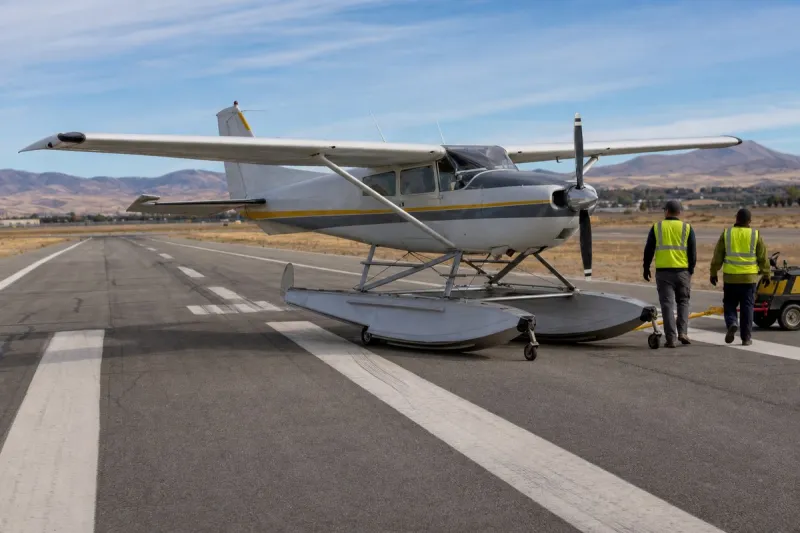
The segment's structural response is to treat slot integrity, alternate selection and schedule stability as separate variables rather than a single hub-availability question — disruption figures already show delays outnumbering cancellations, meaning capacity often exists but reliability does not. Himalayan helicopter capacity being absorbed by relief operations illustrates the same principle in miniature: regional capacity is finite and gets reallocated under stress, squeezing charter access even where no airspace restriction applies.
The near-term markers worth tracking are concrete and dated: whether EASA extends its Gulf bulletin beyond September 30, whether Kuwait and other Gulf gateways restore stable schedules before the late-October and January suspension horizons, whether Houthi consolidation around Bab al-Mandeb widens the threat envelope over western Saudi Arabia, and whether EP R134 is extended or amended ahead of December 9. Insurers are expected to reprice faster than schedules adjust, which means pricing signals may move before route networks formally change.