UK ATC Glitch Triggers Over 1,000 Cancellations, Disruption Continues into Second Day
Why It MattersThe episode shows how a single air traffic control fault can cascade through dense short-haul networks for days after the technical cause is fixed, straining aircraft positioning and crew rotations.
What happened
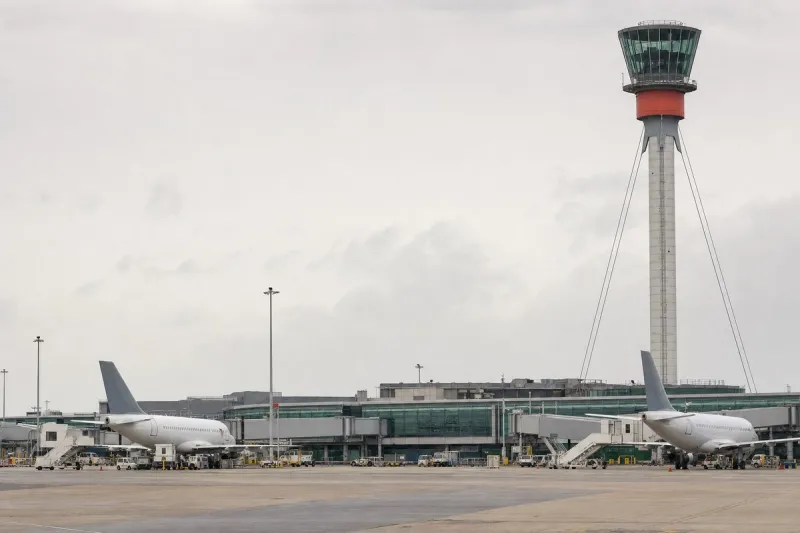
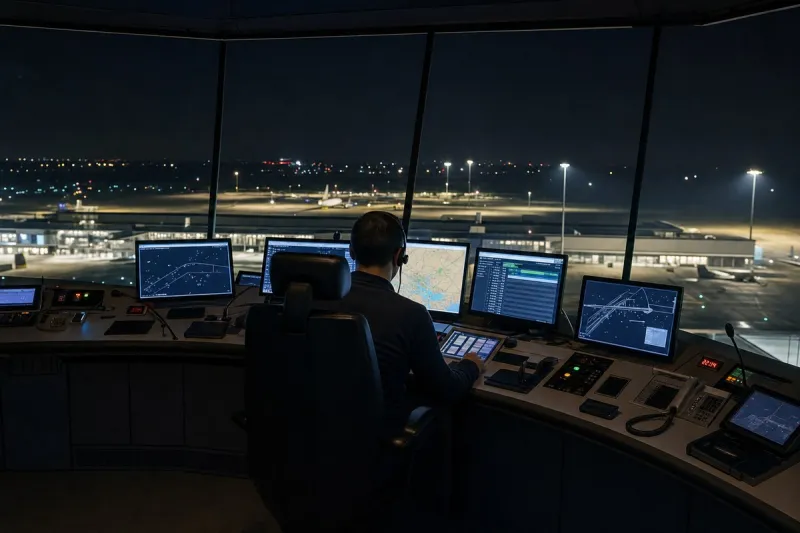
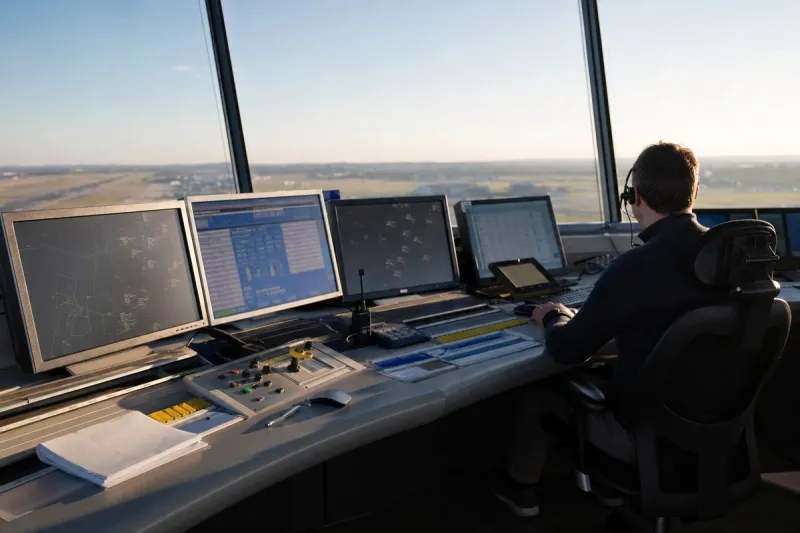
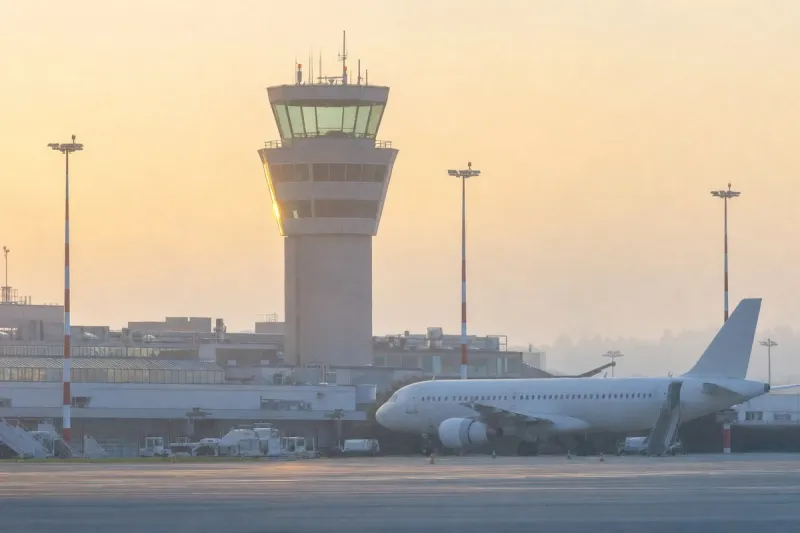
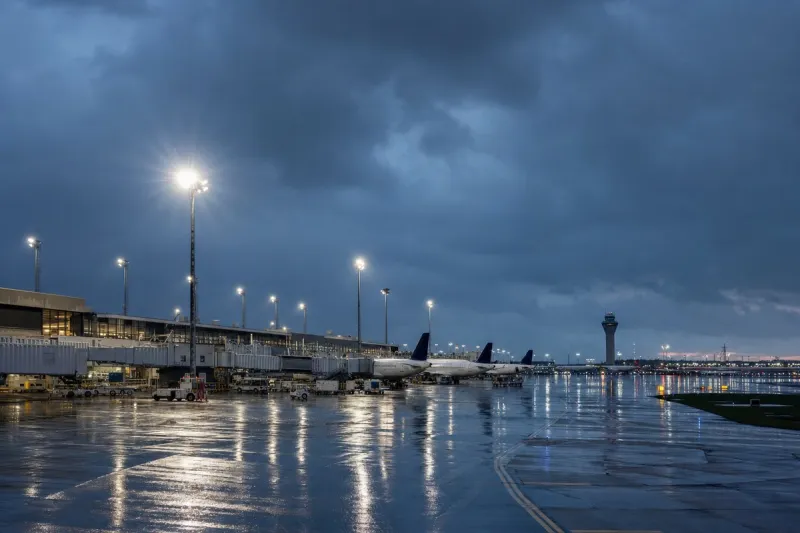
A technical glitch in the UK air traffic control system caused more than 1,000 flight cancellations on Tuesday, with London-area airports including Heathrow and Gatwick among the hardest hit, alongside Manchester. The scale of the disruption left aircraft and crews out of position, generating a secondary wave of cancellations and delays that continued into Wednesday, though at reduced levels.
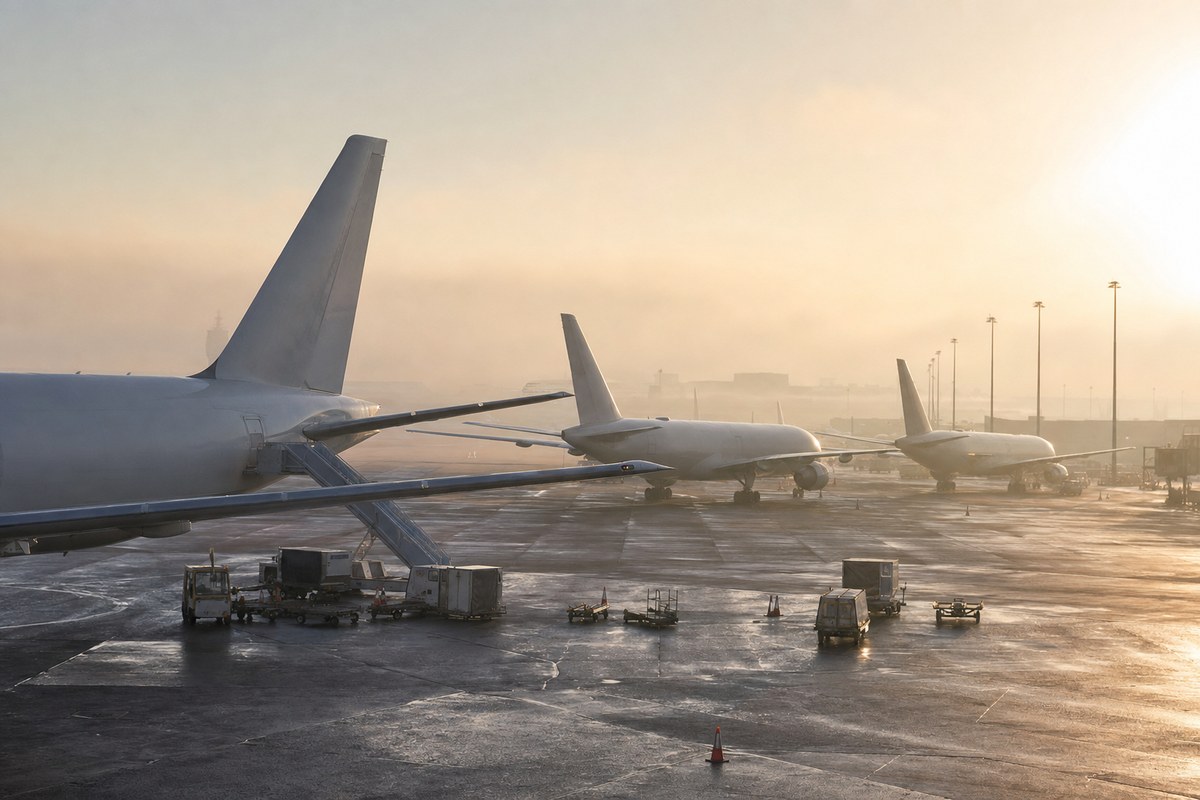
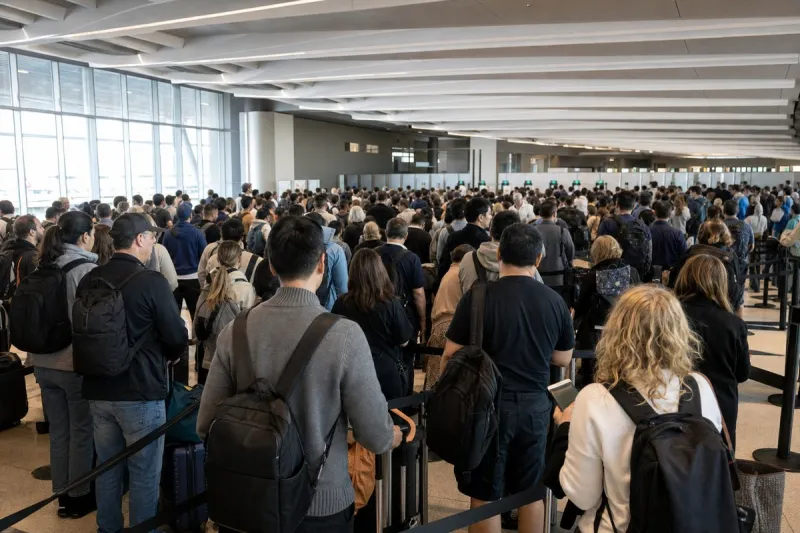
Beyond the UK, delays and cancellations were reported on European routes operated by UK-based aircraft and crews. Passengers experienced day-of cancellations, late aircraft arrivals, and missed connections even after the original technical fault was resolved. Airlines worked to rebook stranded travelers and restore schedules, in some cases using ferry flights and crew swaps.
The disruption drew political scrutiny in the UK, with calls for clearer explanations of what failed and how repeat incidents can be prevented. Reporting noted that similar UK air traffic control system problems have occurred in recent years.
Rebuilding the schedule
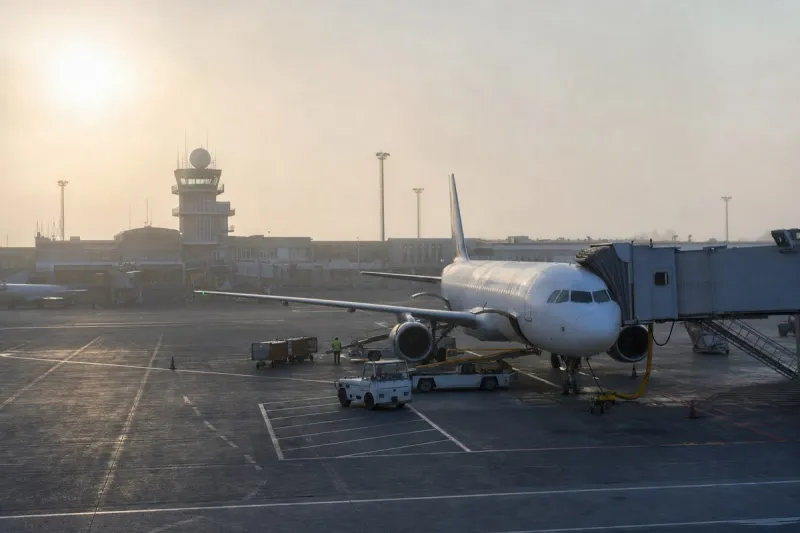
Even after systems began to stabilize, airlines faced the challenge of repositioning aircraft stranded at the wrong airports, rescheduling crews, and rebuilding rotations while contending with slot constraints, curfews, and limited spare capacity during a peak travel period. Carriers operating dense short-haul schedules were particularly affected, as a single canceled rotation can cascade into multiple further disruptions over the following day.
Passengers traveling to or from the UK were advised to monitor airline apps and airport departure boards closely for last-minute changes, as knock-on effects — including reduced schedule buffers and crowded rebooking channels — can persist well after technical systems return to normal.
Industry impact & what to watch
This case sits within a broader pattern of infrastructure-level faults that ripple through schedules long after the underlying system issue is fixed. Short-haul networks run on tight aircraft and crew rotations with little spare capacity, so a single day's failure at a handful of major airports can misplace aircraft and crews across an entire network, turning one technical event into a multi-day operational problem.
This is how dense hub-and-spoke short-haul flying works under stress: slot constraints, curfews, and thin schedule buffers mean recovery capacity is scarce precisely when it is needed most, and ferry flights or crew swaps only partially compensate. The secondary wave of cancellations into Wednesday illustrates that the technical fix and the operational recovery are two separate timelines.
Political calls for a clearer explanation of the fault, and scrutiny over whether similar incidents have recurred in recent years, point to the next milestone worth watching: what UK authorities disclose about the cause and what measures, if any, are proposed to prevent repeat failures.