Jakarta's Soekarno-Hatta and four other airports reopen after Anak Krakatau ash disruption
Why It MattersVolcanic ash events show how quickly regional airspace can close across multiple airports simultaneously, forcing operators to rebuild schedules once conditions are declared safe rather than at a single field.
What happened
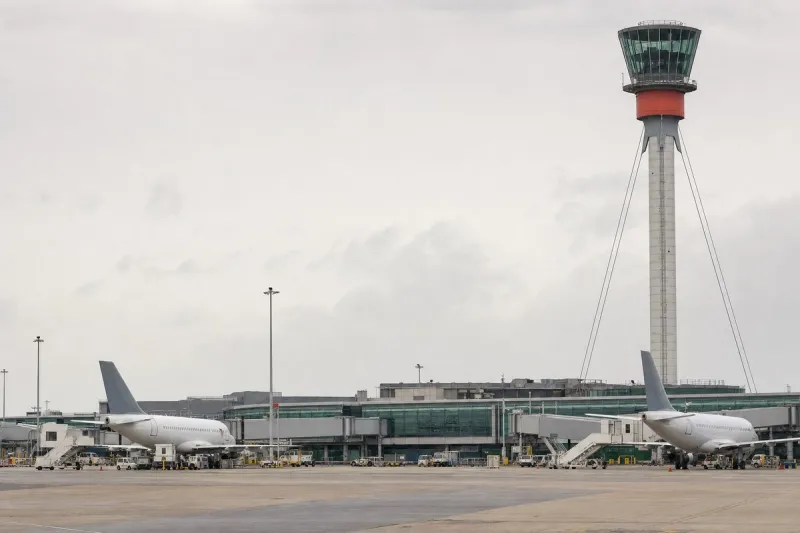
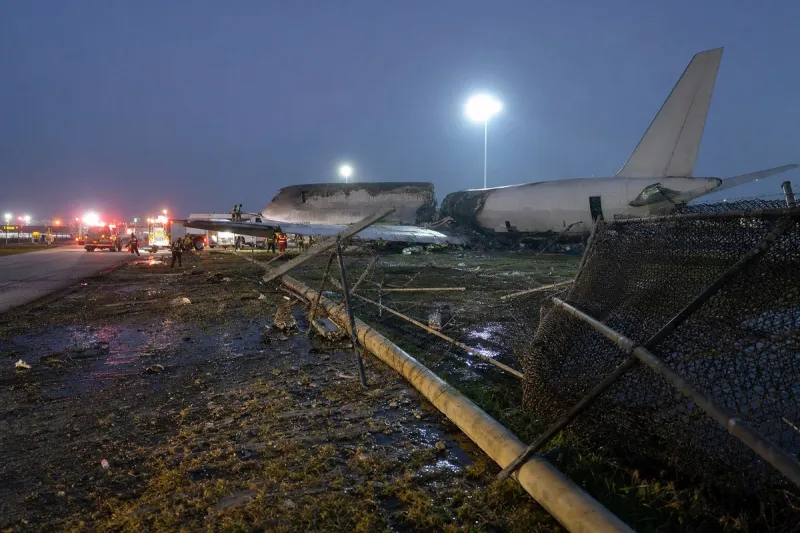
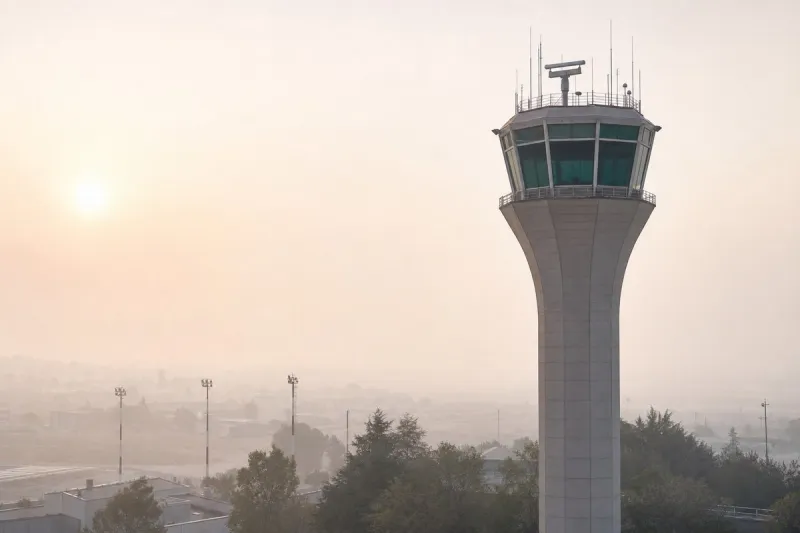
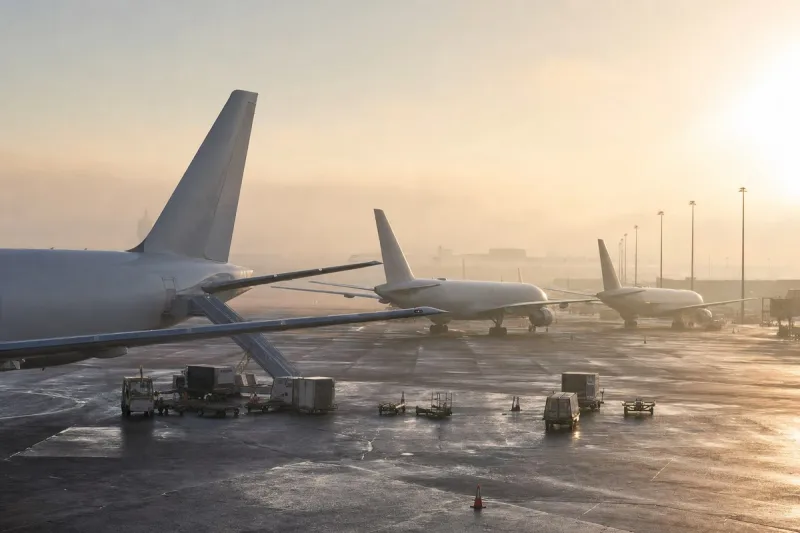
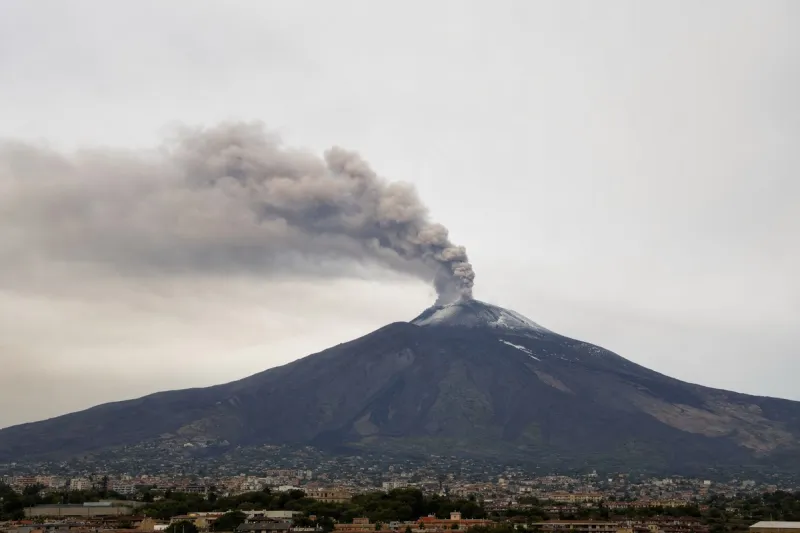
Soekarno-Hatta International Airport in Jakarta and four other airports reopened after a closure caused by volcanic ash from the eruption of Anak Krakatau volcano. The airports had suspended flight operations after ash from the eruption drifted into the region, forcing the shutdown.
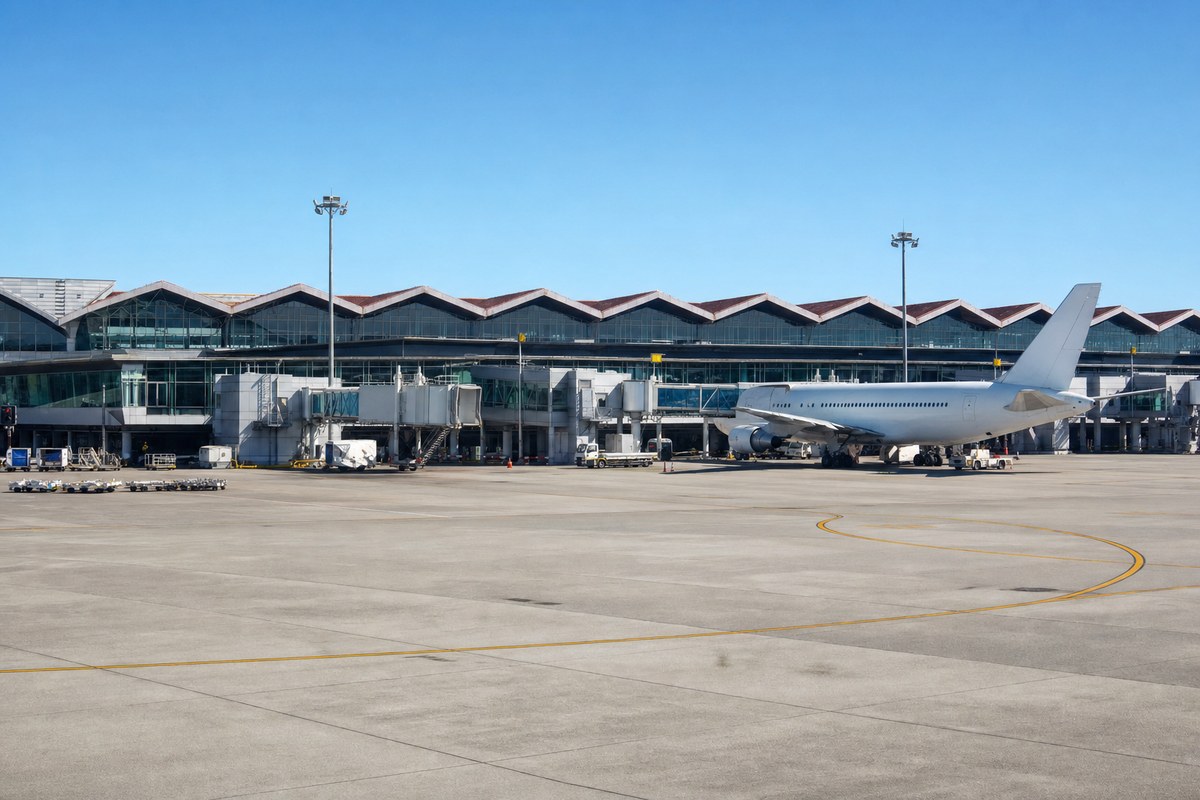
Services resumed after conditions improved sufficiently for authorities to declare the airports safe for use.
Industry impact & what to watch
Volcanic ash disruptions belong to a category of risk that airlines and airports cannot manage through normal scheduling buffers, since ash clouds move independently of flight plans and can affect several airports at once rather than one hub in isolation.
In this segment, resumption depends on authorities confirming ash has cleared enough airspace and runways to be declared safe, which is a binary go/no-go call rather than a gradual capacity ramp. That means the five airports named here effectively reopened together once conditions were assessed as safe.
What matters next is whether Anak Krakatau continues to emit ash that could force another round of closures, since volcanic activity of this kind does not resolve on a fixed timeline and airlines operating into Jakarta and the other affected airports will need to watch subsequent advisories rather than assume the disruption is over.