Gatwick Passengers Face Continued Delays as Airlines Recover from UK-Wide ATC System Failure
Why It MattersThe episode shows how a near-capacity hub like Gatwick can stay fragile for days after a control-system fault, since crew duty-time limits and slot constraints slow recovery.
What happened
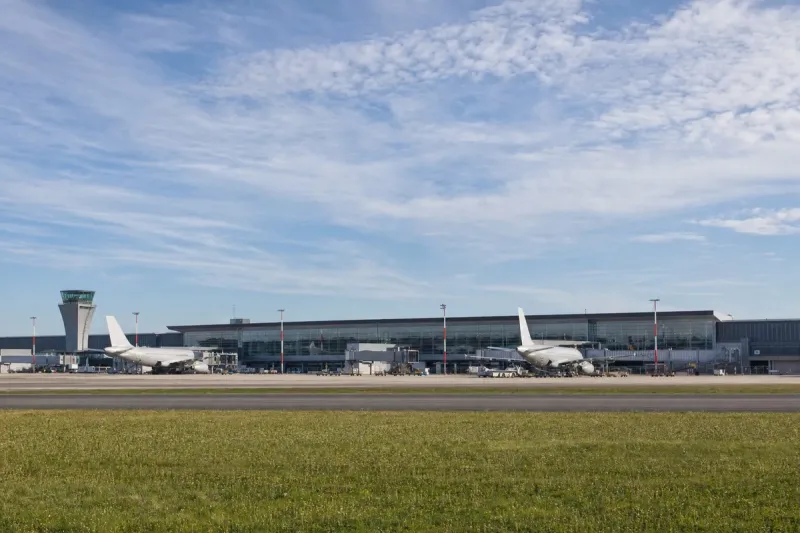
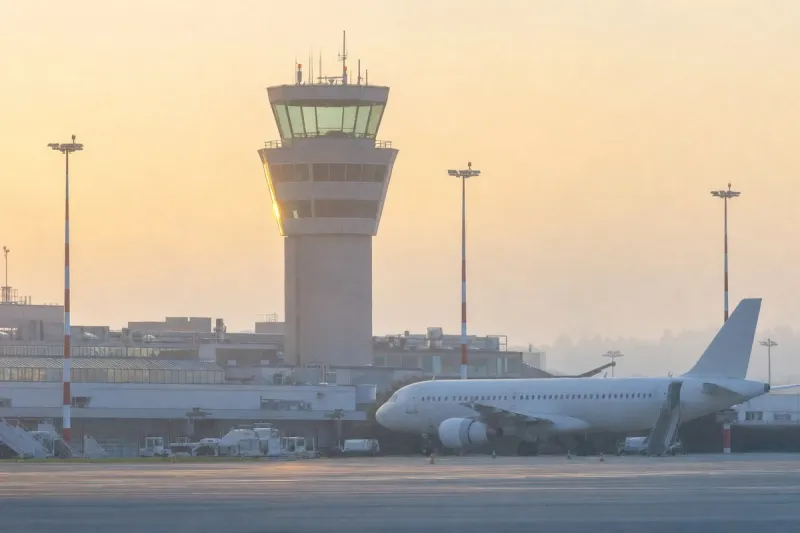
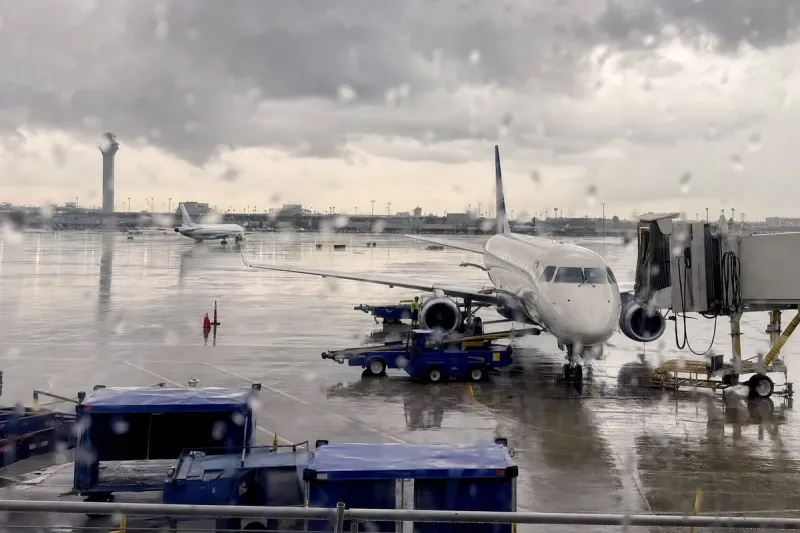
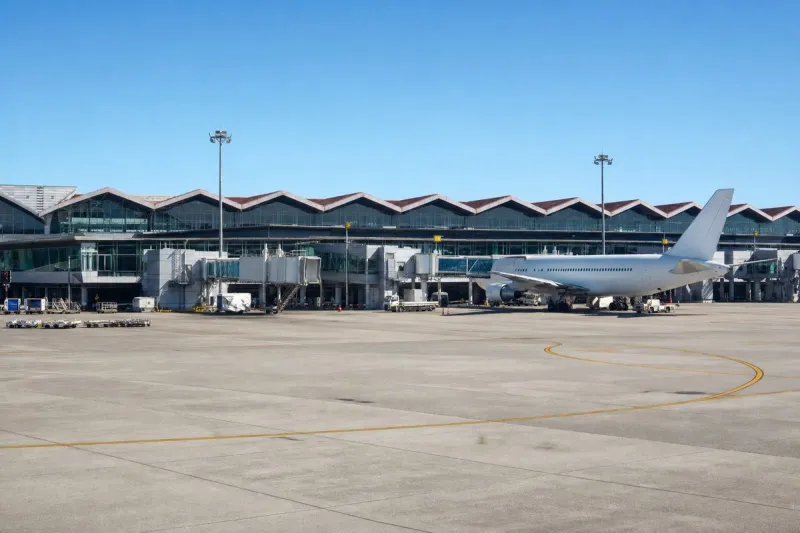
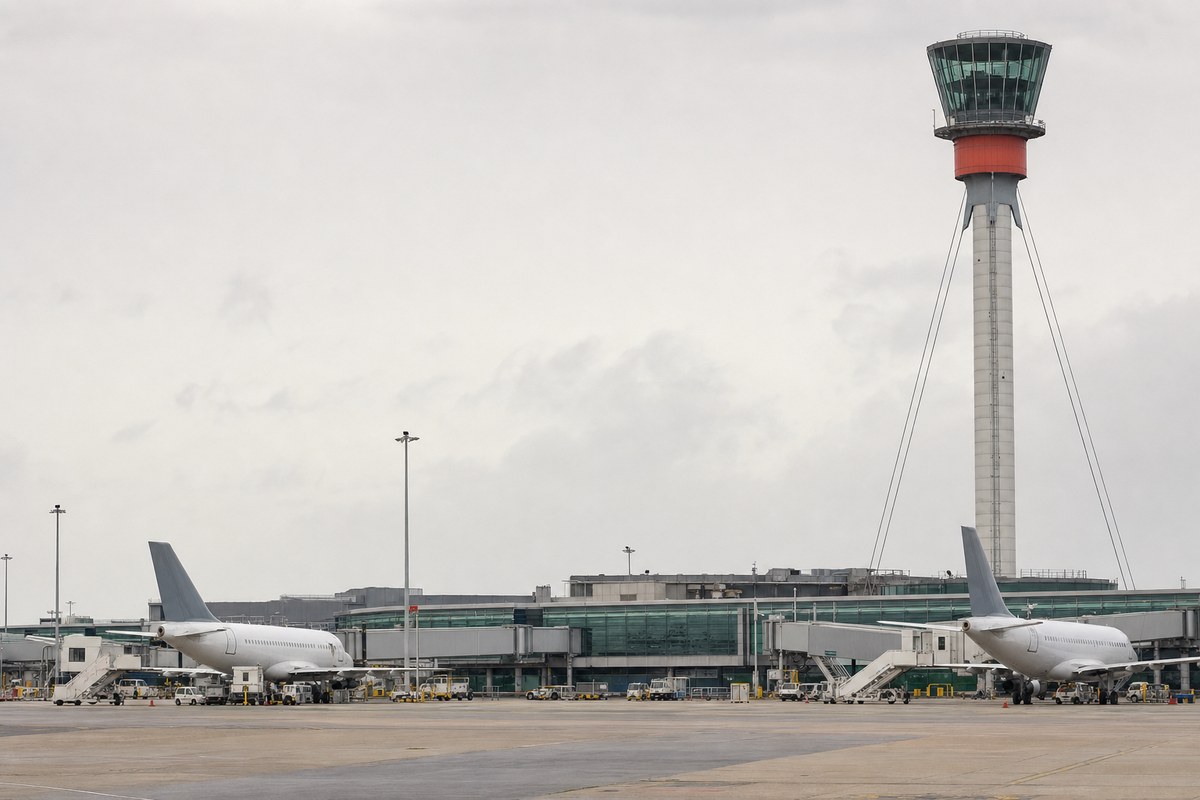
Passengers travelling through London Gatwick on Sunday, September 13, faced a second day of disruption, including delayed departures, late arrivals and a smaller number of outright cancellations, as airlines continued recovering from a UK-wide air traffic control system failure that struck earlier in the week.
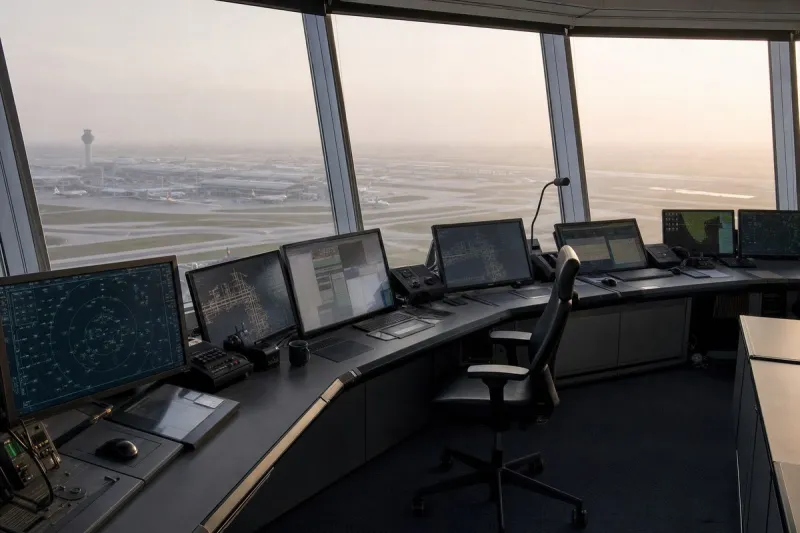
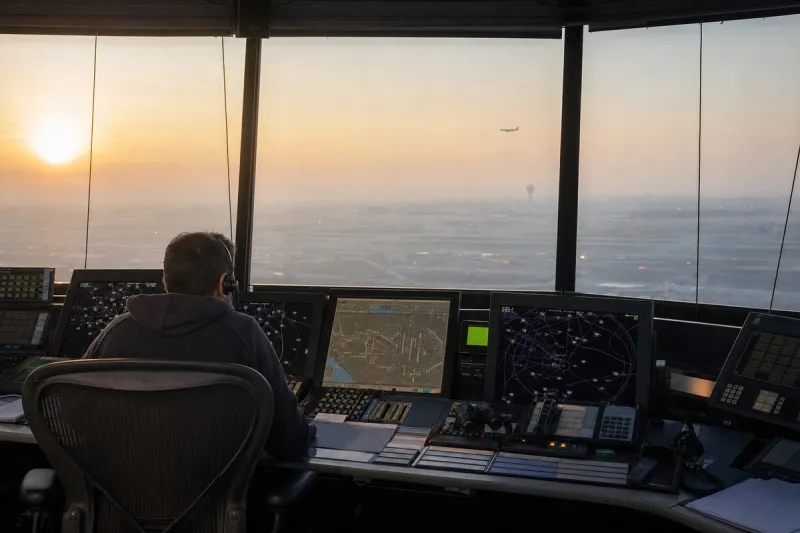
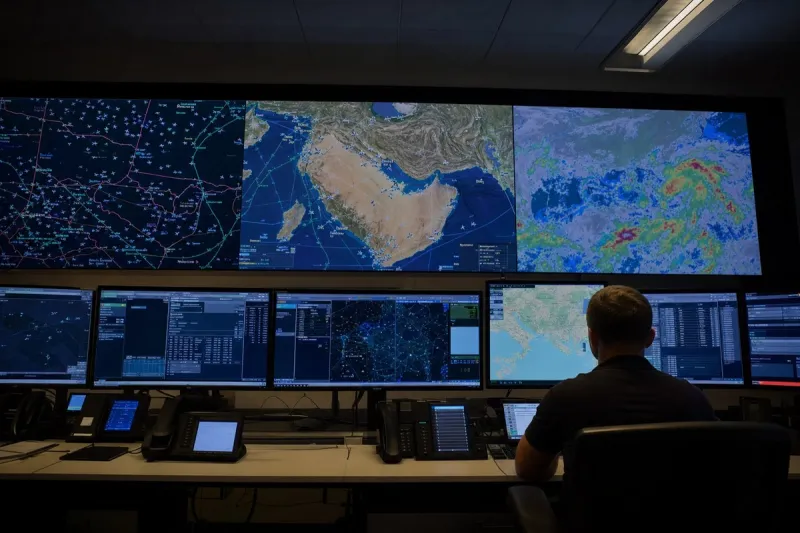
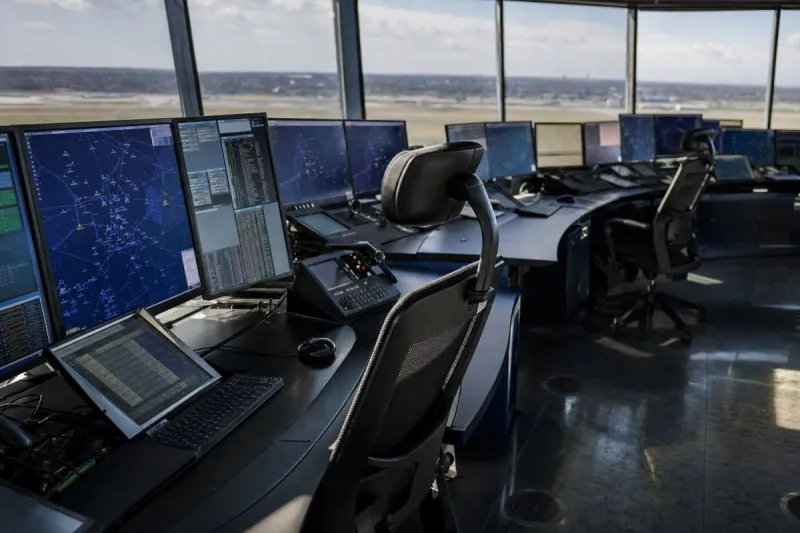
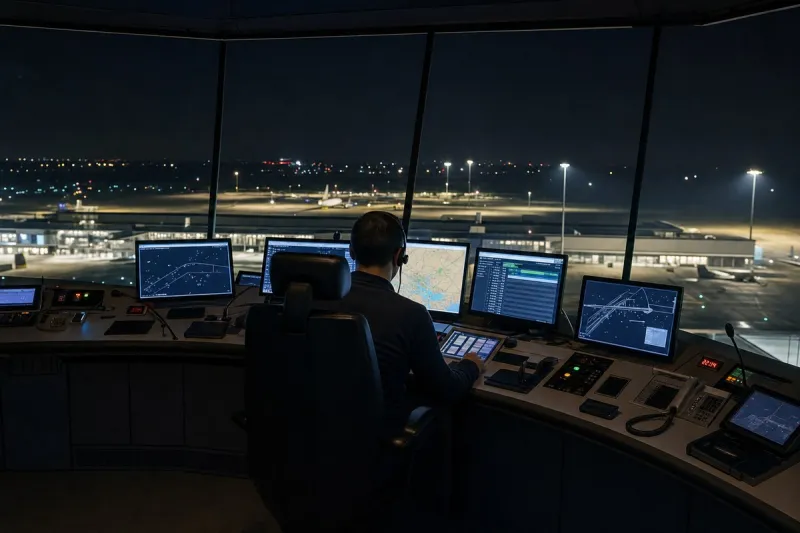
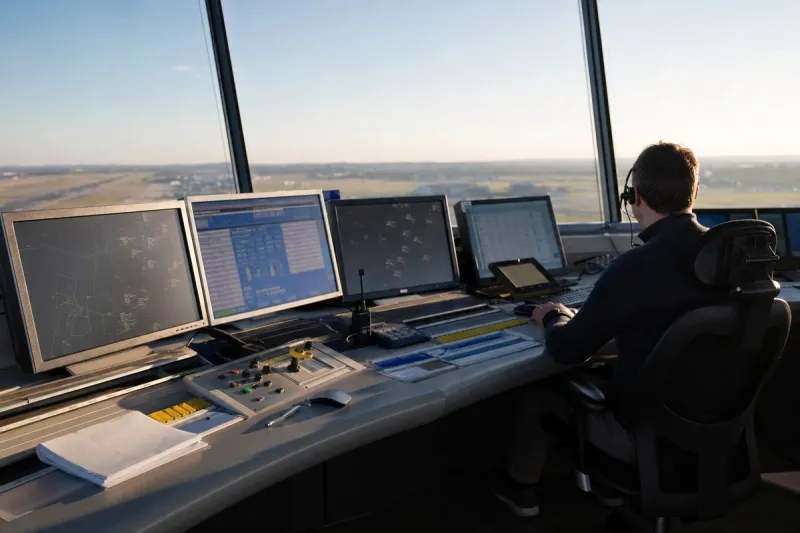
The original fault occurred within the National Air Traffic Services network's flight data processing infrastructure, forcing controllers to revert to more manual methods of handling flight plans. The failure triggered widespread ground stops and flow restrictions at major airports including Gatwick and Heathrow, with industry reports describing hundreds of nationwide cancellations and many more flights operating with extended delays, leaving aircraft and crews out of position for days.
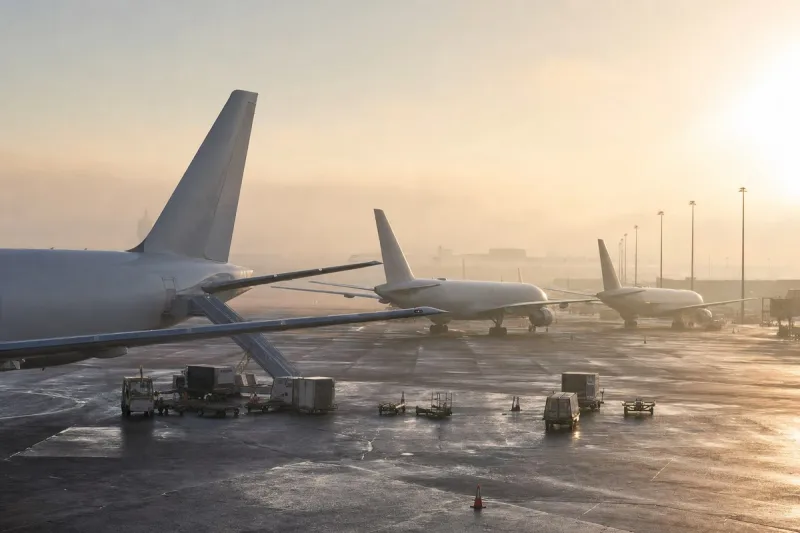
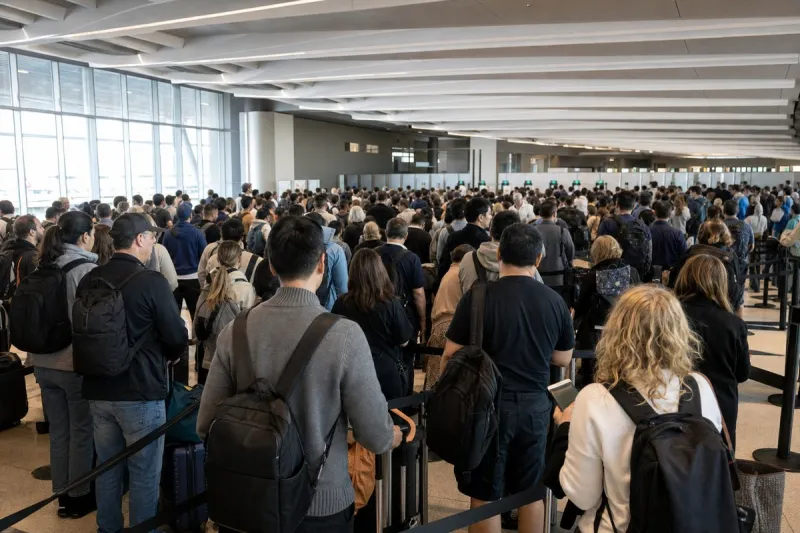
By Sunday, core restrictions had been lifted, but the operational consequences remained visible. Airlines were adjusting rotations, consolidating services and cancelling lower-demand flights to free up aircraft and crews for higher-priority sectors. At Gatwick, effects were felt across short-haul leisure routes as well as some longer European and North African services. Flight-tracking data showed carriers swapping aircraft types, retiming flights and combining services where possible. The number of cancellations on Sunday was reported to be significantly lower than during the peak of the disruption but still above the level typical for an early September weekend. Some passengers reported extended terminal waits, late gate changes and overnight rebookings.
Industry impact & what to watch
A control-system fault in one part of a national network can cascade into a multi-day recovery problem at individual airports, because the initial restriction forces controllers onto manual flight-plan handling, which itself slows throughput even after the fault is cleared.
Gatwick's situation illustrates how airports operating close to capacity during peak periods are especially exposed: even brief reductions in movements create inbound queues, slot constraints and crew duty-time pressures that make rapid recovery difficult, so airlines respond by consolidating and cancelling lower-demand flights to reposition aircraft and crews onto priority sectors.
Analysts pointed to schedules gradually stabilising across the UK, while flagging that highly utilised airports such as Gatwick could remain fragile for several days, with any additional strain, such as adverse weather, capable of prolonging the disruption further.