Middle East Conflict, Nepal Glacier Disaster and Regional Weather Shape Global Private Aviation Risk Picture
Why It MattersWhen separate shocks in fuel corridors, mountain terrain and climate data stack in the same window, operators face compounding schedule and routing risk that single-event contingency planning was never built to absorb.
What happened
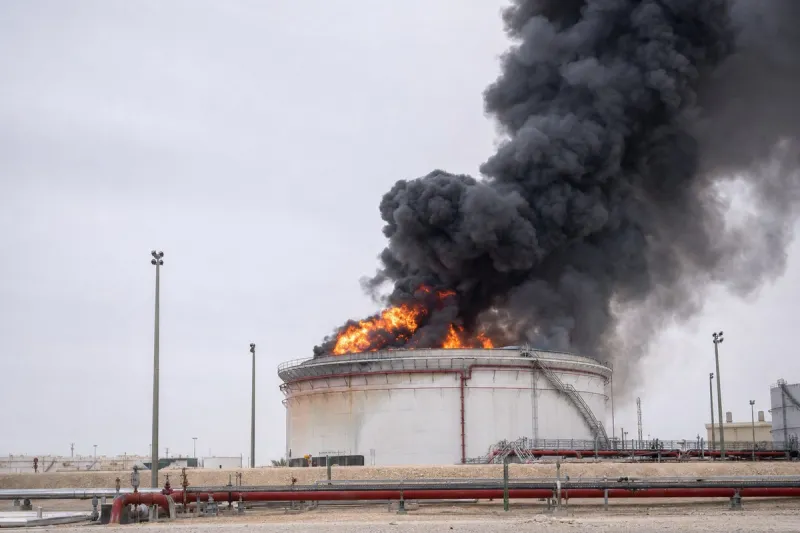
Seven months into the U.S. and Israeli war with Iran, the Middle East has moved from a temporary disruption to a structural constraint on flight planning, fuel economics and schedule reliability across Europe-Asia and Africa-Gulf routes. Houthi forces backed by Iran have advanced along Yemen's coast, seizing the port of Mokha and the island of Perim in the Bab el-Mandeb Strait, gaining the ability to block the mouth of the Red Sea; combined with Iran's effective blockade of the Strait of Hormuz, both principal oil-shipping corridors are now under pressure from the same actor. Saudi Arabia shut its East-West Pipeline on September 10 after drones launched from Iraq struck the line and nearby pumping stations south of Medina, with the Saudi Foreign Ministry attributing the attack to an unspecified actor.

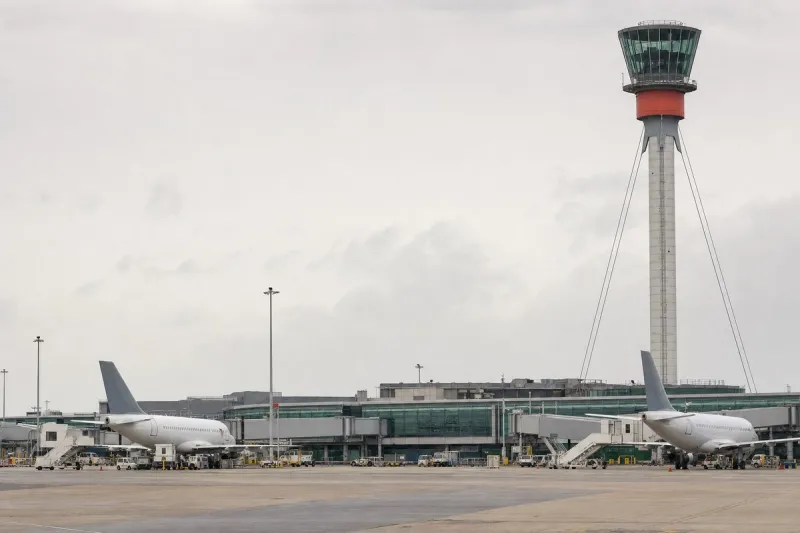
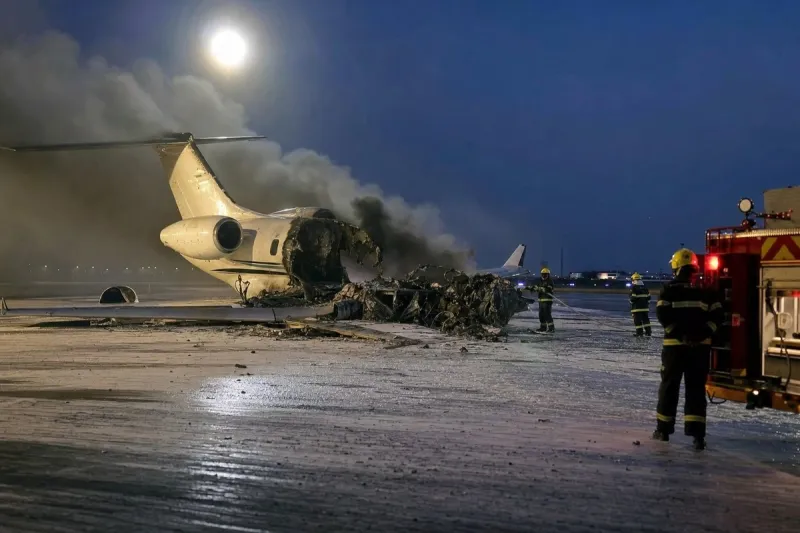
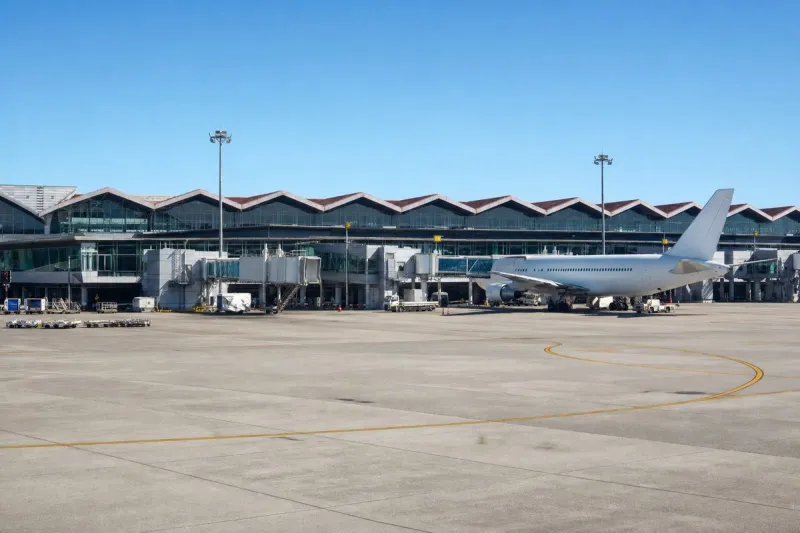
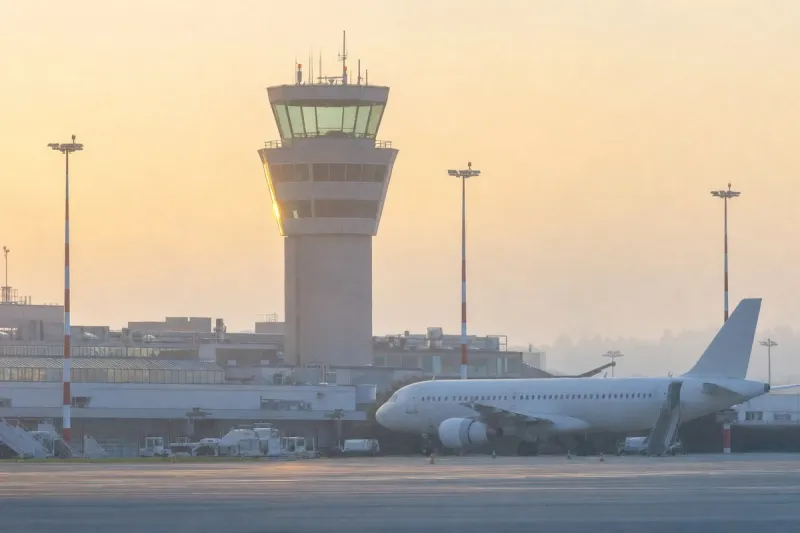
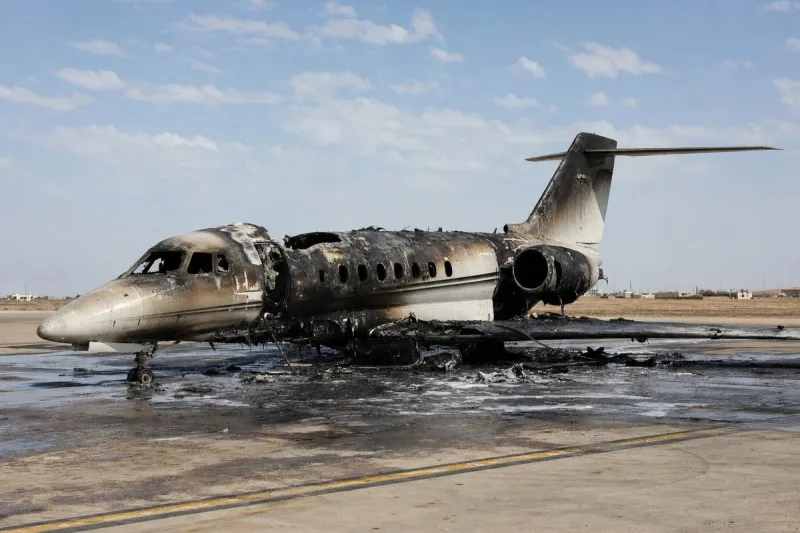
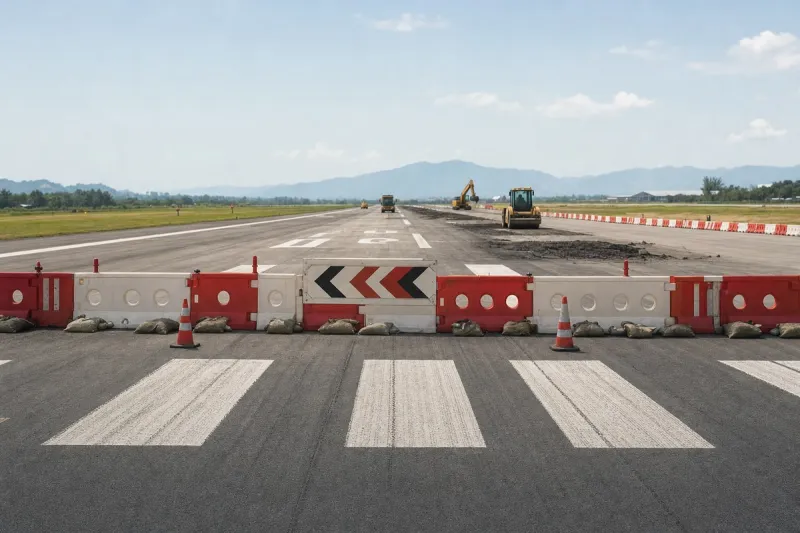
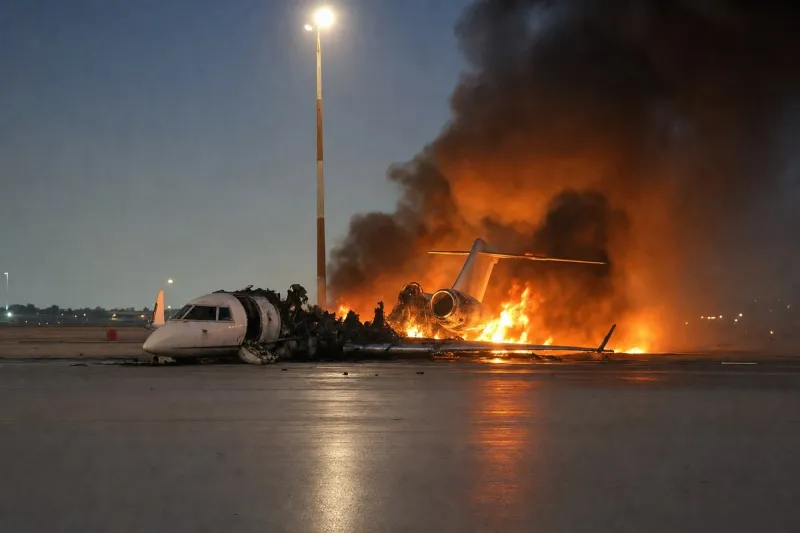
Kuwait International Airport has been shut for five weeks following drone strikes that destroyed radar and fuel systems, with no reopening date announced; one regional account describes intermittent rather than continuous closures, with Jazeera Airways operating selected services including to Dubai. The airspace of Iran, Iraq and Israel, and parts of the Arabian Gulf, is being avoided by carriers including KLM as operator policy, though no formal closure of those volumes has been established. Dubai International and Zayed International remain open but are experiencing delays and cancellations. Lufthansa Group and SWISS have Dubai and Beirut suspended through October 24; Singapore Airlines and Wizz Air are out of Dubai, and Wizz Air also out of Abu Dhabi, until October 24; KLM has Riyadh, Dammam and Dubai suspended to the same date; Cathay Pacific has Dubai and Riyadh suspended until November 30; Air Canada has Tel Aviv and Dubai suspended into January 2027. Air France is moving toward broader resumption, and Air India and Air India Express have restored full GCC networks.
Middle Eastern airline demand fell 46.6 percent in April 2026 even as global demand outside the region rose 1.2 percent. Industry modelling frames outcomes around a ceasefire scenario producing roughly 6 percent global travel growth, a renewed-hostilities scenario near minus 1 percent, and a sustained-disruption scenario near minus 3 percent extending into 2027.
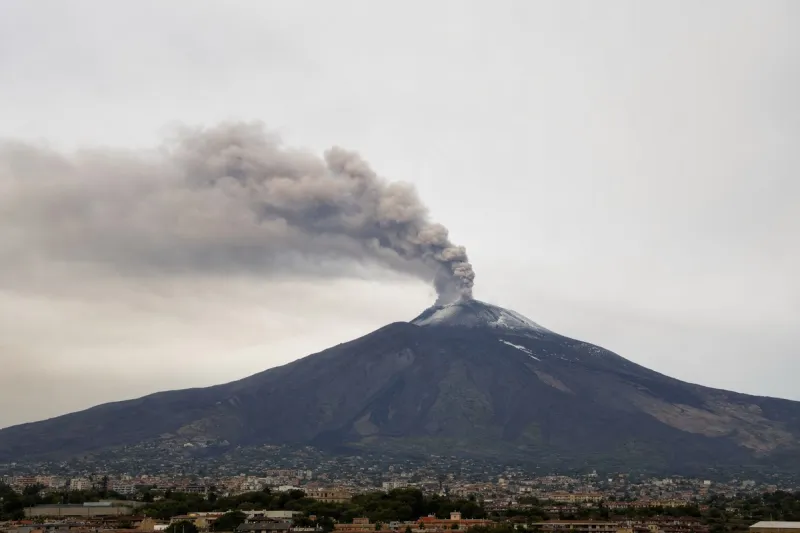
In the Himalayas, an ice-and-rock avalanche and glacier collapse on Langtang Lirung on August 26, triggered by an earthquake, sent debris down the Lhende River into the Bhote Koshi and Trishuli river systems, destroying settlements in Nepal's Rasuwa and Nuwakot districts. One account records at least 1,398 dead and more than 5,500 missing, including around 800 foreigners; another cites at least 900 dead and nearly 4,000 missing as of September 1, with additional deaths in neighbouring Tibet. Heavy rain has turned roads to mud, trapping relief vehicles. A magnitude 6.2 earthquake struck Java, Indonesia on September 12 at a depth of 376 kilometres, with no damage reported, while wildfires have destroyed forested habitat there; Japan is at the September peak of its typhoon season. Copernicus reports August as the joint hottest month on record, with global temperatures returning above 1.5 degrees Celsius above pre-industrial levels, and the World Meteorological Organization puts the probability of the current El Niño persisting into early 2027 at close to 100 percent.
Industry impact & what to watch
These three strands sit in different domains — an armed conflict along shipping and flight corridors, a mountain-terrain natural disaster, and a climate anomaly — but together they describe how modern flight-risk assessment now has to run several independent hazard models at once rather than tracking one dominant event. A carrier's own suspension list shows the pattern already at work: airlines are not applying a single regional judgment but setting airport-by-airport and date-by-date exclusions that expire and renew on different schedules, from October 24 to January 2027.
The segment's actual mechanics show up in the divergence between operators over the same airspace. Some carriers treat Kuwait, Iran, Iraq, Israel and parts of the Gulf as no-go by internal policy while no formal closure has been declared, which means route planning is currently driven more by individual airline risk tolerance than by regulator or airspace-authority action — a gap that shows up directly in the conflicting demand and revenue scenarios modelled for the region. That range, from roughly 6 percent growth under a ceasefire to roughly minus 3 percent under sustained disruption into 2027, indicates the industry itself cannot yet settle on which trajectory applies.
The next dated points worth tracking are the October 24 and November 30 suspension deadlines set by Lufthansa Group, SWISS, KLM, Singapore Airlines, Wizz Air and Cathay Pacific, since renewal or lapse of those dates will be the clearest signal of whether carriers see the Gulf corridor stabilizing. Kuwait International's reopening, still without an announced date, is the single clearest marker for whether the broader airspace-avoidance policy can be relaxed. Separately, whether the Langtang Lirung casualty figures converge toward the higher or lower of the two counts now in circulation will determine the scale of the humanitarian and logistics response still unfolding in Rasuwa and Nuwakot.