Nearly 6,900 Flight Delays Nationwide on Thursday as FAA Programs Hit Boston, Chicago, San Francisco, San Diego, and Washington
Why It MattersThe day shows how construction, weather, and volume constraints at a handful of hubs can propagate ground holds far beyond the affected airports, with recovery pace tied to each cause.
What happened
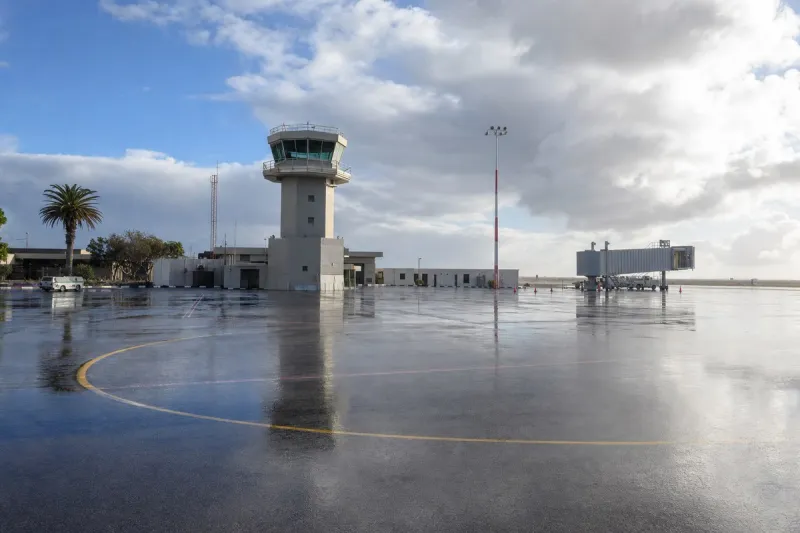
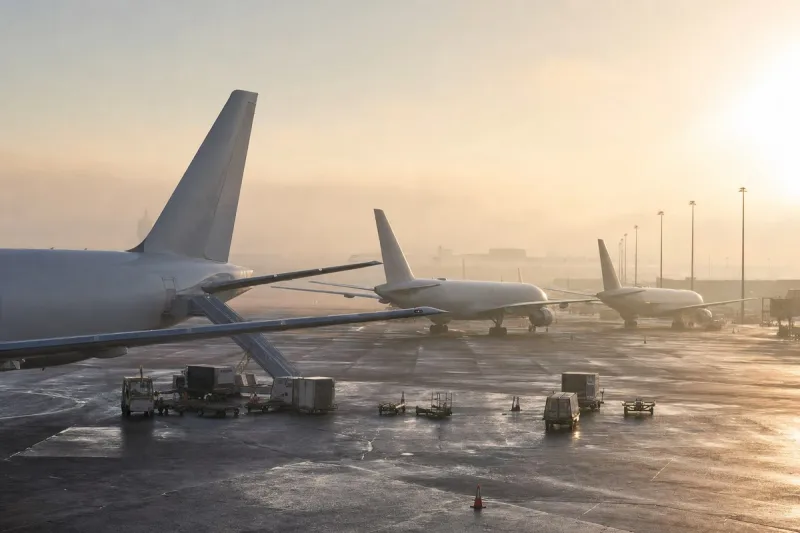
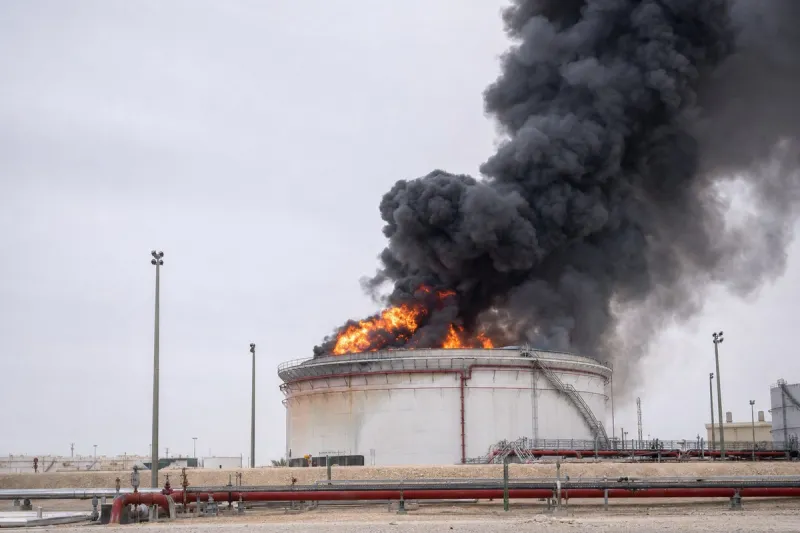
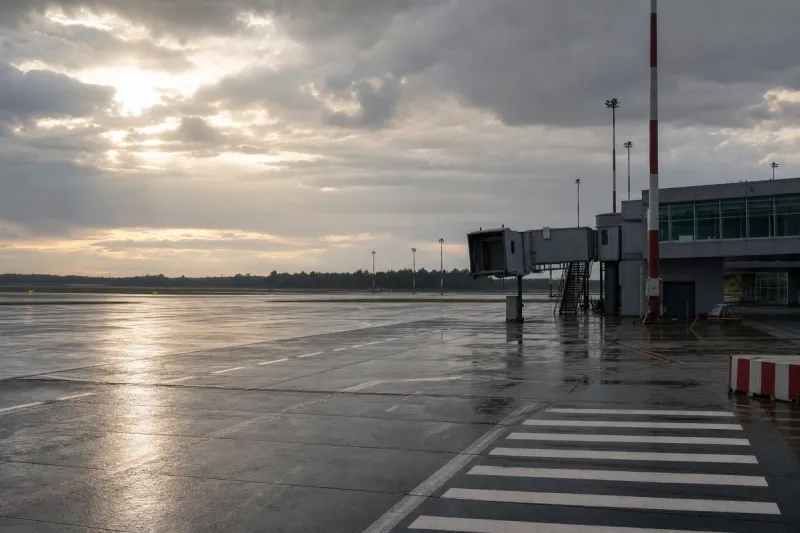
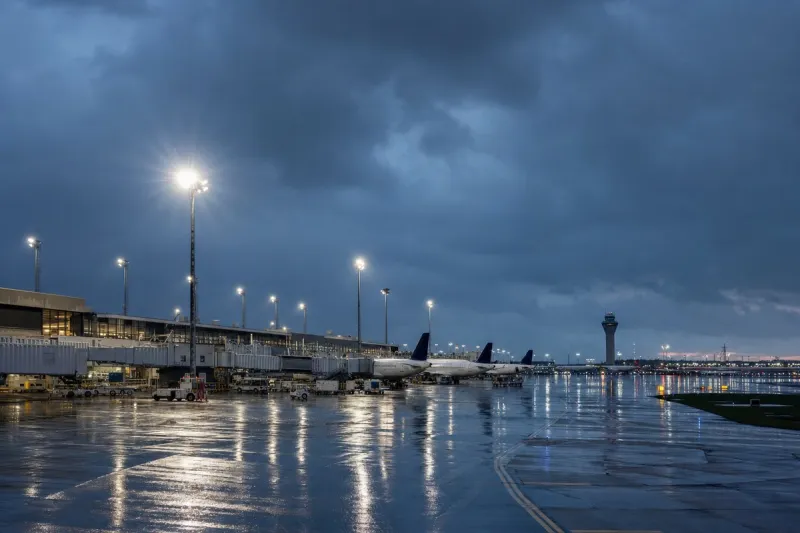
Nearly 6,900 flights were delayed across the United States on Thursday, September 17, 2026, as construction, low ceilings, thunderstorms, and volume constraints triggered multiple FAA ground delay programs and ground stops at major hubs. Flight-tracking tallies recorded 6,881 delays nationwide, and the FAA's live status feed listed five Ground Delay Programs in effect.
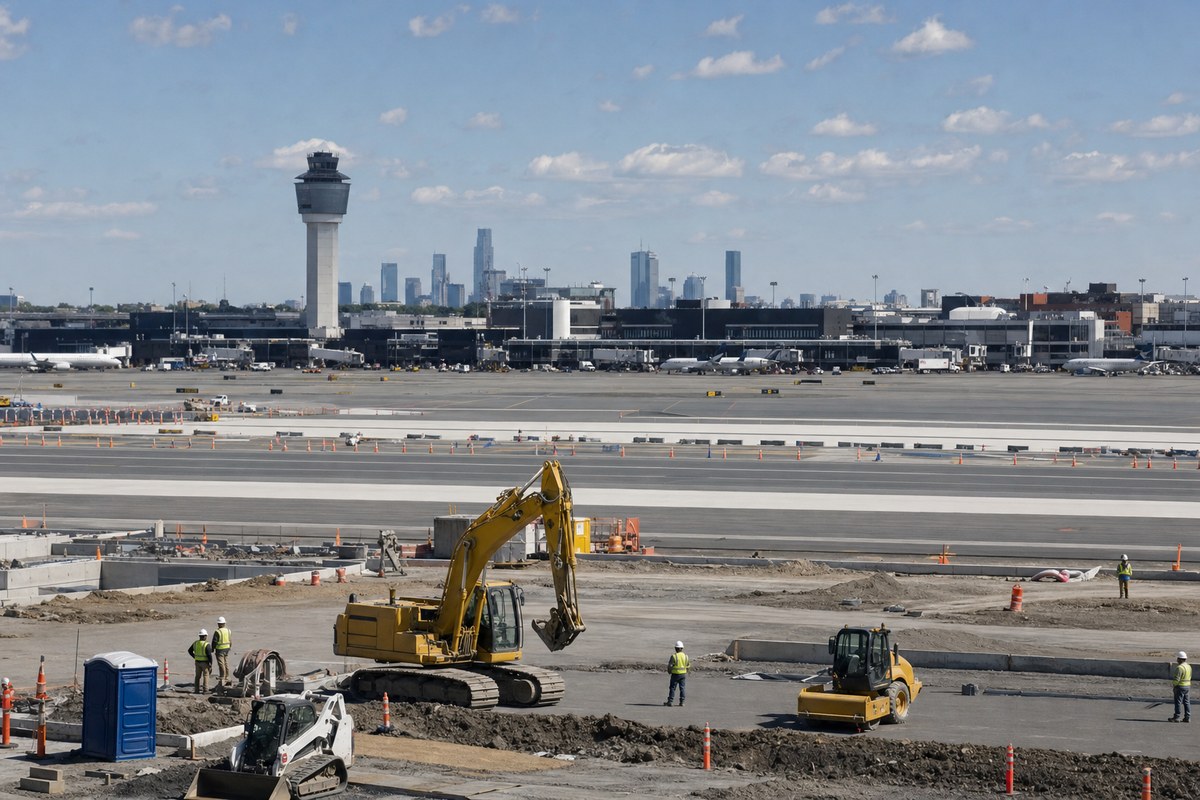
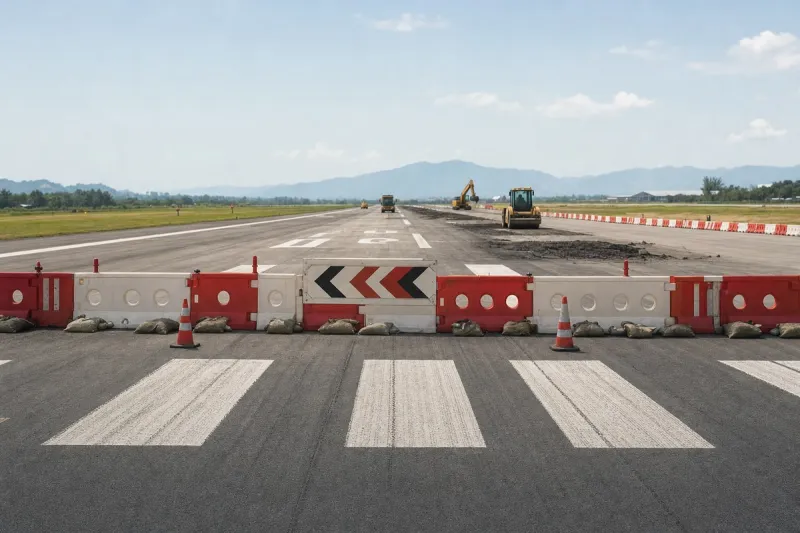
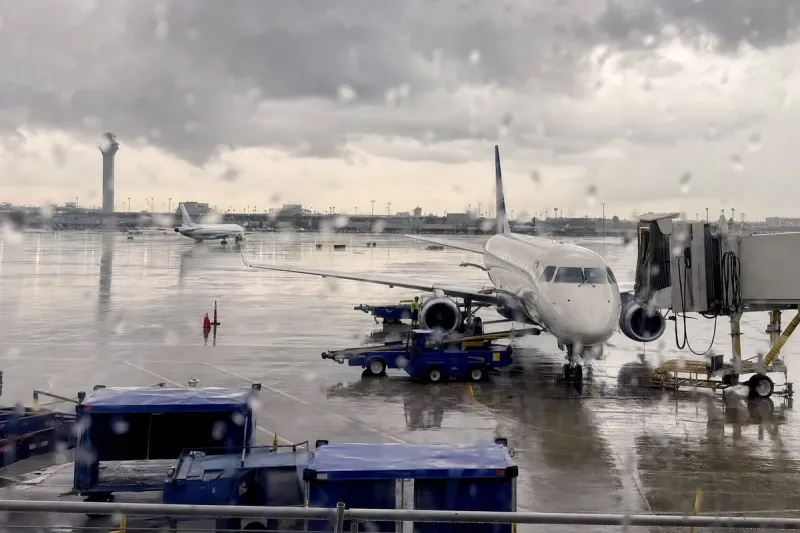
Boston Logan International carried the highest published average delay at 136 minutes, driven by runway and taxiway construction. Chicago O'Hare was placed under a Ground Delay Program due to weather and wind, with an average delay of 104 minutes. San Francisco International was affected by low ceilings reducing instrument approach capacity, with an FAA-listed average delay of 77 minutes. San Diego International appeared under a volume-based Ground Delay Program, with a published average delay of 40 minutes.
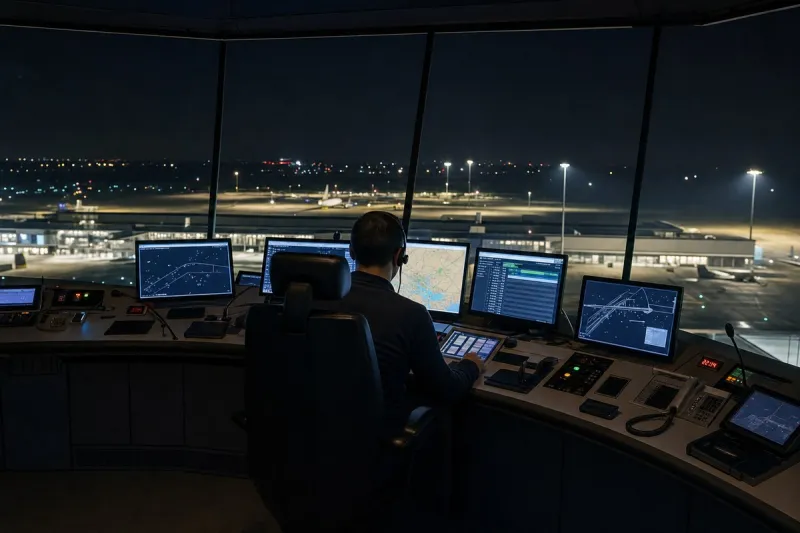
In the Washington region, thunderstorms triggered both a Ground Delay Program and a Ground Stop at Ronald Reagan Washington National Airport (DCA). The FAA's delay information feed also showed a Traffic Management Ground Stop for arriving flights at Baltimore-Washington International (BWI) and an arriving-traffic Ground Stop at Washington Dulles (IAD), both attributed to thunderstorms. Growing gate-hold and taxi delays were also reported across the region. The FAA's live tracking noted that flights departing from airports well outside the Mid-Atlantic could be held on the ground to prevent airborne congestion over Washington-area arrival corridors.
Industry impact & what to watch
The day illustrates how several independent causes — infrastructure work, low visibility, convective weather, and volume pressure — can converge on the same day and each trigger its own ground delay program without any single nationwide root cause. Chicago O'Hare's role as a high-volume connection hub means a 104-minute average delay there ripples into itineraries well beyond the airport itself, a dynamic common to any hub-and-spoke disruption.
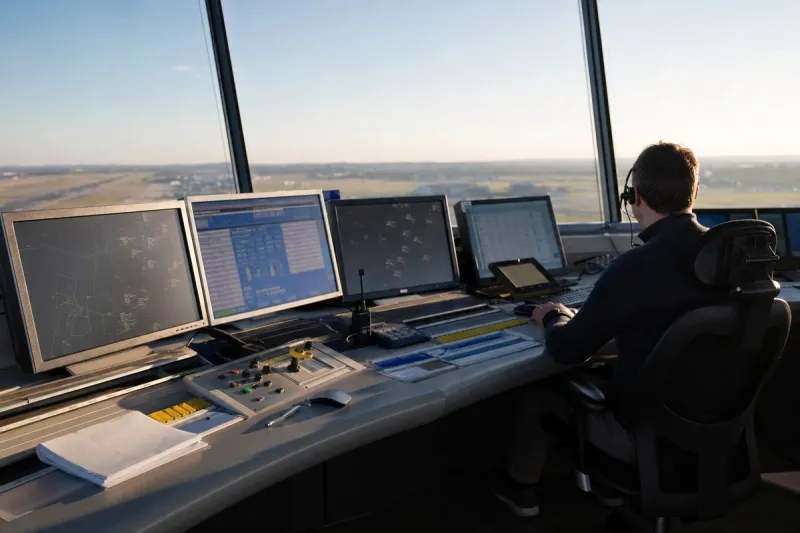
Ground stops in the Washington region also show how FAA traffic management can hold departures at distant airports to protect arrival corridors, so travelers far from the storm cells can still see delays tied to DCA, BWI, and IAD. Recovery timing depends on the underlying cause: construction-driven restrictions at Boston persist for set windows, while thunderstorm-driven programs at DCA, BWI, and IAD may ease as storm cells weaken or move. Whether Thursday's five Ground Delay Programs clear on schedule will depend on how quickly the Washington-area storms pass and whether Boston's construction window holds.