Europe's Major Hubs Face Summer Flight Disruption as Delays and Cancellations Mount in 2026
Why It MattersThe 2026 season shows that network-wide punctuality now hinges on how thinly staffed control centers, ground handlers and airlines absorb weather or airspace shocks at a handful of high-traffic hubs.
What happened
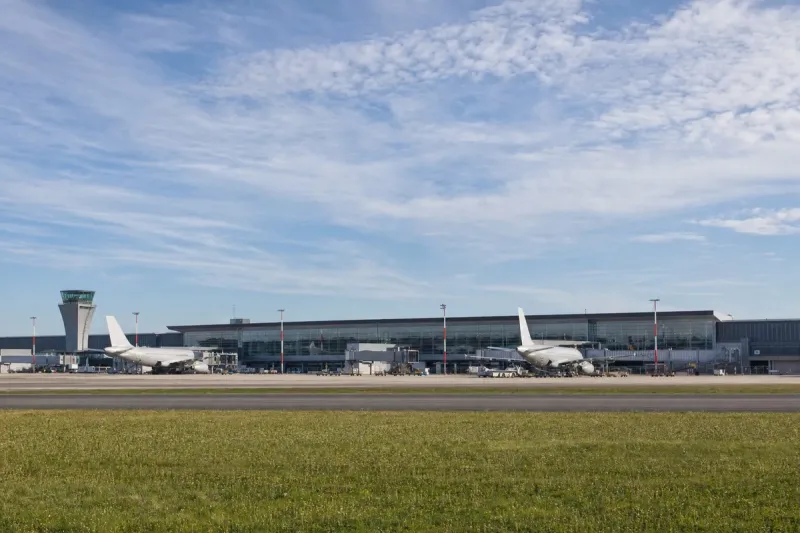
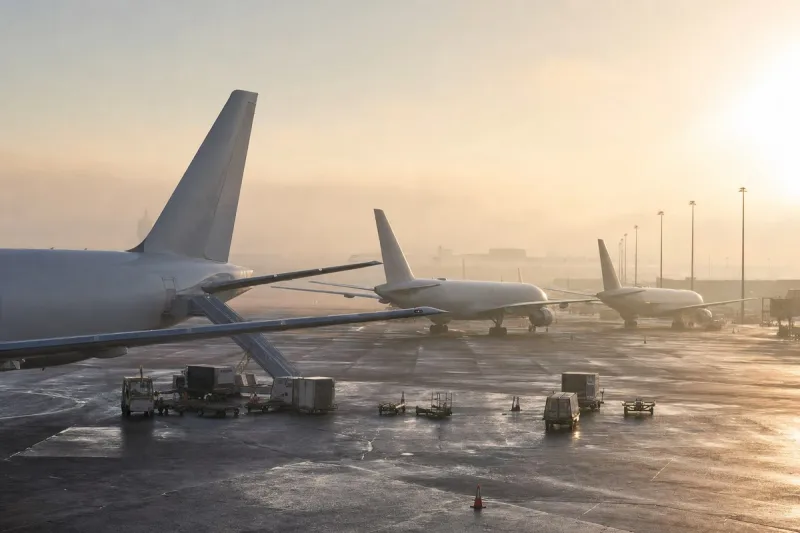
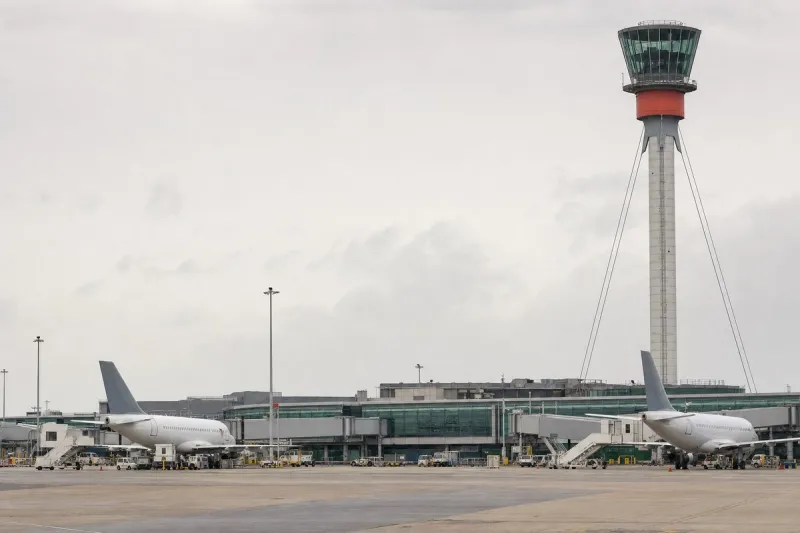
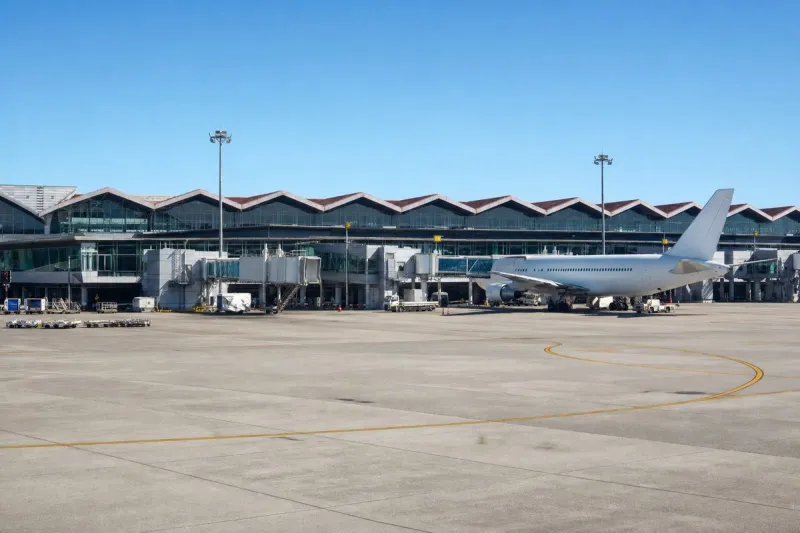
Air traffic flow management delays affected a broad share of flights across Europe during the 2026 summer travel season, with average delays per flight rising during peak periods. Barcelona El Prat and Munich International emerged as two of the most affected hubs, with industry punctuality reports for 2026 placing both among Europe's busier airports under schedule pressure.
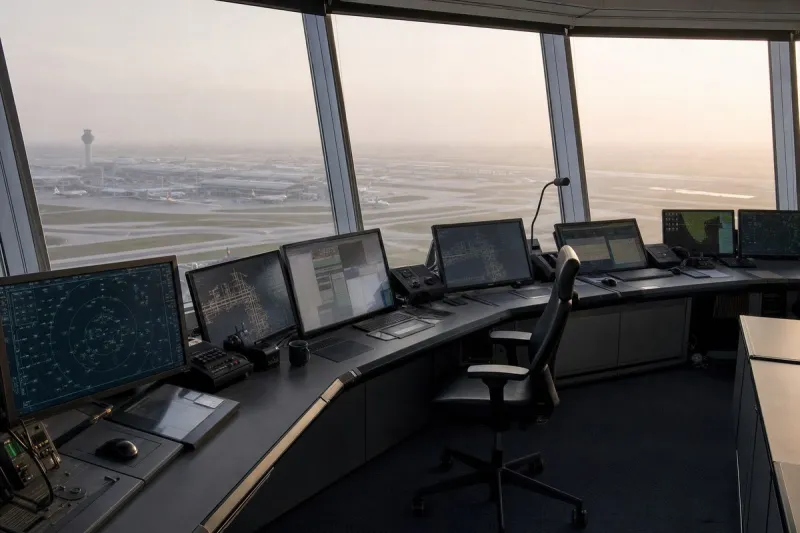
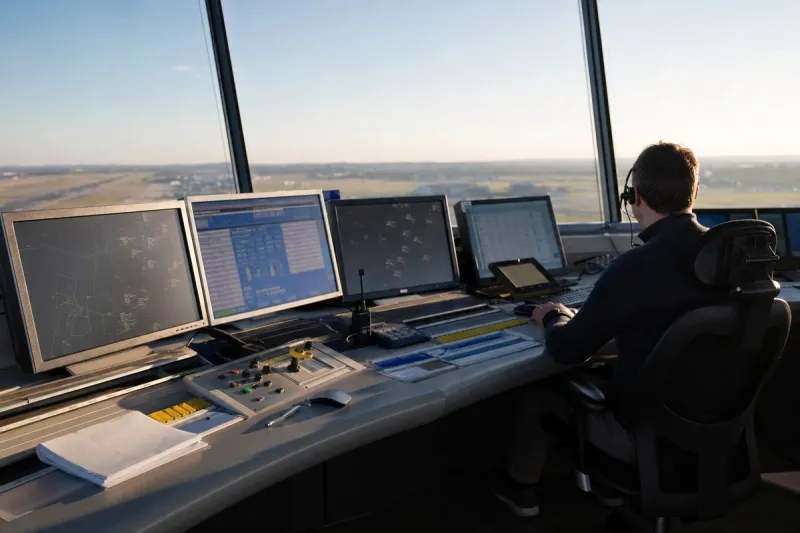
Average departure delays at Barcelona ran into double digits in minutes per flight, and Munich also recorded notable delay levels. In August alone, more than 150 flights were cancelled at Barcelona, with Lufthansa identified as the most affected carrier on routes connecting Barcelona with Frankfurt and other German cities. Key air traffic control centers in southern and central Europe, including the Barcelona area, were among the largest contributors to en route delays this season, generating holding patterns, revised departure slots, and reduced turnaround flexibility for airlines.
Official punctuality reports from European airport associations for early 2026 show average departure delays in the range of 8 to 13 minutes at many of the continent's largest hubs, including Barcelona, Munich, London, and Frankfurt. Overall European traffic is now at or above pre-2019 levels on some days.
Network effects at peak hubs
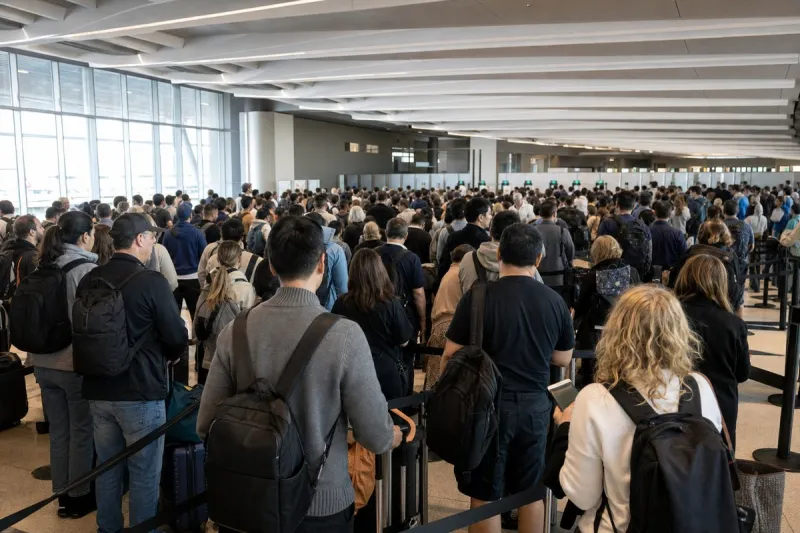
On peak travel days, late inbound aircraft can cascade disruption across the network, pushing daily delay totals into the thousands even when outright cancellations remain relatively limited in number. Staffing constraints at airlines, ground handlers, and air traffic control centers remain a structural pressure, with training pipelines and rostering described as finely balanced.
Passengers connecting through Barcelona, Munich, and other major hubs in mid-September face continued risk of late departures, missed connections, and short-notice re-routing. European passenger rights organizations advise allowing longer connection times, particularly on separate tickets or non-protected connections, and recommend travelers with time-critical plans such as cruises or tours consider arriving a day early where possible.
Industry impact & what to watch
This case illustrates how a small set of high-traffic hubs and en route control centers can set the delay profile for an entire continental network, since a late arrival at one congested airport propagates through onward rotations well beyond that airport's own gates. Airline schedules built on tight turnarounds have limited slack to absorb this kind of upstream disruption once inbound delays accumulate.
Punctuality in this segment is a function of three interlocking capacities — airspace throughput, airport ground operations, and staffing at controllers, ground handlers and airlines — and none of them scale quickly mid-season. When one of the three tightens, as southern and central European control centers did this summer, the effect surfaces as cancellations at some airports and cascading delays at others, even where cancellation counts stay comparatively low.
The next test is whether staffing and rostering hold through the remainder of the peak season without a weather event or airspace restriction compounding the existing pressure at Barcelona, Munich and comparable hubs. Passenger rights organizations' guidance to build in longer connection buffers signals that the current delay pattern is expected to persist rather than ease in the near term.