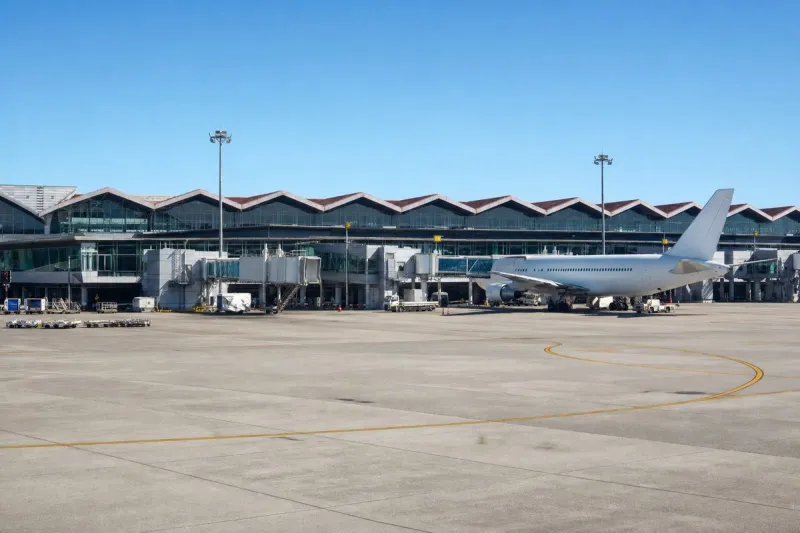
UAE Residents Face Flight Disruptions and Regional Tensions as Conflict Escalates: Key Developments for September 19
Why It MattersAirline recovery in contested Gulf airspace runs on staggered timelines, with carriers phasing capacity back in only as tensions and advisories ease unevenly across markets.
What happened
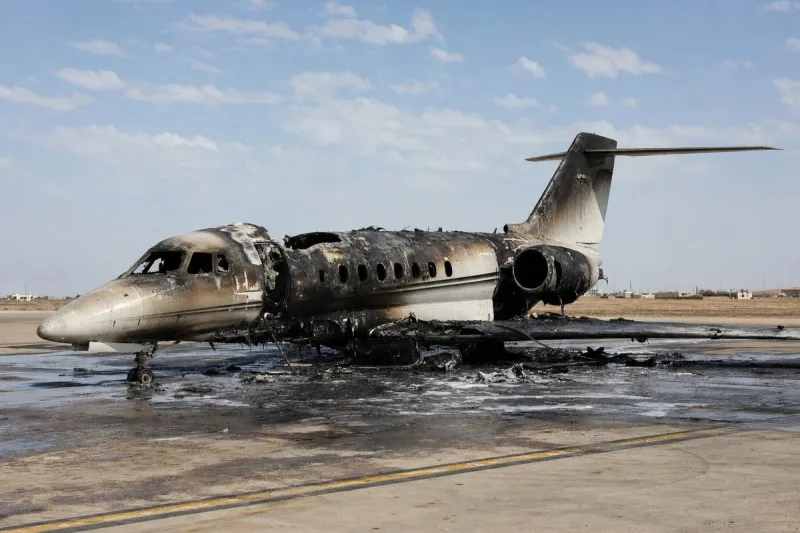
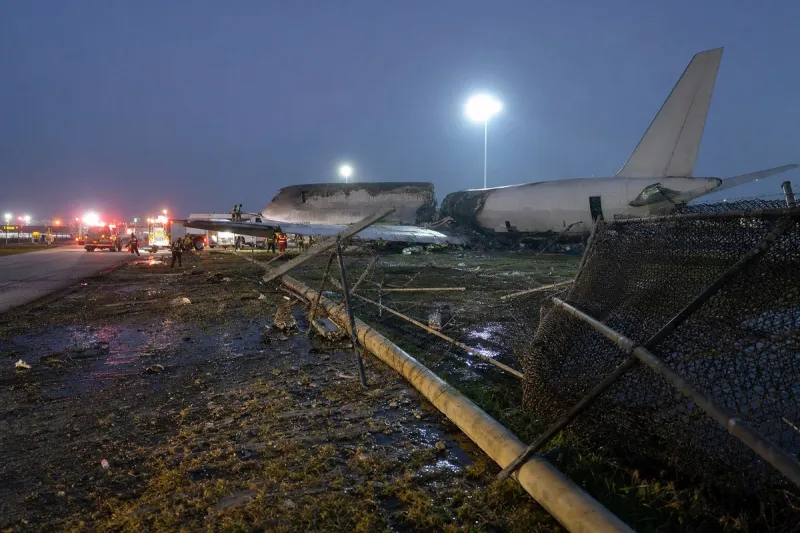
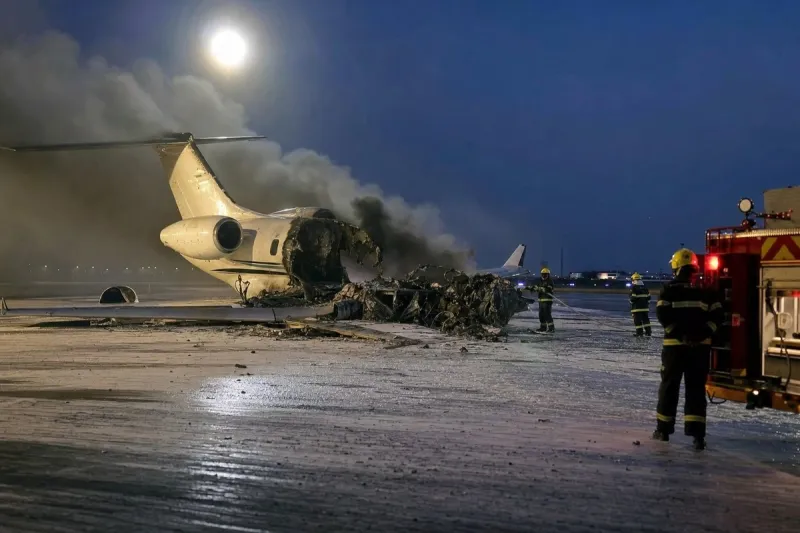
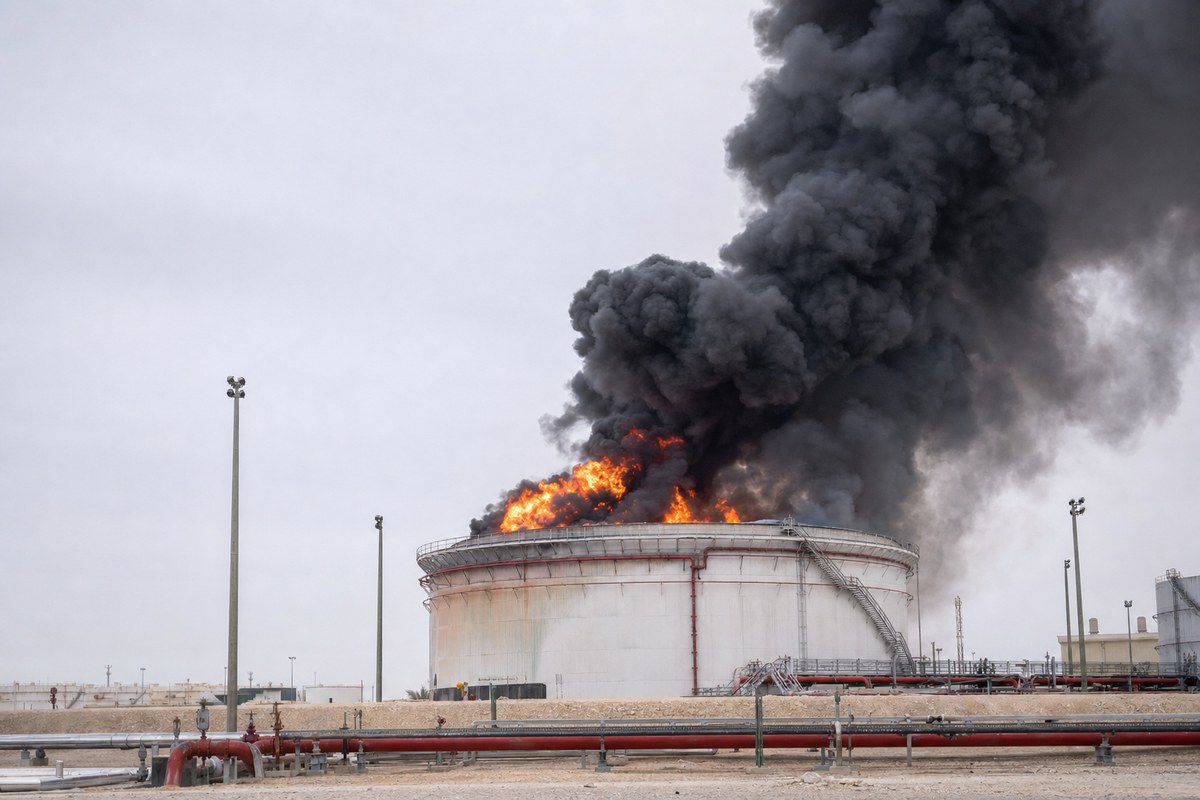
Authorities in the UAE urged residents on September 19 to follow safety instructions and avoid gathering or filming near affected areas, issuing what officials described as the first alert of its kind since fighting in Yemen intensified this month. A fire at an Aramco fuel tank near Riyadh's King Khalid International Airport caused widespread flight delays and cancellations throughout the day, according to flight tracking site FlightRadar24, and Saudi authorities said the incident was under investigation. The UN Security Council condemned Houthi attacks on Saudi civilian and energy infrastructure, demanded an immediate halt to the escalation, and reaffirmed its commitment to Yemen's sovereignty and territorial integrity. The Houthis said Saudi forces had carried out 26 strikes on their positions in the previous 24 hours.
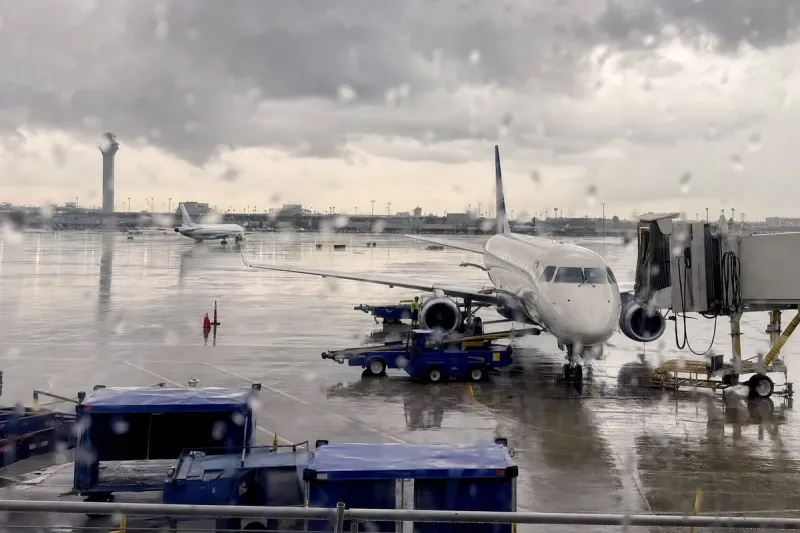
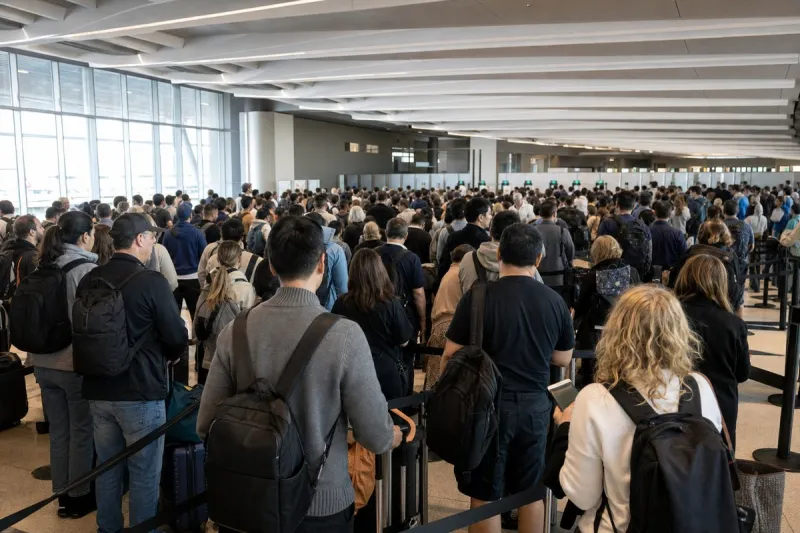
In Syria, the defence ministry held a funeral for 11 soldiers killed in an explosion at a military site in Deir Ezzor province, an incident still under investigation. Iran's Interior Ministry acknowledged growing public concern over record-high inflation, with officials saying repairing homes, public facilities and infrastructure damaged in the recent conflict remained the government's top priority. Iran also said it struck a Togo-flagged oil tanker in the Strait of Hormuz, describing the vessel's transit as unauthorised, while a separate tanker was struck by an unknown projectile. Flight disruptions in the UAE were also reported on September 19, with airport and airline sources noting a mix of causes, some potentially linked to the regional situation and others operational or technical.
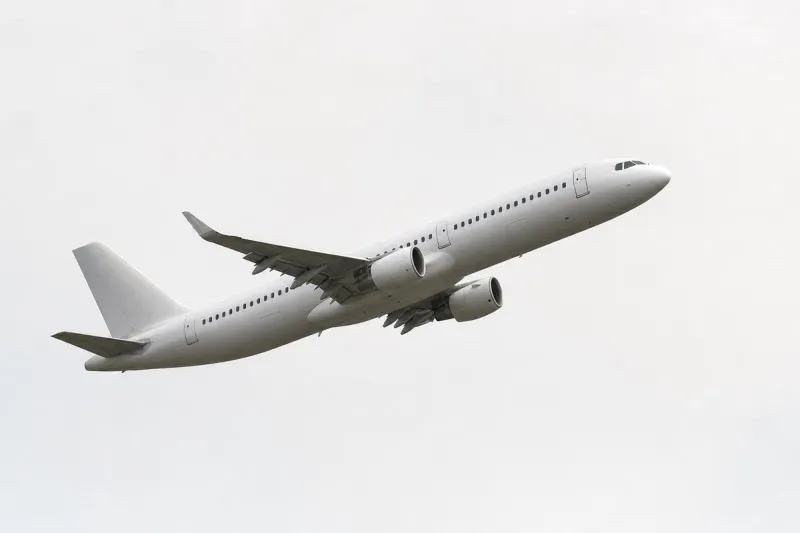
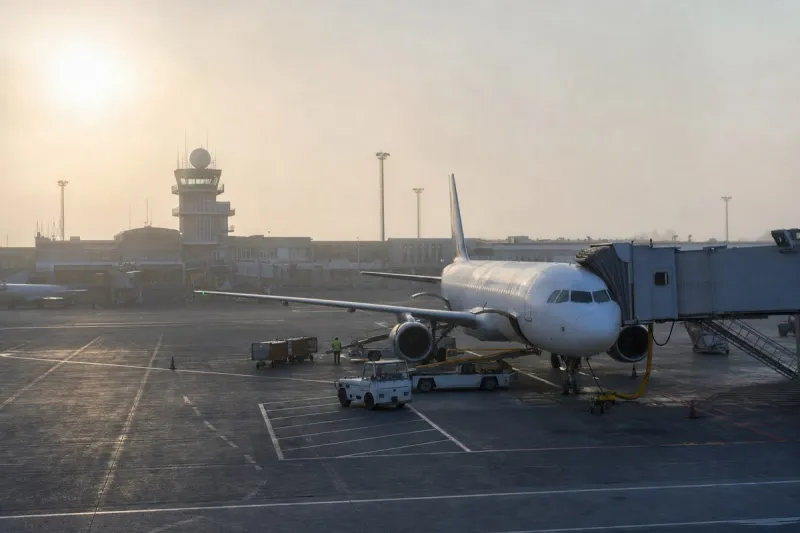
Among international carriers, British Airways has opened Dubai bookings from November 4, starting with one daily flight before increasing to two in summer, while Abu Dhabi services are not expected to resume until winter 2027–2028. Air France Dubai flights remain suspended through October 13. Wizz Air is preparing to resume Dubai flights from October 25 and Abu Dhabi from October 27, with 12 routes and 49 weekly flights planned across Dubai, Abu Dhabi, Jeddah and Amman. Air Astana will resume Dubai flights from Almaty on October 1 and from Astana on October 2. The UK lifted its blanket warning against all but essential travel to the UAE but continues to flag unpredictable regional tensions and possible flight cancellations. The United States maintains the UAE at Level 3, Reconsider Travel, citing terrorism, armed conflict and significant commercial flight disruption, with Saudi Arabia at the same level. Australia's Smartraveller advisory recommends travellers reconsider their need to visit the UAE, and Canada is advising a high degree of caution for the UAE, Bahrain, Kuwait and Qatar.
Carrier return timelines
The carrier-by-carrier detail shows recovery proceeding at different speeds and on different conditions. British Airways is staging its Dubai return with a single daily flight before adding a second next summer, while holding its Abu Dhabi restart back to winter 2027–2028, a multi-year gap between the two UAE gateways. Wizz Air's plan is broader in scope, covering Dubai, Abu Dhabi, Jeddah and Amman with 12 routes and 49 weekly flights once its October restart dates arrive. Air France's suspension, by contrast, remains fixed through October 13 with no resumption date yet given, and Air Astana is phasing its Almaty and Astana routes back in from October 1 and 2 respectively.
Industry impact & what to watch
This case shows how a regional security event, an infrastructure fire, and a patchwork of national travel advisories can compound within a single reporting day to shape flight availability without any single cause dominating. Airline schedules in the Gulf are being rebuilt incrementally rather than restored in one step, with capacity phased in route by route and market by market as individual carriers assess risk on their own timeline rather than waiting for a uniform signal.
Travel advisory divergence compounds the picture: the UK has eased its blanket warning while the US, Australia and Canada maintain elevated caution levels, meaning demand and booking behaviour will vary by passenger nationality even as more capacity comes online. The next markers to watch are the outcomes of the Aramco fire and Deir Ezzor investigations, whether Wizz Air, Air Astana and British Airways hold their stated October and November restart dates, and whether any advisory body moves its UAE or Saudi Arabia risk level in response to further incidents.