Havana Airport Confirms Normal Operations Amid Runway Repairs and Broader Jet Fuel Crisis
Why It MattersA single confirmed nationwide jet fuel shortage can force airlines to cut Cuba capacity for months, showing how fuel access, not runway maintenance, now sets the country's real operating limits.
What happened
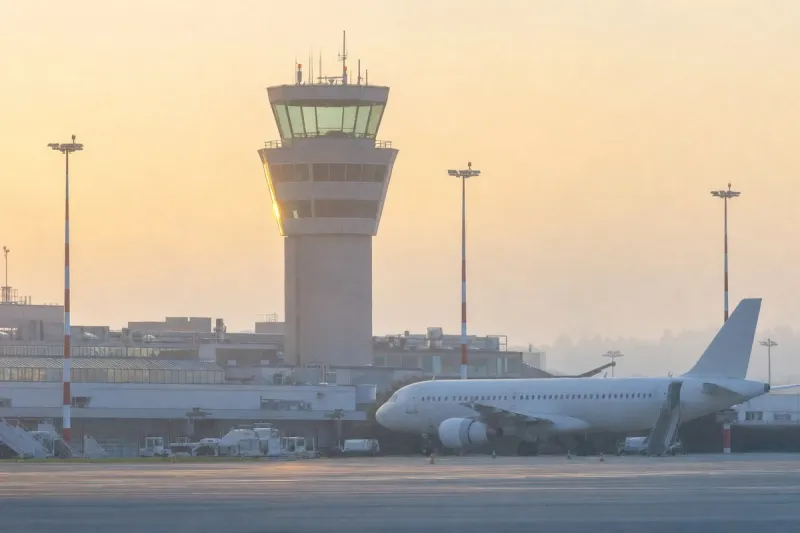
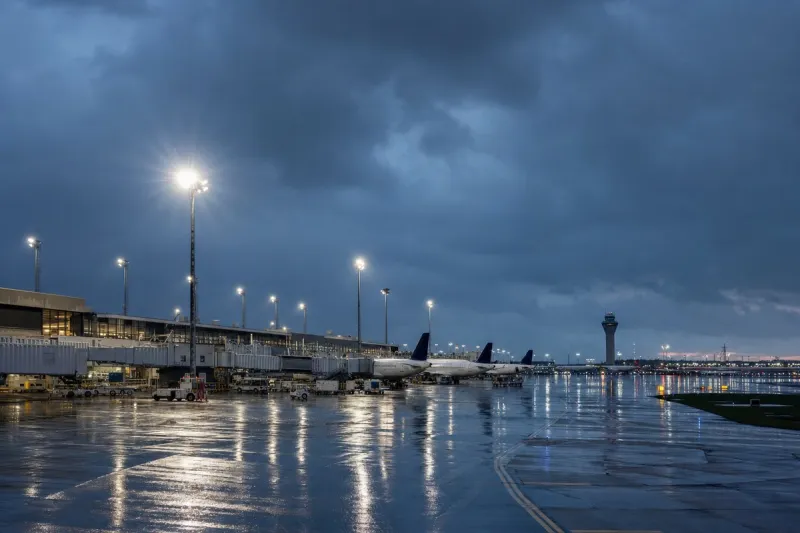
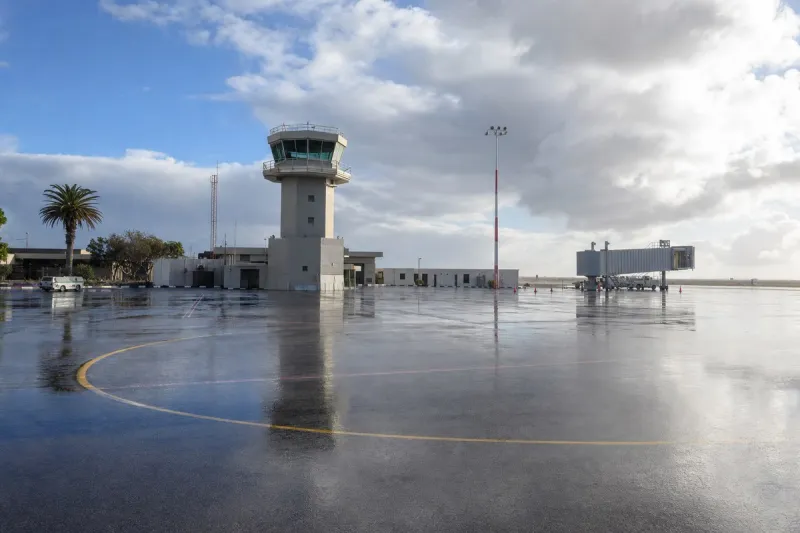
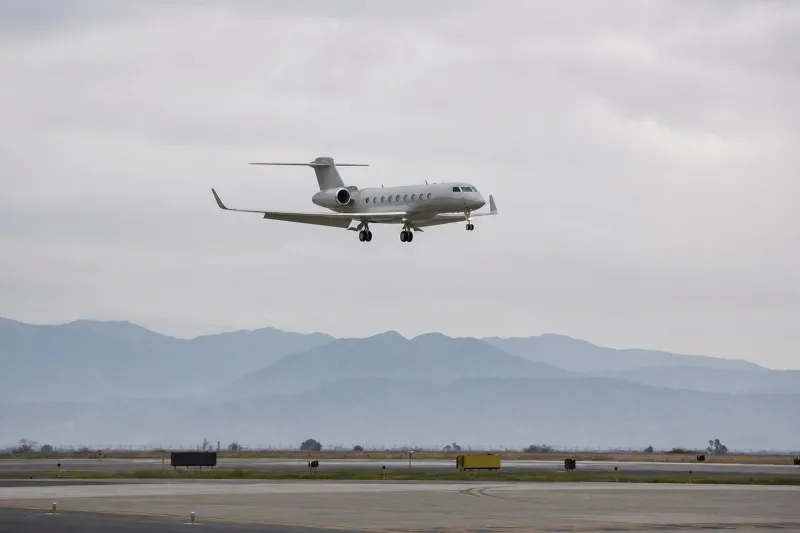
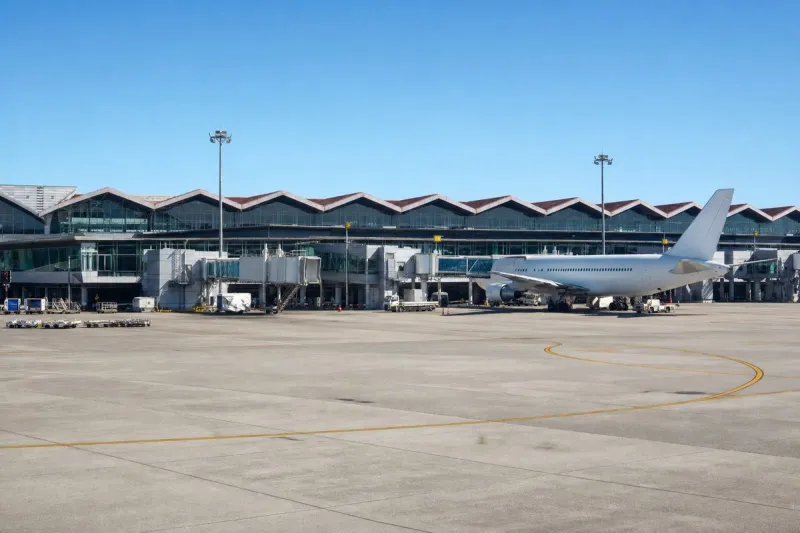
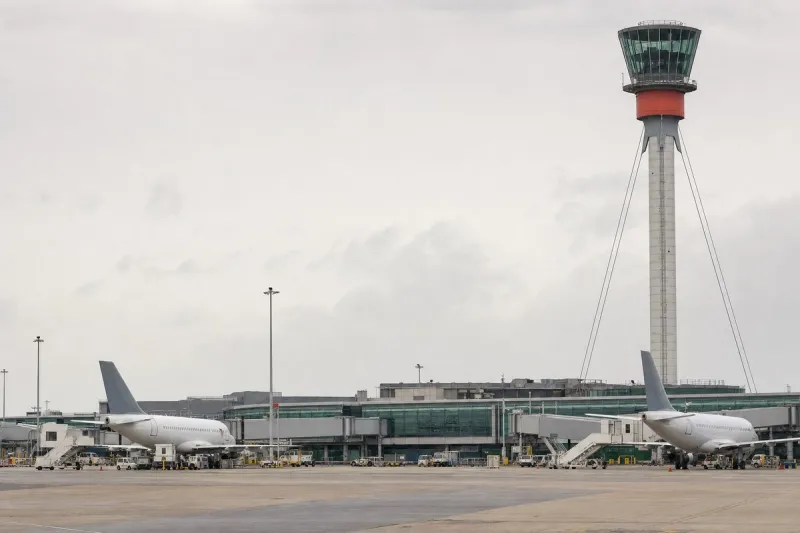
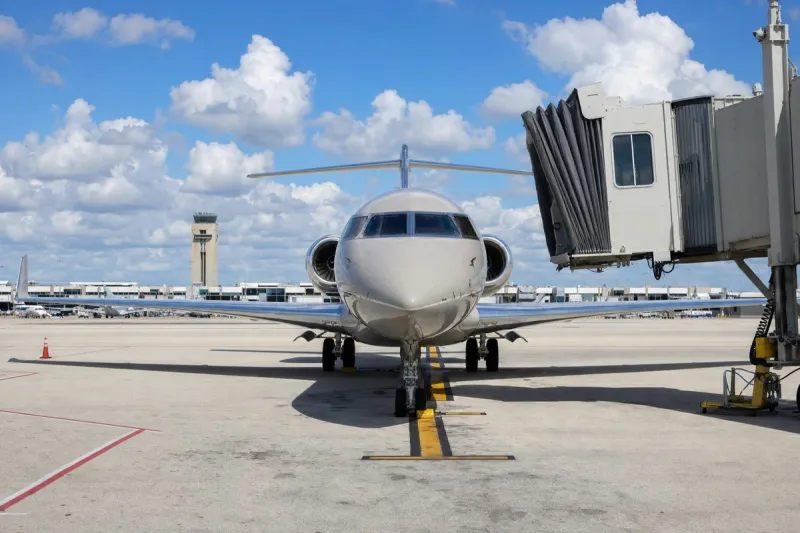
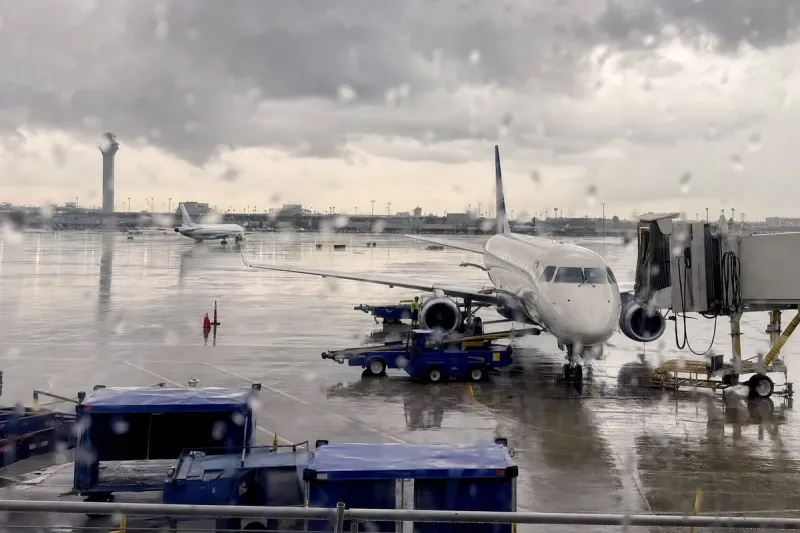
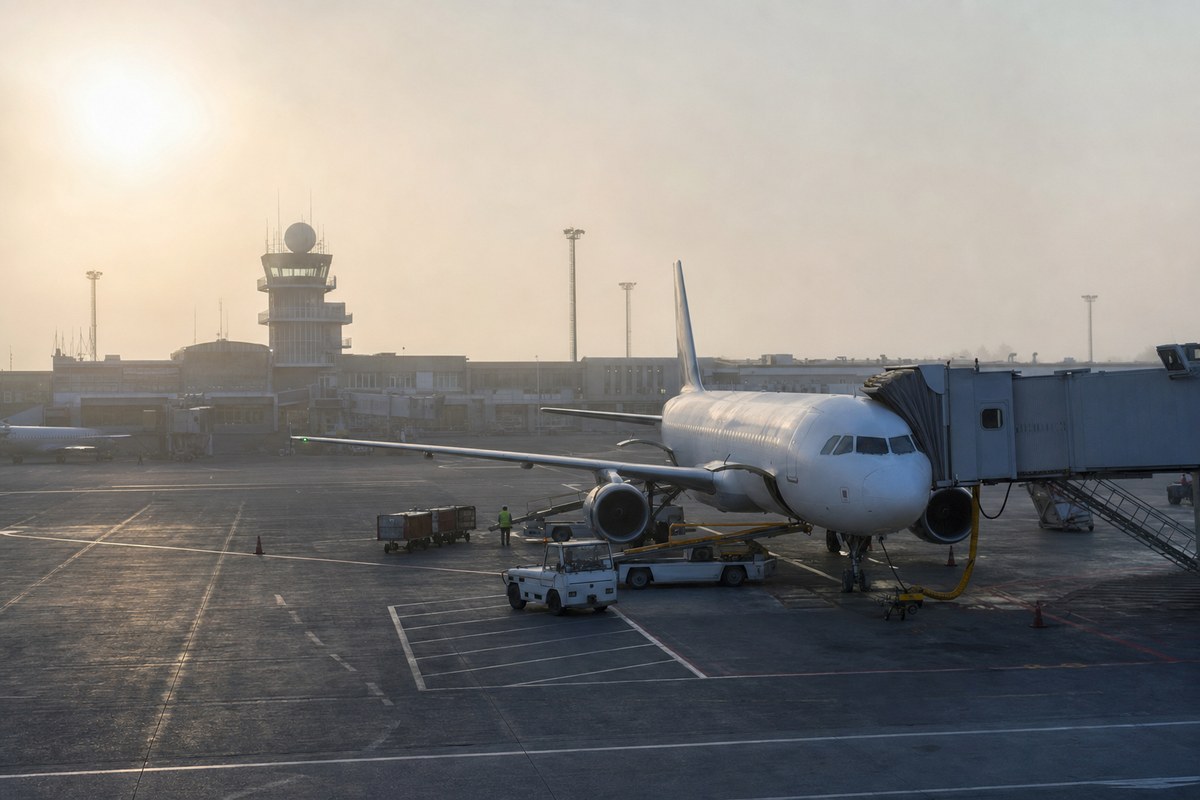
José Martí International Airport (AIJM) in Havana said in a statement on its official Facebook page that it is operating normally, pushing back against concern generated by a series of NOTAMs. "Recent publications in different sites have caused uncertainty among passengers with booked flights. We confidently reaffirm that our airport is operating normally," the airport said, adding that aircraft arrivals and departures and baggage and cargo handling are proceeding as usual.
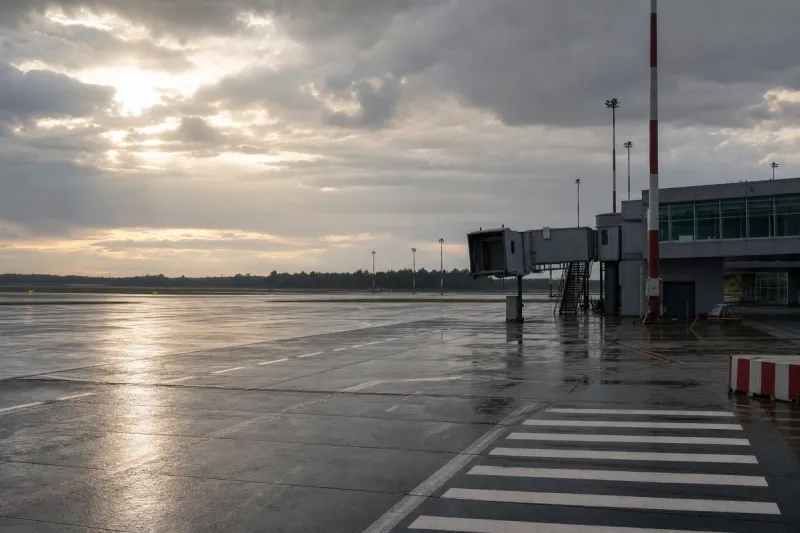
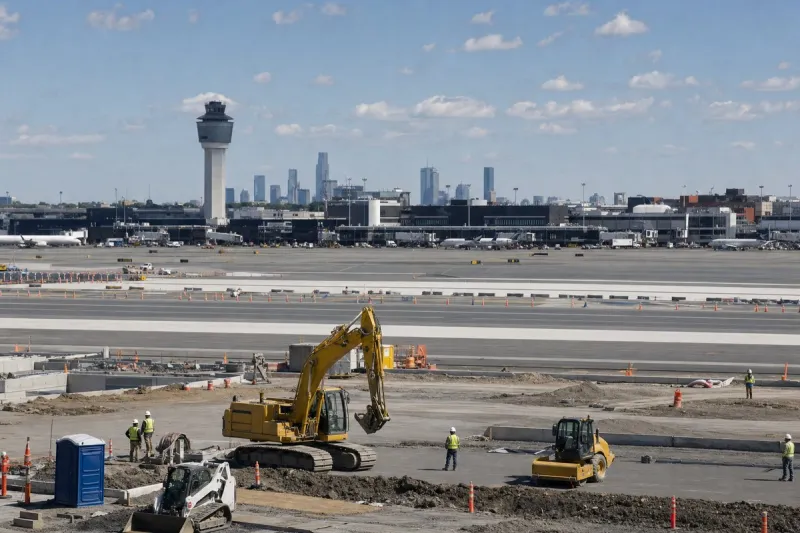
The notices in question include NOTAM A3277/26, which announced a temporary aerodrome closure from 11:00 PM on September 21 to 6:40 AM on September 22, just over seven hours, to allow work involving personnel and equipment. Earlier NOTAMs from the Cuban Air Navigation Company (ECNA) had ordered the threshold on runway 06 displaced by approximately 1,340 metres due to personnel and machinery on site, closed taxiway A between taxiway C and runway 06, and temporarily affected both the ILS glide path and the visual approach slope indicator (PAPI) system. The airport described the work as routine, saying: "As part of our commitment to continuous improvement and operational safety, various repair and maintenance works are currently underway on the runway and taxiways of the AIJM aerodrome."
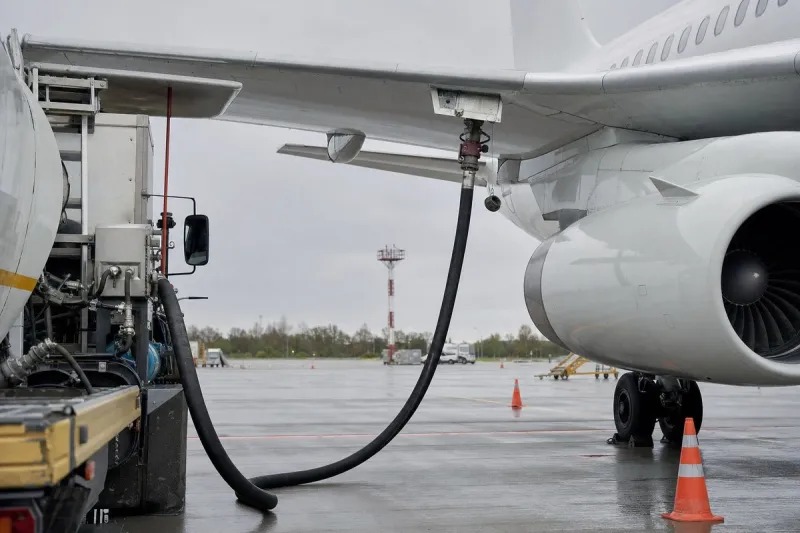
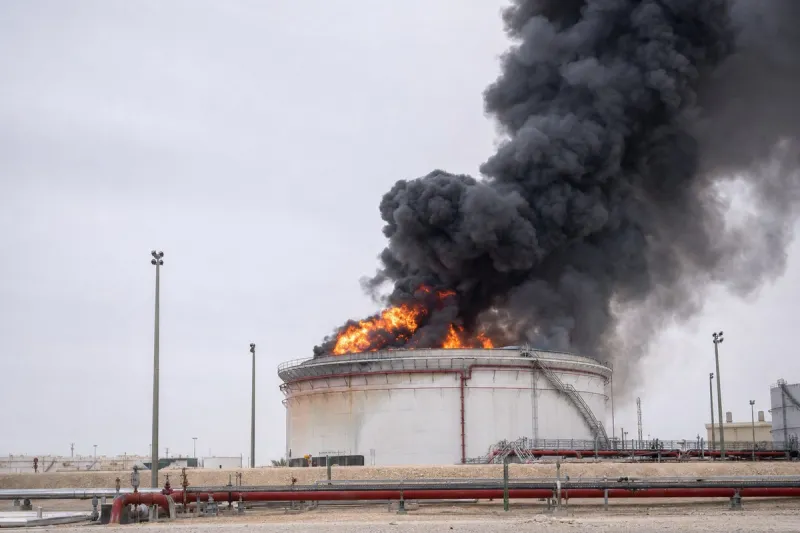
Separately, ECNA NOTAMs A3054 to A3063/26 declare the absence of Jet A-1 fuel at all ten of Cuba's international airports through October 1, 2026, a shortage that has persisted since February 2026 and is attributed to disrupted Venezuelan oil supplies and heightened U.S. sanctions. More than eleven airlines have suspended or reduced flights to Cuba this year, with over 1,700 cancellations recorded in April alone, and Iberia does not expect to resume its direct Madrid–Havana route until June.
Industry impact & what to watch
Runway maintenance notices are routine at any airport handling international traffic, and AIJM's rebuttal shows how quickly a NOTAM describing a threshold shift or a short overnight closure can be read by the public as evidence of a wider breakdown, especially when a country is already under sustained aviation stress. Airports in that position have an incentive to respond publicly and specifically, distinguishing a scheduled runway closure from a structural problem, precisely because the two get conflated once passengers start cancelling or rebooking.
The fuel shortage is the structural problem, and it operates on a different mechanism entirely: airlines do not reduce Cuba service because a runway is closed for seven hours, they reduce it because there is no Jet A-1 to uplift for the return leg, which forces tankering, schedule changes or outright suspension. Ten airports affected simultaneously, a shortage running since February 2026 with no end before October 1, 2026, and over eleven airlines already cutting capacity indicate that route planning into Cuba is now being set by fuel logistics tied to Venezuelan supply and U.S. sanctions rather than by airport infrastructure.
What settles next is whether the fuel supply improves before the October 1, 2026 NOTAM expiry, and whether carriers like Iberia hold to their stated resumption timing or push it further; either would be the clearer signal of where Cuban air access is actually headed, separate from any runway repair schedule.