FAA Issues Two Airworthiness Directives: Pilatus PC-24 Windshield Heat Relay and MD Helicopters 369/500/600 Series Torque Tube Inspection
Why It MattersAirworthiness directive scopes tend to widen as fleet-wide fault patterns emerge, requiring operators across multiple aircraft variants to fold new inspection or replacement burdens into maintenance schedules on regulator timelines.
What happened
The FAA issued two airworthiness directives published in the Federal Register on September 15, 2026. The first, designated 2026-17-11, applies to Pilatus Aircraft Ltd. Model PC-24 airplanes and takes effect October 20, 2026.
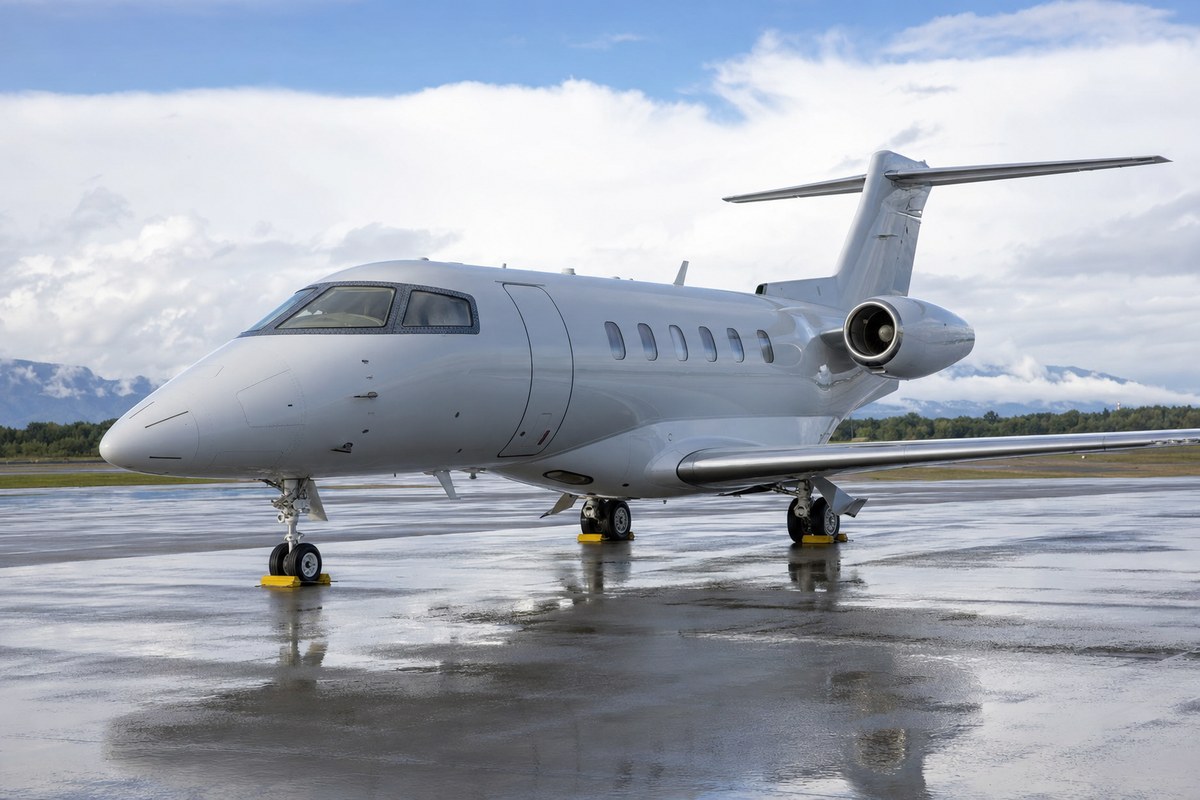
That directive was prompted by a report that a solid-state relay in the left-hand windshield heating system may allow reverse current flow when in the OFF position. The FAA determined this could cause failure of the emergency windshield heat function and result in loss of outside visibility. The AD requires operators to comply with actions specified in European Union Aviation Safety Agency (EASA) AD 2026-0008, dated January 15, 2026, with certain exceptions.
The second directive supersedes the earlier AD 2024-23-06 and expands its scope. That earlier AD was prompted by a report of a seized and damaged roller bearing assembly in the torque tube assembly of an MD Helicopters, LLC Model 369E helicopter, and required repetitive inspections of the torque tube assembly and roller bearings, with parts replacement or additional inspections depending on results. The new AD continues those requirements and expands applicability to cover all MD Helicopters, LLC Model 369, 369A, 369D, 369E, 369F, 369FF, 369H, 369HE, 369HM, 369HS, 500N, and 600N helicopters.
Industry impact & what to watch
Both directives follow a familiar arc for airworthiness rulemaking: a single reported failure, whether an electrical fault or a damaged mechanical component, triggers a narrow directive, and subsequent findings push the FAA to widen either the compliance basis or the fleet covered. The PC-24 case shows how a US directive can lean on a foreign authority's prior work, here incorporating the EASA AD from January 2026 with exceptions rather than duplicating the technical analysis.
The MD Helicopters case shows the opposite direction of change: a directive originally scoped to one variant, the 369E, now reaches twelve model designations after the underlying roller bearing and torque tube concern was judged to apply more broadly. For operators of these fleets, the practical question is less about the underlying fault and more about how repetitive inspection intervals and any parts-replacement thresholds get folded into existing maintenance programs before the compliance dates.
What remains to be seen is whether either directive triggers further amendments if additional reports surface once the wider fleet begins compliance inspections.