Bipartisan Runway SAFE-T Act Advances Through Senate Commerce Committee
Why It MattersThe bill shows airport runway safety upgrades increasingly hinge on redirecting existing FAA discretionary funding and task-force recommendations rather than new dedicated appropriations.
What happened
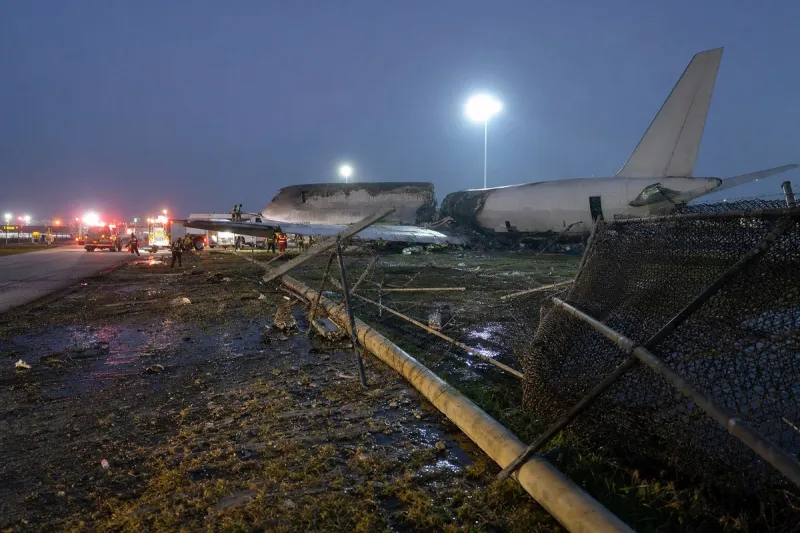
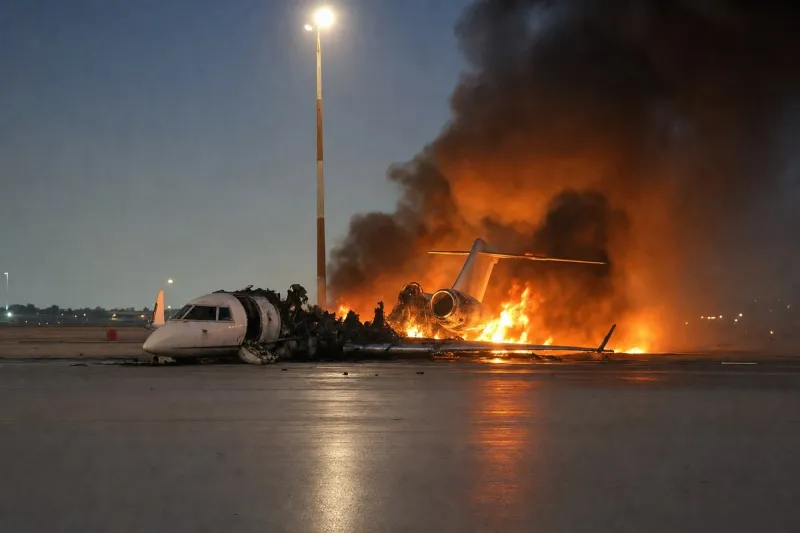
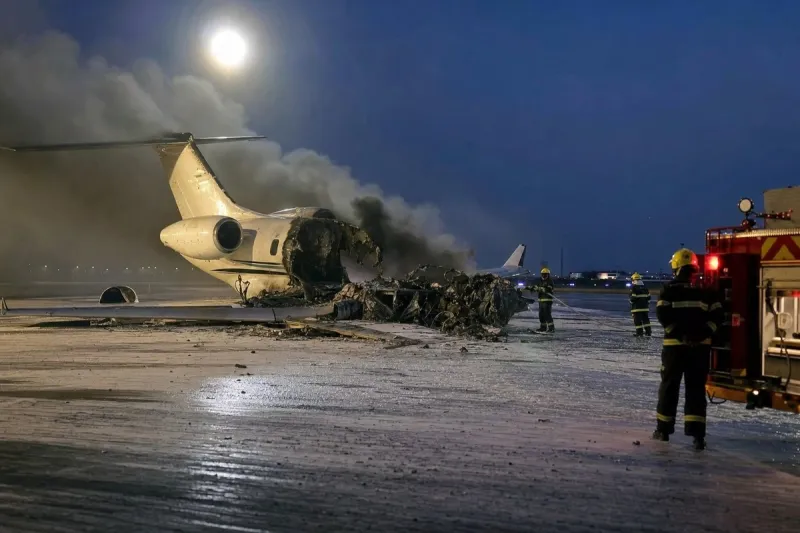
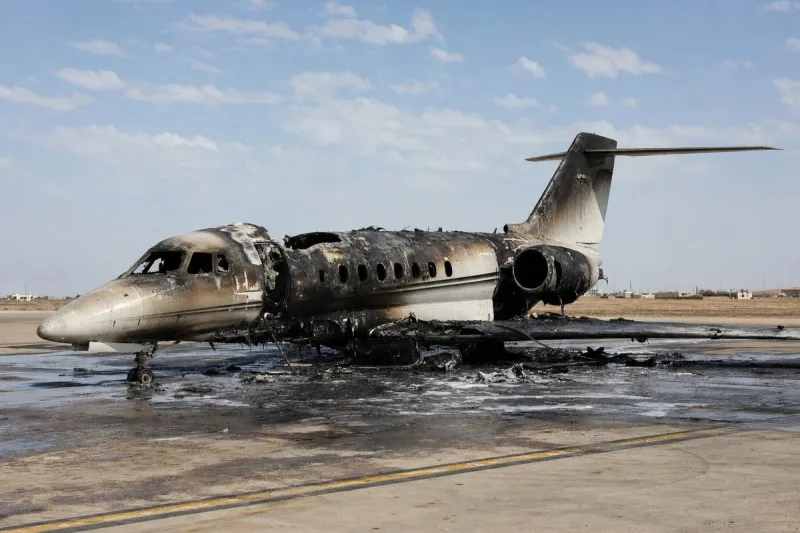
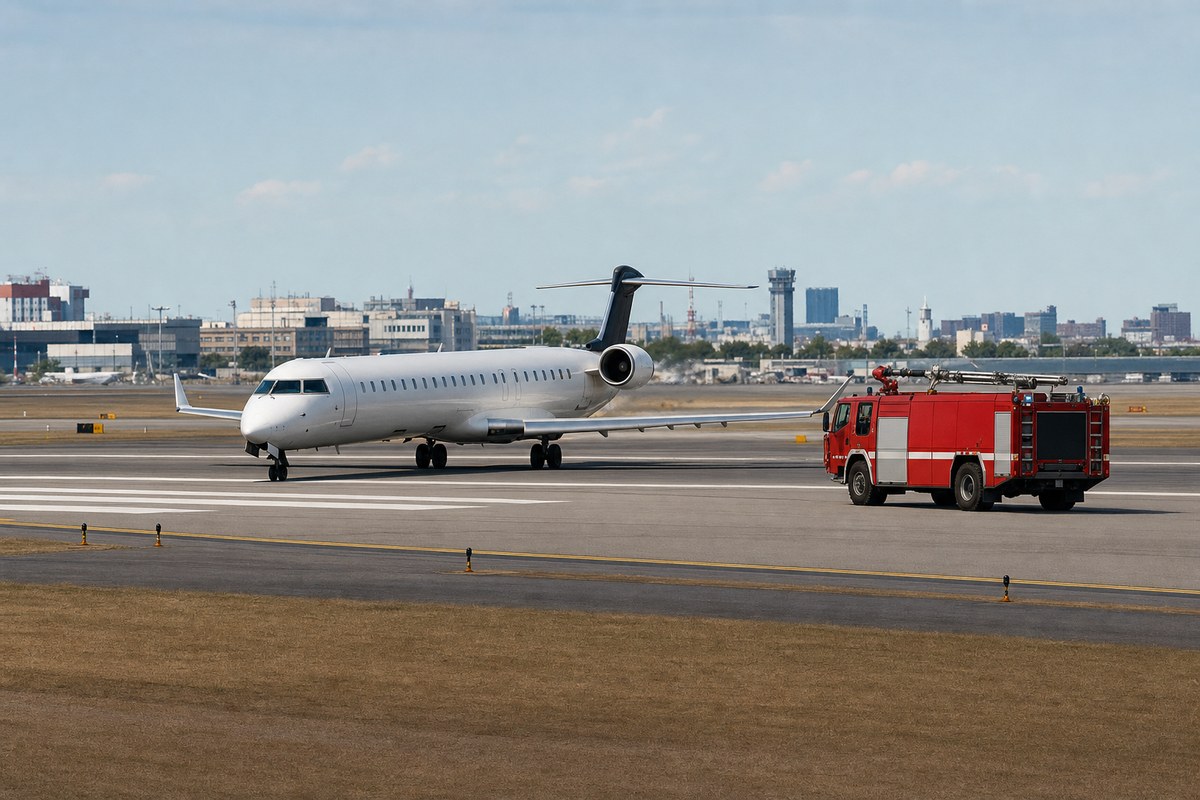
Senator Jerry Moran announced Wednesday on X that the Runway Surface Awareness and Focused, Effective Training and Technology (Runway SAFE-T) Act had cleared the Senate Commerce Committee and was headed to a full Senate floor vote. Moran introduced the bill alongside Senator John Hickenlooper (D-Colo.) in August, several months after an Air Canada Bombardier CRJ-900 collided with a fire truck while landing at LaGuardia Airport (KLGA), killing two pilots and injuring dozens of others.
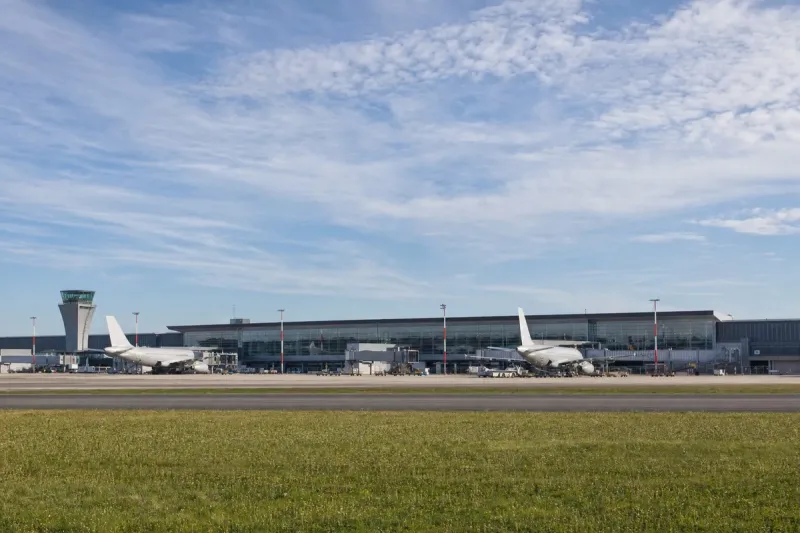
The legislation aims to reduce runway incursions by improving training for airport ground vehicle operators and expanding use of surface safety technology. It would establish an FAA-led task force, including representatives from airports, the FAA, the National Transportation Safety Board, emergency response organizations, and airport vehicle operators, to review airport driver training programs and recommend best practices. The bill would also allow airports to draw from existing FAA Airport Safety and Resilient Infrastructure Discretionary Program (ASRID) funding to deploy new technologies and training programs aimed at reducing vehicle-related runway incursions.
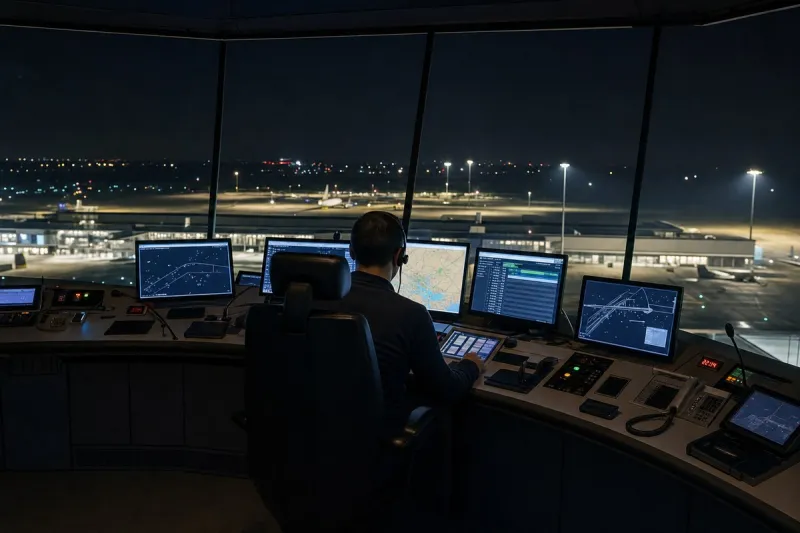
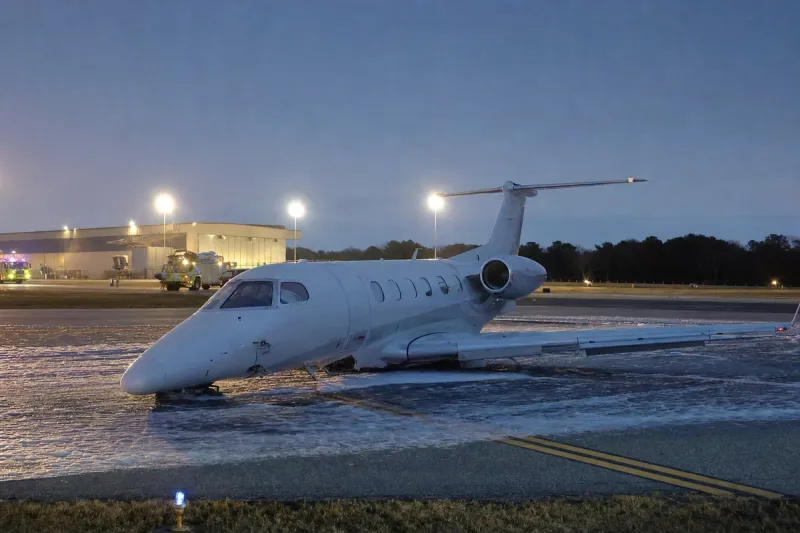
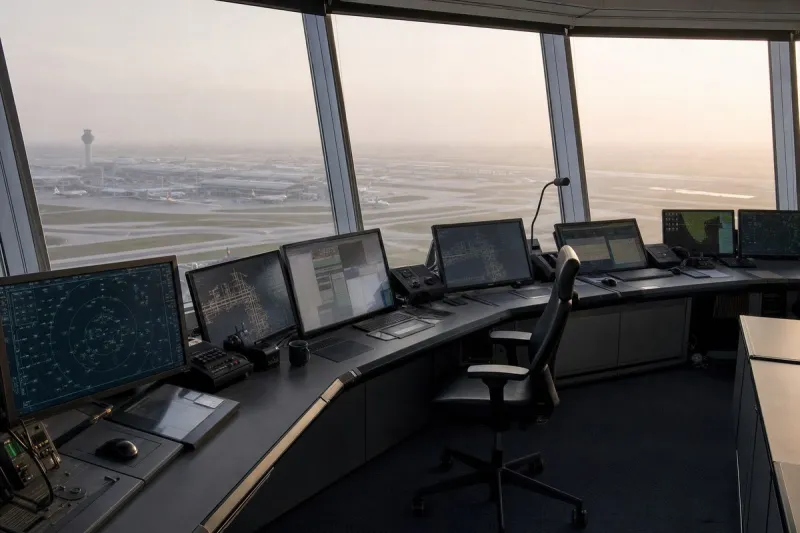
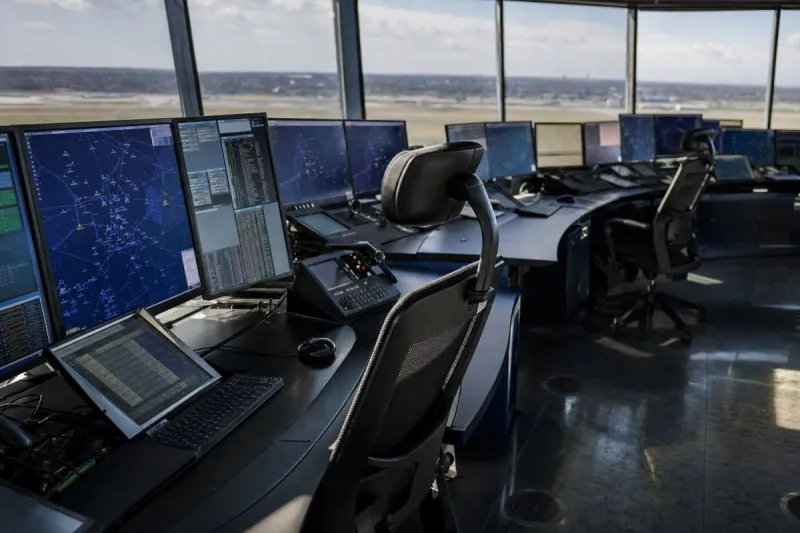
The LaGuardia collision prompted scrutiny of the absence of transponders on emergency vehicles at the airport, including the fire truck that entered the runway as the Air Canada jet was landing; a transponder could have enabled LaGuardia's ASDE-X surface detection system to automatically alert controllers to the impending collision. Approximately 200 U.S. airports currently lack any surface monitoring capability, according to a March publication from the Congressional Research Service (CRS). Other recent incidents cited as driving momentum include a June rejected takeoff by an American Airlines Airbus A319 at Miami International (KMIA) after an Embraer Phenom 300 entered the same runway without clearance, and a January aborted takeoff by a Southwest Airlines Boeing 737 at San Antonio International (KSAT) after a Pilatus PC-12 made a wrong turn onto the runway.
According to the CRS, total runway incursions in the United States have held at roughly 1,700 annually since 2022, though the FAA Safety Team reported in August that severe runway incursions jumped 44 percent in 2025. The FAA's Runway Incursion Mitigation (RIM) Program has flagged more than 150 airports with surface operation "hot spots." The American Association of Airport Executives (AAAE) posted its support for the bill on Wednesday, calling it "a commonsense measure that will advance aviation safety by strengthening training for personnel operating on runways and taxiways."
Industry impact & what to watch
This bill belongs to a category of safety legislation triggered by a specific fatal accident but built around a broader, pre-existing gap identified by data — in this case the roughly 1,700 annual runway incursions the CRS has tracked since 2022 and the 200 airports without surface monitoring. Ground vehicle transponder coverage and driver training standards vary widely across U.S. airports, and funding for surface detection upgrades has historically competed with other infrastructure priorities rather than having a dedicated channel.
Routing new safety technology and training money through the existing ASRID discretionary program, instead of creating a new funding stream, reflects how airport safety upgrades typically get financed in the current budget environment: incrementally, through programs already authorized, with a task force tasked to define best practices before money moves. That structure means implementation speed will depend heavily on how quickly the FAA-led task force convenes and issues recommendations once the bill is signed, not just on passage itself.
The next marker is the full Senate floor vote, followed by whatever companion action the House takes. Separately, whether the FAA Safety Team's reported 44 percent jump in severe incursions for 2025 holds up as a durable trend, or proves to be a single-year spike, will shape how urgently airports move to close the transponder and monitoring gaps the CRS identified at those roughly 200 airports.