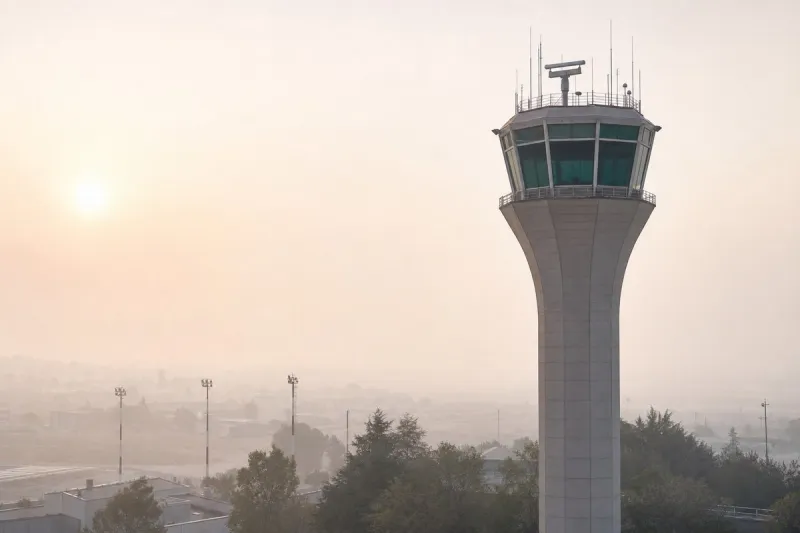
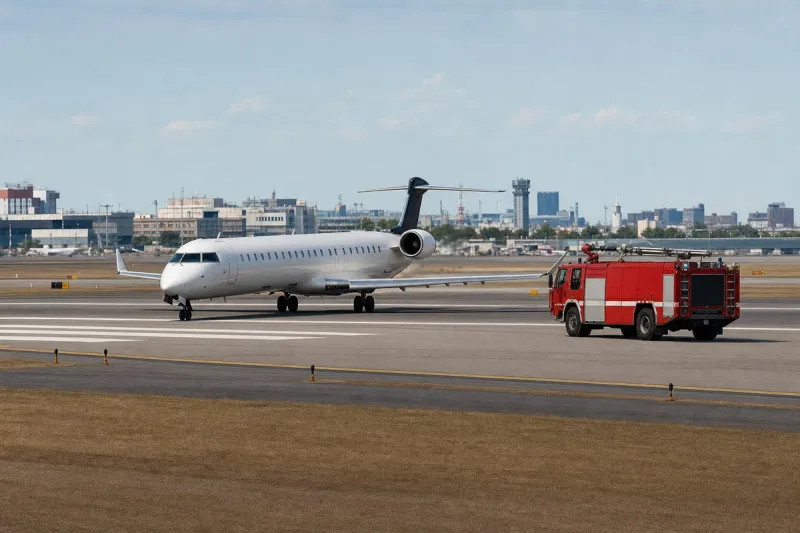
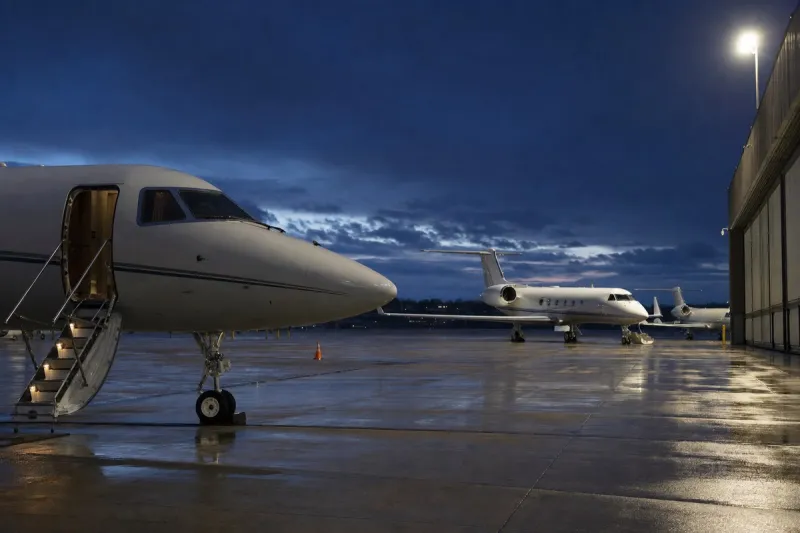
Skeyes air traffic controllers at Charleroi to strike nightly from Wednesday, dispute over night premiums
Why It MattersThe dispute shows how staffing and pay terms for a single control tower can threaten round-the-clock airport operations even when official hours are nominally closed.
What happened
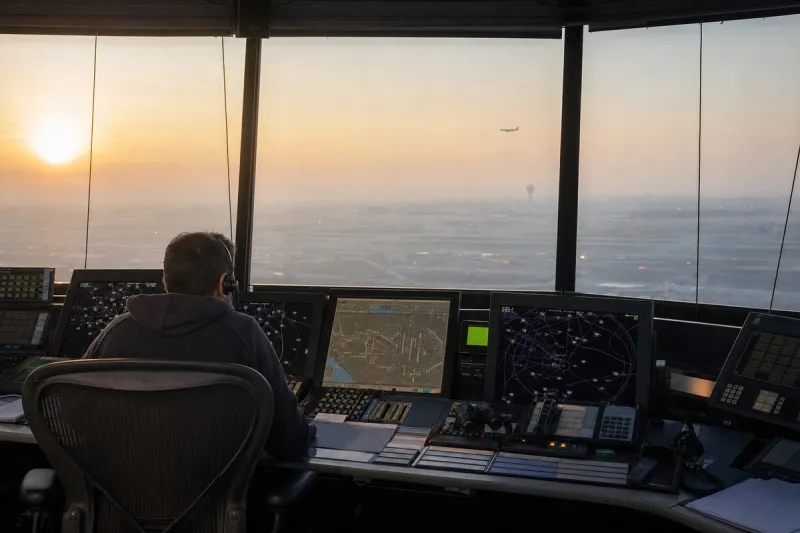
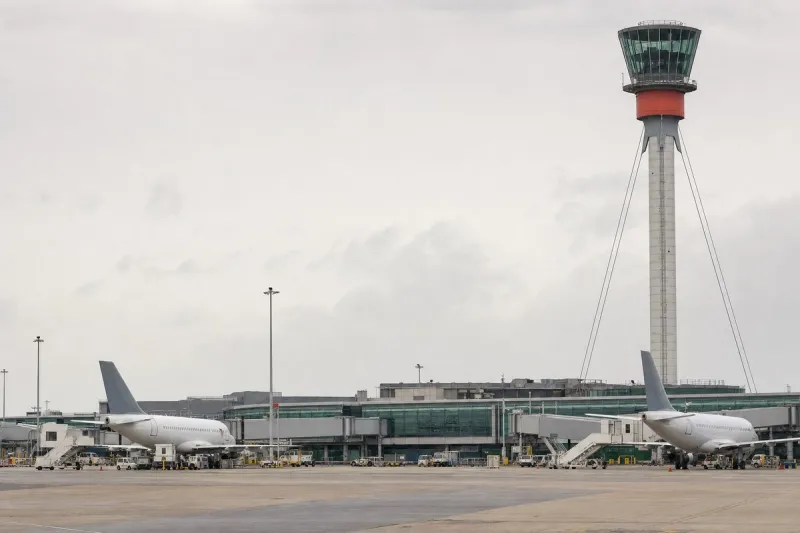
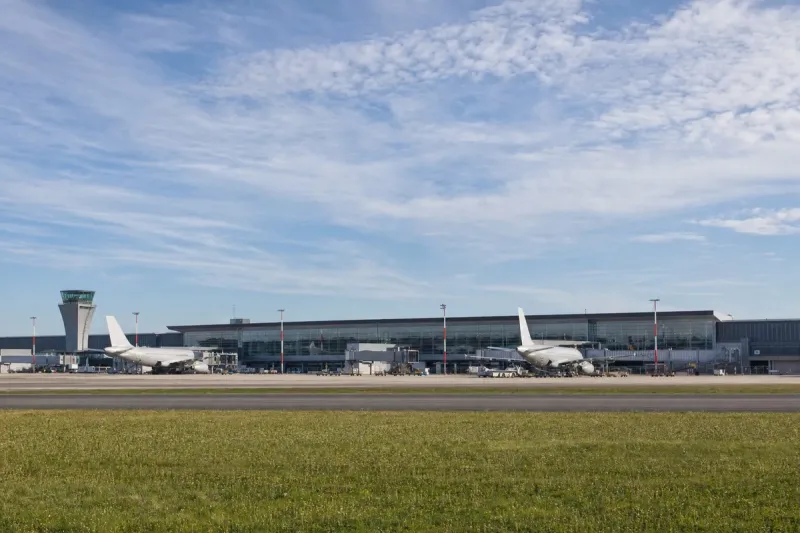
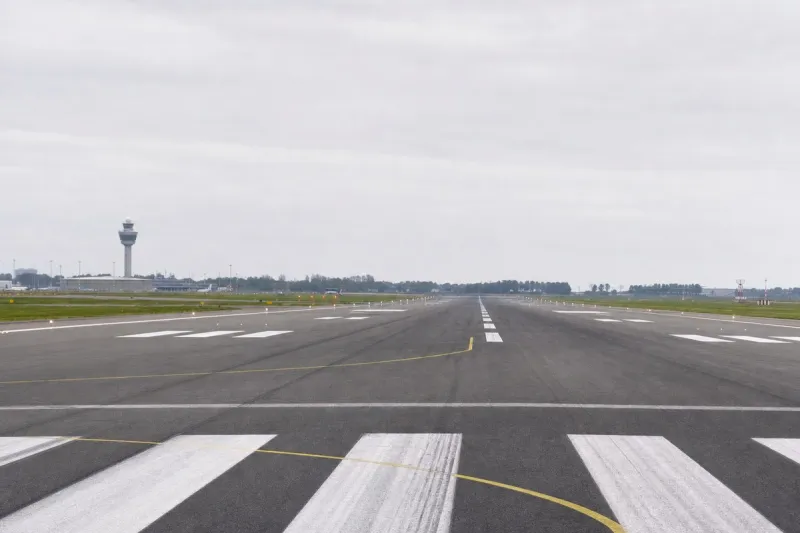
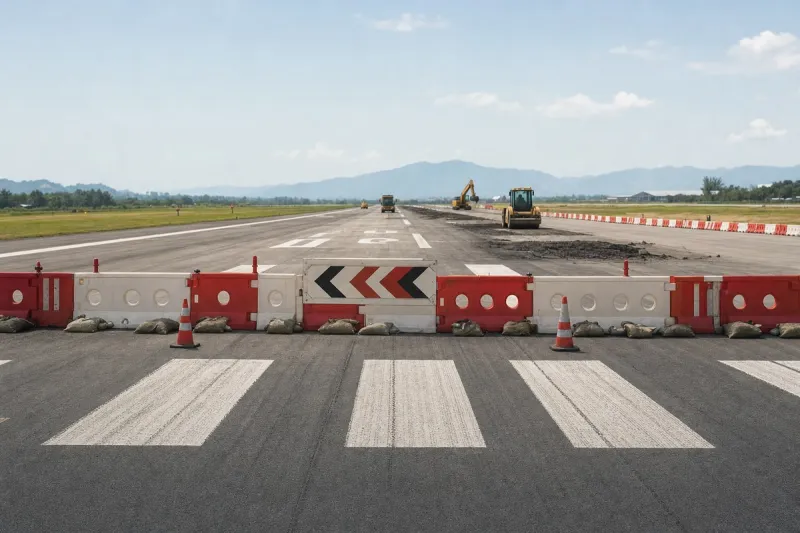
Air traffic controllers operated by Skeyes at Charleroi Airport will walk out during every night shift, from 10 pm to 8 am, beginning Wednesday evening, according to trade union representative Lennert Mervilde. The action could continue for up to 24 consecutive nights, potentially lasting until 10 October.
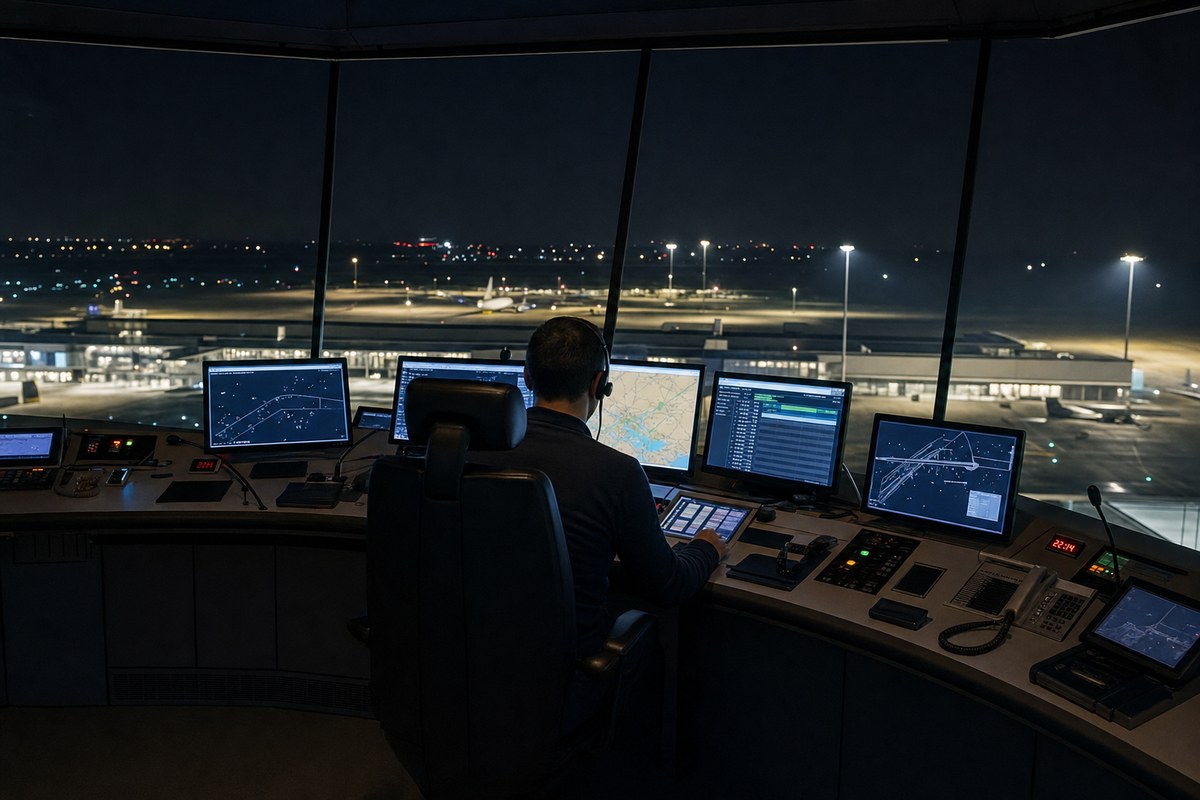
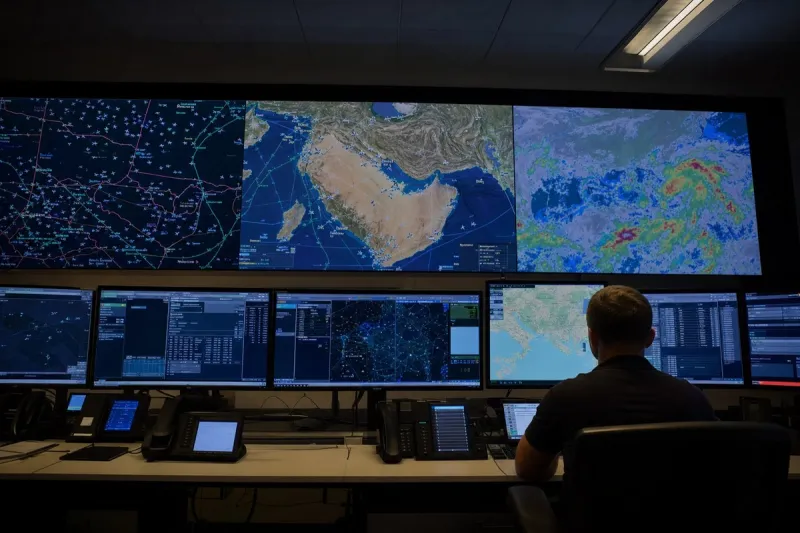
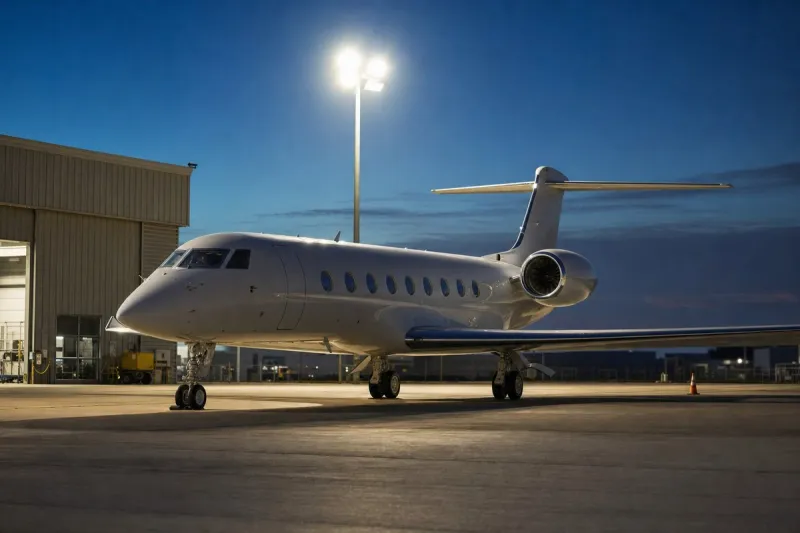
The strike follows the breakdown of negotiations over night-shift premiums. The underlying dispute centres on a planned transition to 'digital towers' — a new digital control centre to be built in Namur that will remotely manage air traffic for both Charleroi and Liège airports. Controllers at Charleroi are seeking a night premium set at 160 per cent of the current level, which management says already exceeds 1,000 euros per shift. "Skeyes cannot agree to this, given the airport's closure during the night," management stated. Mervilde countered that despite the airport's official nighttime closure, traffic still operates under an agreement between Charleroi Airport and Ryanair permitting stationed aircraft to arrive overnight — with the last arrival recorded at 5:20 am the previous week.
A strike notice had been filed at the end of July, but no action was taken at that time. Several reconciliation attempts subsequently failed, and management confirmed on Monday afternoon that negotiations had concluded without agreement. Management described the planned strike as disproportionate, warning that ten-hour nightly work stoppages over 24 consecutive nights "could have very significant consequences for the operation of Charleroi Airport, airlines, and their passengers, as well as for the many other businesses and workers dependent on airport activity." Mervilde acknowledged the potential disruption, particularly in the initial days, but said the strike was the only remaining option. "We are waiting for an initiative from management," he added.
How it unfolded
Strike could continue for up to 24 consecutive nights before ending.
Nightly strike action begins, running until 8 am each morning.
Management confirms negotiations have concluded without agreement.
Last overnight arrival recorded under the Charleroi–Ryanair stationed-aircraft agreement, cited by Mervilde as evidence night traffic continues.
Several reconciliation attempts between Skeyes and the union fail.
A strike notice is filed but no action is taken at that time.
Industry impact & what to watch
This dispute sits at the intersection of two pressures that keep recurring in European air traffic control: a labour dispute over premium pay, and a technology transition — here, the move to remotely managed digital towers — that reshapes what a shift is worth to the people staffing it. Charleroi's case is sharpened by a technicality: the airport is formally closed overnight, yet a commercial agreement with Ryanair keeps aircraft arriving into the small hours, leaving controllers arguing they are being asked to work real overnight traffic without a premium that reflects it.
Night and low-traffic-hour staffing at regional airports often runs on exactly this kind of patchwork — nominal closure hours paired with carve-outs for based aircraft or late arrivals — which is precisely where premium-pay disputes tend to surface, because neither side's baseline assumption (closed airport vs. real traffic) fully matches the schedule actually being flown. A ten-hour nightly stoppage repeated across 24 nights tests how much slack an airport, its main carrier and dependent ground businesses can absorb before a resolution becomes unavoidable.
What happens next depends on whether Skeyes returns to the table, as Mervilde has invited, or lets the strike run its course toward the 10 October horizon; either the premium terms move, the digital-tower timeline becomes part of the negotiation, or the disruption to Charleroi's overnight operations continues night after night.