Iran Air Traffic Control Strike Causes Multi-Hour Flight Delays; Full Airspace Closure Probability Rises to 24.5%
Why It MattersAirspace-closure risk is increasingly priced through market probability signals rather than official notices, leaving carriers and planners to track sentiment shifts ahead of confirmed regulatory action.
What happened
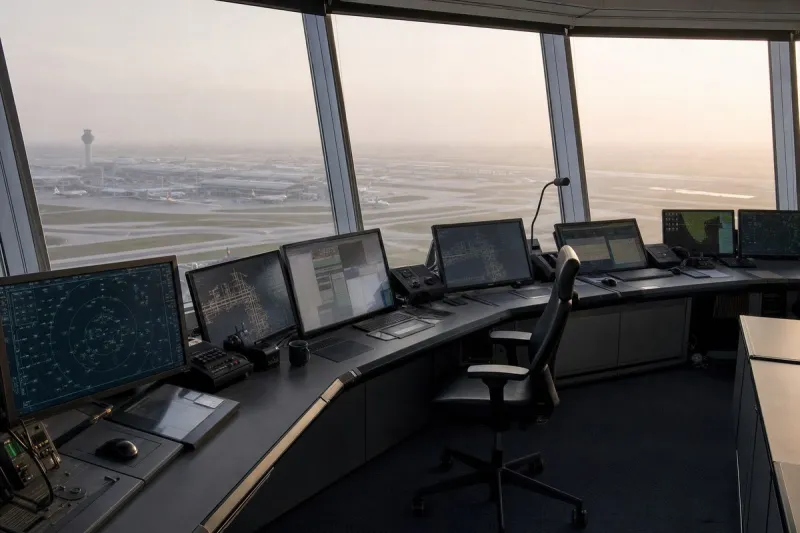
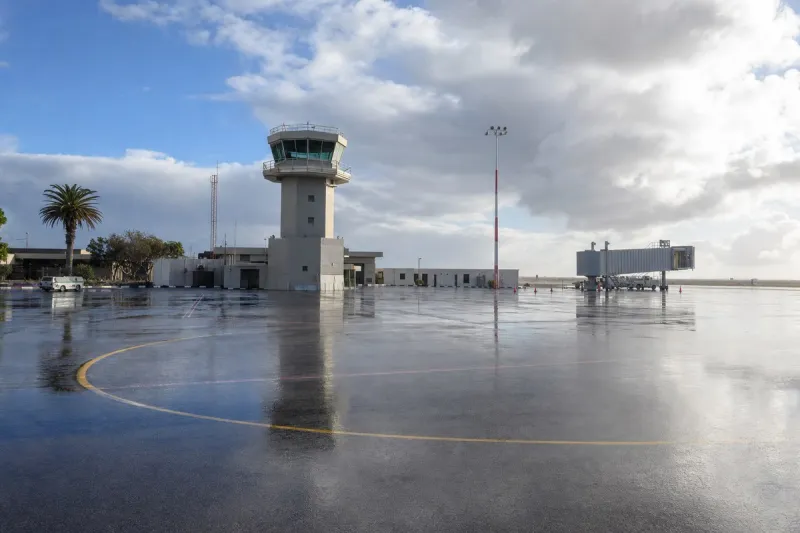
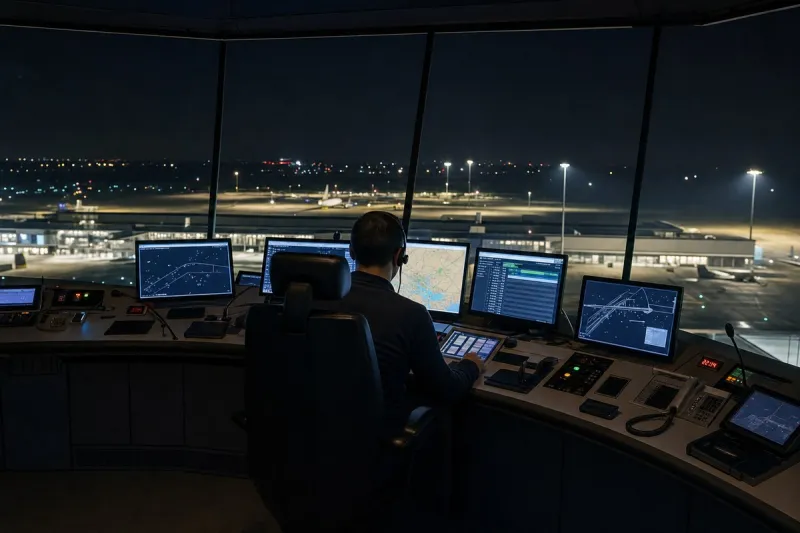
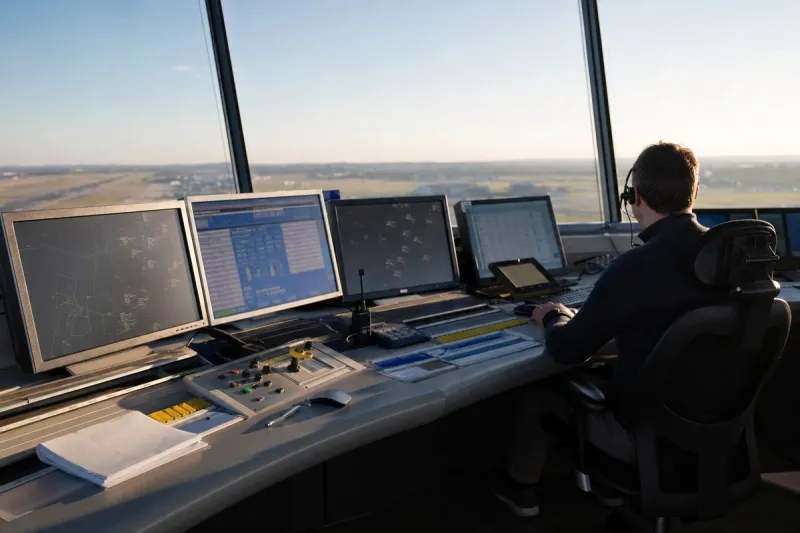
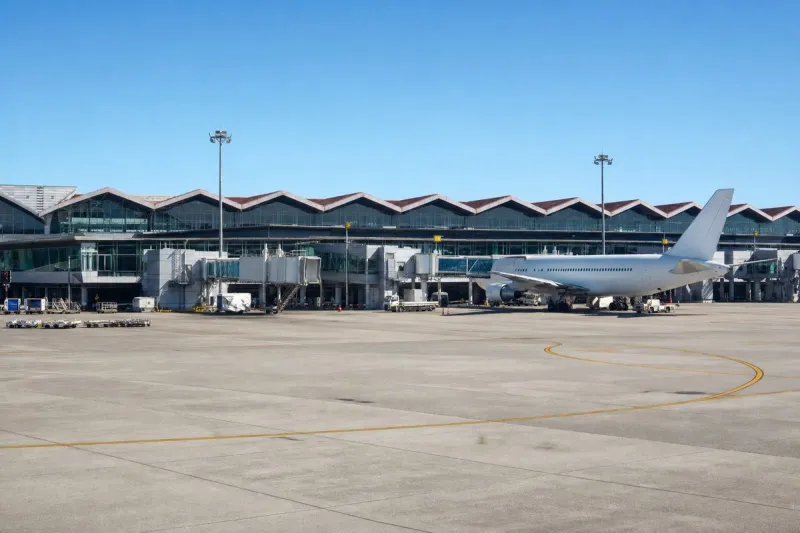
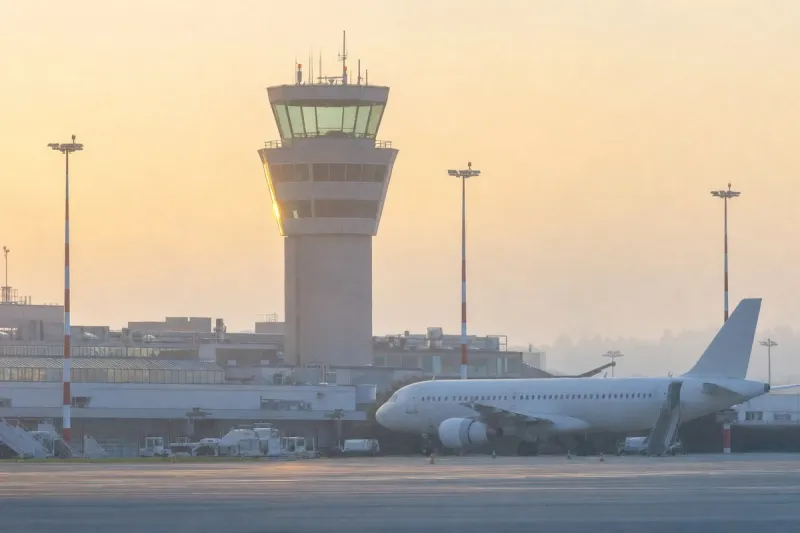
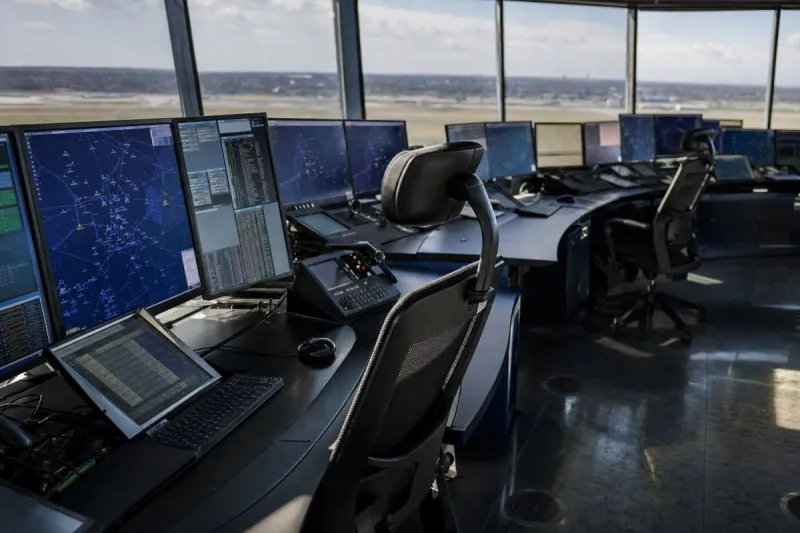
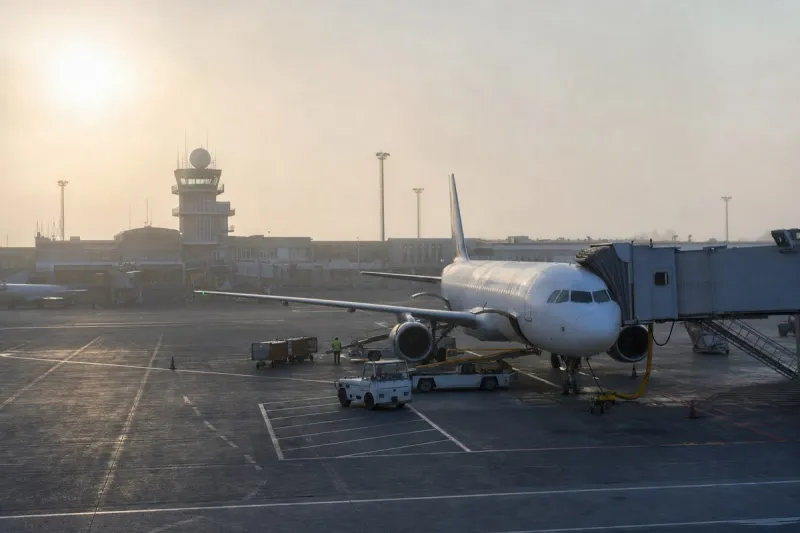
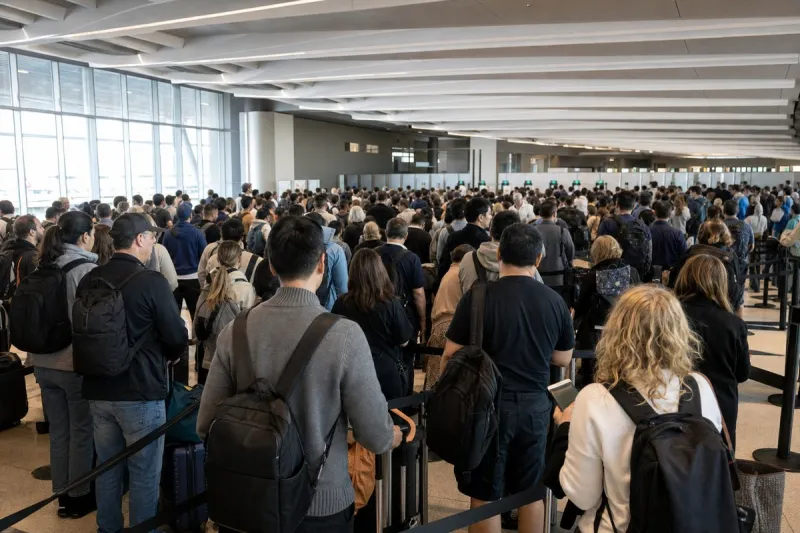
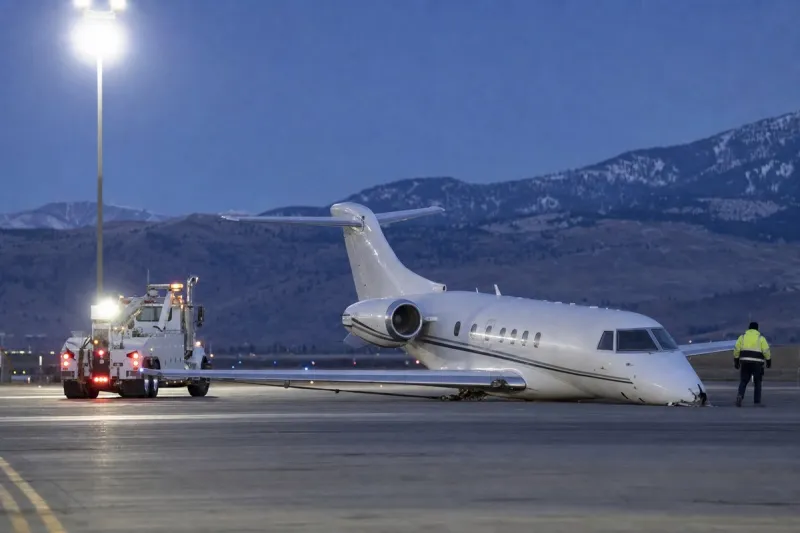
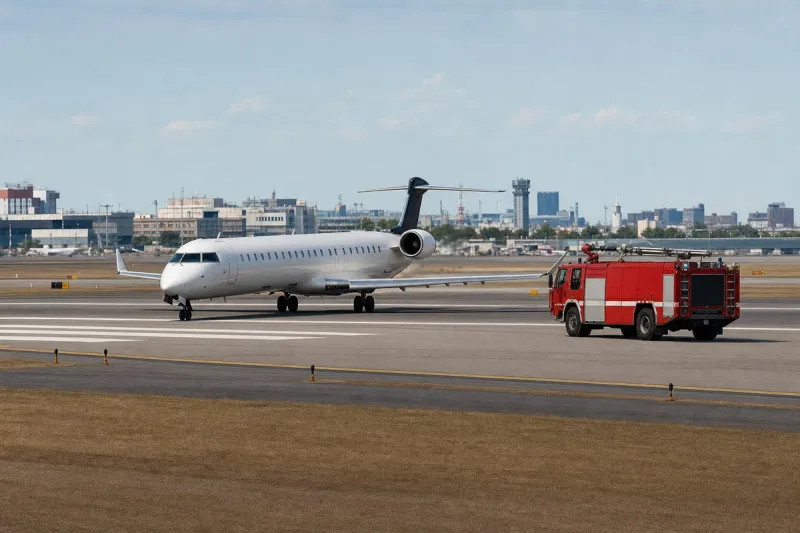
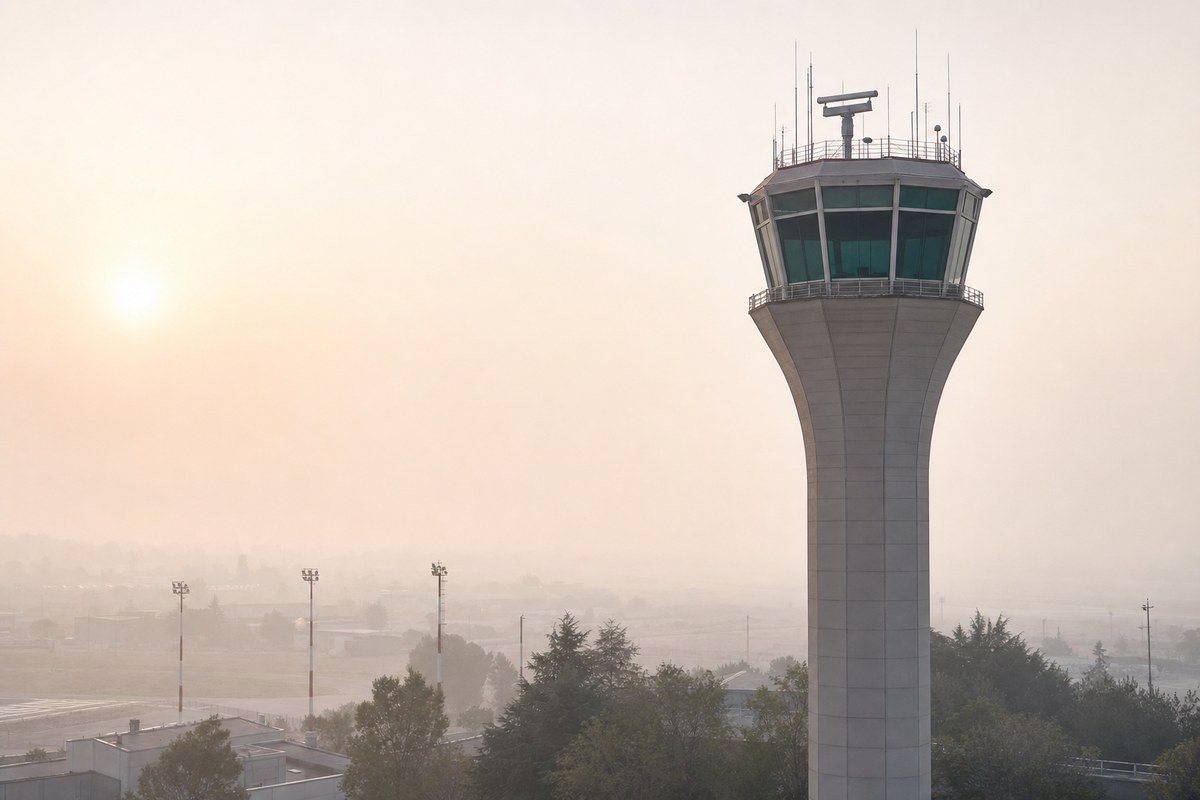
A coordinated strike by air traffic control tower staff across Iran ran from Tuesday afternoon through Wednesday night, causing widespread disruption and multi-hour flight delays, according to a source familiar with the matter.
Market participants have responded by pricing in a heightened risk of a full Iranian airspace closure, with current pricing implying a 24.5% probability of such a closure by December 31. The probability of a closure by September 30 has declined to 5.5%.
Neither the Civil Aviation Organization of Iran nor Iranian State Television has issued a formal statement regarding an airspace closure. Analysts regard an official statement on closure as a key indicator of any escalated government response.
Industry impact & what to watch
The episode illustrates how labor action inside a national air traffic control system can ripple into broader geopolitical risk pricing, with market-implied probabilities moving well before any formal government statement. In sectors where an air navigation service provider's operational status is politically sensitive, disruption events tend to get read alongside the wider security backdrop rather than treated purely as a staffing dispute.
This case shows how such probability markets function as an early signal layer: absent an official notice, participants adjust closure odds based on strike duration, delay severity, and the surrounding tension between the United States, Israel, and Iran following earlier military actions this year. The gap between the near-term probability (5.5% by September 30) and the longer-dated one (24.5% by December 31) reflects uncertainty over how long current conditions persist rather than any confirmed policy shift.
The clearest signal to watch is whether the Civil Aviation Organization of Iran or Iranian State Television issues any statement on airspace status, since analysts treat that as the key marker of escalation. Beyond that, further statements from the United States or additional military developments would be the next inputs likely to move the probability further.