U.S. Warns of Possible Attacks on American Interests Worldwide, Flight Cancellations and Airspace Closures in Middle East
Why It MattersTravel advisories tied to regional conflict push carriers and passengers into reactive, day-to-day routing decisions as airspace access and schedule reliability become contingent on fast-moving security developments.
What happened
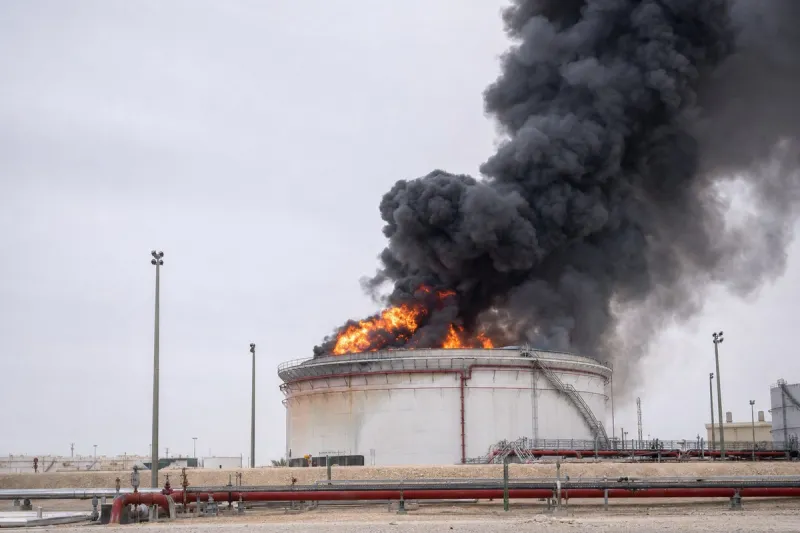
The U.S. Department of State issued a security alert warning Americans worldwide of possible attacks on U.S. interests overseas as tensions linked to the Middle East conflict continue to escalate. The advisory said Iran and groups supportive of Iran could target U.S. interests outside the Middle East, including U.S. businesses and other American institutions worldwide, adding that "U.S. diplomatic facilities, including outside the Middle East, have been targeted."

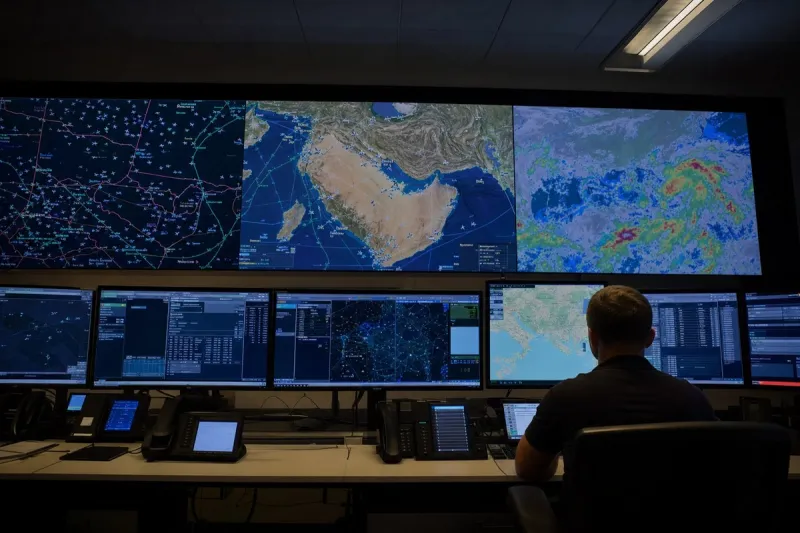
The State Department warned Americans in the Middle East to prepare for possible flight cancellations, airspace closures and other travel disruptions as the security situation remains volatile. Americans outside the Middle East were urged to reconsider travel to and through the region and to closely monitor information from airlines and airports for changes affecting their journeys. The alert cited escalating hostilities involving Iran and Iran-supported groups, including attacks targeting Saudi Arabia, and warned the conflict could escalate rapidly.
A day before the U.S. advisory, on Friday, September 18, Kenya's Ministry of Foreign and Diaspora Affairs issued a statement condemning missile and drone attacks targeting Saudi Arabia and calling for an immediate end to hostilities. The ministry said the attacks targeting civilians, infrastructure and sacred sites violated international humanitarian law and threatened regional stability. Kenya also warned that threats to maritime trade through the Red Sea and Strait of Hormuz could have wider implications for global trade, economic stability and energy security.
Industry impact & what to watch
Government travel advisories of this kind typically arrive after operational disruption has already started to appear in the form of route diversions or airspace restrictions, so airlines and dispatchers tend to be reacting to the same signals passengers are being warned about. When a state actor names specific alleged targets such as diplomatic facilities and Saudi Arabia, carriers weighing Middle East and adjacent routings have to reassess overflight risk on short notice rather than on a fixed schedule.
The segment's exposure runs beyond passenger cancellations: Kenya's warning about the Red Sea and Strait of Hormuz points to maritime chokepoints that also sit under major air corridors, meaning airspace closures in that zone can force costly reroutes even for flights that never touch the ground in the affected countries. Fractional and charter operators with Gulf-adjacent itineraries face the same overflight-clearance uncertainty as scheduled carriers, just with less scale to absorb rerouted fuel and time costs.
What happens next depends on whether the hostilities the State Department flagged expand toward the wider disruption Kenya warned about, or stay contained to the incidents already cited. The State Department's own advisory and airline/airport notices remain the two sources operators and travelers will need to track for the next concrete change in routing or access.