Europe faces Q4 jet fuel deficit of 510,000 bpd as South Korea emerges as key supplier
Why It MattersRegional refined-product markets are becoming more interdependent, with Asia-Pacific surplus barrels flowing into Europe as widening cross-regional price spreads reshape trade routes once dominated by Middle East supply.
What happened
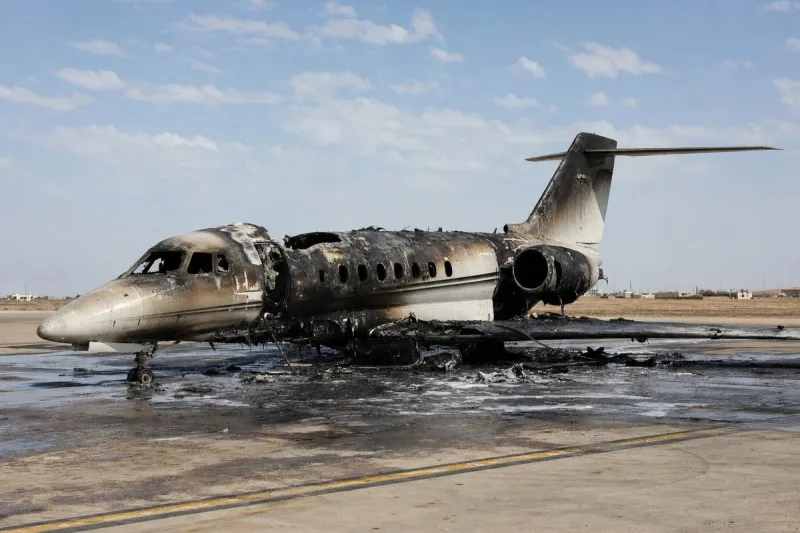
Europe is heading into a fourth-quarter jet fuel deficit of 510,000 barrels per day (bpd), consultancy Energy Aspects forecasts, even as the continent diversifies its supply sources to include South Korea, Nigeria, the United States and Canada. The shortfall follows the outbreak of the Iran war more than six months ago, which disrupted Middle East supplies and cut off around half of Europe's jet fuel imports.
Energy Aspects projects the United States will post a fourth-quarter surplus of 18,000 bpd and the Asia-Pacific region a surplus of 419,000 bpd over the same period, with the third-quarter trend largely the same. South Korea has become the latest large source of jet fuel shipments to Europe: European imports from South Korea so far in September stand at approximately 129,000 bpd, the highest level since October 2022. Average monthly exports from South Korea to Europe last year were 1.5 million barrels.
South Korea's jet fuel output in July hit a seven-year high of nearly 13.89 million barrels, while exports reached a 3.5-year high, according to government data. Provisional government data showed July refining runs at 2.7 million bpd, up 16% from June, with traders expecting August crude runs to be firmer than July. Jet fuel stocks at the Amsterdam-Rotterdam-Antwerp (ARA) refining and storage hub fell to a seven-year low in the week to September 10. James Noel-Beswick, head of commodities at Sparta Commodities, said the widening spread between Asian and European diesel benchmarks — European diesel hit a record high this week — is making it more profitable to export barrels into Europe.
Industry impact & what to watch
This is a supply-diversification story rather than a resolved shortage: a regional disruption in one basin is being offset by surplus barrels drawn from another, at a price. Jet fuel markets work as a network of regional refining balances connected by tanker economics — when one hub loses a supplier, cargoes get pulled from wherever the price spread justifies the freight, which is why South Korea, Nigeria, the US and Canada are all now shipping into Europe simultaneously.
The mechanism to watch is the Asia-Pacific surplus of 419,000 bpd against Europe's 510,000 bpd deficit: even if every barrel of that surplus moved west, it would not fully close the gap, leaving Europe dependent on continued high refinery runs in South Korea and on the diesel-benchmark spread staying wide enough to keep those cargoes economical. A narrowing of that spread, or a reversal in South Korean refining runs, would tighten European jet fuel again.
Whether the ARA hub's seven-year-low stocks stabilize will depend on whether September's South Korean flow volumes are sustained into the fourth quarter, and on whether Middle East tensions ease or escalate further given Europe's continued exposure to that route.