Eurostat: 116 Killed in EU Aviation Accidents in 2025, Up 27.5% from 2024
Why It MattersThe data show non-commercial flying, not scheduled commercial air transport, driving most fatality swings, meaning aggregate safety trends can mask which segment actually deteriorated.
What happened
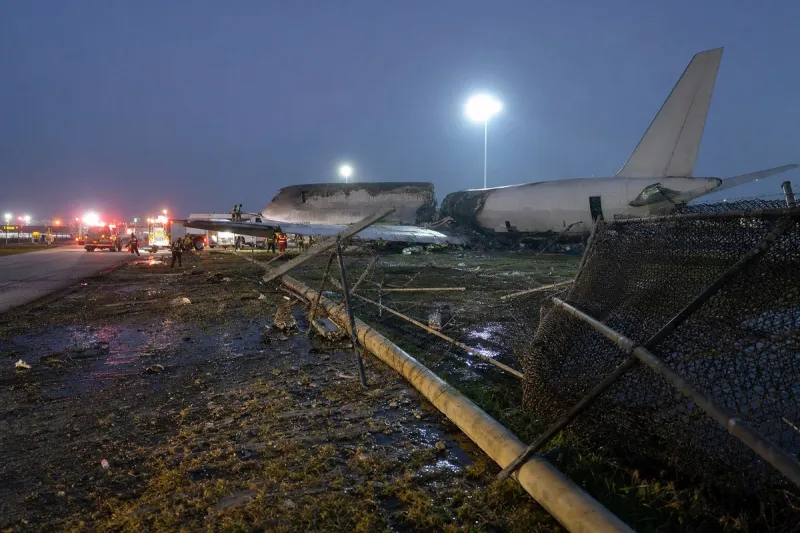
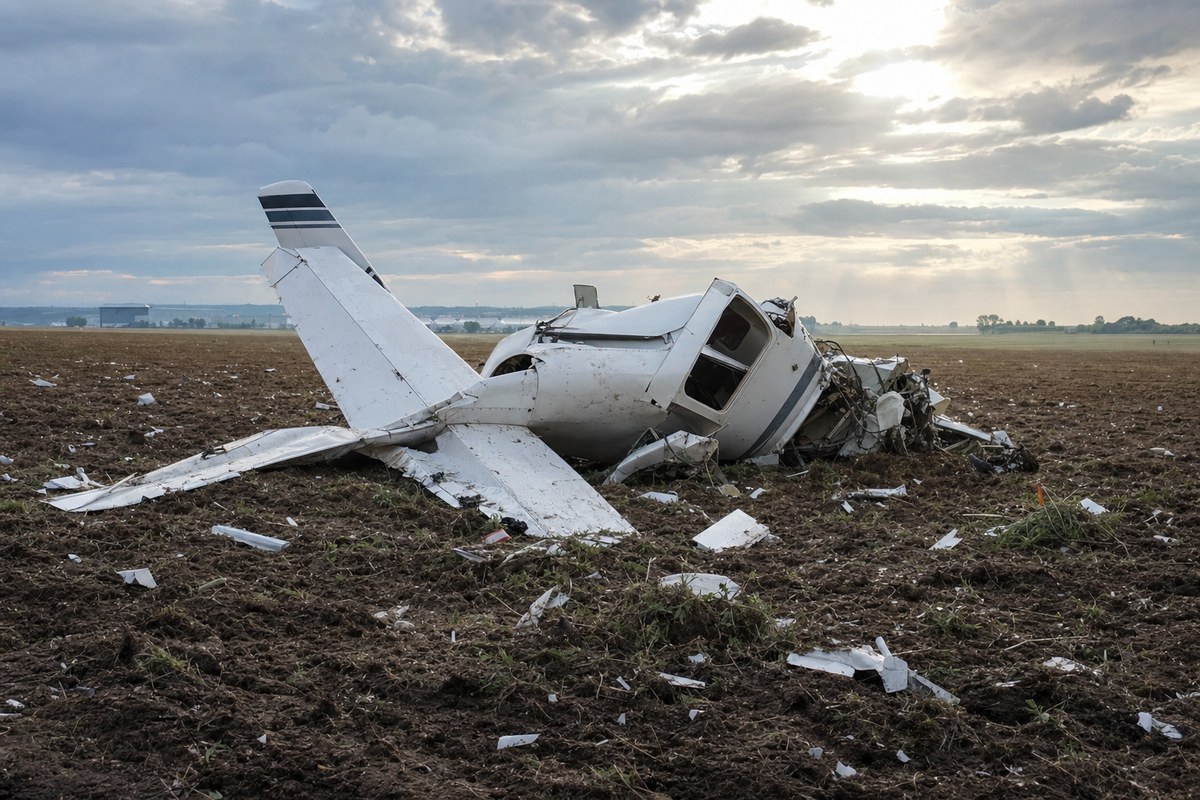
Eurostat published its aviation safety overview for 2025 on 16 September 2026, drawing on data supplied by the European Union Aviation Safety Agency (EASA). The figures cover accidents within European Union territory involving aircraft registered in EU Member States. Of the 116 people killed in 2025, 109 died in non-commercial operations, four in commercial air transport within the EU, and three during specialised operations. That compares with 91 fatalities in 2024, a rise of approximately 27.5%.
Injuries moved in the opposite direction: the number of people injured fell from 215 to 143, a decrease of around one-third. Serious injuries rose slightly, from 27 to 28, which Eurostat recorded as the highest figure in the 2015-2025 period. In commercial air transport specifically, total injuries halved from 64 to 32, largely due to fewer minor injuries.
By aircraft category, aeroplane accidents accounted for 79 fatalities, helicopter and sailplane accidents for 18 each, and balloon accidents for one. No fatalities were recorded in unmanned aircraft operations, though two people were injured. The four commercial air transport fatalities relate exclusively to accidents within the EU; when accidents involving EU-registered aircraft elsewhere in the world are included, the commercial air transport total for 2025 rises to 16.
Eurostat defines non-commercial operations as encompassing corporate flights, demonstration flights, flight training and aircraft positioning flights, while specialised operations cover activities such as agricultural work, aerial advertising and aerial photography. Eurostat noted that figures for 2023, 2024 and 2025 remain provisional and may be revised once investigations are completed.
Industry impact & what to watch
The pattern here is a familiar one in aviation safety statistics: a headline fatality total moves sharply while the segment usually scrutinized most, commercial air transport, barely changes. Of the 116 deaths in 2025, 109 sat in non-commercial operations such as corporate flights, training and positioning flights, and only four came from EU commercial air transport accidents. A single-digit shift in a small-numbers category like specialised operations or general aviation can swing the annual percentage change substantially, which is exactly why Eurostat flags 2023-2025 figures as provisional and urges reading annual fluctuations against longer-term trends.
That structure matters for how the segment is monitored: commercial air transport, where EASA oversight and certification requirements are strictest, showed injuries halving from 64 to 32, while non-commercial flying, which is regulated more loosely and covers a wider mix of activity, carried the fatality increase. It illustrates that aggregate EU accident counts are not a reliable proxy for commercial operator safety performance on their own.
What remains open is how the 2025 figures settle once investigations conclude, since Eurostat itself describes the current numbers as provisional and subject to revision. The next data point to watch is whether the revised 2025 total, and the 2026 figures when published, confirm the rise in non-commercial fatalities or show it narrowing once outstanding cases are closed.