FAA Ground Stop at DFW Airport Causes Widespread Delays Across North Texas
Why It MattersHub-scale disruptions show how a single airport's weather-driven ground stop can cascade through connecting networks, delaying aircraft and crew turnarounds well beyond the restriction's own duration.
What happened
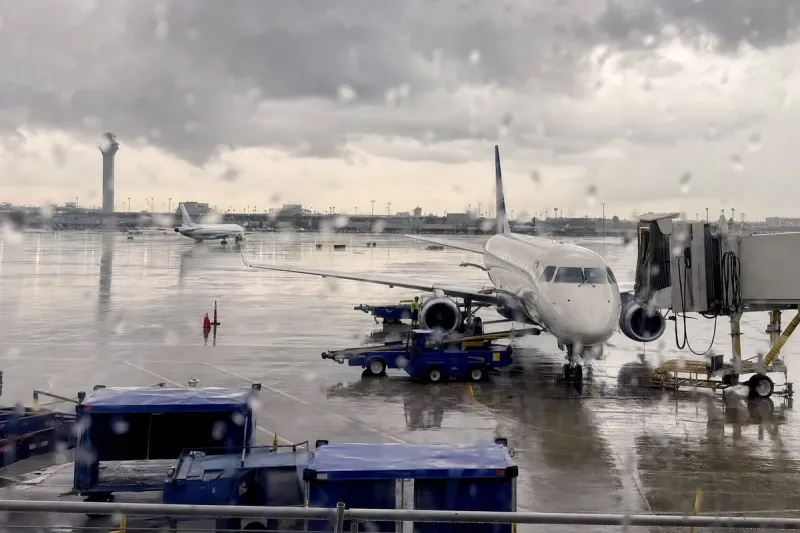
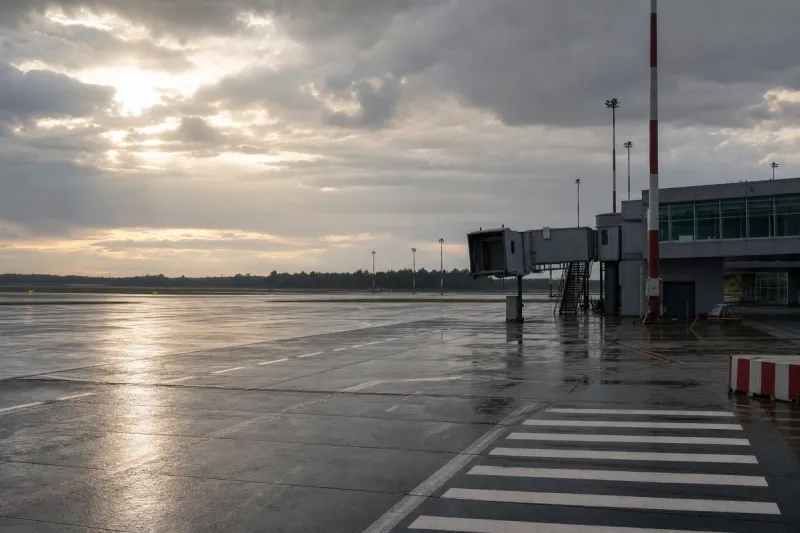
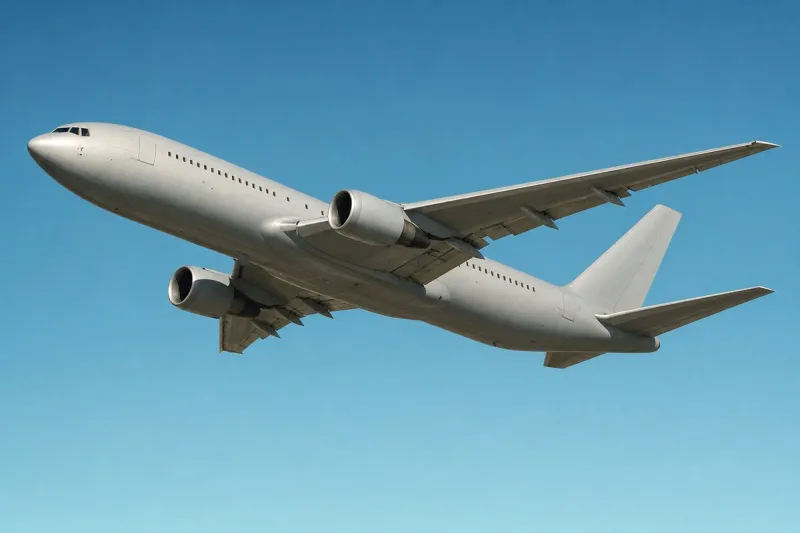
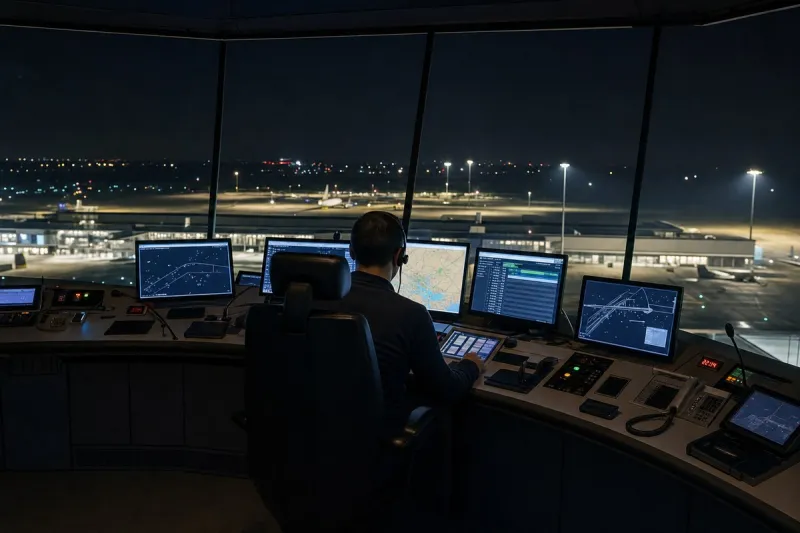
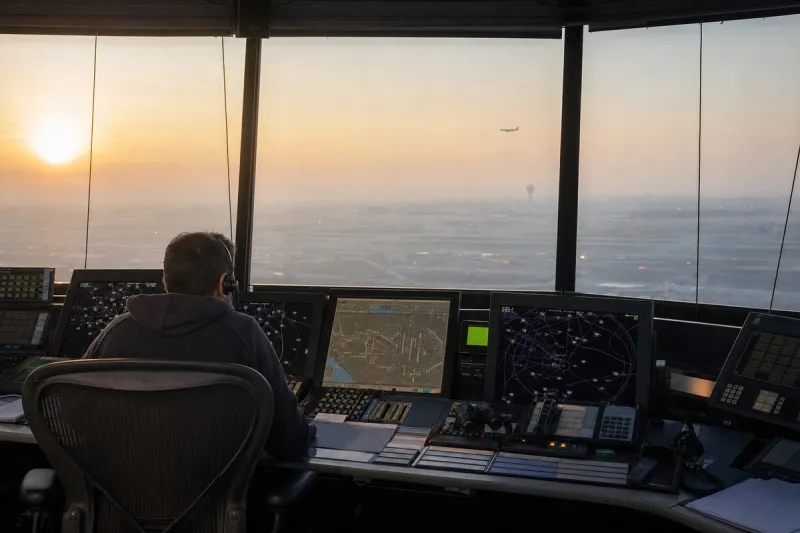
The FAA imposed a temporary ground stop on flights bound for Dallas/Fort Worth International Airport (DFW) late Sunday, halting inbound traffic and triggering widespread departure delays across North Texas. FAA real-time status data for DFW showed weather-related traffic-management initiatives contributing to gate-hold and taxi delays, with arrival delays generally shorter than departure disruptions.
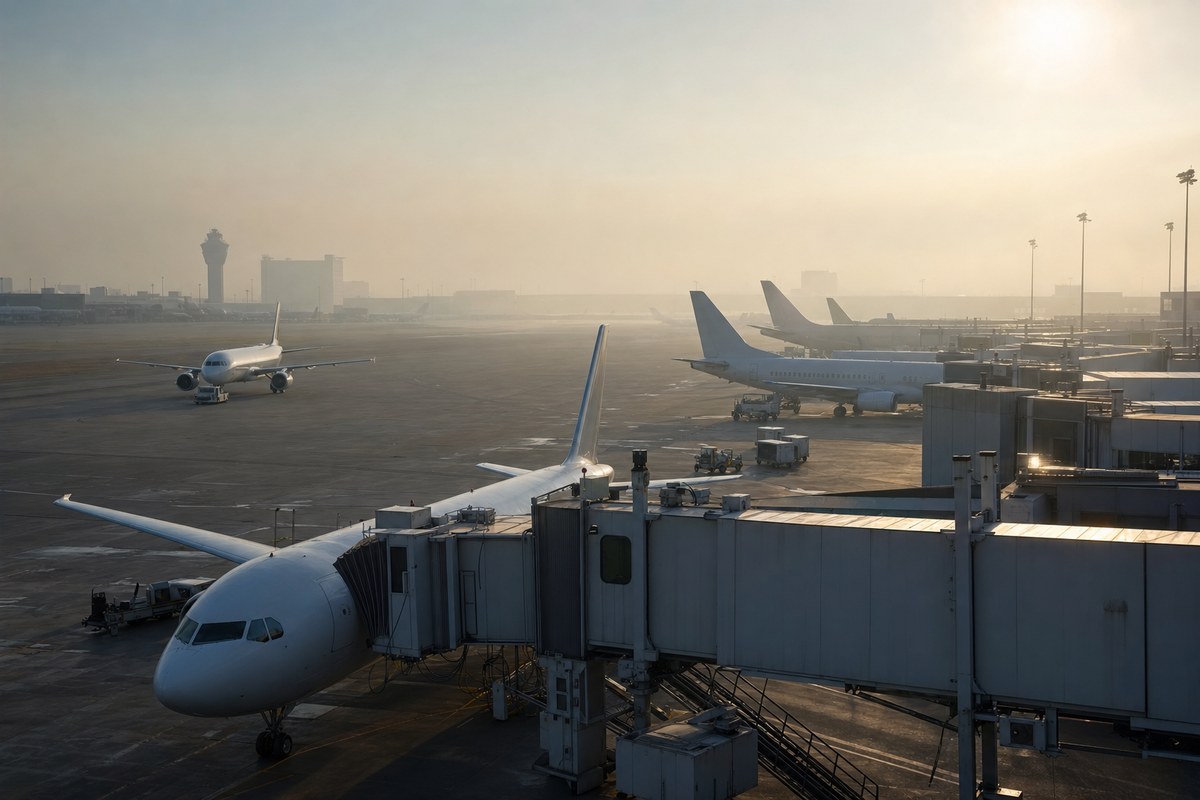
A ground stop prevents flights bound for a specific airport from departing their origin stations until arrival capacity recovers, and because DFW serves as a major domestic and international connecting hub, even a brief pause in inbound traffic can slow gate turnovers and back up outbound departures. Ripple effects spread through major airline connecting networks as a result.
A mid-July 2026 disruption in North Texas, driven by thunderstorms, triggered ground stops at both DFW and Dallas Love Field. The FAA lifted DFW's ground stop in the late afternoon and removed Love Field's ground stop later, though delays persisted at both airports afterward. During that event, average departure delays built into the 75-to-90-minute range, with hundreds of flights delayed across the Metroplex.
Industry impact & what to watch
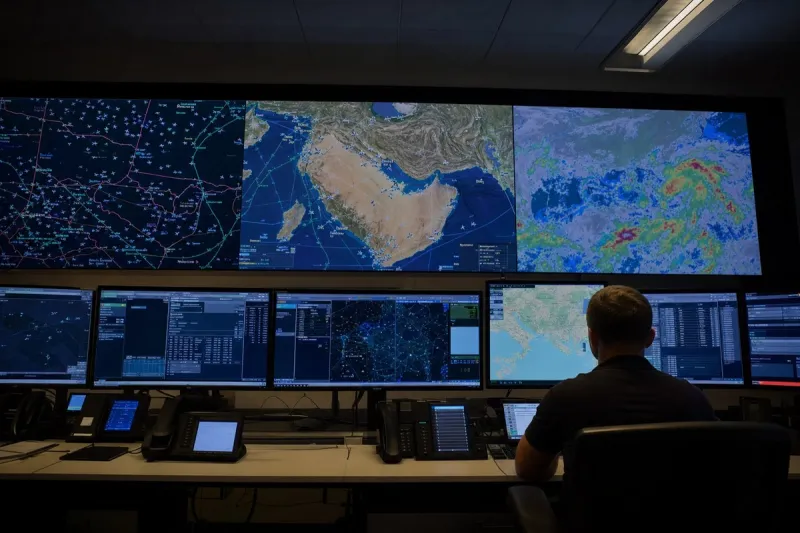
This event belongs to a recurring seasonal category: North Texas summer weather routinely produces rapidly developing thunderstorms capable of forcing intermittent pauses, metering programs, and reroutes across the region's arrival and departure corridors. Ground stops are commonly followed by ground delay programs that meter departures at controlled intervals, regulating arrival flow but continuing to generate rolling delays through evening flight banks.
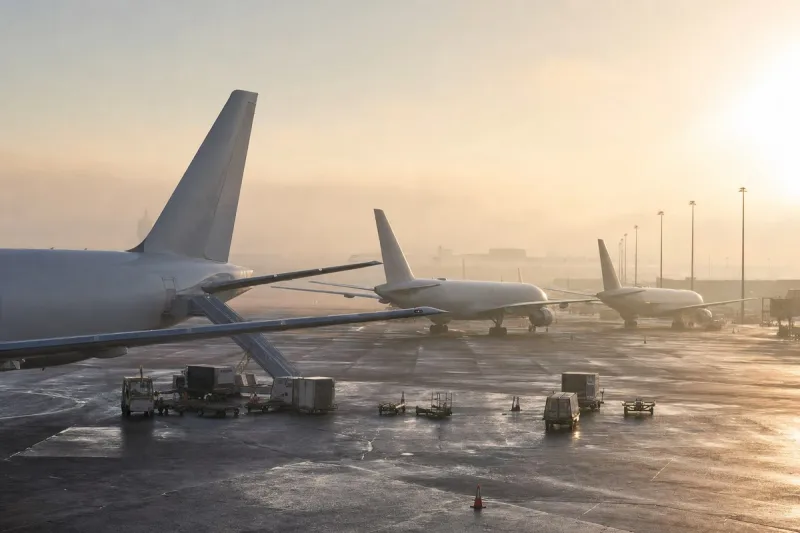
Because DFW operates at hub scale, disruptions there extend well beyond Texas. Aircraft and crews arriving from across the country can miss their next scheduled departures, and even after a ground stop is lifted, airlines typically need hours to reposition aircraft and crews, particularly when late-arriving planes begin subsequent legs behind schedule. Connection windows can narrow quickly for travelers transiting to smaller regional destinations with limited daily frequencies.
What determines how long the disruption lingers is less the ground stop itself than the recovery period that follows it, as the mid-July event showed with delays persisting at both DFW and Love Field after restrictions were lifted. Whether Sunday's disruption follows that same recovery pattern will depend on how quickly airlines can reposition misplaced aircraft and crews through the rest of the evening flight banks.