ATC Zero Declaration Halts Northeast US Flights After Fiber Cut Knocks Out Radar and Radio at New York and Philadelphia Facilities
Why It MattersThe incident shows that hardware modernization alone cannot guarantee resilience when backup communications paths are not verified as genuinely independent from their primary routes.
What happened
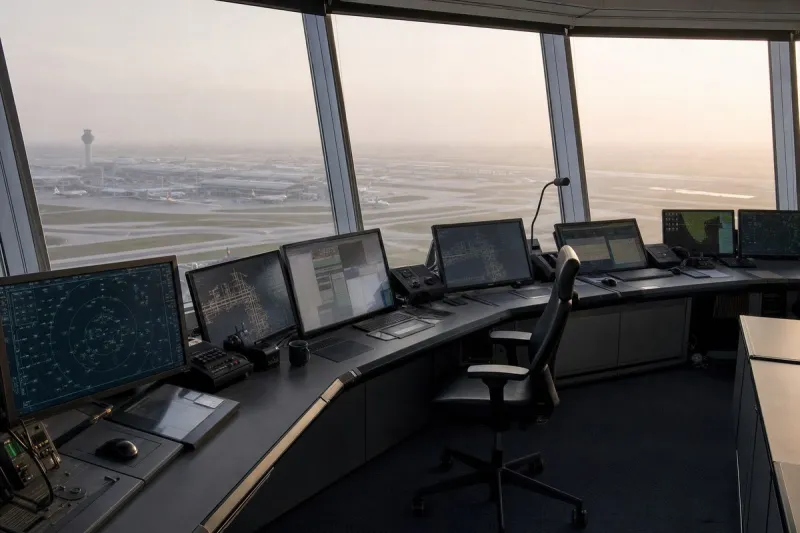
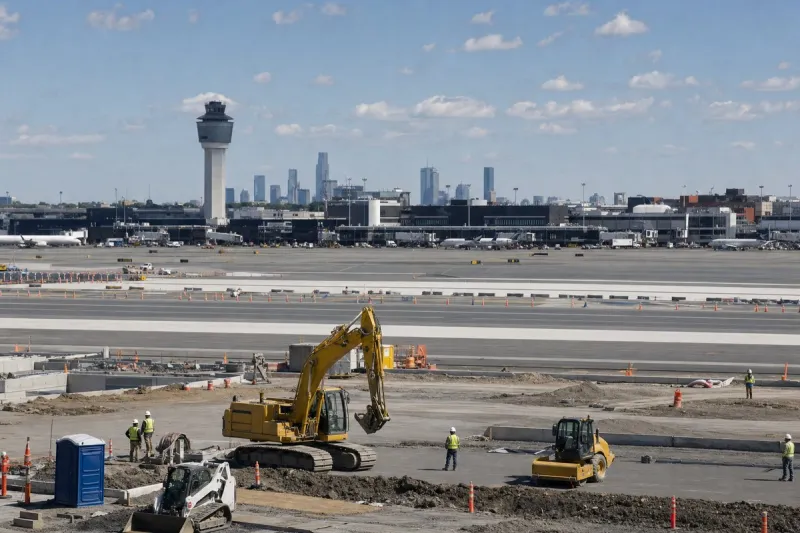
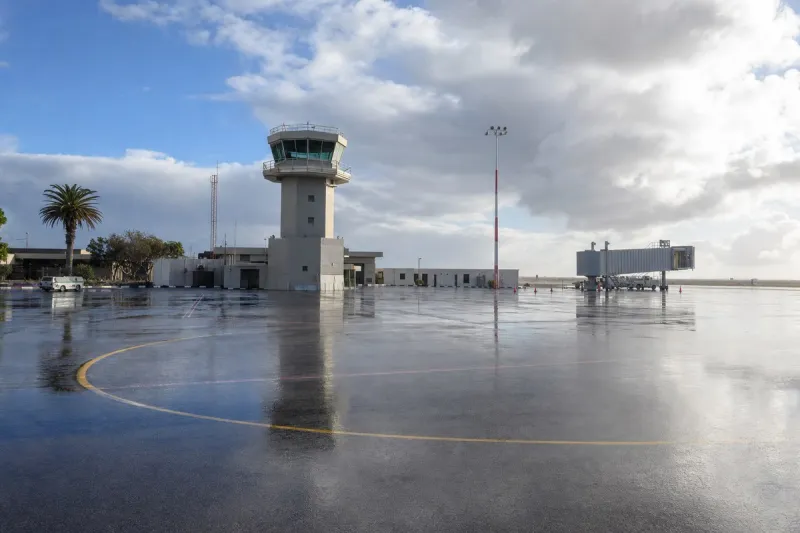
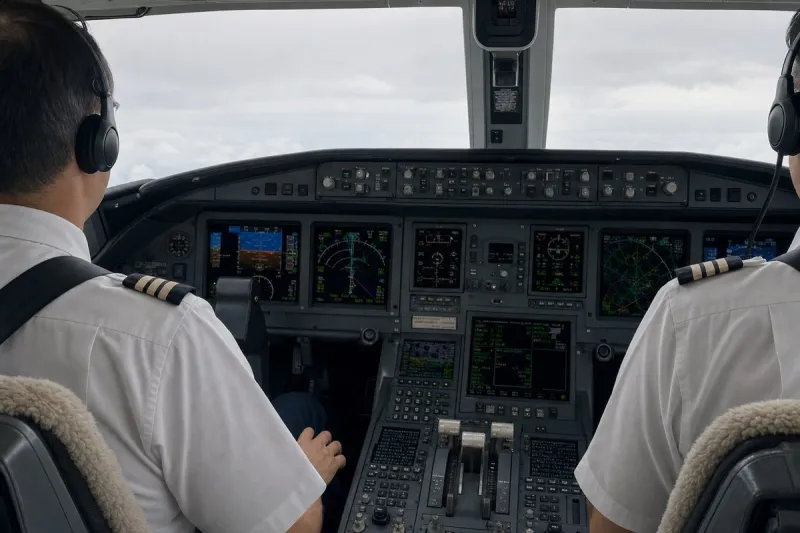
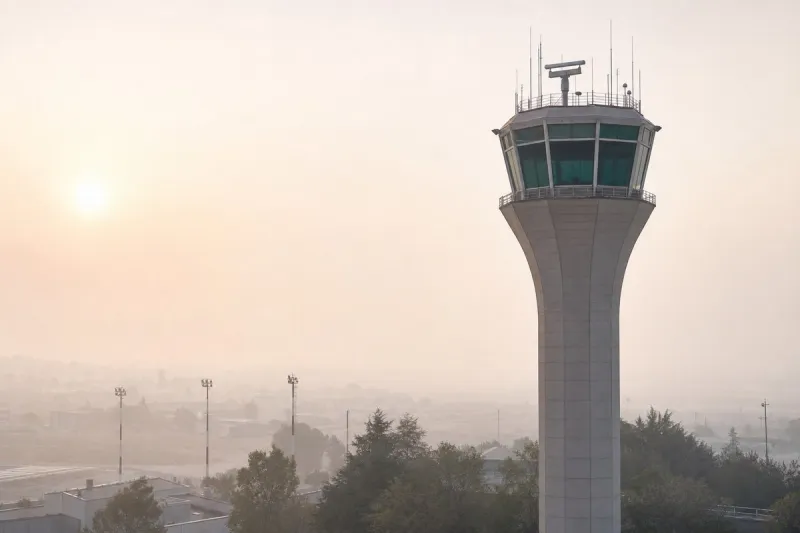
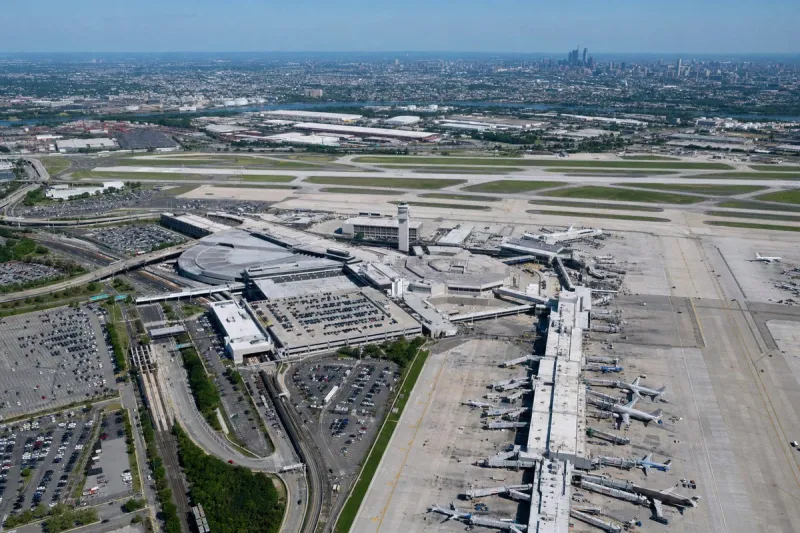
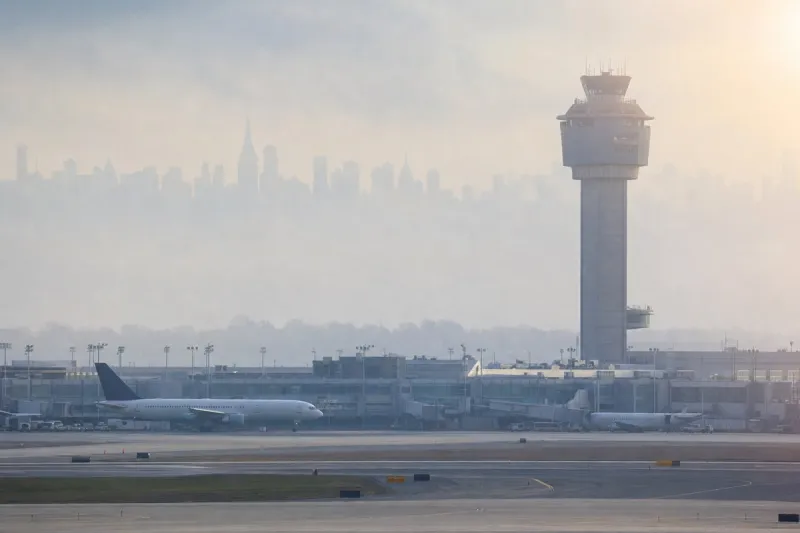
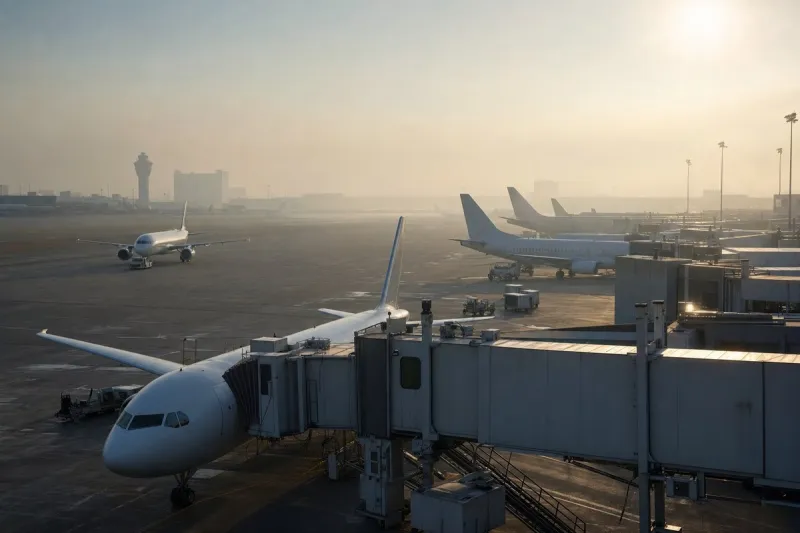
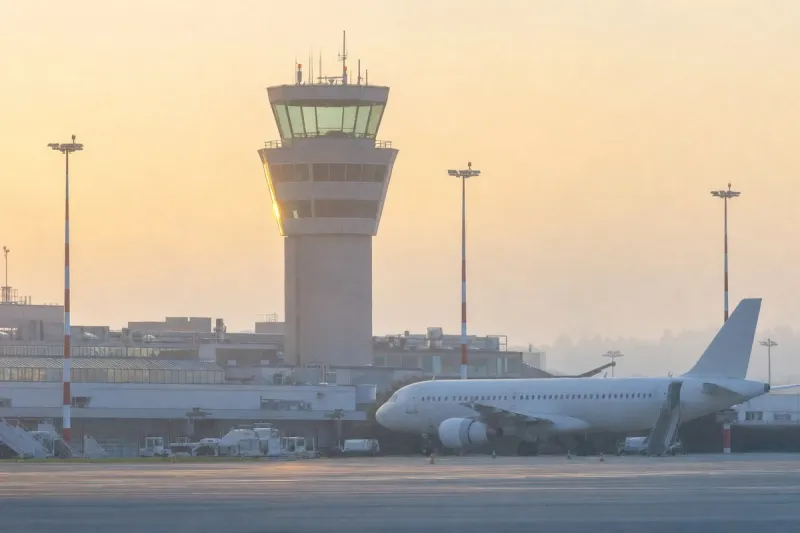
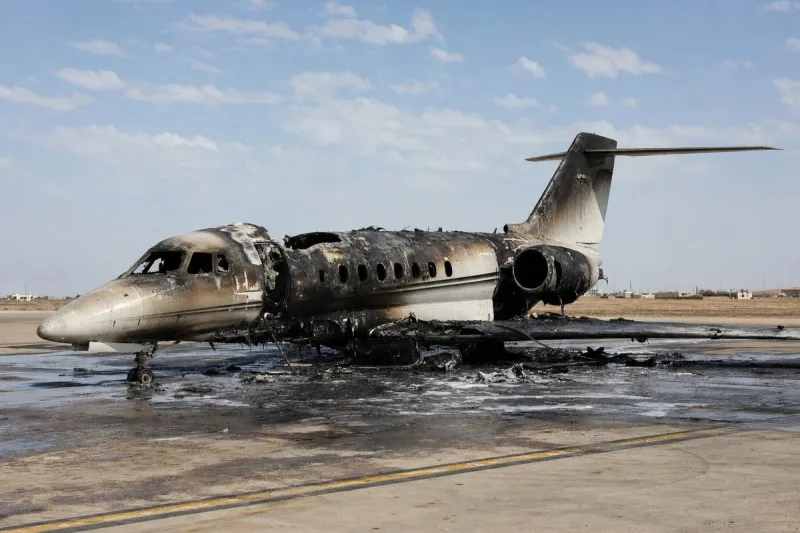
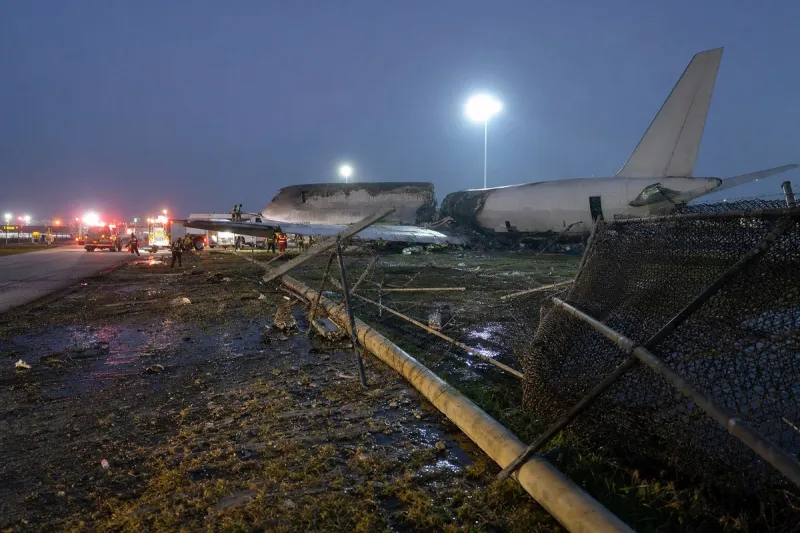
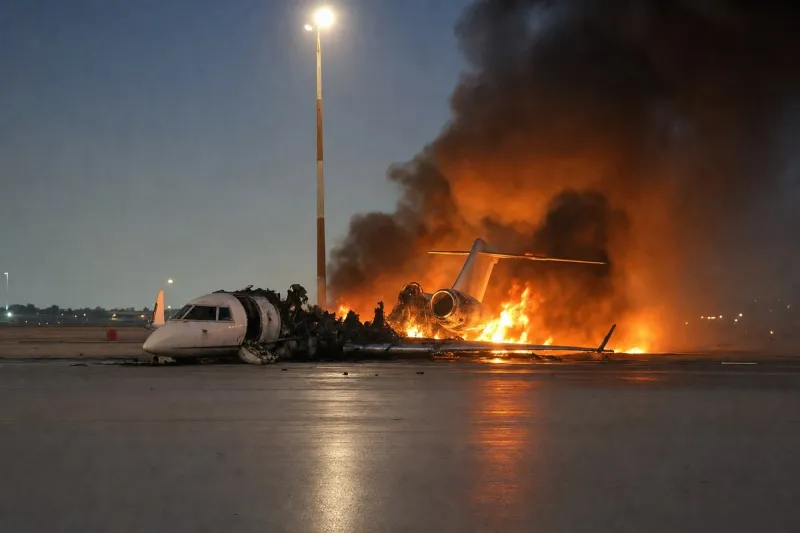
A severed fiber line triggered a cascading air traffic control failure across the New York–Philadelphia region on Monday, grounding or severely delaying flights at Newark Liberty (EWR), Philadelphia International (PHL), John F. Kennedy International (JFK), LaGuardia (LGA), Westchester County (HPN), and Boston Logan International (BOS). FAA Administrator Bryan Bedford attributed the crisis to a backup fiber cable accidentally cut by a construction crew in New Jersey, which left the system without its designed redundancy at the moment a separate circuit also failed, causing controllers at both Philadelphia TRACON and New York TRACON (N90) to lose radio and radar capabilities. N90 was formally declared "ATC Zero" by 12:48 PM.
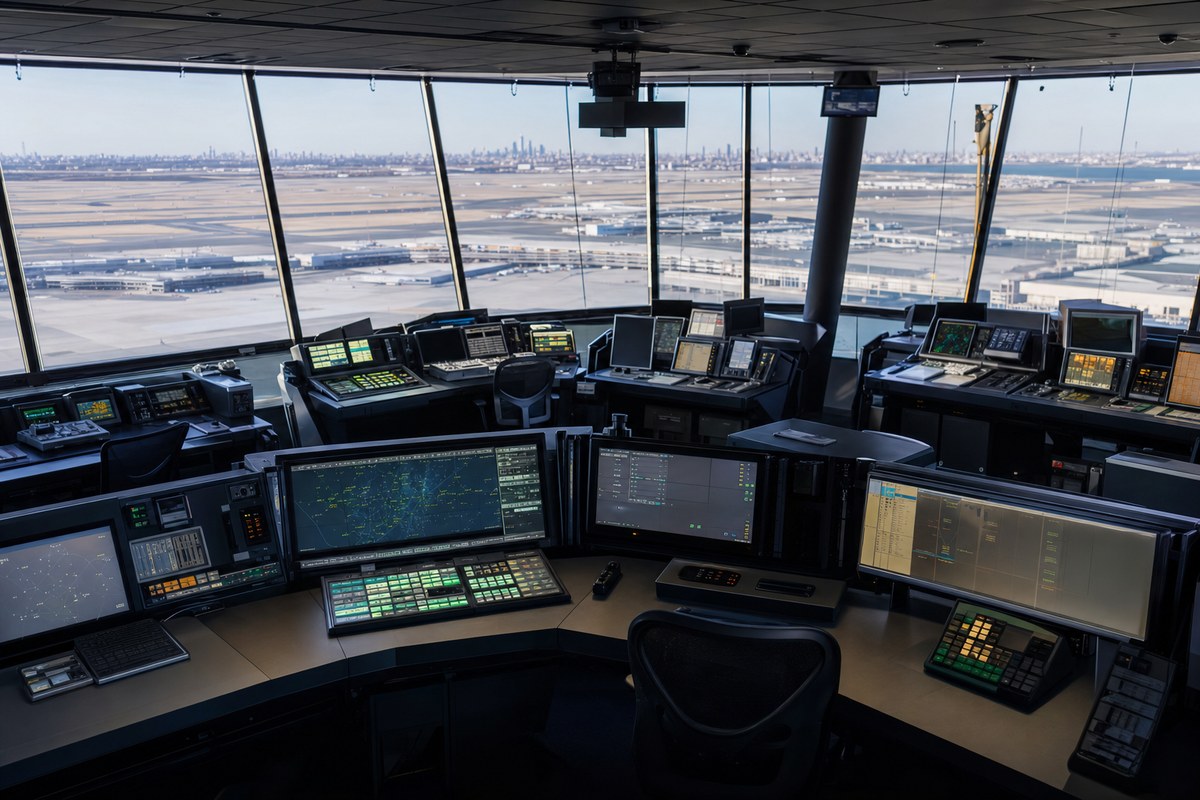
The failure was compounded by Newark's airspace configuration: the FAA had transferred responsibility for Newark's arrivals and departures from N90 to Philadelphia TRACON Area C in 2024 during staffing difficulties, making telecommunications links between the two facilities critical to everyday Newark operations. A fiber network upgrade completed in July 2025, specifically designed to provide two independent communications paths between New York and Philadelphia, was rendered ineffective once the backup path was severed.
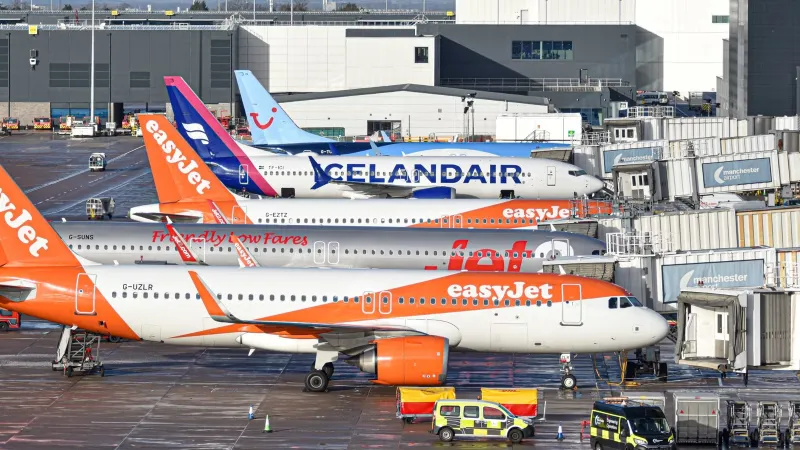
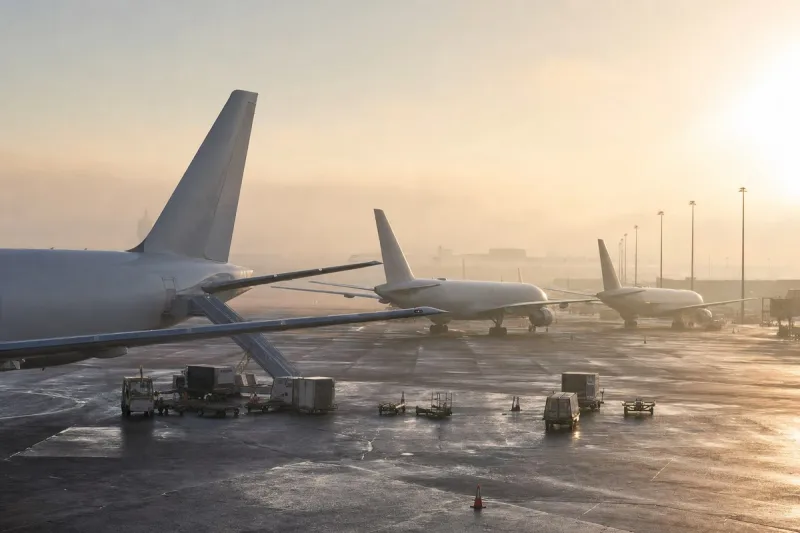
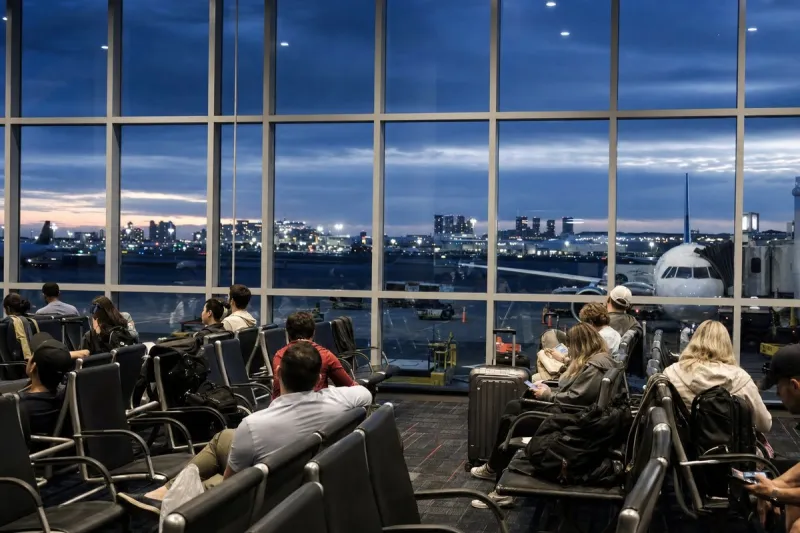
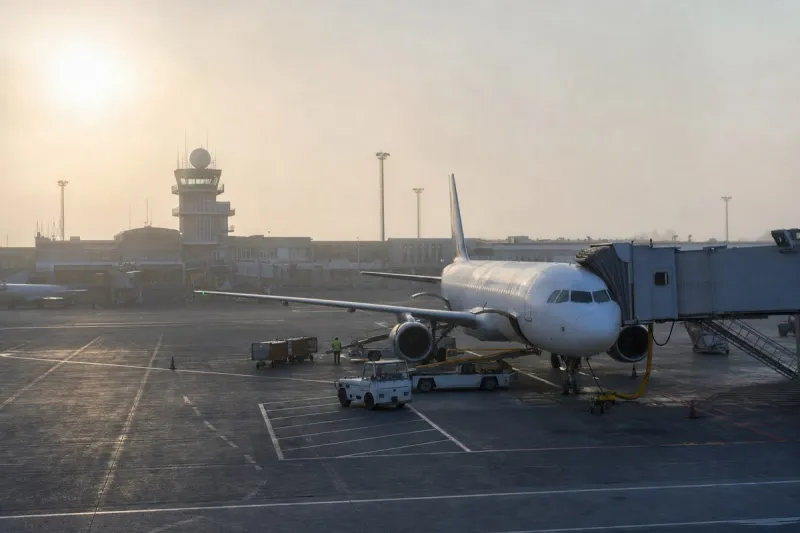
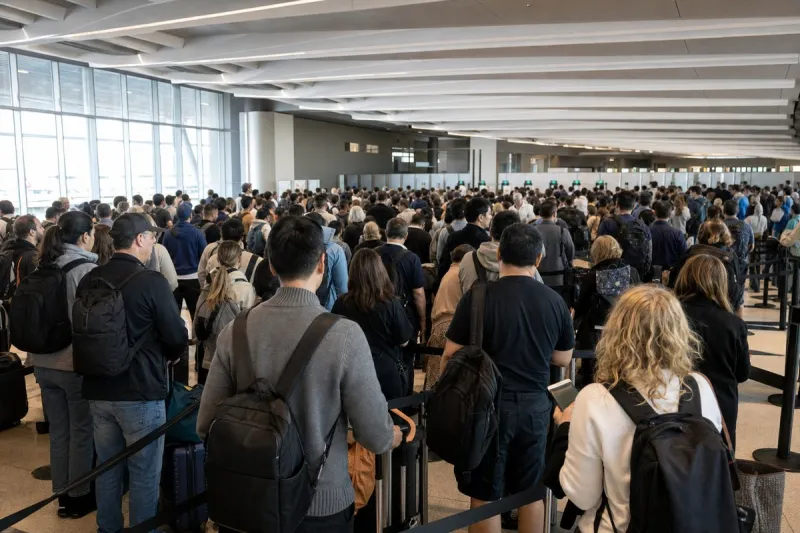
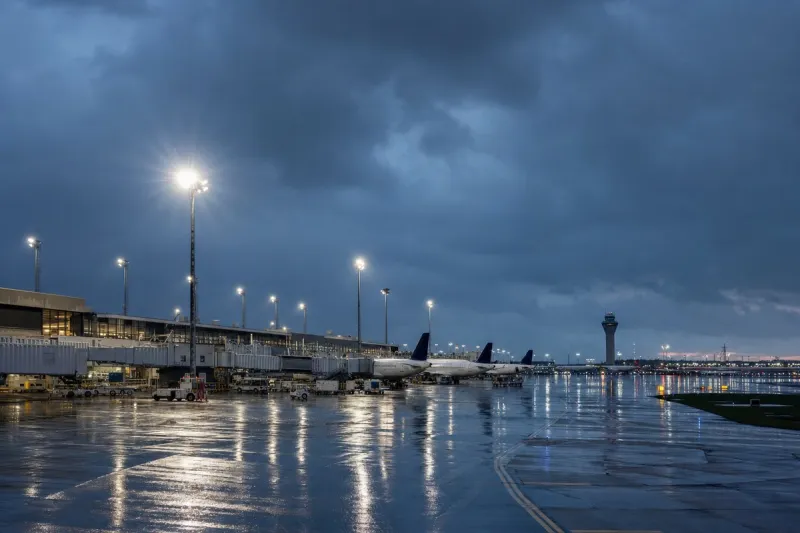
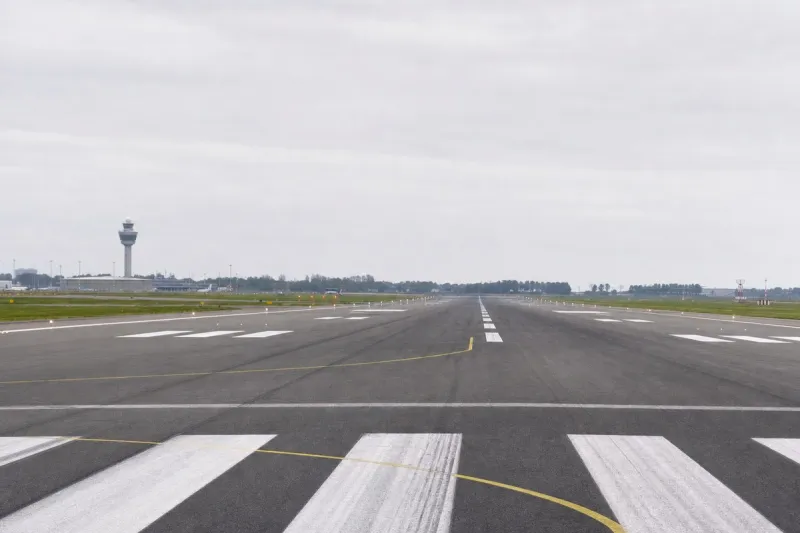
By early afternoon, more than 600 flights had been delayed at Newark and Philadelphia alone, representing more than 20% of operations at those two airports, with Flightradar24 reporting average delays exceeding four hours at both. FlightAware data showed Philadelphia with more than 370 flights delayed and 130 canceled; JFK with more than 200 delayed and 10 canceled; LGA with more than 270 delayed and 20 canceled; and BOS with more than 350 delayed and 50 canceled. United Airlines at Newark and American Airlines at Philadelphia faced particularly heavy exposure. Boston Logan was placed under traffic restrictions as diverted traffic moved north, with its capacity additionally constrained because Massport began a 75-day period of closure or extremely limited use of Runway 9/27 on August 31 to install an Engineered Material Arresting System at the Runway 27 end.
Signs of recovery emerged by early afternoon when N90's systems were rebooted and radar, frequencies, and landlines were reported as functioning again, with controllers initially prioritizing aircraft already caught in the disruption. Ground stops at PHL, JFK, and EWR remained in effect at the time of reporting, with severe delays continuing at BOS and LGA.
The redundancy gap
The outage occurred while Congress had allocated an initial $12.5 billion for an FAA modernization program. Bedford told lawmakers last week that more than 64% of the FAA's copper-based telecommunications infrastructure had already been replaced with modern equipment. Monday's failure exposed that replacing hardware does not guarantee resilience if backup paths are not kept genuinely independent — the July 2025 upgrade had been built specifically to give New York and Philadelphia two separate communications routes, yet a single construction cut removed that separation entirely.
Industry impact & what to watch
This event belongs to a familiar category in network infrastructure: a system engineered with redundancy fails anyway because the backup path shares a physical vulnerability with the primary one. Air traffic control depends on exactly this kind of layered telecommunications architecture between facilities, and the 2024 transfer of Newark's operations from N90 to Philadelphia TRACON Area C had already made that inter-facility link a single point of operational dependency rather than a convenience.
The segment's resilience is only as good as the independence of its backup circuits, not the sum of what has been modernized. A 64% hardware-replacement figure says nothing about whether the remaining links, or even the new ones, are physically routed apart from each other — the July 2025 upgrade was designed to solve exactly that problem and was defeated by one construction crew regardless.
What happens next depends on how the FAA and airlines account for the disruption: whether ground stops at PHL, JFK, and EWR are lifted cleanly or trigger a slower multi-day recovery in delayed and canceled flights, and whether the agency's modernization program is adjusted to verify physical path independence rather than simply counting replaced equipment.