NTSB Blames Unintentional Nose-Down Trim for JSX Hard Landing at Houston Hobby
Why It MattersThe case shows how a single unbriefed manual trim habit near touchdown can outrun standard operating procedure and expose a gap between informal technique and formal training standards.
What happened
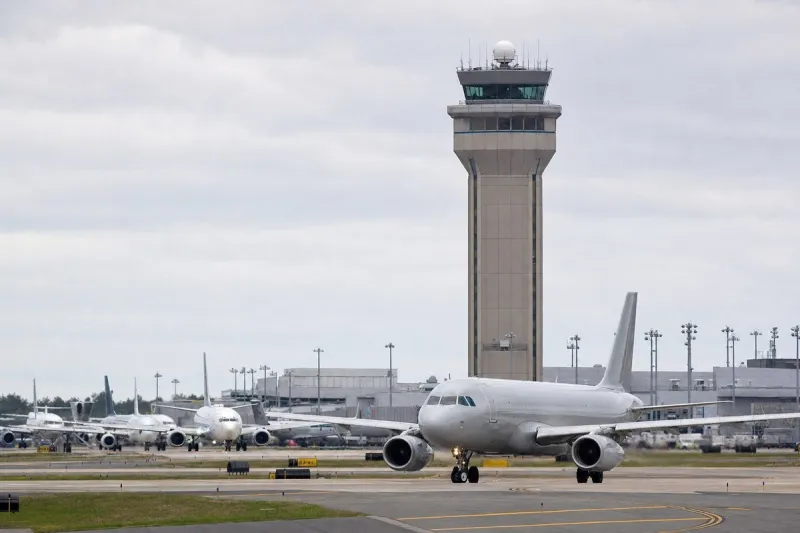
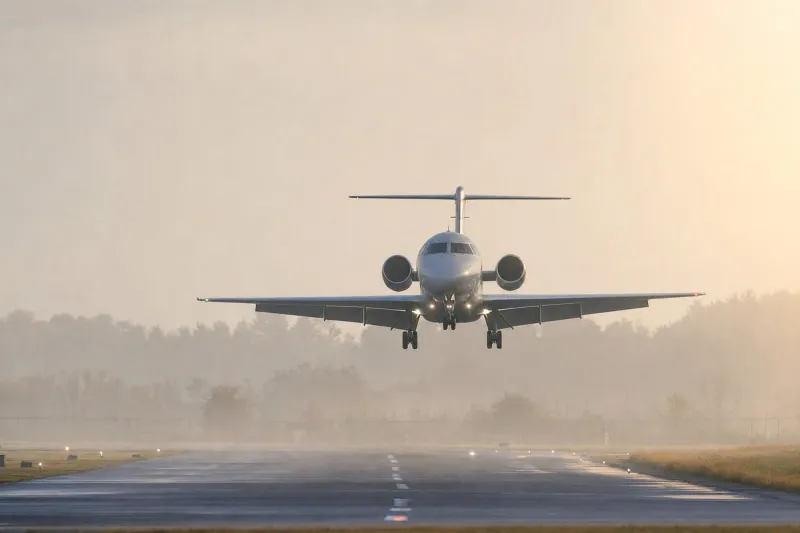
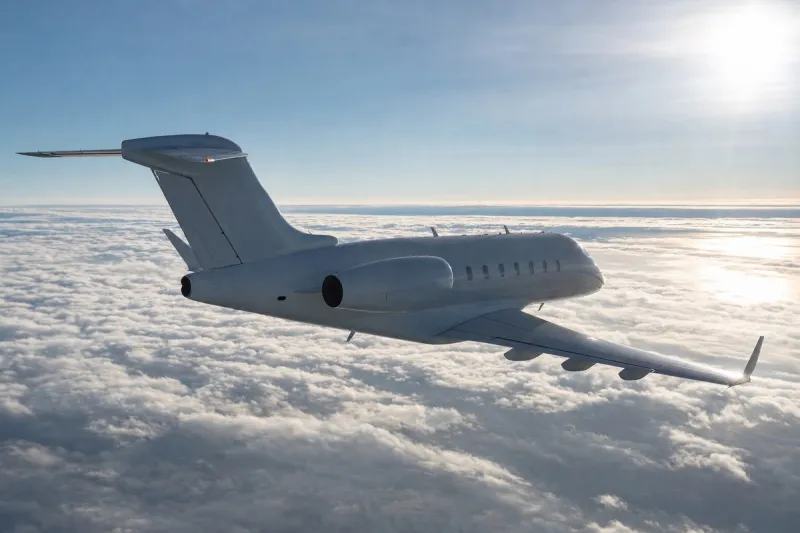
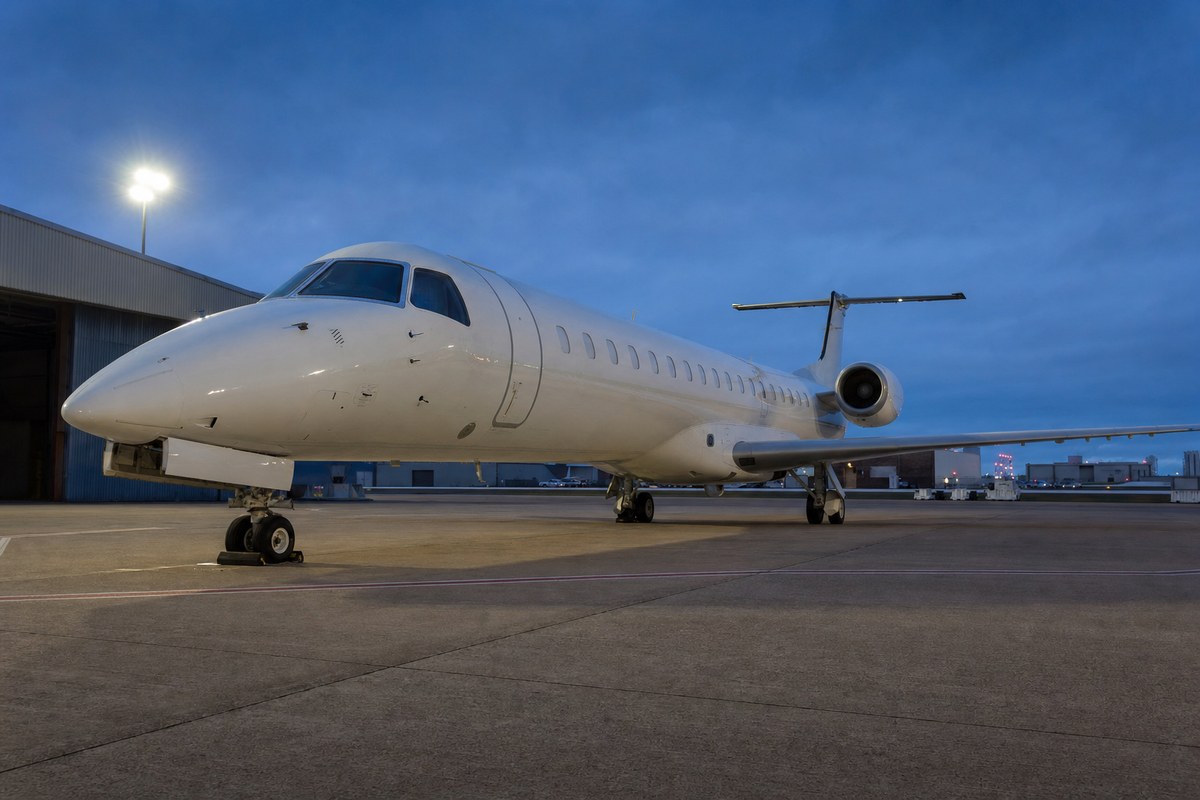
The NTSB has released its final report into a hard landing by a JSX Embraer EMB-145LR, registered N942JX and operated by Delux Public Charter flying as JSX under Part 135 nonscheduled charter rules, at Houston Hobby Airport. The aircraft carried three crew members and 21 passengers; takeoff, climb and cruise were uneventful.
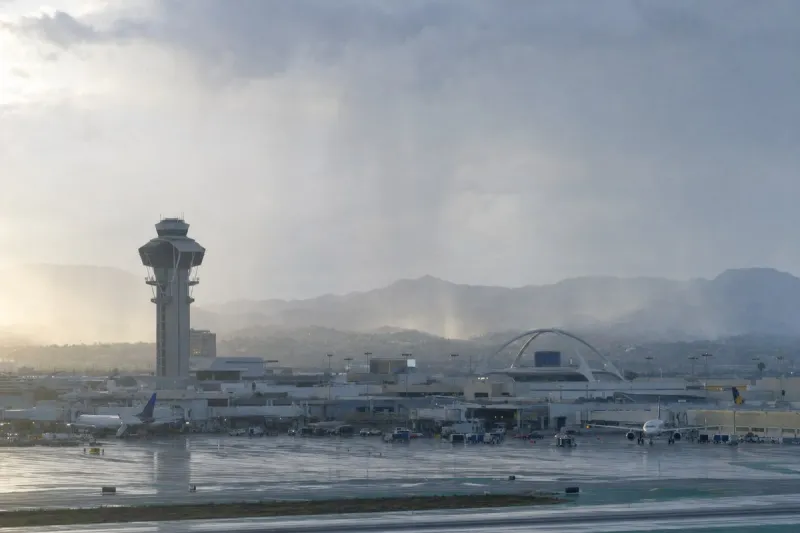
On approach, Houston Hobby was reporting wind from 130 degrees at 16 knots, gusting to 24 knots. Air traffic control directed the crew to runway 4, nearly perpendicular to the wind and creating a direct crosswind, while runway 13 would have been better aligned. The cockpit voice recorder captured the captain expressing concern about the crosswind; the first officer said it was "not that bad" and asked if she wanted a different runway, but she declined. The gusts stayed below the 30-knot maximum recommended crosswind for the type.
The captain disconnected the autopilot at approximately 1,300 feet above ground level, 93 seconds before touchdown, with pitch trim at 3.72 degrees nose up. About 25 seconds later, trim began moving nose down; the captain pulled back on the control column to maintain attitude, but pitch did not respond. By touchdown, trim had reached 2.86 degrees nose down and continued to roughly 4 degrees nose down, its full limit. At impact the control column was at 20.1 degrees nose up.
Approximately two seconds before impact the captain called for a go-around. The ground proximity warning system sounded "sink rate" near touchdown, and although engine power increased, the aircraft was already on the ground. The flight data recorder registered a vertical load of 3.9g, against an Embraer-calculated main gear limit of 2.19g for this landing configuration. The left main gear failed, its strut punching through the upper skin of the left wing; recovery crews found the left flap on the runway more than 2,800 feet from the aircraft.
The NTSB found that JSX did not train or encourage trimming after autopilot disconnect; training staff described the practice below 500 feet as rare, and one check airman called it "a no-no." The captain told investigators she habitually trimmed near the end of an approach "to help with the flare," typically adding nose-up trim, and flight data from a previous landing at North Las Vegas confirmed nose-up trim inputs in the final ten seconds of that approach. On the Houston flight the trim moved the opposite direction, which the NTSB concluded was unintentional. Investigators found no clear evidence that the captain's longstanding amblyopia in her right eye, covered by a Statement of Demonstrated Ability on her medical certificate, affected her depth perception or contributed to the accident. A June 2024 functional test of the pitch trim system found all systems operating normally, and the main gear's designed break-away at its trunnion joints protected the fuel tank, which remained intact with no fire.
Industry impact & what to watch
This accident belongs to a category the NTSB investigates repeatedly: a manually habituated flight-control input, performed outside formal procedure, that behaves as expected on most approaches until crosswind, timing or a mechanical quirk turns it into an uncommanded control state. The captain's own record showed the same trim habit working safely in nose-up form at North Las Vegas; the danger was not the habit itself but its unmonitored reversal on a single approach.
Charter operators flying under Part 135 rely on standardized procedures precisely because informal techniques, even ones that feel like they improve outcomes, are invisible to training oversight until an incident forces a review. JSX's own staff description of post-disconnect trimming as rare, and one check airman's characterization of it as "a no-no," indicates the practice existed outside the airline's documented training expectations rather than within them.
What remains to be watched is whether JSX revises its autopilot-disconnect and trim guidance in response to the finding, and whether the NTSB's report prompts broader scrutiny of similar informal late-approach trim habits across other Part 135 and regional operators flying the same airframe.