MedAire Expands Middle East Presence as Business Aviation Growth Drives Demand for Risk Management Services
Why It MattersAs Middle East business aviation expands, operators are treating continuous medical and security response coverage as a baseline requirement rather than an optional add-on to flight operations.
What happened
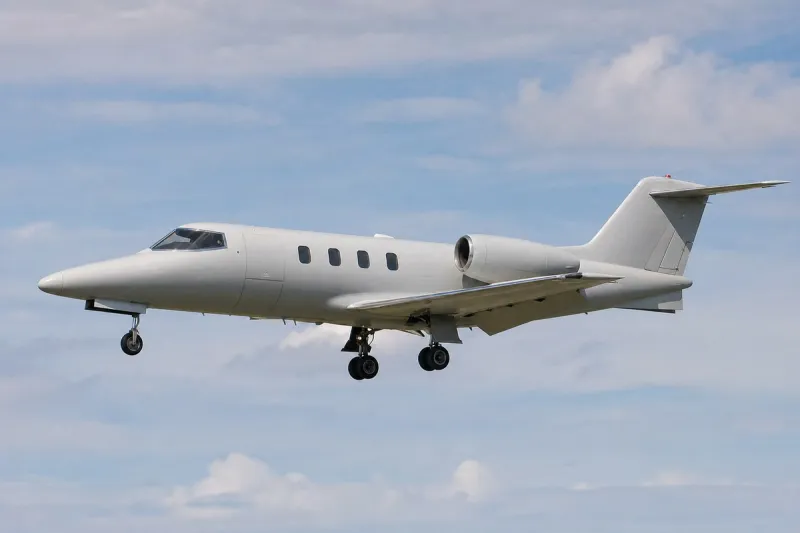
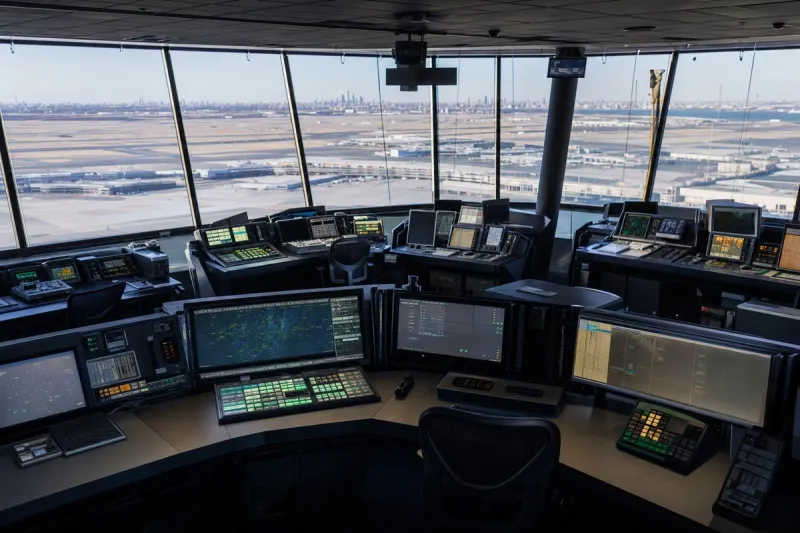
MedAire, a medical and security response organisation for aviation and maritime, reports that business aviation activity is expanding across the UAE, Saudi Arabia and Qatar, with operators increasingly prioritising risk management, medical support and security planning. Peter Tuggey, Managing Director, Aviation Europe, MEA and APAC at MedAire, said the company's Dubai Assistance Centre — one of two 24/7 aviation security platforms alongside a centre in Phoenix, Arizona — continued operating without interruption during this year's regional conflict, even though the office itself was evacuated.

Reely Rajan, Director, India, Middle East & Africa at MedAire, said the company has expanded its footprint beyond Dubai into Saudi Arabia, Egypt and India. MedAire was founded in 1985 and has managed more than one million medical and security cases over 40 years. Its services are standard on aircraft from six business jet manufacturers: Boeing, Bombardier, Embraer, Gulfstream, HondaJet and Textron Aviation, and more than 250 airlines and 6,800 business aircraft operators — including 75% of Fortune 100 corporate flight departments — rely on MedAire.
DC Aviation Al-Futtaim and Empire Aviation, two Middle East business aviation operators, both work with MedAire for medical assistance and security intelligence support. Ali Ahmed Alnaqbi, Founding and Executive Chairman of the Middle East and North Africa Business Aviation Association (MEBAA), said demand for business aviation in the region remains robust, driven by economic growth, rising private wealth and expansion of aviation hubs. The MEBAA Show is scheduled for 8–10 December.
Industry impact & what to watch
This case sits alongside a broader shift in how business aviation growth in the Gulf is being supported: as operators and flight departments multiply across the UAE, Saudi Arabia and Qatar, the medical and security services layered underneath those flights are being built out in parallel rather than added after the fact. A provider maintaining two 24/7 assistance centres, and keeping one running through a regional conflict even after evacuating the office, signals that continuity of service is treated as core infrastructure for the sector, not a marketing point.
The segment works on scale and redundancy: manufacturers bundling a provider's services as standard equipment, and hundreds of operators and airlines subscribing to the same response network, lets risk management functions operate independently of any single office or jurisdiction. That is what let the Dubai centre's services continue even when the physical premises could not be used.
What happens next will show up in how MedAire's stated expansion into Saudi Arabia, Egypt and India translates into new operator or manufacturer agreements, and in whether MEBAA's growth reading at the December show is echoed by other regional operators.