Iran War, Gulf Capacity Down 25% and Record El Niño Reshape Charter and Business Aviation Risk Planning
Why It MattersConcurrent airspace, insurance and weather disruptions show how business aviation risk planning now depends on layered contingency routing rather than single-corridor assumptions holding through a booking cycle.
What happened
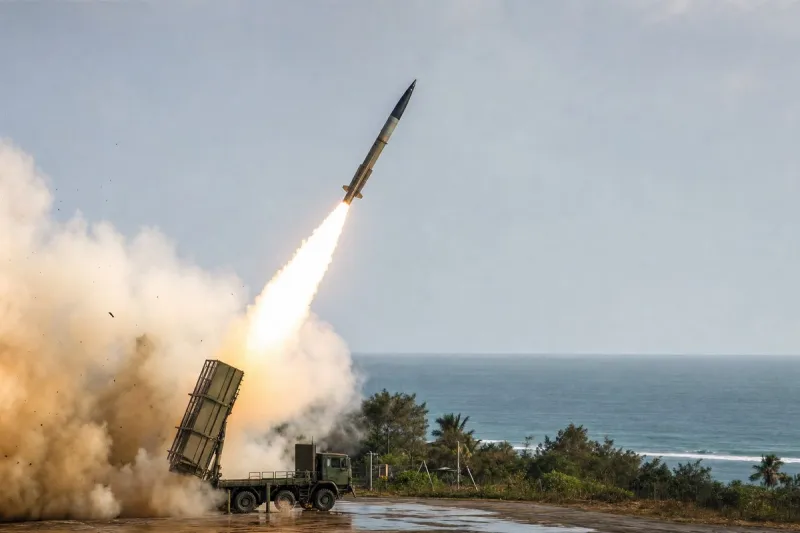
European regulators have directed airlines to avoid the Tehran flight information region throughout 2026 and frequently to avoid Iraqi airspace as well, classifying the guidance as a conflict-zone warning rather than a blanket closure tied to a conflict that began February 28 in the Middle East. Most operators are declining these routings regardless, given regulatory, insurance and duty-of-care exposure, which eliminates the direct Europe-to-South Asia corridor; flights such as Frankfurt to Hyderabad are materially lengthened, reducing payload margins and pushing flight-duty periods toward their limits.

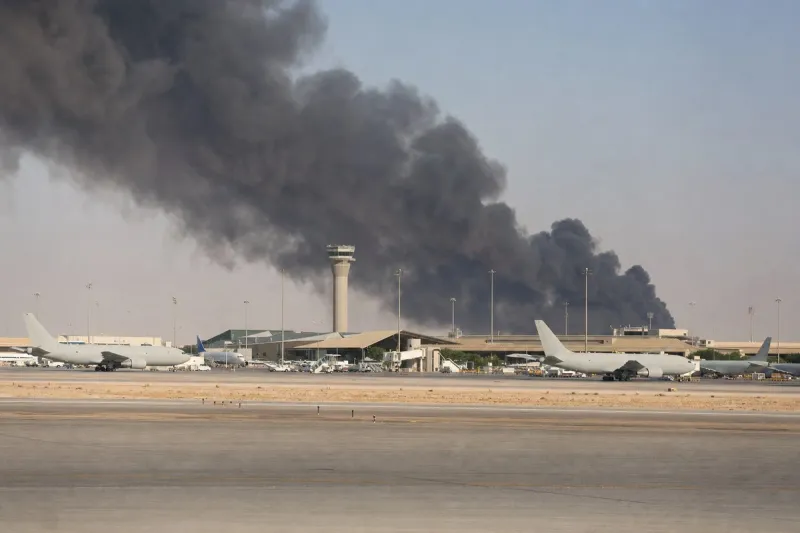
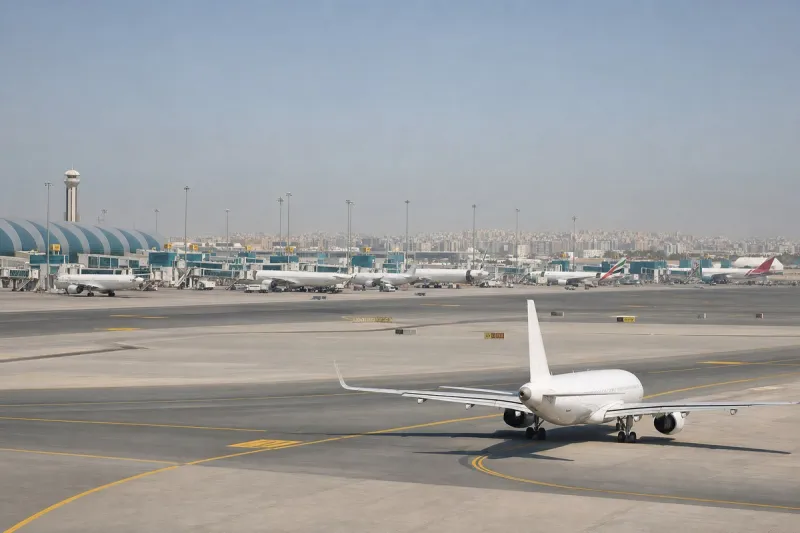
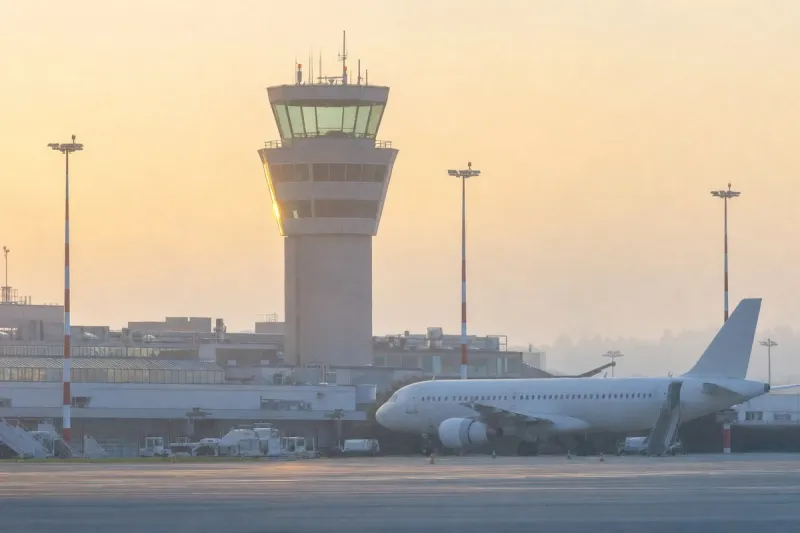
Kuwait's airport sustained a five-week closure following what was described as Iran's largest missile barrage since the conflict began, and Gulf aviation capacity is reported to be down roughly 25%. Dubai and Abu Dhabi are operating under continuing limited airspace capacity rather than full closure. British Airways has set November 3 for a Dubai resumption and deferred Abu Dhabi service to the winter 2027–2028 season, while Korean Air's Incheon–Dubai suspension has been extended indefinitely pending a review of Dubai's normalisation. Local Gulf carriers are resuming services.
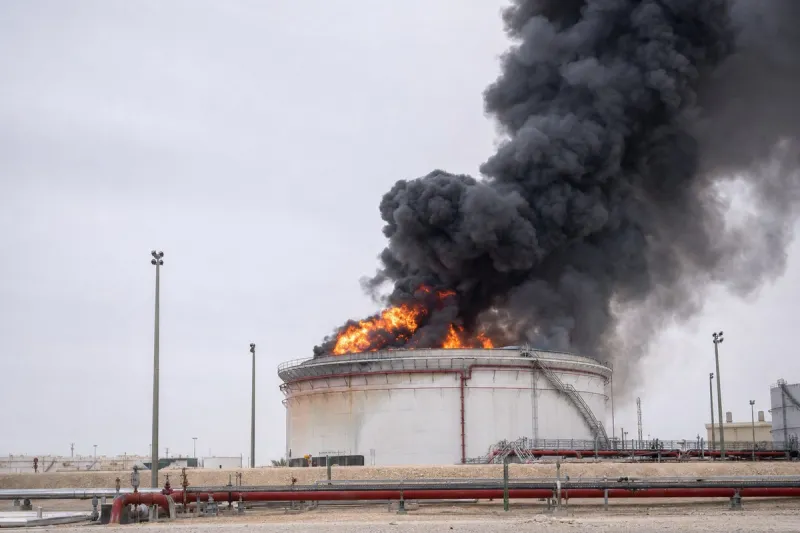
Houthi forces announced ballistic missile and drone attacks on September 16 against military and oil infrastructure in western Saudi Arabia, including the Aramco refinery at Yanbu, part of a campaign against Saudi oil infrastructure running since July; a missile aimed at Riyadh was intercepted. The US Mission in Saudi Arabia issued a security alert on September 19 covering Riyadh, Jeddah and Dhahran, placing the country at Level 3 and noting that Houthi hostilities have included civilian airports and that the conflict could escalate rapidly. Turkey remains the most reliable pivot in the region, with flights between the UK and Istanbul, Antalya and Ankara largely operating as scheduled and no new travel warnings issued for Turkey.
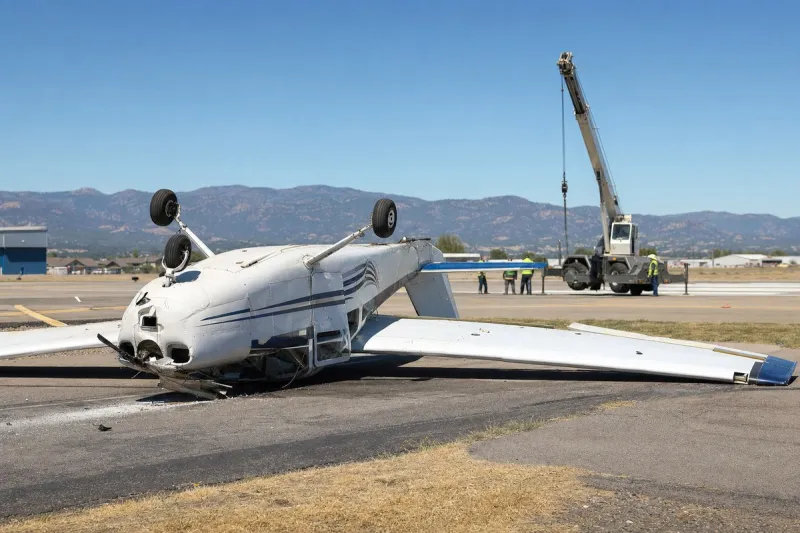
Brent crude has recently traded at $107.20 a barrel and WTI at $102.49. Crude volumes through the Bab el-Mandeb rose from 5.6 million barrels per day in Q1 to 8.1 million in Q2. Weather models point to a historic El Niño peaking in November 2026, with a tropical Pacific temperature anomaly of up to 4 degrees Celsius, and World Meteorological Organization data put the August ocean-temperature anomaly at 2.3 degrees. A glacier collapse near Langtang Lirung on August 26 sent a surge down Nepal's Trishuli River, registering as a magnitude-5.2 seismic event, with a death toll exceeding 1,000. In Japan, insurers have logged approximately 110,000 claims from the Kumamoto earthquake and around 32,000 from Chiba torrential rain. Separately, Air traffic controller shortages have produced cancellations and delays at Sydney, Layang-Layang Aerospace has grounded its BO 105 fleet following a Sarawak Flying Doctor Service crash, a VistaJet Cessna 560XLS+ landed in error at RAF Fairford on September 12, and King Air 260C deliveries are slipping to 2028–2030.
Industry impact & what to watch
Two independent stress sources are converging on the same operational planning window: a Middle East conflict reshaping routing and insurance, and a forecast super El Niño affecting weather-related risk in Asia and beyond. Together they illustrate how business aviation risk is rarely a single-variable problem — a flight-duty limit tightened by a diverted routing can compound with a fuel-reserve requirement driven by a war-risk alert, and both can be overtaken by a weather event nobody scheduled around.
The segment's structural response is visible in the data: capacity withdrawal is uneven rather than uniform. Local Gulf carriers are resuming services while international carriers like Korean Air hold suspensions indefinitely, and British Airways has pushed one route's resumption to November while deferring another by more than a year. This divergence shows that risk tolerance and route economics, not airspace status alone, determine which operators re-enter a corridor first.
What settles the near-term picture is concrete and dated: whether Dubai's airspace normalizes ahead of British Airways' November 3 target, whether the Houthi campaign against Saudi oil infrastructure escalates beyond the interception reported near Riyadh, and whether the El Niño anomaly tracks toward its forecast November 2026 peak. War-risk underwriting terms for any mission touching the Arabian Peninsula, Yemeni approaches, or Iranian and Iraqi overflight remain a line item that has to be confirmed in writing before contracting, not assumed from a prior quote.