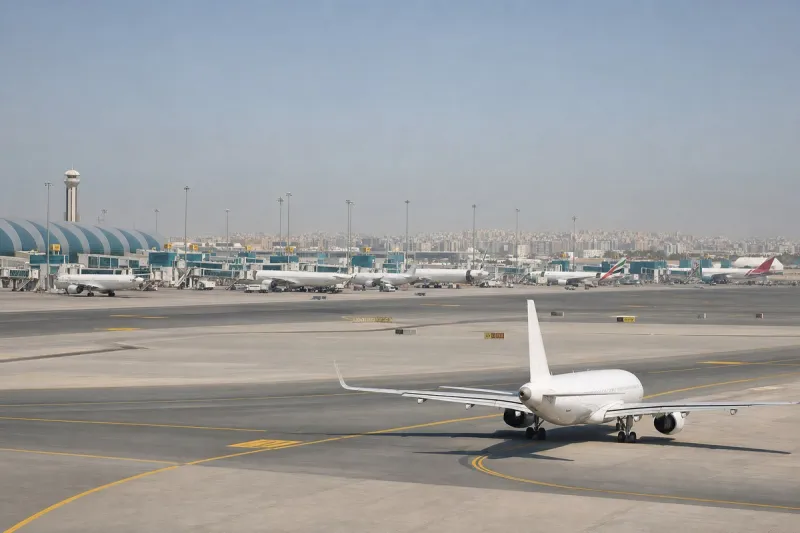
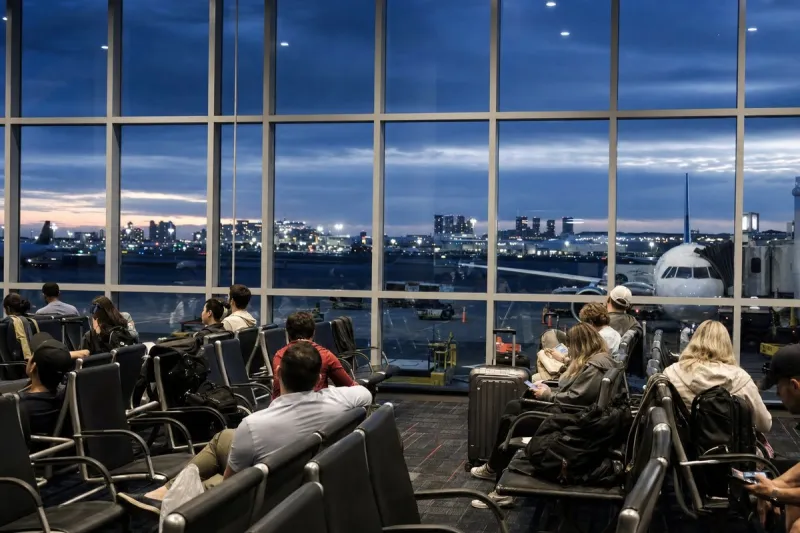
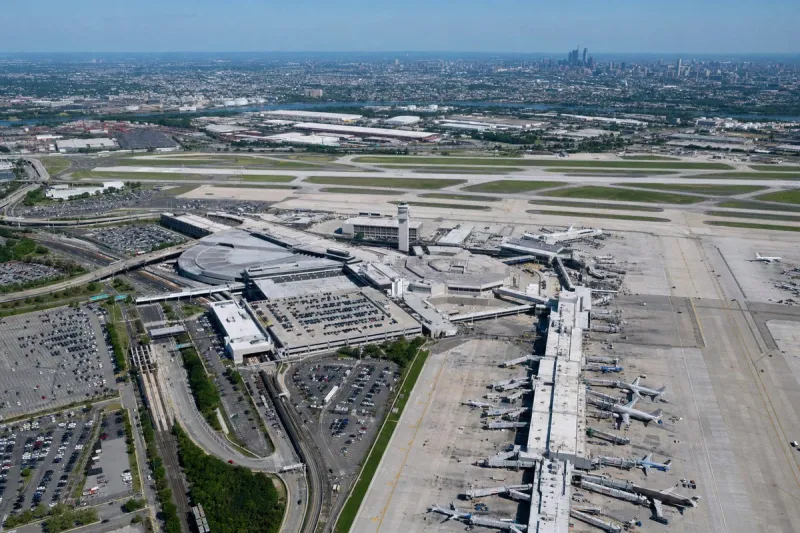
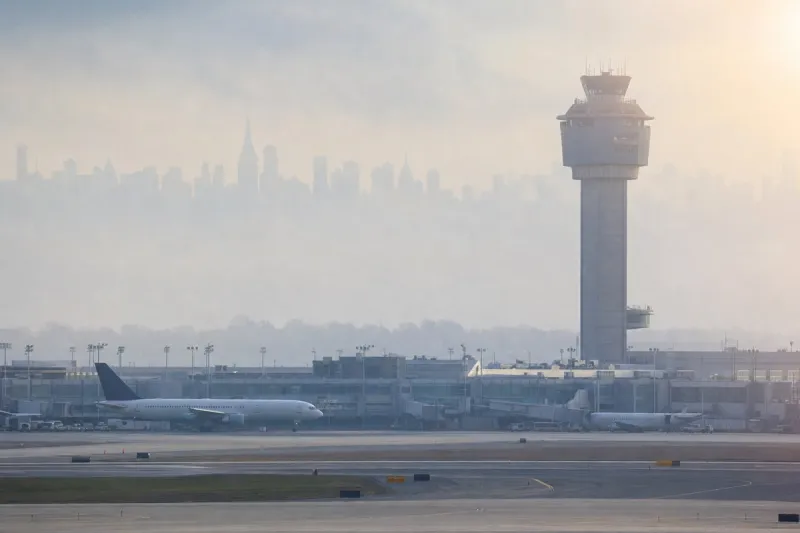
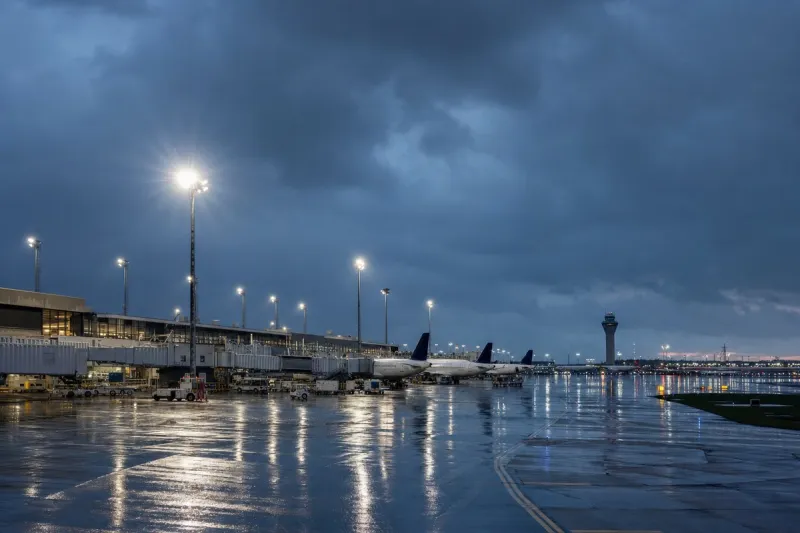
Houthi attack disrupts operations at Riyadh's King Khalid International Airport
Why It MattersRecurrent attacks near a major Gulf hub underscore how fast airspace risk can translate into flight disruption even when defenses intercept the majority of incoming threats.
What happened
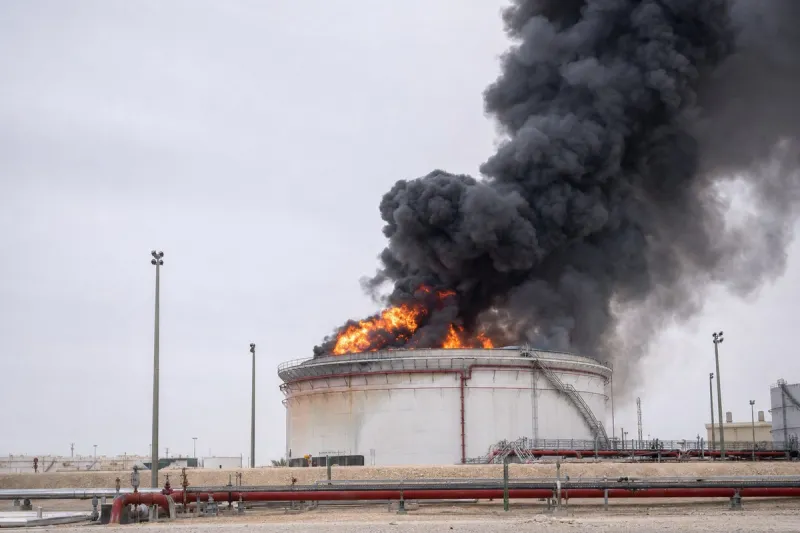
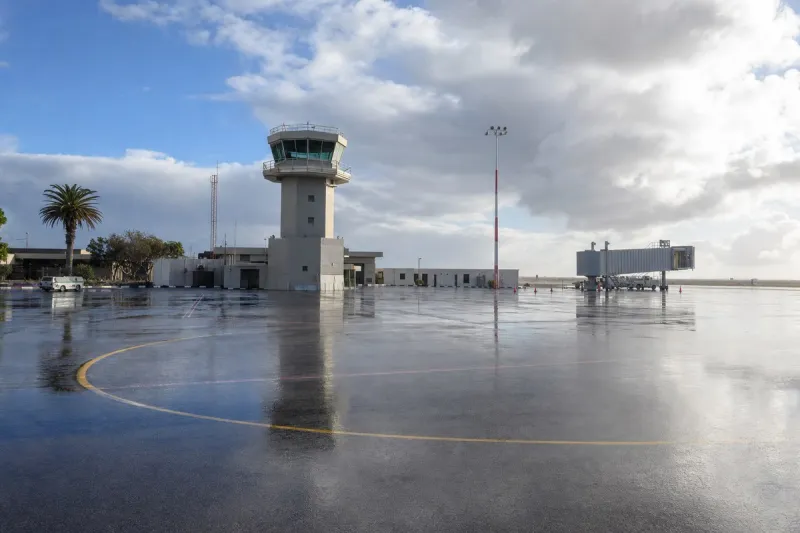
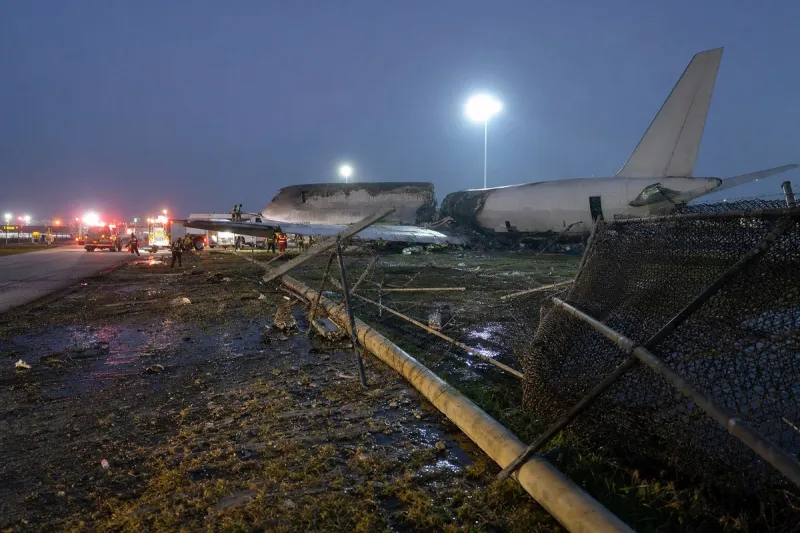
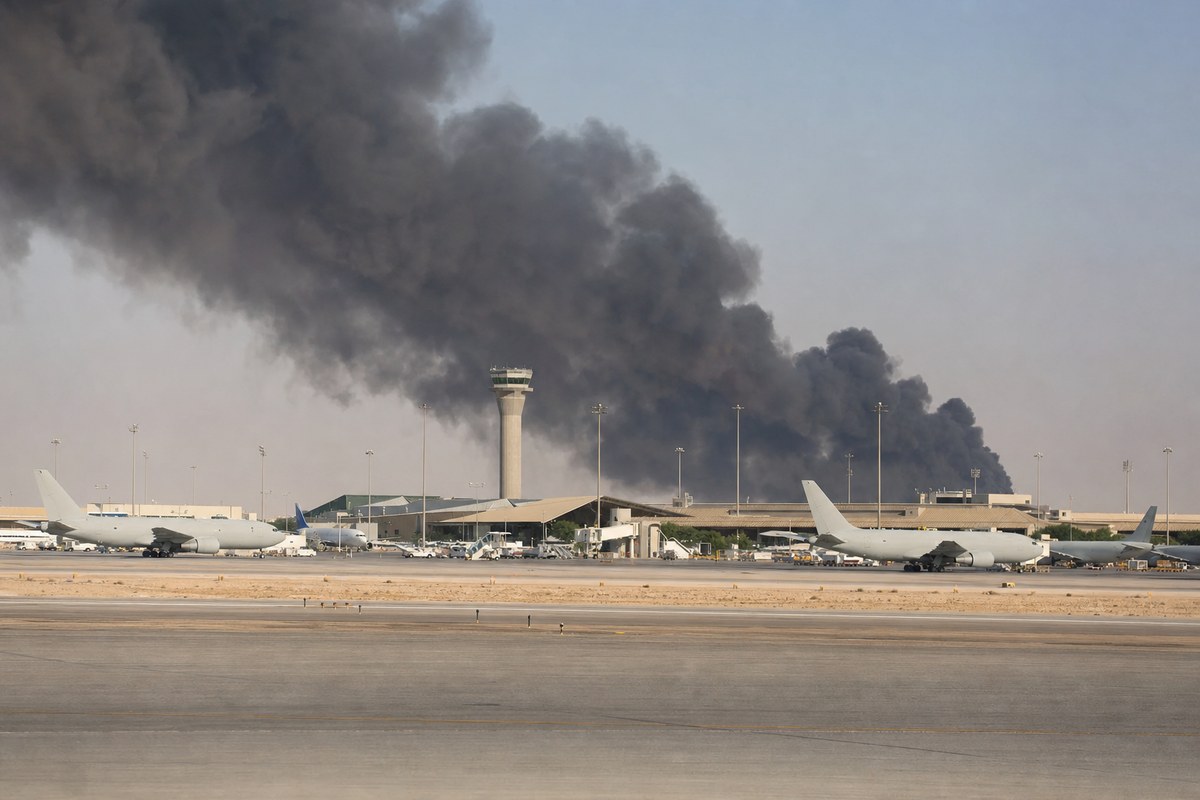
Saudi authorities issued an air-raid warning urging Riyadh residents to remain indoors after a Houthi attack targeted the capital. Explosions were heard near King Khalid International Airport, and a fire broke out at a nearby fuel depot, sending a large plume of black smoke into the air; emergency services extinguished the blaze.
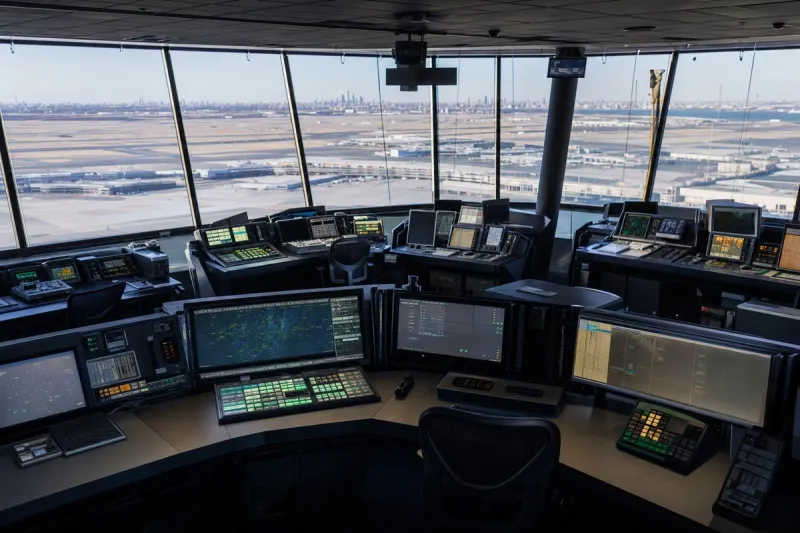
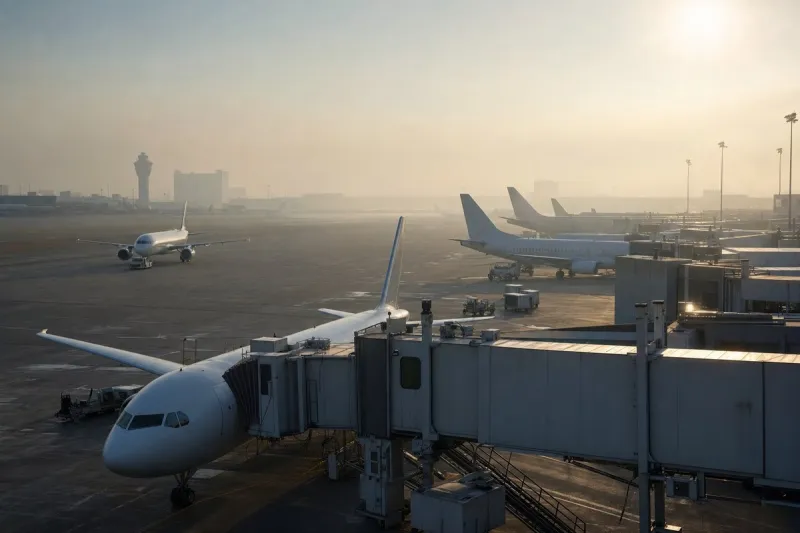
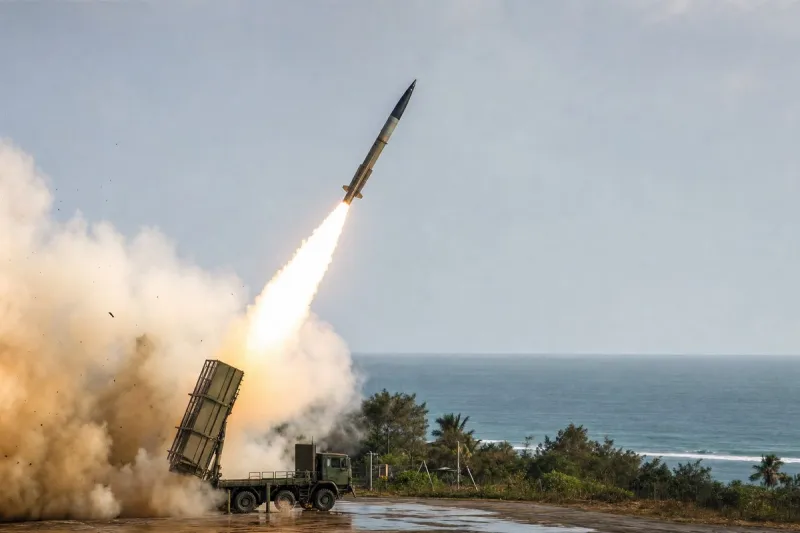
Flight-tracking services reported severe operational disruption at the airport, though Saudi authorities did not immediately provide details on cancellations, diversions, or damage to aviation infrastructure. The Saudi-led coalition said its air defences intercepted and destroyed a ballistic missile launched toward Riyadh, along with other incoming missiles and drones. The Houthis claimed they had targeted "sensitive sites" in the capital using ballistic and cruise missiles and unmanned aircraft, while whether any weapons reached their intended targets remains unclear.
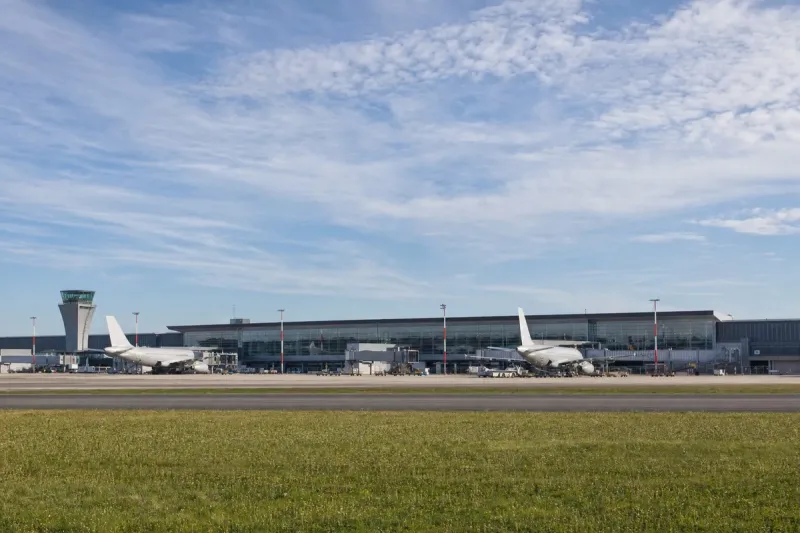
The group also claimed a separate attack on Saudi Aramco facilities at Yanbu, a major Red Sea port, describing both operations as retaliation for recent Saudi strikes on the Yemeni capital, Sanaa. King Khalid International is Saudi Arabia's second-busiest airport and serves as the principal hub for Riyadh Air, as well as a major base for Saudia and flynas.
Industry impact & what to watch
Attacks reaching the vicinity of a capital-city hub, rather than being intercepted well outside populated areas, put an airport's operational continuity under direct pressure regardless of whether the missiles or drones themselves cause physical damage. Airlines and air traffic authorities generally respond to that kind of proximity risk with ground stops, holding patterns, or diversions even absent confirmed infrastructure damage, because the warning itself changes the operating picture for a period of hours.
For a hub carrying a flag carrier, a national full-service airline, and a low-cost carrier simultaneously, any disruption cascades across three separate networks rather than one, which is what makes repeated incidents at this location harder to absorb than a single-carrier disruption elsewhere. The coalition's claim of successful interception against the Houthis' claim of a hit on "sensitive sites" leaves the operational outcome for the airport itself undetermined.
What happens at Yanbu, where Aramco facilities were also targeted, will matter to how this episode is read: a second confirmed impact would sharpen concerns about the reach of these attacks beyond Riyadh alone. Whether Saudi authorities release cancellation, diversion, or damage figures for King Khalid International will be the clearest signal of how disruptive this specific incident actually was.