Vilnius Airport Resumes Operations After Two-Hour Airspace Restrictions Imposed Over Balloon Navigation Signals
Why It MattersAirspace closures triggered by unauthorized aerial objects show how quickly a single unconfirmed signal can suspend airport operations pending safety clearance.
What happened
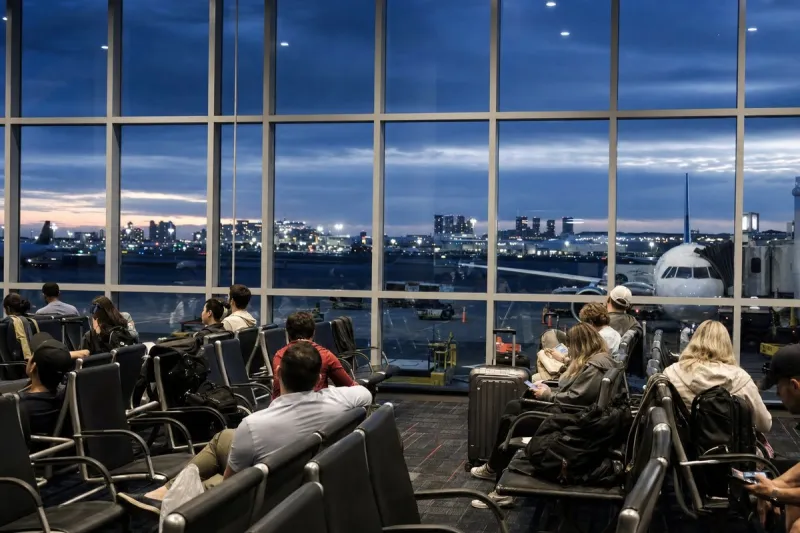
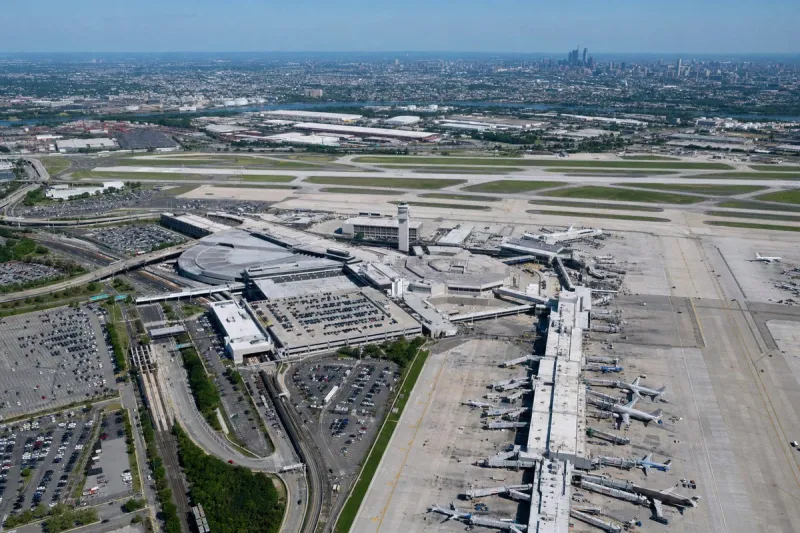
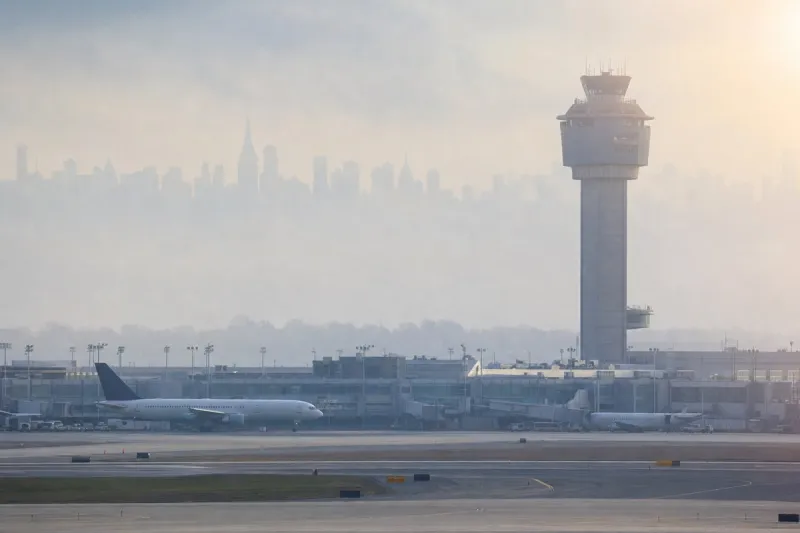
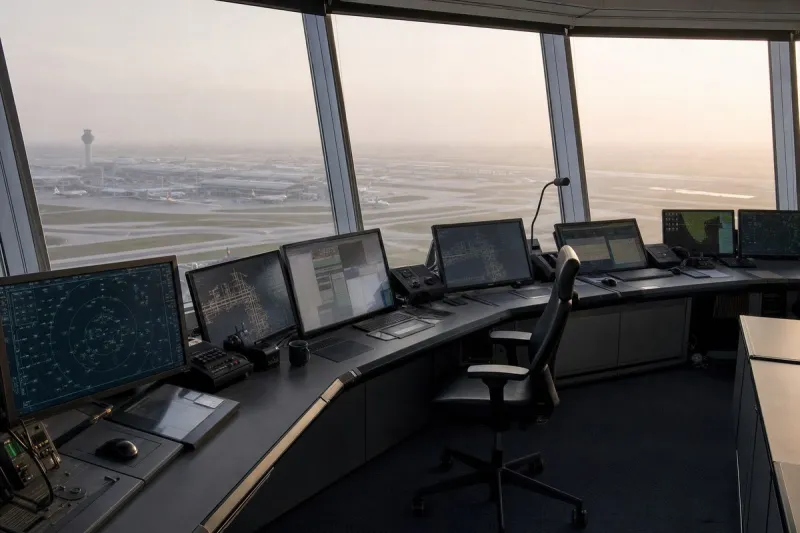
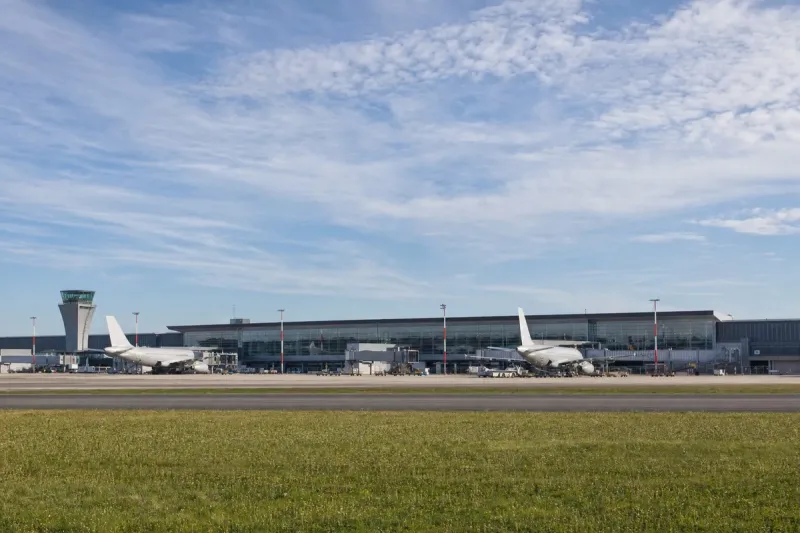
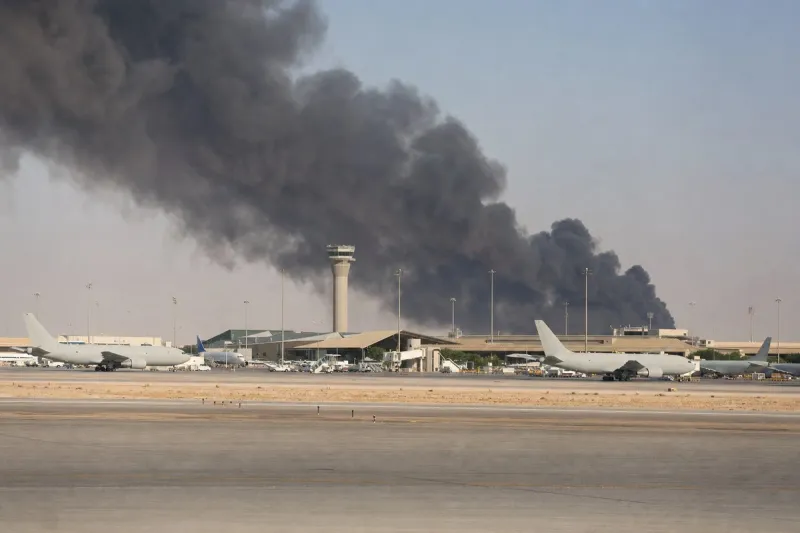
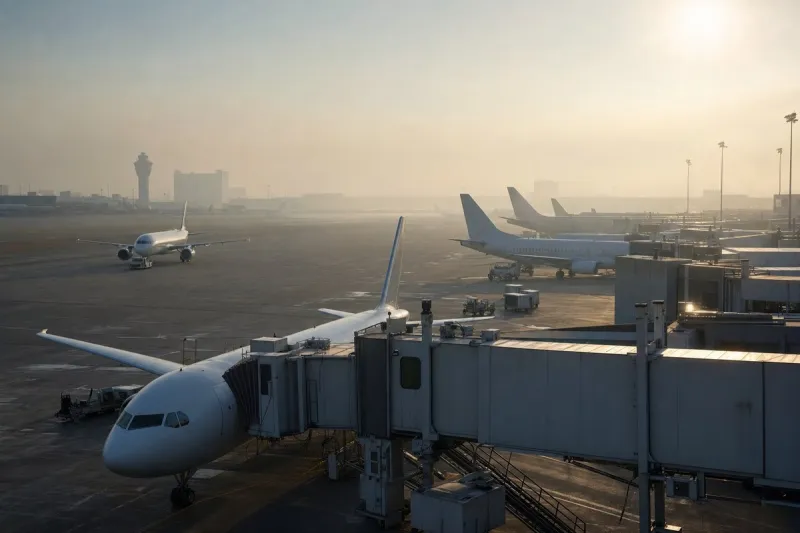
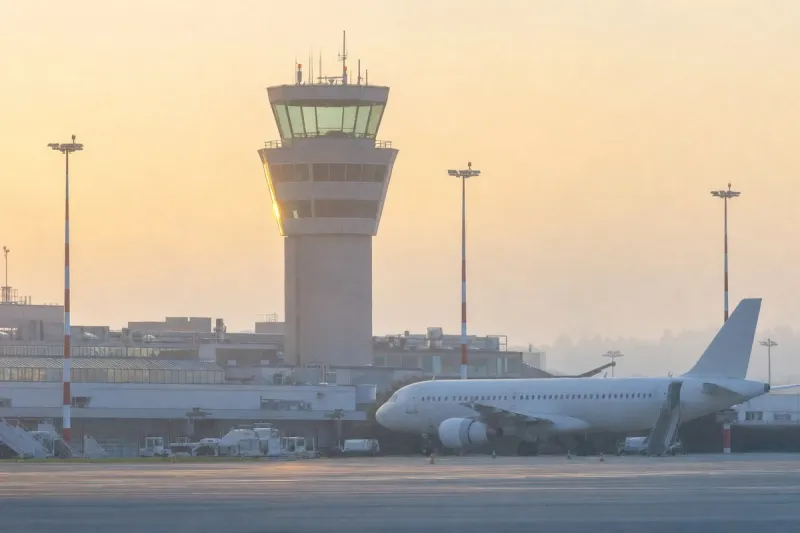
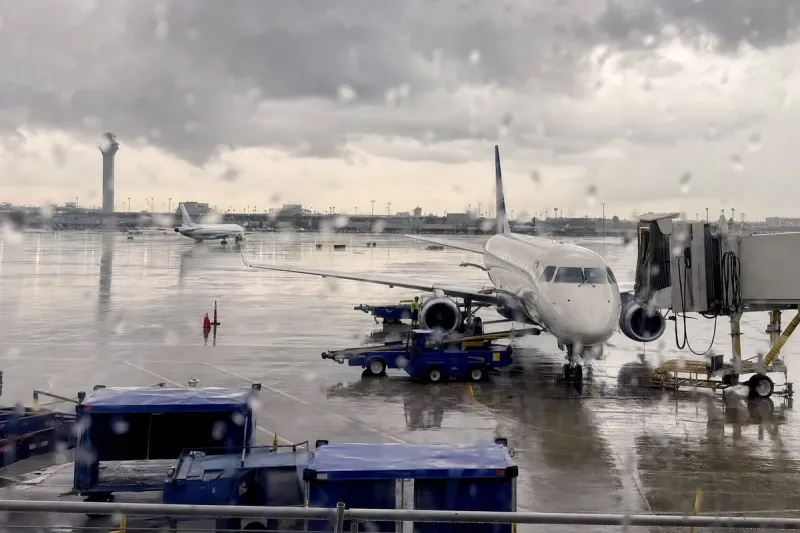
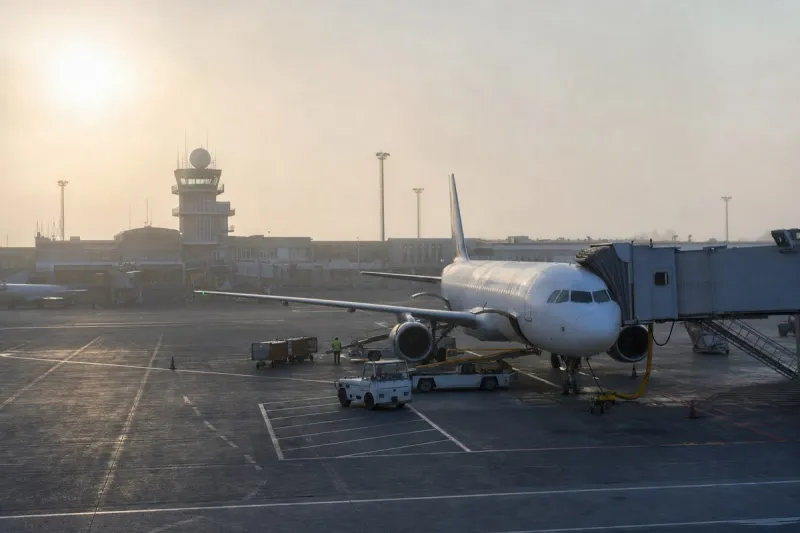
Vilnius Airport imposed airspace restrictions at 23:25, which it described as a response to a hybrid attack from Belarus against Lithuania, civil aviation, and society. The airport said navigation signals characteristic of balloons were recorded in areas of airspace considered dangerous for aviation.
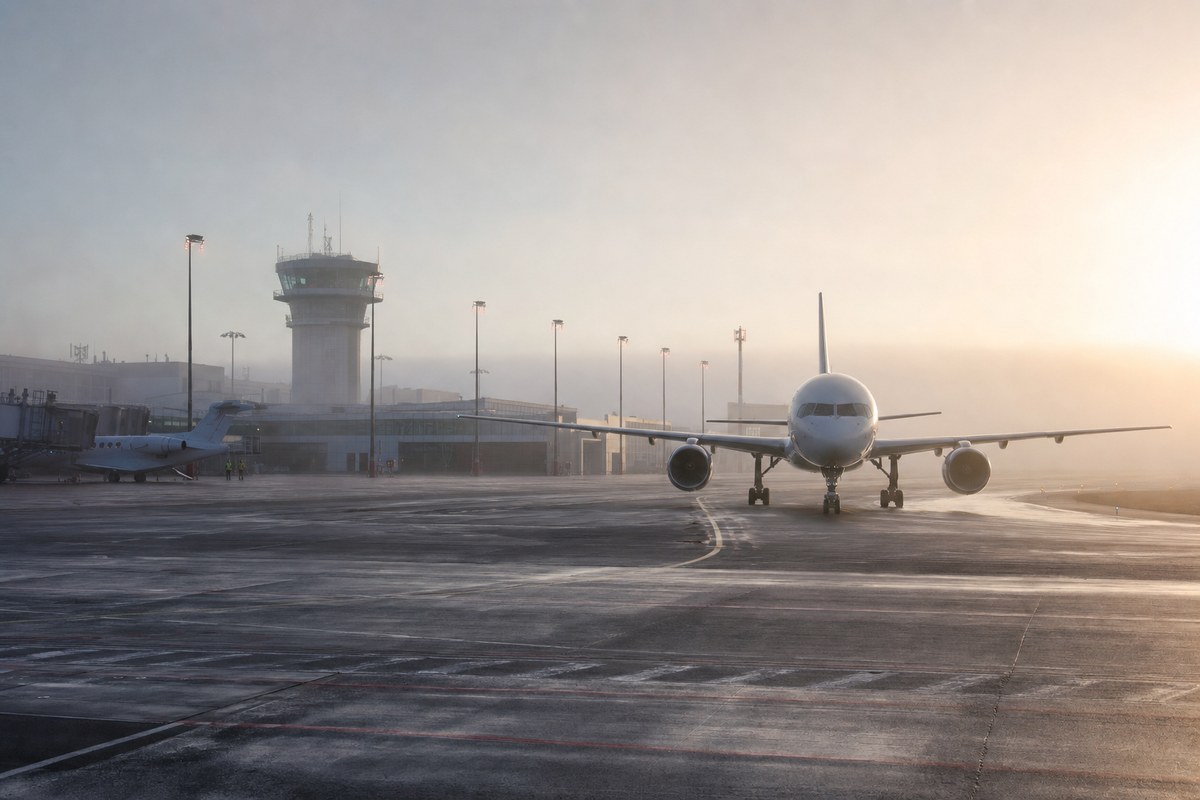
Flight restrictions remained in place for two hours. Operations resumed at 02:40 after the airspace restrictions were lifted.
Industry impact & what to watch
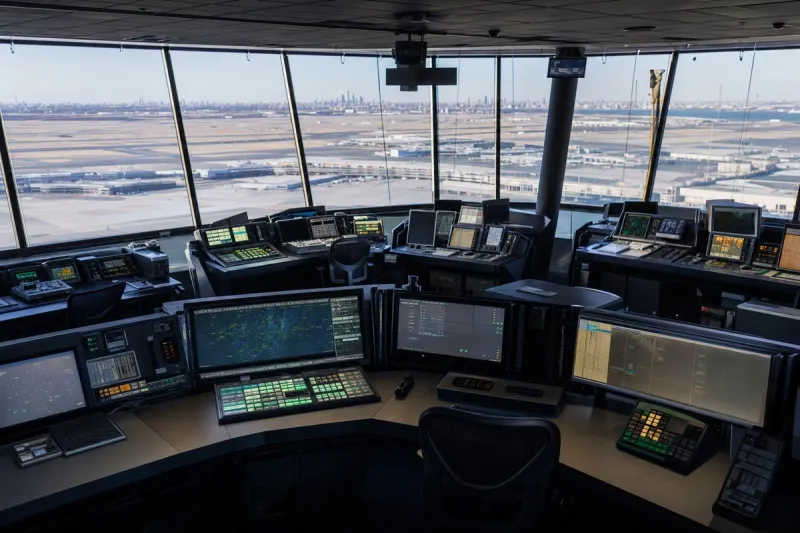
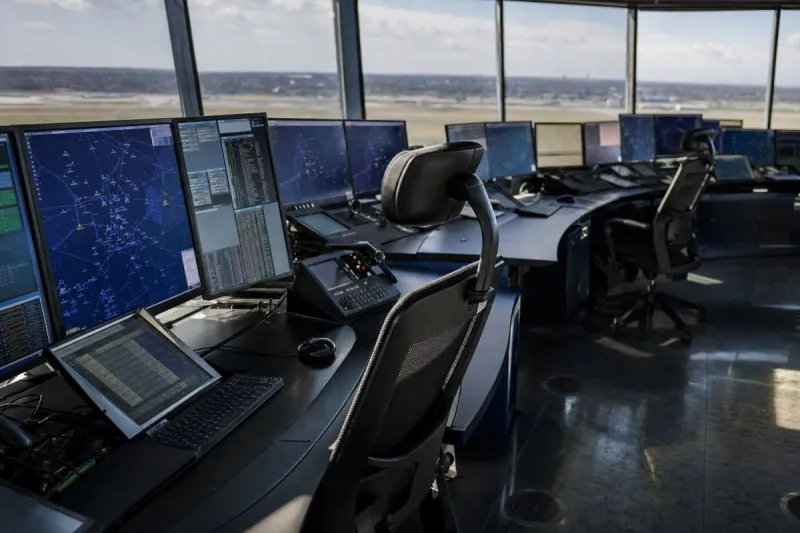
Airport-level airspace restrictions of this kind follow a standard safety protocol: when an uncontrolled or unidentified object's navigation signal is detected in airspace near active flight paths, controllers suspend operations until the risk is cleared, rather than attempting to route traffic around an unconfirmed hazard.
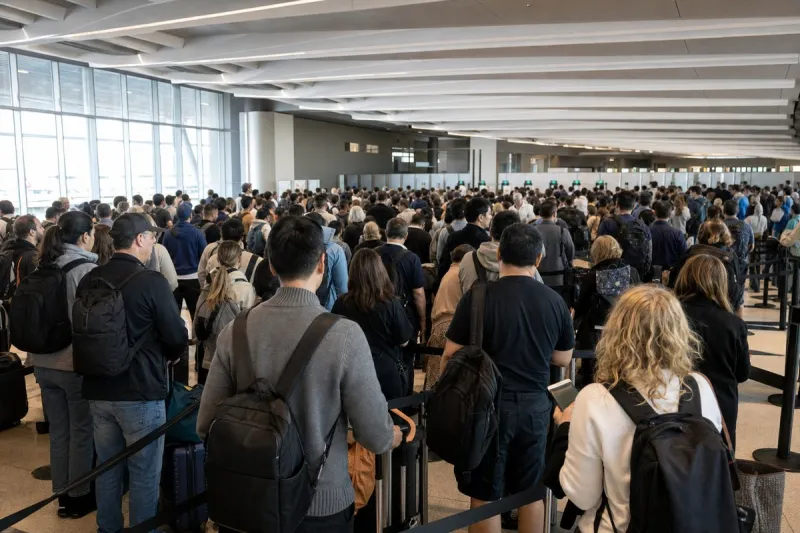
For an airport the size of Vilnius, a two-hour closure carries direct knock-on effects for departure and arrival sequencing, though the specifics of any delays or diversions were not detailed. The resumption of operations at 02:40 indicates the airspace was assessed as clear rather than that the underlying cause was resolved.
What happens next depends on whether Lithuanian authorities issue further findings on the source of the balloon-like signals and whether similar restrictions recur at Vilnius or other airports near the Belarusian border.