UAE Airports Open but Disruptions Persist as US-Iran Conflict Continues, Sept. 22, 2026
Why It MattersProlonged regional conflict is forcing Gulf carriers into rolling, route-by-route capacity adjustments rather than blanket shutdowns, leaving schedule reliability contingent on daily security assessments rather than fixed contingency plans.
What happened
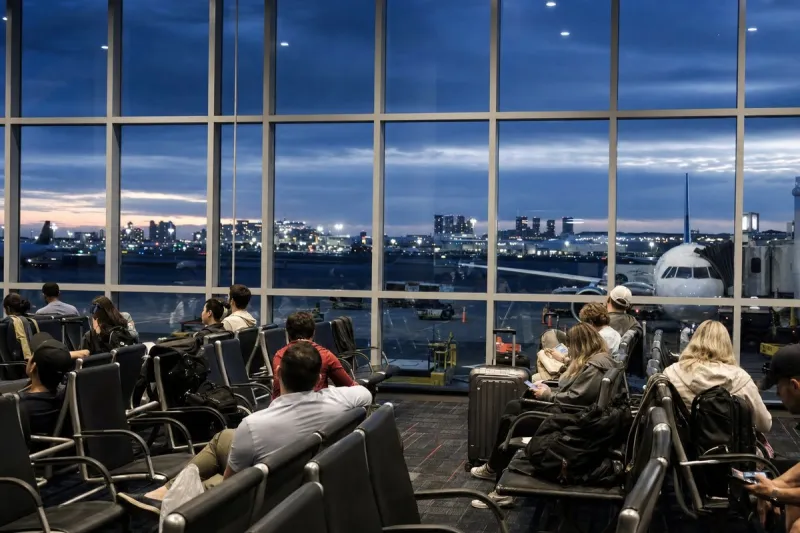
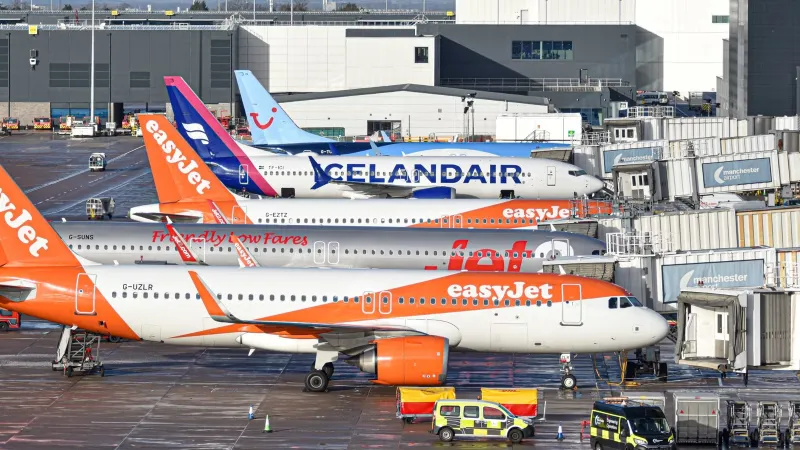
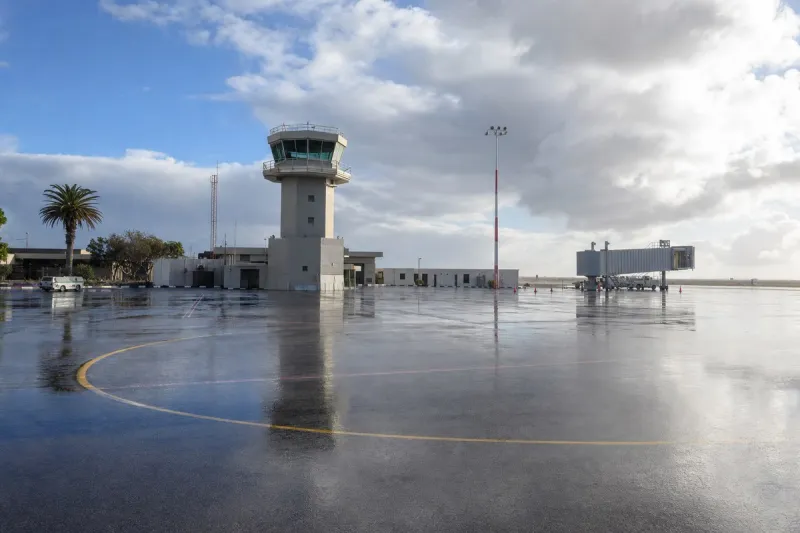
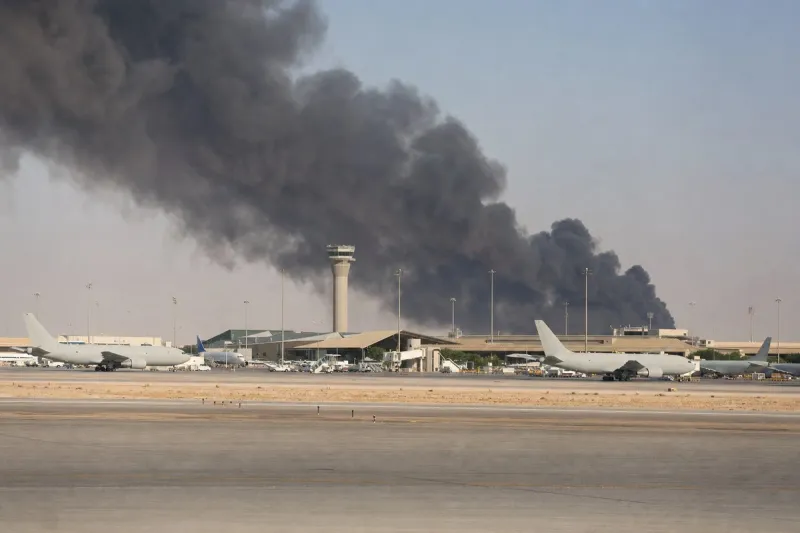
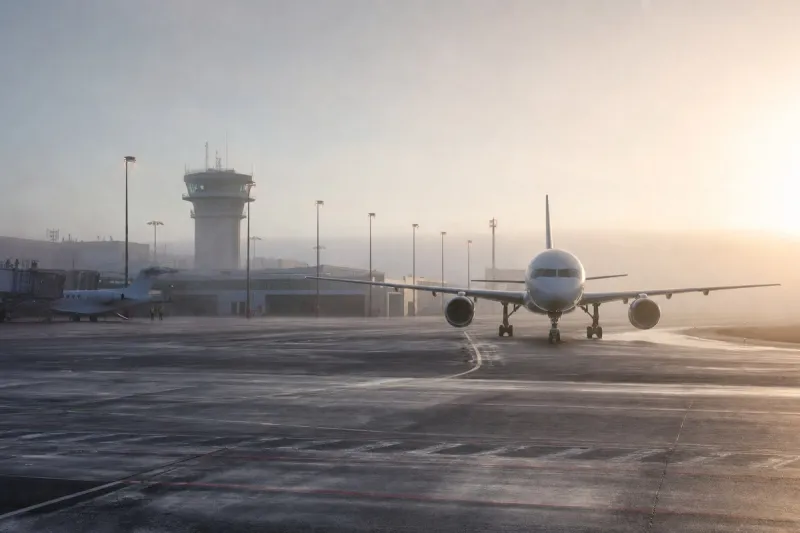
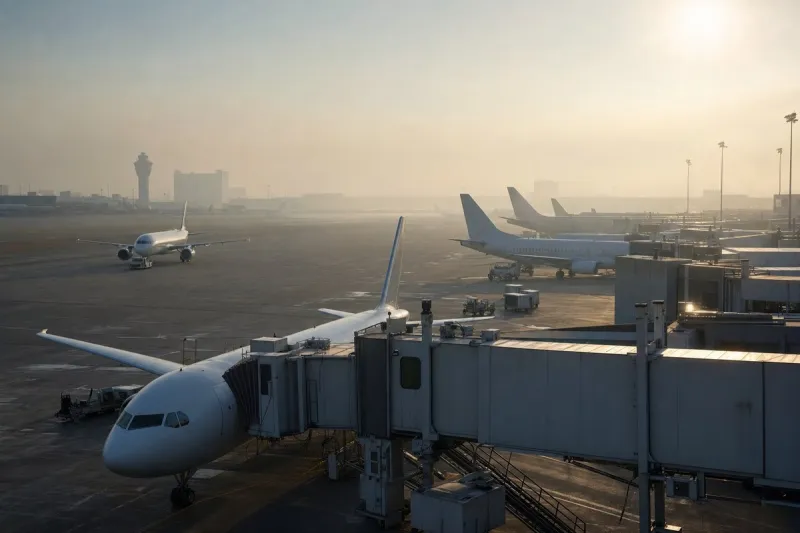
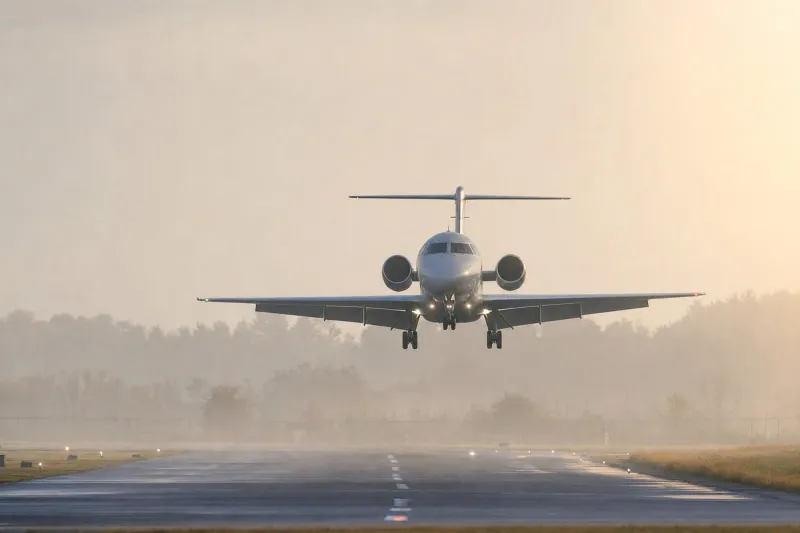
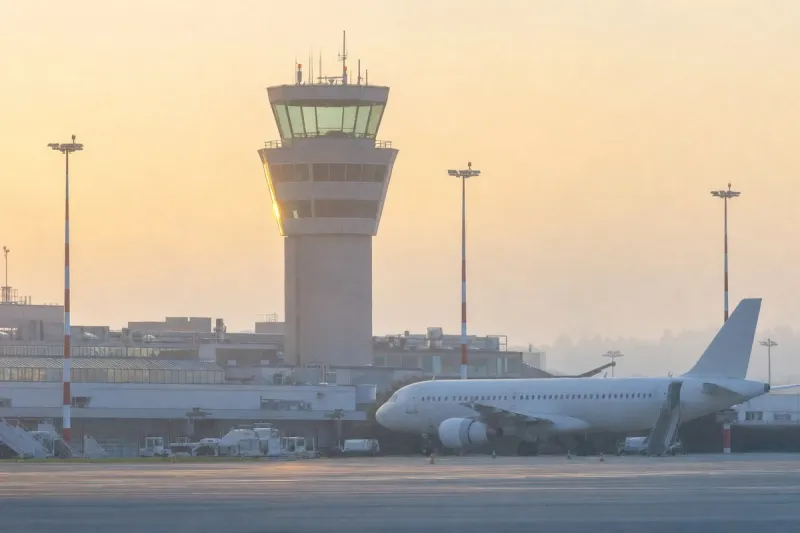
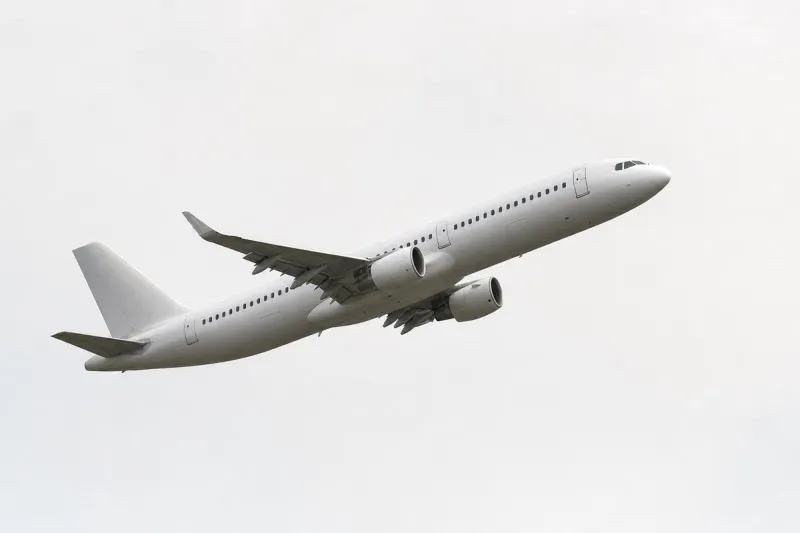
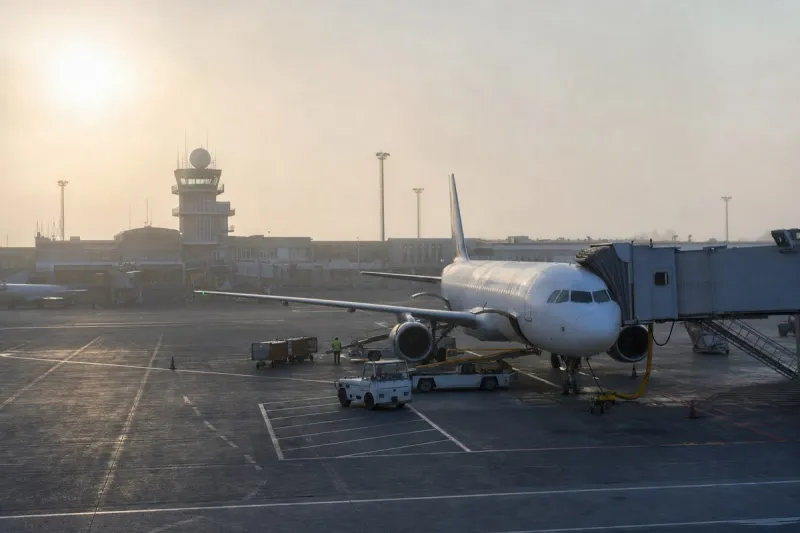
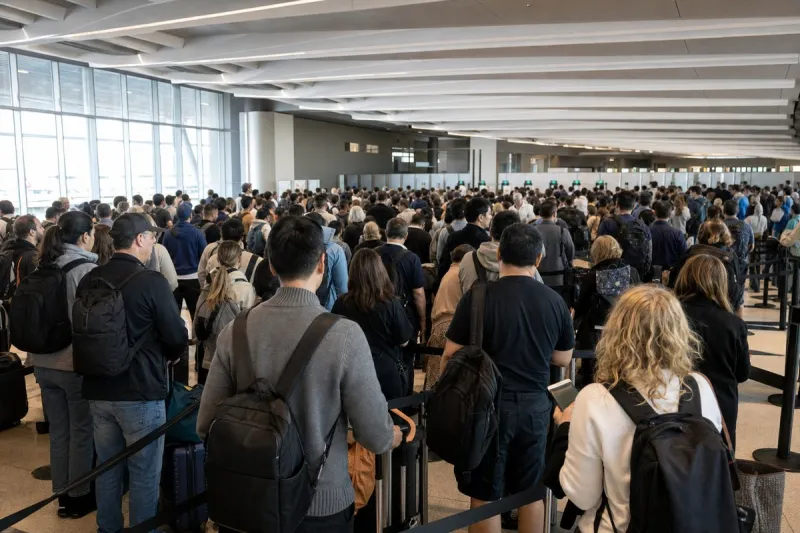
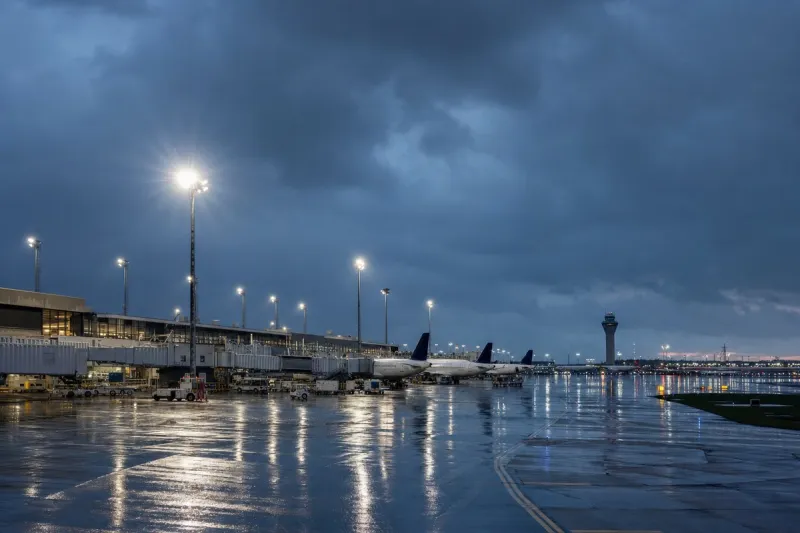
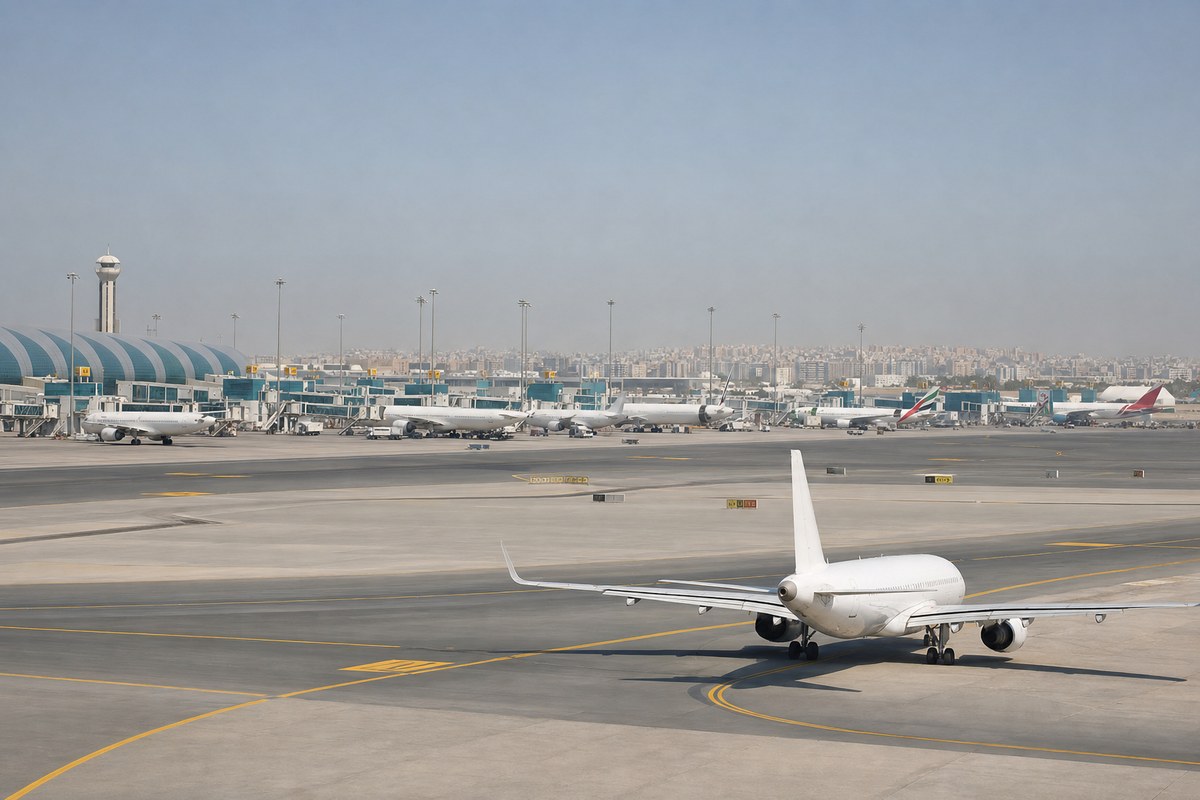
Dubai International Airport (DXB) and Zayed International Airport (AUH) in Abu Dhabi were operating without widespread closures as of September 22, 2026, though some flights had been delayed, cancelled or suspended amid the ongoing US-Iran conflict. Emirates continued scheduled services to Bahrain and Kuwait, while Etihad Airways largely maintained services to Bahrain, Kuwait, Riyadh, Al Qassim and Medina, though its Abu Dhabi-Dammam and Abu Dhabi-Jeddah services were delayed. flydubai recorded cancellations including its Dubai-Bahrain and Dubai-Yanbu services and advised passengers to arrive at the airport at least four hours before departure. Air Arabia cancelled selected Sharjah-Kuwait, Sharjah-Bahrain and Abu Dhabi-Kuwait flights. UAE carriers suspended all flights to Iran, and Turkish Airlines also suspended Iran services until at least a stated date.
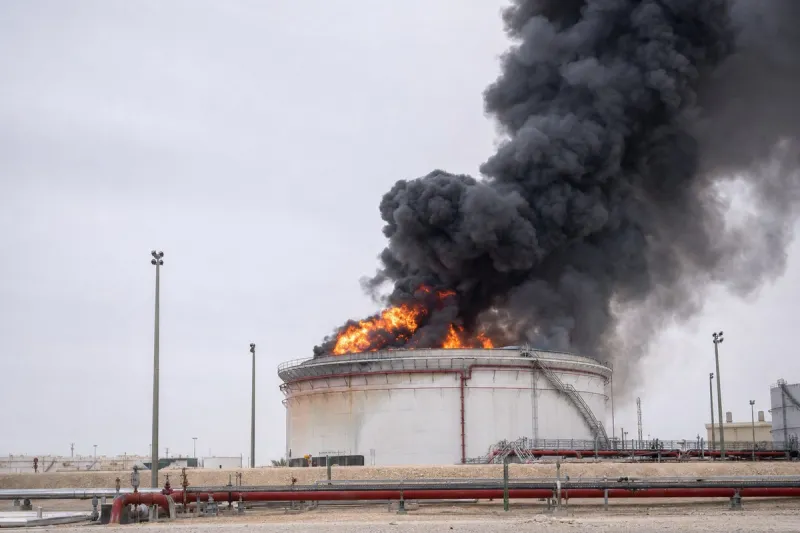
In the Strait of Hormuz, a tanker was struck by an "unknown projectile" while entering the strait on Monday, according to the United Kingdom Maritime Trade Operations center. Two crew members suffered minor injuries and the vessel continued under its own power. US Central Command reported it had redirected 109 commercial vessels as of September 20 as part of enforcement of a naval blockade against Iran, and commercial shipping through the strait remained well below normal levels. A Qatar-to-Pakistan liquefied natural gas shipment transited Hormuz over the weekend after Pakistan secured passage.
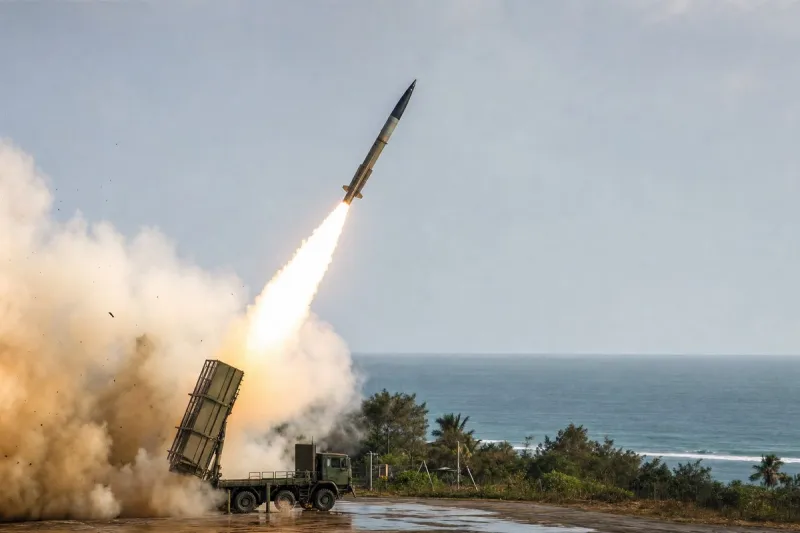
Middle East oil producers continued exporting oil on tankers traveling with their transponders switched off, so visible ship-tracking data does not capture all traffic through the strait. An IRGC spokesman said Iran would "change the geography of the war" if the United States escalated, while Iranian Parliament Speaker Mohammad-Bagher Ghalibaf said Iran would not reopen Hormuz unless conditions including commitments related to the US naval blockade were met. Iran's military command warned regional governments that supporting US military operations could make them parties to the conflict. Oil prices fell sharply on Monday on hopes for US-Iran diplomacy and signs of recovering Saudi exports, and Saudi Arabia has sought to restore export flows following attacks on its East-West pipeline, an alternative route bypassing Hormuz. US authorities have advised citizens to reconsider travel to and through the Middle East due to risks of sudden flight cancellations and airspace restrictions.
Industry impact & what to watch
This pattern of open hub airports paired with selective route suspensions shows how Gulf carriers are managing conflict risk operationally: keeping major hubs functioning while pruning the specific city pairs closest to the contested airspace and waterway. Emirates and Etihad sustaining service to Bahrain, Kuwait and Saudi points while flydubai and Air Arabia cut narrower regional routes indicates decisions are being made flight-by-flight rather than through a single network-wide response.
The maritime and aviation risks are now feeding into each other. The tanker strike near Hormuz, the redirection of 109 commercial vessels, and tankers running with transponders off all point to a shipping environment where actual traffic volumes are harder to verify than official figures suggest, and that same uncertainty extends to airspace status around the strait. Iran's conditions for reopening Hormuz, tied to the naval blockade, mean the maritime chokepoint and the aviation disruption are likely to move together rather than resolve separately.
What happens next depends on whether the diplomatic signals behind Monday's oil price drop translate into any de-escalation, and whether Saudi Arabia's pipeline route continues to absorb export volume that would otherwise need Hormuz. Ghalibaf's stated conditions for reopening the strait give the clearest marker to watch, since any change in the naval blockade posture would be the trigger for a shift in both shipping and flight patterns.