US warns foreign aviation firms of dollar-system exclusion if they service Iranian airlines after Sept 23
Why It MattersThe episode shows how US dollar-clearing dependence lets Washington extend sanctions leverage over routine aviation services like fuel, ground handling and ticketing well beyond its own borders.
What happened
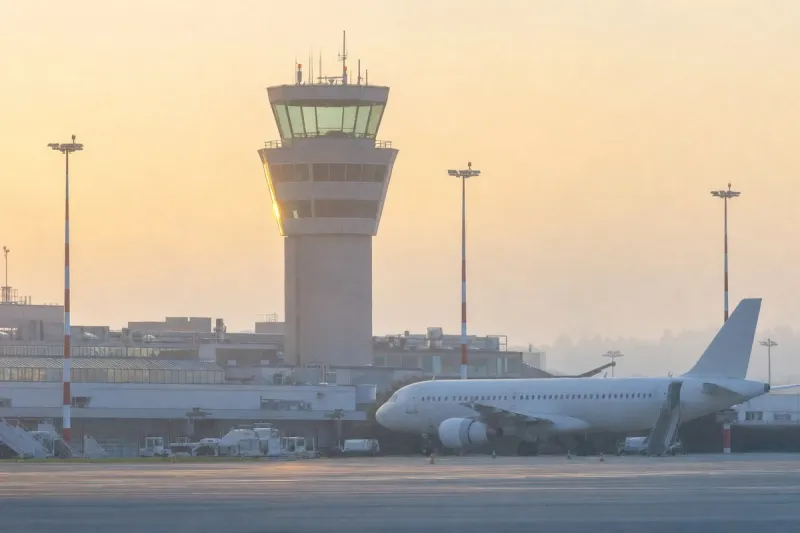
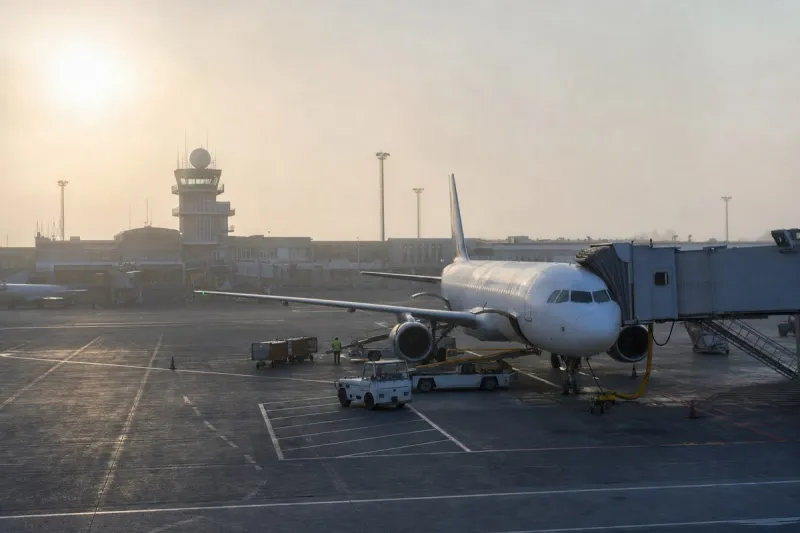
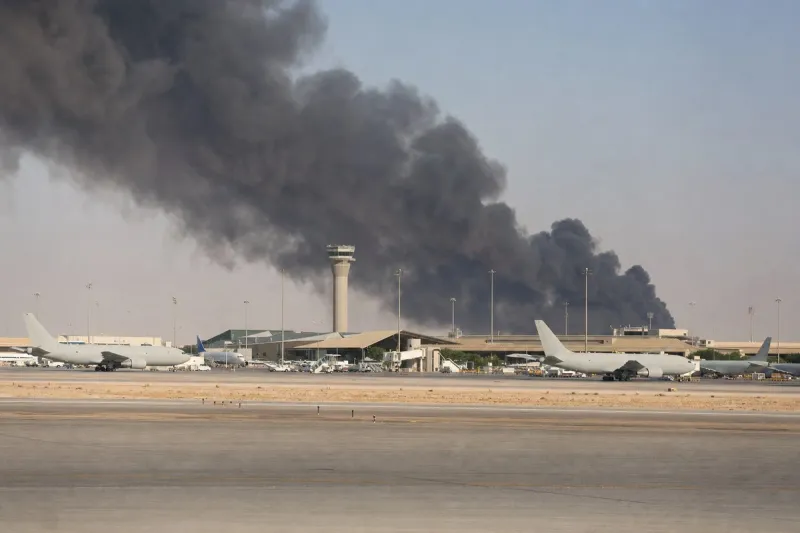
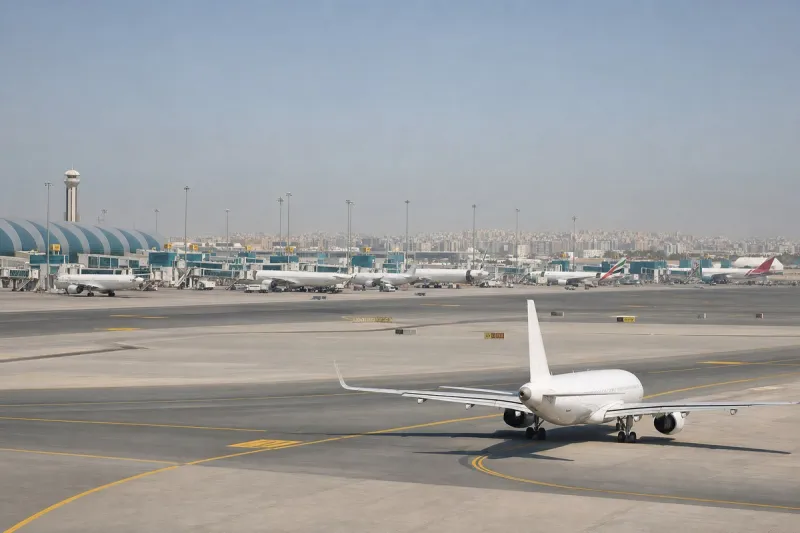
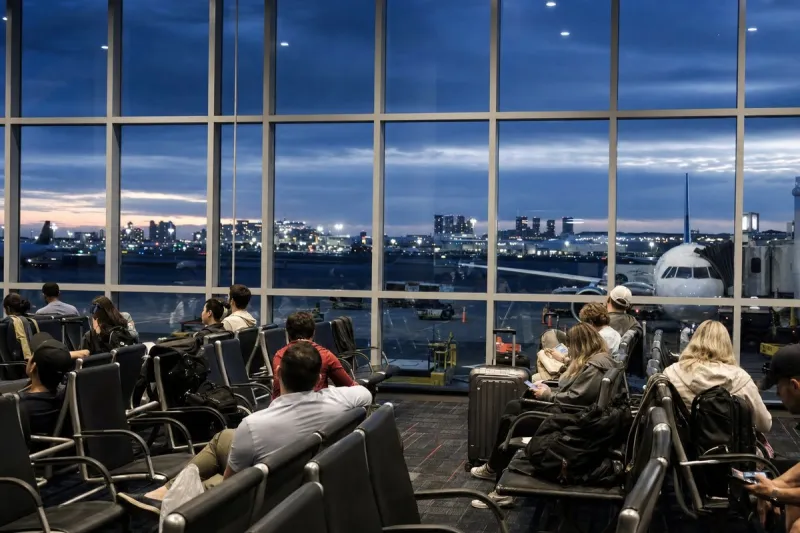
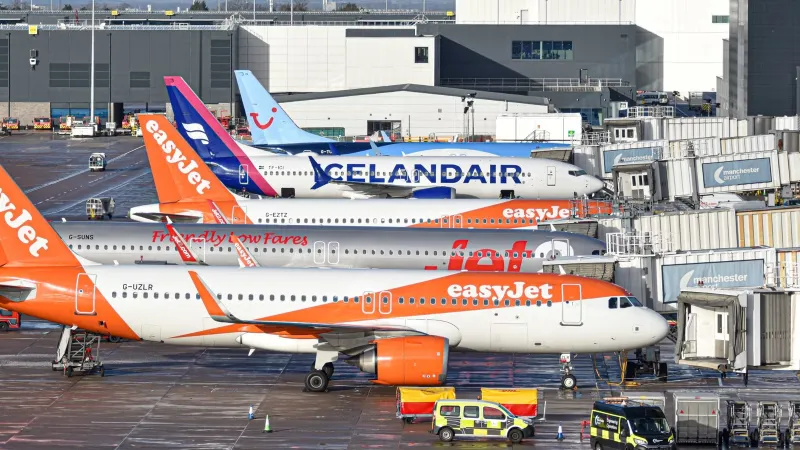
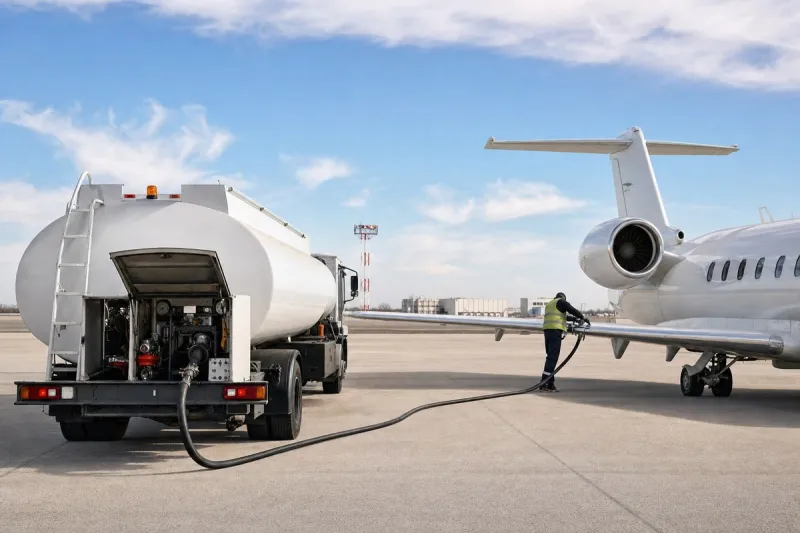
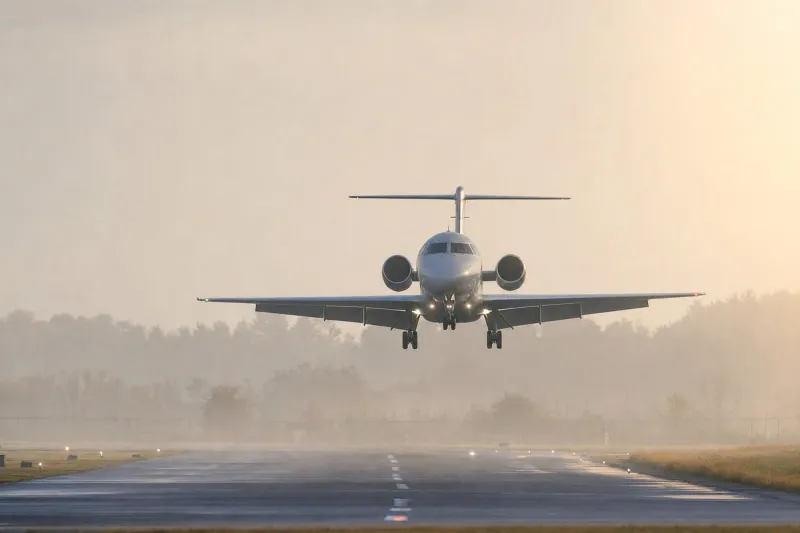
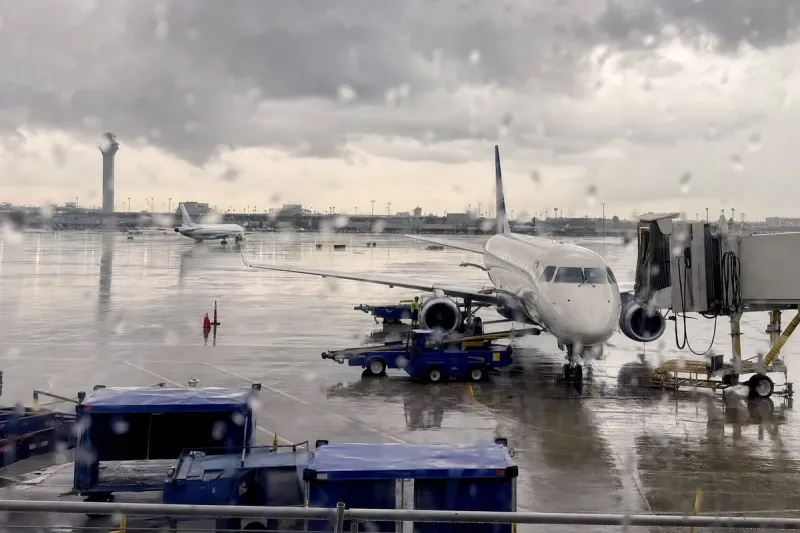
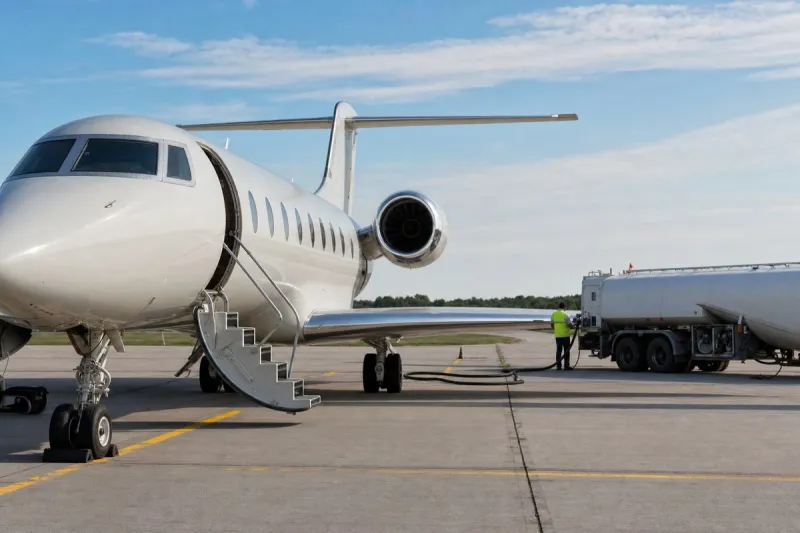
US Treasury Secretary Scott Bessent said on CNBC that Iranian commercial airlines face being shut out of the global aviation system starting September 23, as Washington widens sanctions pressure on Tehran. "On September 23rd, all the Iranian airlines will be shut down around the world," Bessent said, warning that airports, ground-handling companies and ticketing agents that keep servicing Iranian carriers risk exclusion from the US dollar system. He described the mechanism bluntly: "If they land, you cannot provide them with fuel, you cannot provide them with landing services, you cannot sell them tickets, or you will be knocked out of the dollar system."
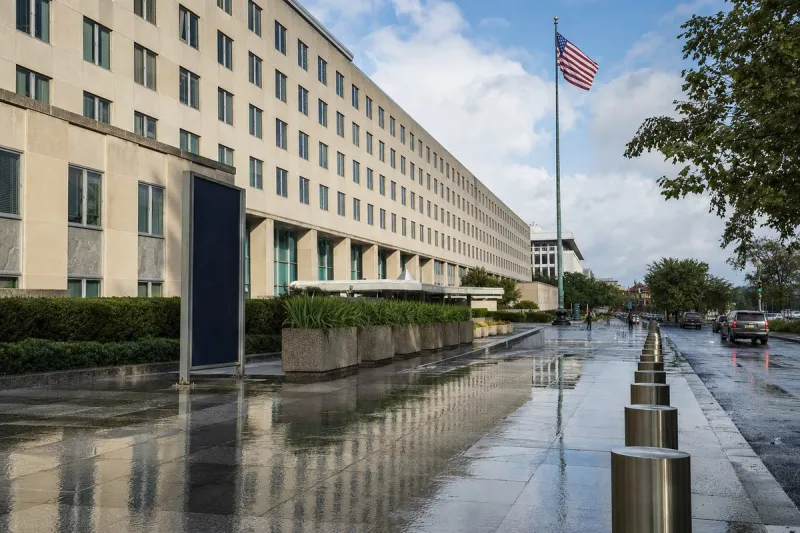
The warning builds on measures announced earlier in September. On September 8, the Treasury Department sanctioned 36 targets tied to Iran's aviation sector, including 27 Iranian airlines along with foreign companies and intermediaries accused of helping Iran procure aircraft, aviation technology and related services. These actions fall under Operation Economic Outcast, a campaign launched in August that also targets Iran's shipping, technology, gold and digital-asset networks.
The threat has already produced a concrete response: Mahan Air, one of Iran's largest private airlines, suspended flights to Turkiye starting September 21 after Turkish authorities asked the carrier to halt services over concerns about US sanctions exposure. In July, the Treasury had sanctioned entities and individuals in China, India and Russia for providing financial, logistics and commercial support to Mahan Air. Bessent also said Chinese financial officials have been in talks with Washington regarding compliance with the new sanctions, noting China's role as one of Iran's key economic partners.
Industry impact & what to watch
This case illustrates a familiar sanctions pattern: rather than sanctioning airlines directly at scale, Washington leans on the dollar-clearing system that underpins fuel purchases, landing fees and ticket sales worldwide, making compliance a condition of continued access to routine banking. Because so much aviation commerce settles in dollars, even airports and handlers with no direct US exposure face pressure to comply, since the cost of non-compliance is exclusion from a currency system most global trade depends on.
How this plays out for other carriers will depend on enforcement choices by third countries. Turkiye's request that Mahan Air halt flights shows how quickly a single government can act once its own banks or airports weigh dollar-system risk against continued service to a sanctioned carrier. That calculus is likely to repeat wherever airports or ground handlers process significant dollar-denominated transactions.
The clearest signal to watch is whether China follows through on the compliance talks Bessent described, given its scale as an economic partner to Iran and its aviation and financial links across the region. Whether other governments issue similar directives to airports and handlers before September 23 will show how far this pressure extends beyond Turkiye's early move.