FAA Communications Outage Near Philadelphia Triggers Multi-Day Flight Disruptions Across U.S. Northeast
Why It MattersThe episode shows how a single severed data link in a congested corridor can cascade into multi-day disruption once crew duty-time limits and aircraft positioning compound the initial delay.
What happened
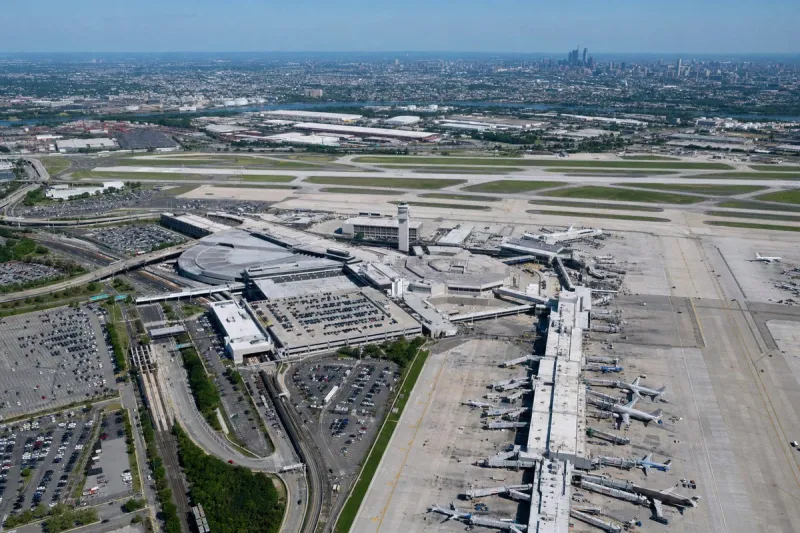
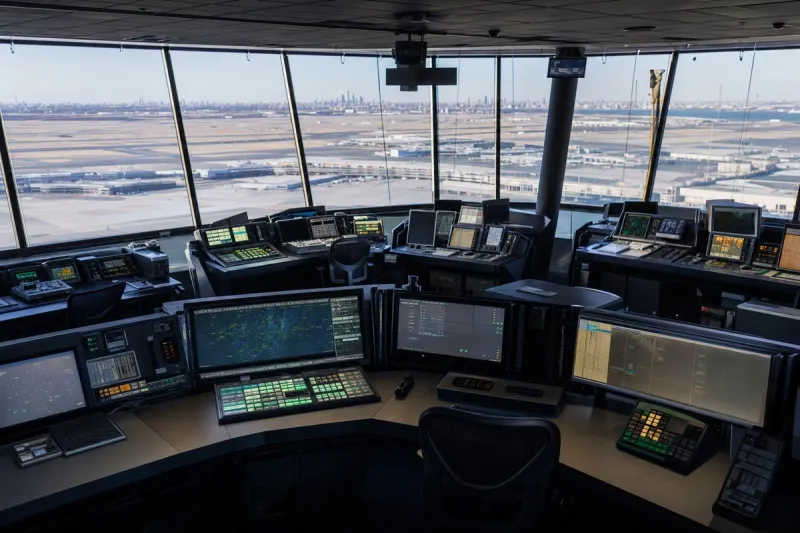
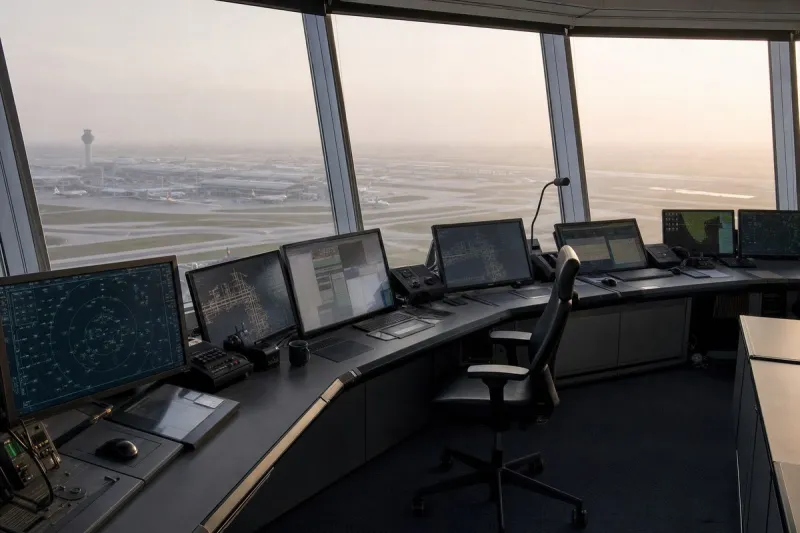
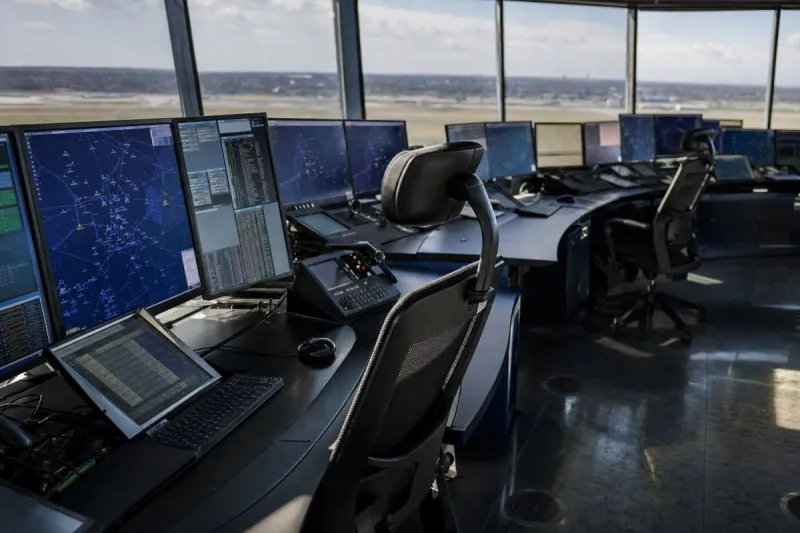
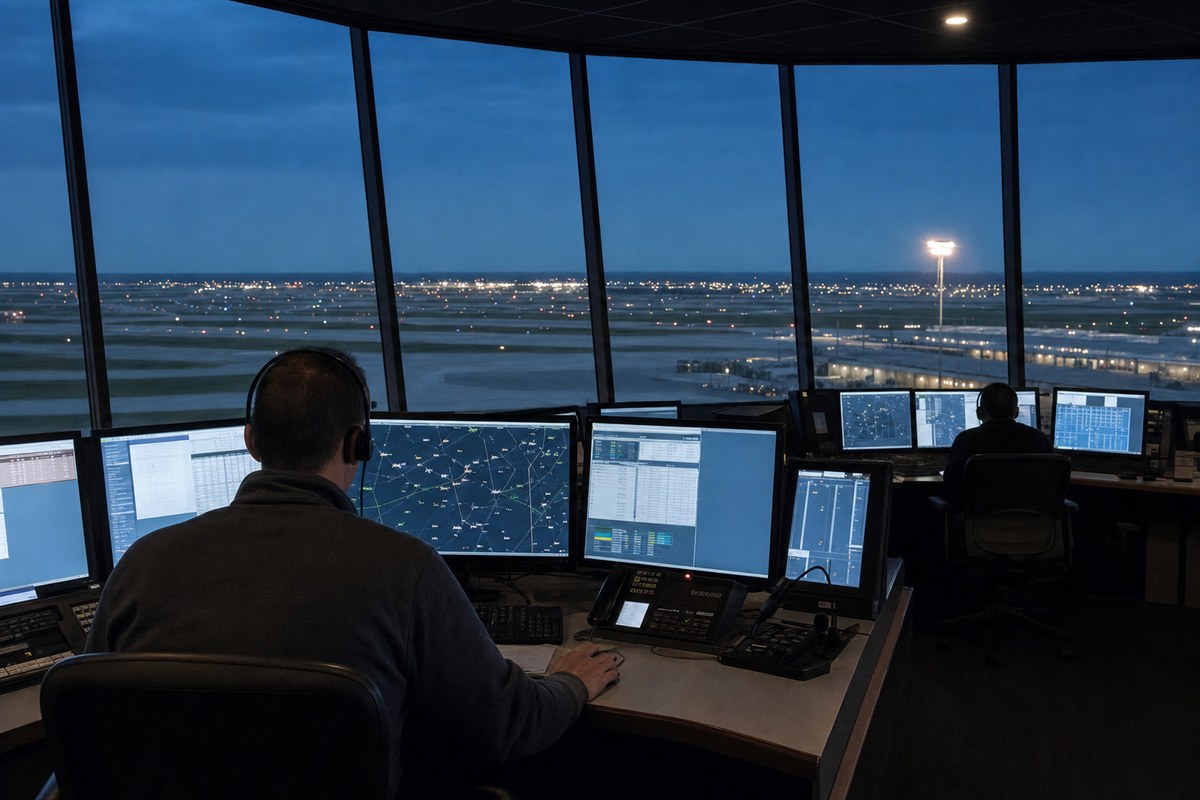
Construction work on September 21, 2026 cut communications lines serving a Federal Aviation Administration air traffic control center near Philadelphia, severing data links controllers use to coordinate aircraft flows across the Northeast Corridor. Radar coverage and basic radio contact between pilots and controllers remained intact, but the network that shares flight plans and traffic flow data between facilities was disrupted, prompting traffic managers to sharply restrict flight volume into affected airspace sectors.
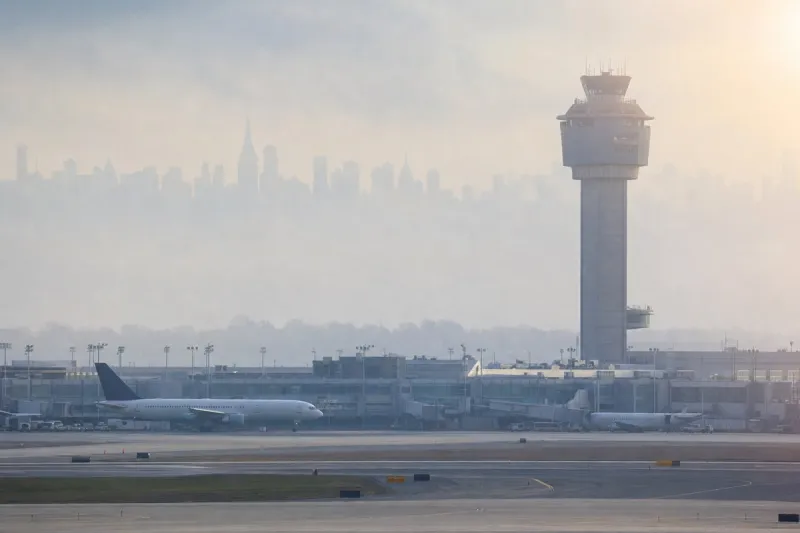
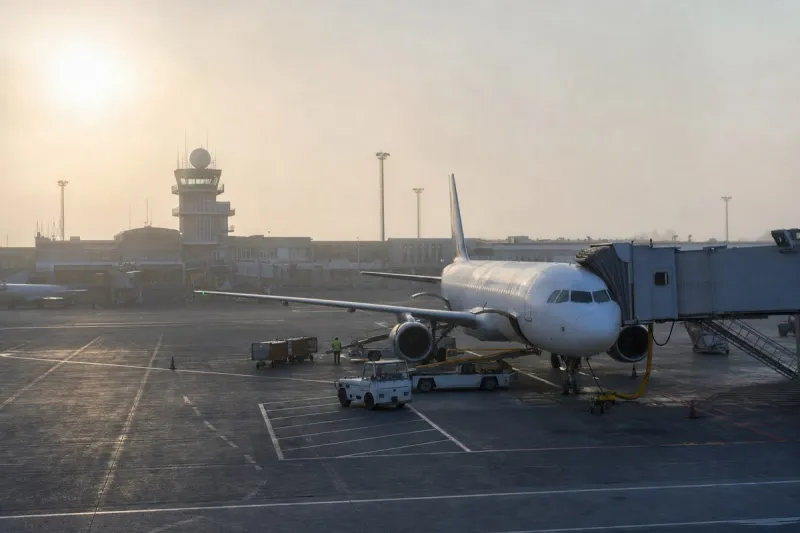
At Newark Liberty International Airport, arrivals were effectively halted for much of the day, with flight tracking data showing no commercial landings for several hours while repairs were carried out. Ground stops and arrival restrictions then spread to LaGuardia, John F. Kennedy, Boston Logan, and Washington-area airports, and airports hundreds of miles away saw knock-on delays as aircraft bound for the Northeast could not depart on time.
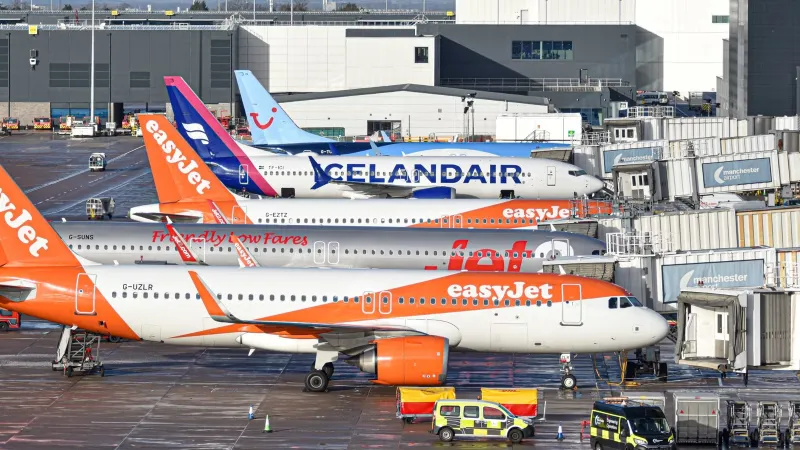
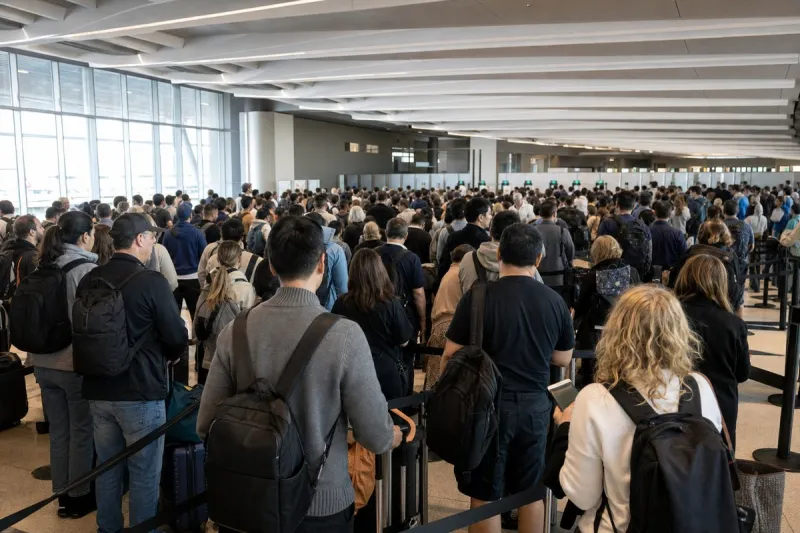
Even after the fiber lines were restored, rebuilding normal capacity took additional hours as controllers cleared backlogs of airborne aircraft, rerouted flights around affected sectors, and reset traffic management programs covering the New York, Philadelphia, and Washington areas. Former airline operations executives said that once a critical mass of flights is delayed, recovery becomes a multi-day effort, citing crew duty-time rules, aircraft positioning, and tightly scheduled business routes as compounding factors. As of September 23, 2026, flight tracking data and airport status boards showed operations across the U.S. Northeast had largely resumed, though residual delays and scattered cancellations persisted at Newark and other major hubs. Transportation officials said it could take multiple schedule cycles for aircraft and crews to return to their planned positions, and travelers flying into or out of the region in the following 24 to 48 hours were advised to monitor flight status frequently as aircraft substitutions and crew reassignments remained common.
How it unfolded
Flight tracking data and airport status boards show Northeast operations largely resumed, though residual delays and scattered cancellations continue at Newark and other hubs.
Controllers work to clear backlogs of airborne aircraft, reroute flights around affected sectors, and reset traffic management programs for the New York, Philadelphia and Washington areas.
Newark Liberty International Airport sees arrivals effectively halted for several hours; ground stops and arrival restrictions spread to LaGuardia, JFK, Boston Logan and Washington-area airports.
Construction work severs data lines at the FAA air traffic control center near Philadelphia, disrupting flight plan and traffic flow data sharing between facilities.
Industry impact & what to watch
This event illustrates how a physical infrastructure failure — a severed data line, not a software or radar fault — can throttle capacity across one of the busiest airspace corridors in the world even when radar and voice communications keep functioning. The comparison drawn by analysts to a prior NATS outage in the UK, where a fraction-of-a-second data processing fault took days to clear, underscores that the vulnerability is systemic: air traffic management networks concentrate enormous flight volumes through facilities and links that have few redundancies.
The way recovery unfolds says as much about airline scheduling as about air traffic control. Once ground stops back up aircraft and crews away from their planned positions, crew duty-time limits and tightly scheduled routes turn a one-day technical fault into a multi-day operational one, since restoring the network does not instantly restore the fleet and crew positioning that schedules depend on.
Regulators on both sides of the Atlantic have pointed to ongoing modernization investment as the response to this class of single point of failure, while airlines and passenger groups have pushed for greater transparency about what caused the disruption and how it was managed. Whether the Philadelphia facility's data links get rebuilt with redundancy, and how the FAA explains the root cause of the construction-related cut, will shape how much confidence the industry places in near-term fixes versus the longer modernization programs already cited.