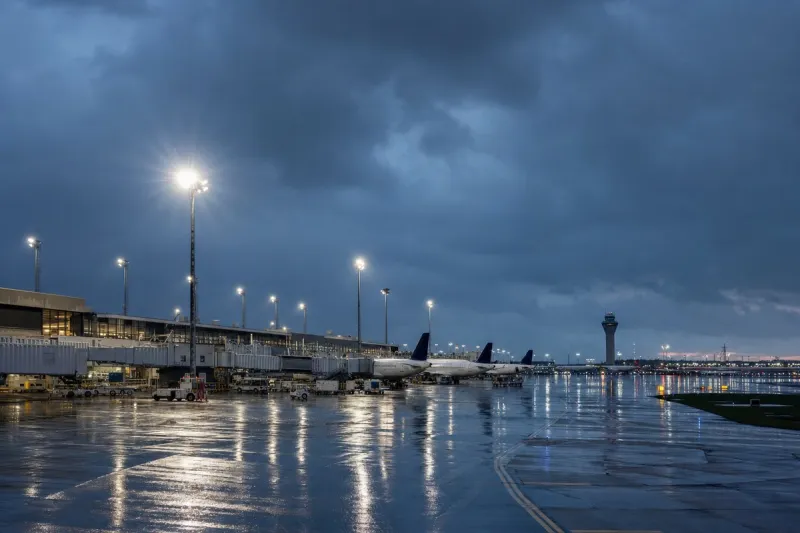
Europe may avert wider jet fuel shortage as Asian shipments rise, but smaller airports remain at risk
Why It MattersThe Brindisi case shows regional and short-haul operators absorb fuel-supply stress first because smaller airports carry fewer suppliers, less storage and fewer backup delivery routes than major hubs.
What happened
Europe is on track to have sufficient jet fuel through the final quarter of 2026, with nearly 900,000 tonnes of additional supply scheduled to arrive from Asia in the coming months, trade intelligence company Kpler said. George Shaw, Kpler's senior insight analyst for distillate markets, said Q4 should see less tightness than earlier in the year, partly because European aviation demand typically falls sharply from November, though prices are expected to stay elevated.
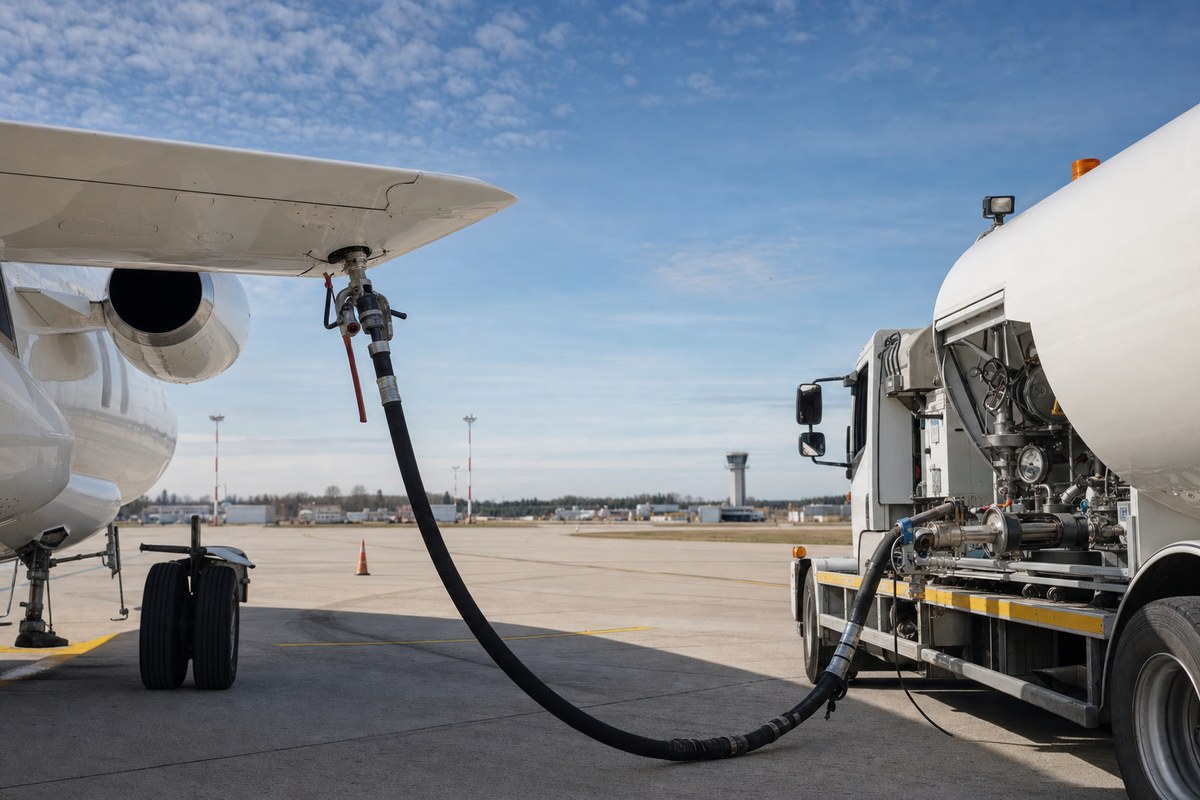
The average European jet fuel price rose last week to $207.56 (€176) a barrel, the highest of any region and 27.8% above the previous month's European average, per the International Air Transport Association's fuel price monitor. Shaw attributed the elevated prices to rising crude oil costs and widening refinery margins, and noted that jet fuel is closely linked to the diesel market, which has recently seen record prices. Kpler's September data put European jet fuel imports at approximately 672,000 barrels per day, with South Korea, Nigeria and the United States together accounting for around 60% of the total. Between July and September, approximately 1.31 million tonnes of jet fuel moved from Asia-Pacific to Europe, with South Korea supplying around 1.14 million tonnes — nearly 87% of that flow.
Kpler said Europe had relied heavily on Middle Eastern jet fuel imports before disruption to production and shipping routes forced a shift to alternative suppliers, and that American inventories remain comparatively high, providing a buffer if fresh shortages emerge after peak aviation season. Kpler identified the UK and France as the most vulnerable European markets to renewed disruption: UK imports averaged approximately 177,000 barrels per day in September, the largest destination covered, while France received around 73,000 barrels per day and the Netherlands approximately 118,000 barrels per day, some of which may have been re-distributed through the country's storage and trading hub.
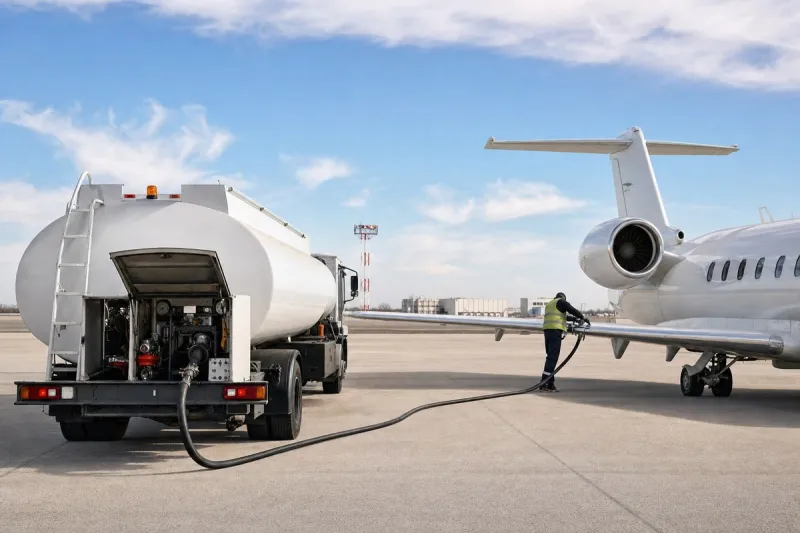
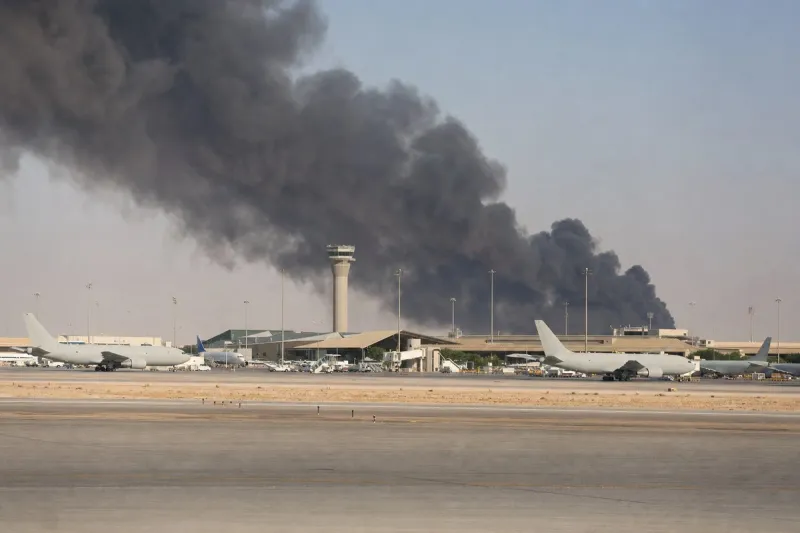
Aviation data and analytics company Cirium warned that smaller airports would be the first affected by any new delivery disruption. On 6 April, commercial aircraft at Italy's Brindisi airport could no longer refuel normally after a local supplier failed to deliver agreed quantities, and fuel was reserved for state aircraft, air ambulances and search-and-rescue operations. Six other Italian airports were rationing fuel during the same week, with most aircraft limited to 2,000 litres — less than an hour's fuel for a Boeing 737. "Major hubs have avoided fuel shortages this year. Smaller airports have not," said Mike Malik, chief industry officer at Cirium, adding that smaller airports typically have fewer suppliers, less storage capacity and fewer alternative delivery routes.
Cirium estimated European jet fuel imports from outside the region were 22% lower between March and May than during the same three months a year earlier, even as consumption across the UK, Germany, France, Spain and Italy fell by just 0.2%. Malik said the gap was closed by refineries increasing the share of crude turned into jet fuel, traders sourcing additional cargoes from the US and Nigeria, and suppliers drawing down storage stocks. The International Energy Agency's September Oil Market Report noted that continuing disruption in the Gulf and around the Bab el-Mandeb Strait was constraining oil flows, keeping pressure on the market.
Industry impact & what to watch
This case illustrates a two-tier supply system: national-level aggregate figures can look reassuring even as individual sites run out of fuel, because the buffers that smooth national numbers — storage draws, refinery flexibility, alternate cargoes — are concentrated where infrastructure already exists. Major hubs with multiple suppliers and large storage absorb disruption; single-supplier regional airports do not.
Malik's warning that Europe "closed the gap by running refineries differently and emptying its tanks" and that "neither of those works a second time" points to a structural limit rather than a one-off event. Storage stocks drawn down once need to be rebuilt before they can be drawn down again, and refinery yield shifts toward jet fuel have their own ceiling, so a repeat disruption would hit a market with less slack than it had in the spring.
What happens next depends on whether the nearly 900,000 tonnes of scheduled Asian supply arrives on the timetable Kpler describes, and on how the UK and France — the two markets Kpler flags as most exposed — fare if disruption around the Gulf or Bab el-Mandeb Strait worsens. Regional and short-haul operators dependent on smaller airports have the least room to absorb another Brindisi-style rationing event, since they lack the alternative suppliers and delivery routes that protect major hubs.