Gulf conflict, record El Niño and Nepal glacier disaster shape elevated charter aviation risk heading into late 2026
Why It MattersOverlapping geopolitical, weather and disaster risk zones force operators to layer alternate-airport, fuel-tankering and crew-duty planning simultaneously rather than treat each hazard in isolation.
What happened
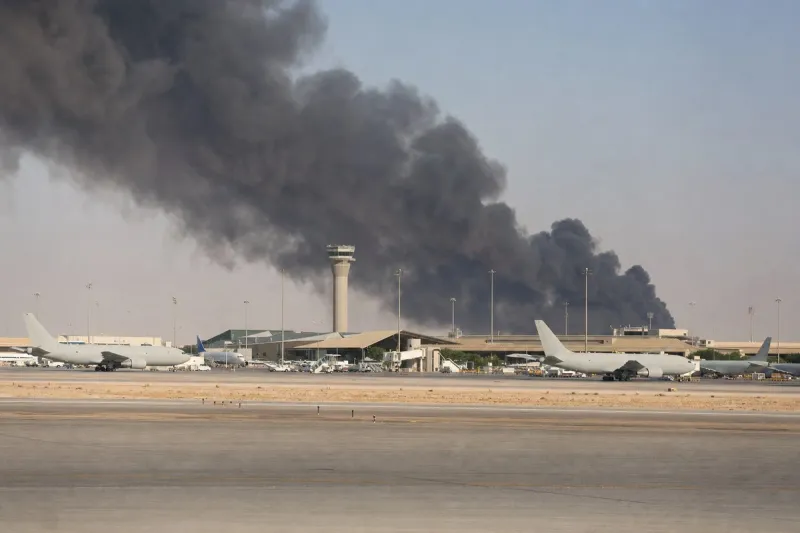
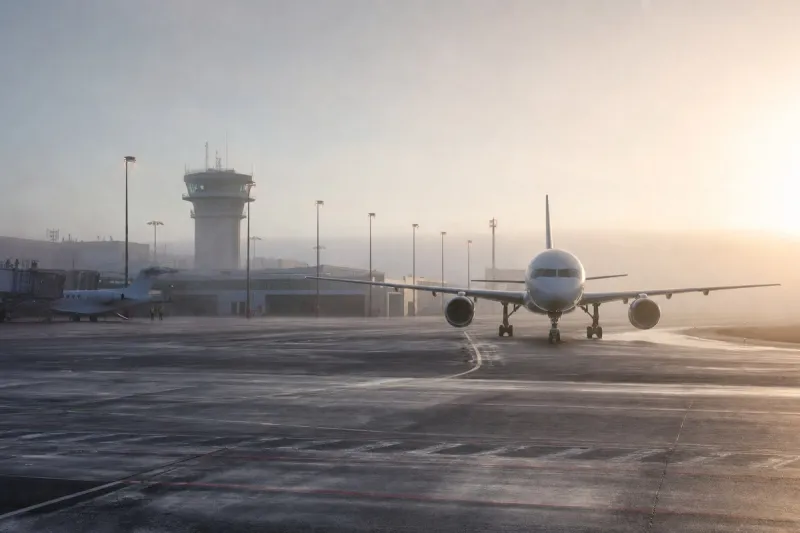
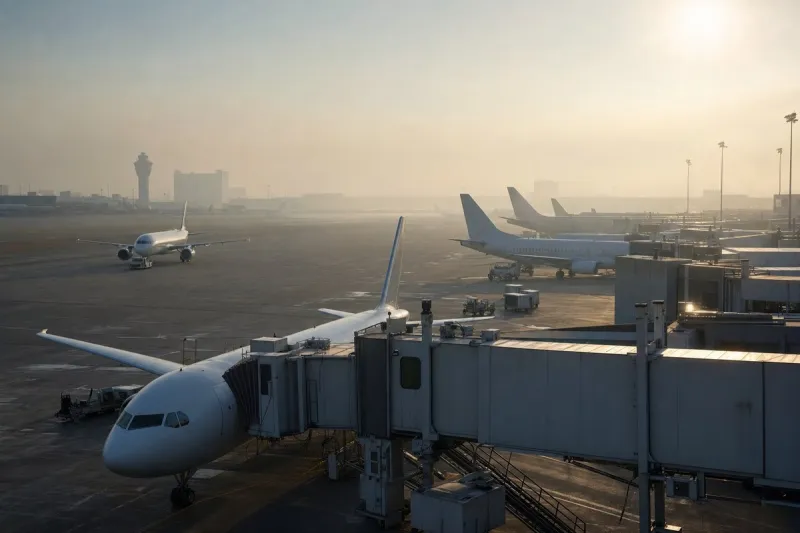
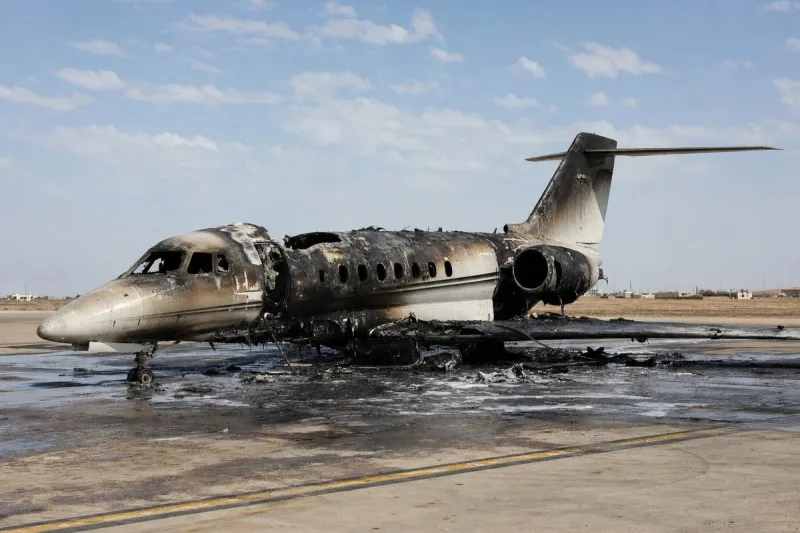
Private and charter aviation is navigating three concurrent pressure zones as of late September 2026: an ongoing Gulf conflict, a record-strength El Niño, and the aftermath of a catastrophic Himalayan glacier collapse. The conflict began on 28 February 2026 when the United States and Israel struck Iran and Tehran responded with missile and drone attacks; Qatar, Bahrain, Iraq, Israel, Kuwait, Syria and the UAE closed their airspace simultaneously, generating more than 4,000 flight cancellations per day, with Qatar Airways' chief executive describing tens of thousands of cancelled flights.
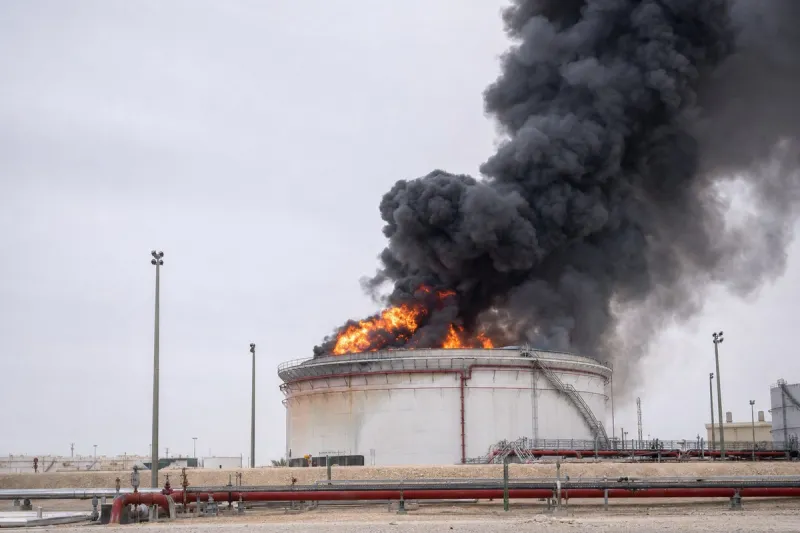
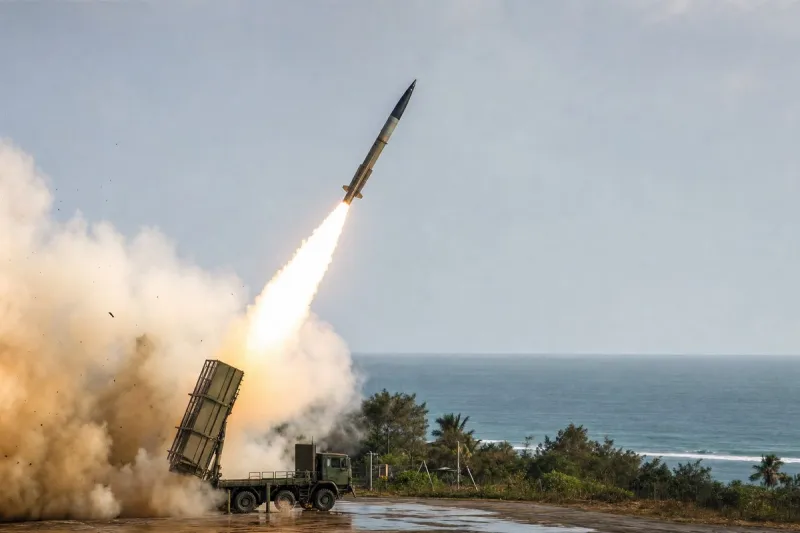
The current focus has shifted to the Saudi-Houthi front. The Houthis announced on 16 September that they had launched ballistic missiles and drones at military and oil targets in western Saudi Arabia, including the Aramco refinery at Yanbu, roughly 900 kilometres from the Yemeni border, part of a campaign against Saudi oil infrastructure running since July. A missile aimed at Riyadh was intercepted — the first such attack on the capital since Yemen fighting resumed. US security alerts issued on 19 and 20 September cover Israel, Lebanon, Jordan, Iraq, Saudi Arabia, Kuwait, Bahrain, Qatar, the UAE and Oman, warning of possible flight cancellations, airspace closures and travel disruption; Saudi Arabia is rated Level 3 (reconsider travel), with the advisory noting Houthi strikes have included civilian airports. The UK Foreign Office references a memorandum of understanding announced by Washington and Tehran while stressing the situation remains unpredictable; separate mid-September reporting describes active hostilities, two ships attacked in the Strait of Hormuz, at least two American drones downed, and open threats against Iranian leadership. Turkey carries no new warning tied to the conflict beyond the long-standing advisory against travel within 10 kilometres of the Syrian border.
On 19 September a NORAD F-16 intercepted an aircraft that violated restricted airspace over Camp David while the president was present, dispensing flares, amid Iranian officials being granted visas for the UN General Assembly high-level week in New York. On 26 August a partial glacier collapse near Langtang Lirung, registering as a magnitude 5.2 seismic event, sent a surge down the Trishuli River, killing more than 1,000 people and leaving hundreds missing in hydropower tunnels, with rescue operations continuing on both Nepali and Tibetan sides. Typhoon Dujuan was bearing down on the Tokyo metropolitan area with transport disruption expected, and the current El Niño has tied the strongest on record at a 3.07°C anomaly, logged 100 days of unprecedented Pacific heat, and is modelled to peak in November at up to four degrees above average; California has declared a state of emergency. Brent crude is trading around $107.20 and WTI around $102.49. Wizz Air restores Abu Dhabi and Dubai from 25 October with 12 routes and 49 weekly flights, and British Airways resumes Dubai on 3 November; rebooking waivers for Doha extend to early January 2027.
Flight planning implications
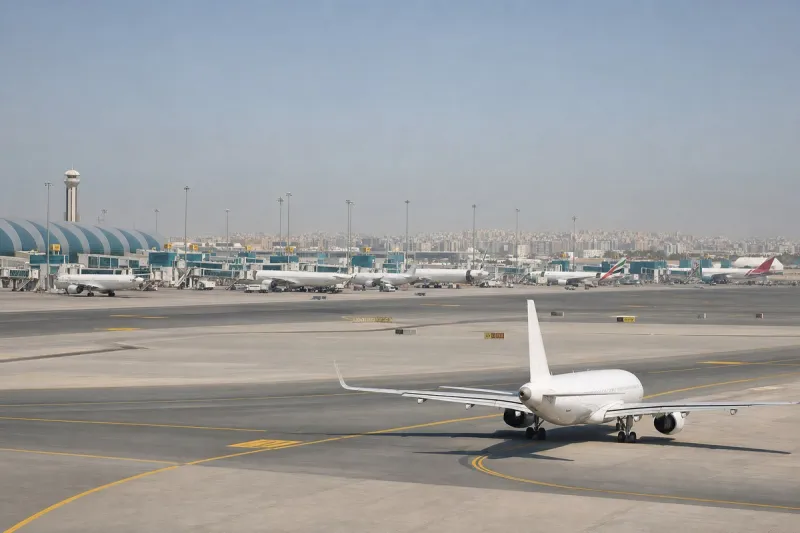
Houthi targeting now extends far up the Red Sea coast, bringing Jeddah, Yanbu and western Saudi corridors into the risk assessment alongside Riyadh and the Eastern Province. Practical consequences include selecting alternates outside the immediate Gulf basin with fuel to reach them, constrained Dubai airspace capacity, and crew duty planning that assumes holding, re-clearance and circuitous routing. The bankruptcy of Spirit Airlines on 2 May, where fuel costs compounded existing financial problems, illustrates how quickly thin margins can break under fuel-price pressure.
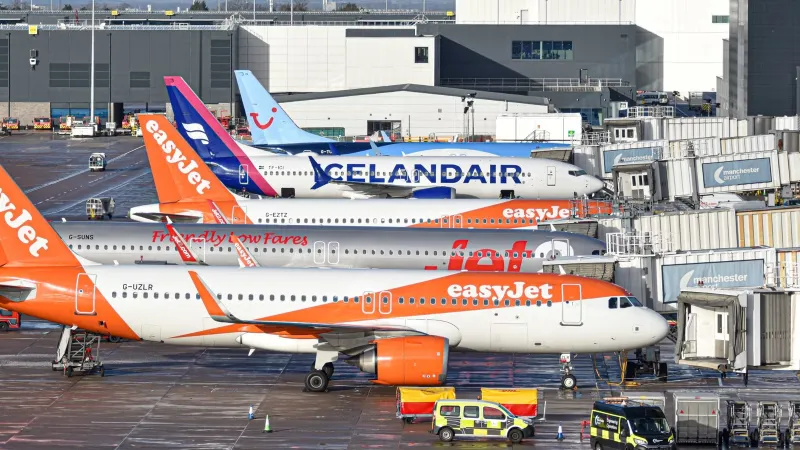
Charter demand into Nepal is expected to skew toward relief, insurance and damage-assessment flights into valleys where terrain, weather and helicopter congestion complicate operations. Returning scheduled services from Wizz Air, British Airways, Finnair, KLM and Air France will tighten slot and handling availability at airports charter traffic has been using as fallbacks.
Industry impact & what to watch
This is a case of overlapping, independently evolving risk categories rather than a single crisis: a shooting conflict with shifting geography, a hydrological and seismic disaster with humanitarian flight demand, and a record climate anomaly reshaping weather patterns across two ocean basins. Each has its own planning horizon and its own set of triggers, and treating them as one undifferentiated "Middle East risk" or "weather risk" line understates how differently they affect routing, fuel and slot decisions.
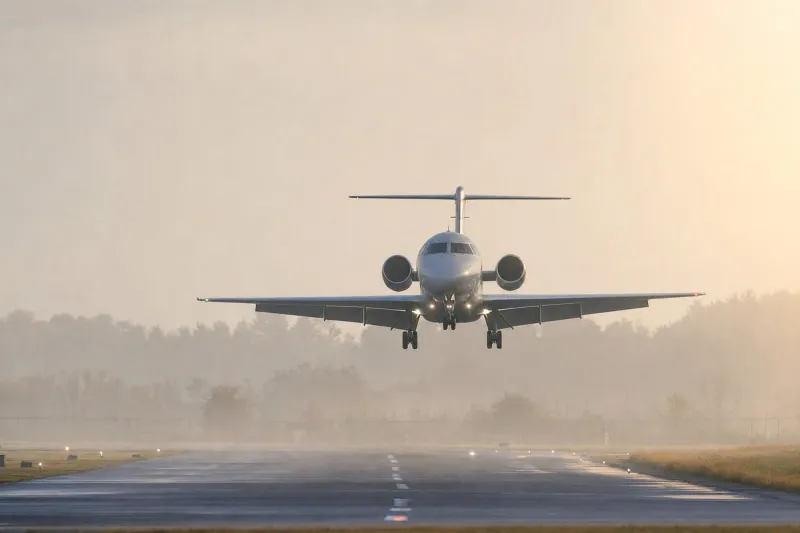
Charter and business aviation's flexibility — the ability to pick alternates, adjust tankering and reroute around restricted airspace — is precisely what is being tested simultaneously across regions. Scheduled carriers resuming Gulf routes on fixed dates will compress the slot and handling capacity charter operators have relied on as overflow, even as fuel prices at current Brent and WTI levels narrow the margin for extra fuel stops or lengthy holding.
Key triggers to watch include any US decision to strike the Houthis, confirmation or collapse of the reported US-Iran understanding, further attacks on Saudi Red Sea infrastructure, further Hormuz shipping incidents, reinstatement of NOTAM restrictions in Qatar, Bahrain, Kuwait, Iraq or the UAE, and Typhoon Dujuan's landfall track.