NATS CEO Martin Rolfe faces growing pressure after second major UK air traffic control failure in three years
Why It MattersRepeated failures at a monopoly air traffic provider expose how little recourse airlines have when preventable technical outages cascade into network-wide disruption they cannot recover costs for.
What happened
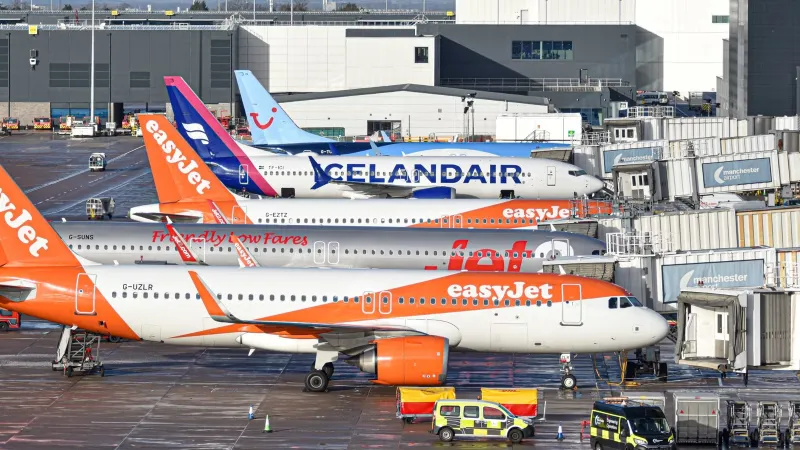
National Air Traffic Services chief executive Martin Rolfe is facing growing calls to resign after a technical breakdown in mid-September 2026 forced NATS to operate in a low-capacity mode and triggered mass flight cancellations and widespread travel disruption across the UK. The failure stemmed from a software defect affecting how flight plans were processed, specifically the allocation and processing of codes controllers use to identify and track flights on radar.
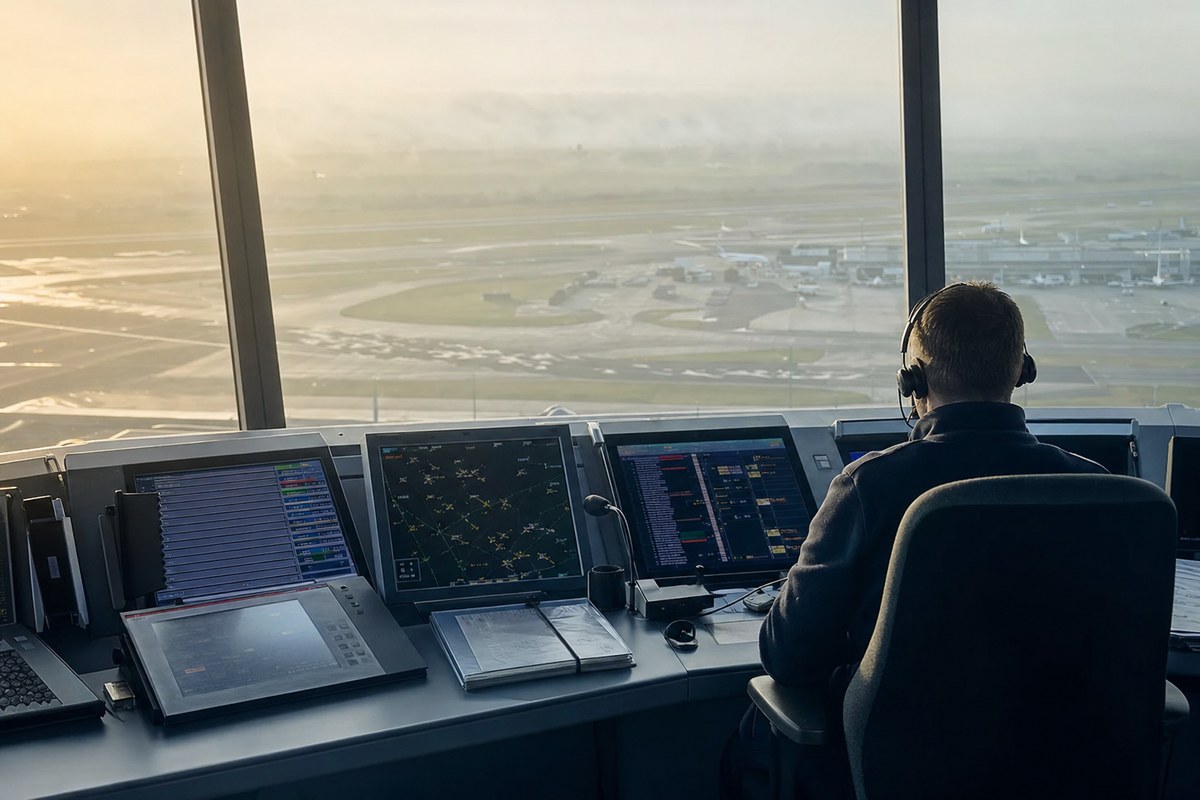
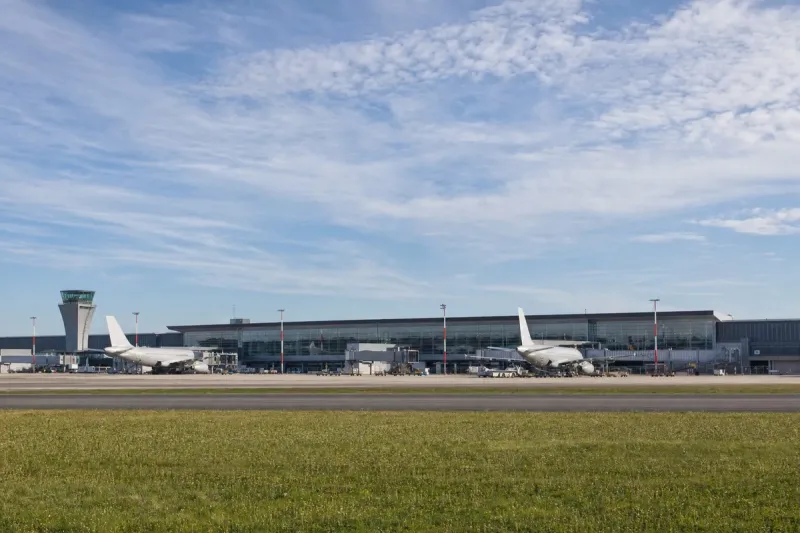
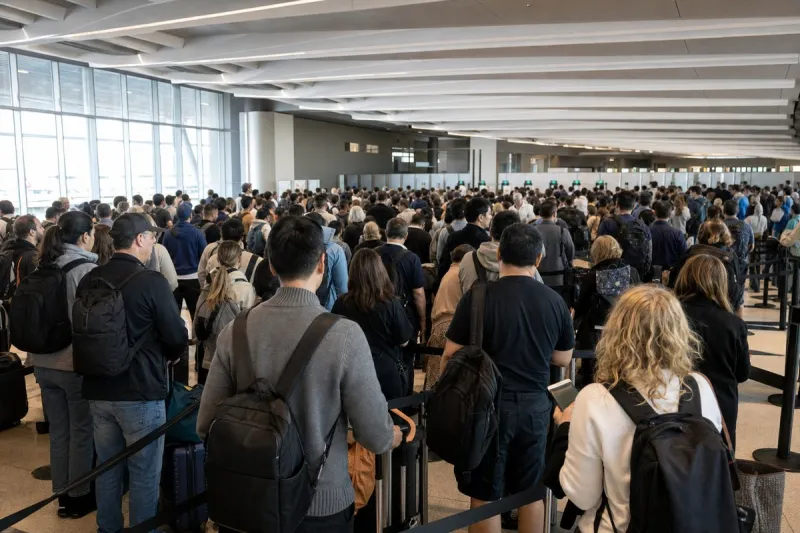
Capacity restrictions imposed to maintain safe aircraft spacing caused severe backlogs at airports in Scotland, Northern Ireland and northern England, with disruption spreading into the wider European network. NATS has said the defect was isolated and patched, with additional safeguards introduced pending a longer-term fix.
The 2026 failure follows an outage on 28 August 2023, when a glitch in the UK's automated flight planning system forced controllers to input flight plans manually, causing the cancellation of approximately 1,500 to 2,000 flights over two days. The International Air Transport Association confirmed airlines' estimated combined losses of around £100 million from that incident, costs that were largely unrecoverable from NATS under existing rules. Rolfe, who has led NATS since 2015, attributed the 2023 failure to a single flight plan the system "did not understand," triggering a cascade of errors. A subsequent independent review commissioned by the UK Civil Aviation Authority identified weaknesses in system resilience and contingency planning but stopped short of recommending leadership changes.
After the 2026 breakdown, airlines and industry bodies issued stronger criticism, with some explicitly calling for leadership changes at NATS. Ministers have requested fresh briefings from NATS and the CAA and asked for assurance that recommendations from the 2023 review were properly implemented before the 2026 failure occurred. Opposition politicians have called for a more aggressive timetable for technology upgrades and warned that NATS' governance may need restructuring if performance does not improve.
Governance and oversight questions
NATS is a part-privatised monopoly jointly owned by the UK government, airlines, employees and an infrastructure investor. Regulators are debating whether existing oversight tools are sufficient, including whether to require more detailed disclosure of software changes, independent testing of new systems, or tougher financial penalties for large-scale outages.
Airline groups are renewing calls for a clearer compensation framework that would let carriers recoup direct costs when a state-regulated provider causes large-scale disruption through preventable technical failures. Under current UK and EU-derived passenger rights rules, airlines must provide care and assistance during lengthy delays, but passengers are generally not entitled to cash compensation when the cause is deemed outside the airline's control, as is typically the case for air traffic control failures. Consumer groups argue this leaves a gap in passenger protection.
Industry impact & what to watch
Two major systems failures at a single provider within three years turns what looked like an isolated incident in 2023 into a pattern that regulators and airlines can no longer treat as a one-off. Low-cost carriers, whose business models depend on tight aircraft utilisation, say repeated failures leave them with substantial unplanned costs for crew, fuel and passenger care that current rules do not let them recover.
The episode exposes a structural gap in how monopoly air traffic control providers are held accountable: safety-driven capacity restrictions protect passengers in the moment but push the financial burden of disruption onto airlines, with no mechanism to pass those costs back to the provider responsible. That asymmetry is now central to the debate over whether oversight should shift toward mandatory disclosure of software changes, independent testing requirements, or direct financial penalties tied to outage scale.
What happens next depends on whether ministers' review of how the 2023 recommendations were implemented finds gaps that explain the second failure, and on whether regulators move from debating disclosure and testing requirements to actually mandating them.