FAA's Aging Air Traffic Control Systems—Running on eBay Parts and Compaq Computers—Keep Causing Flight Disruptions
Why It MattersAir traffic control reliability now hinges less on any single failure than on how many isolated, non-interoperable legacy systems must all hold at once across hundreds of facilities.
What happened
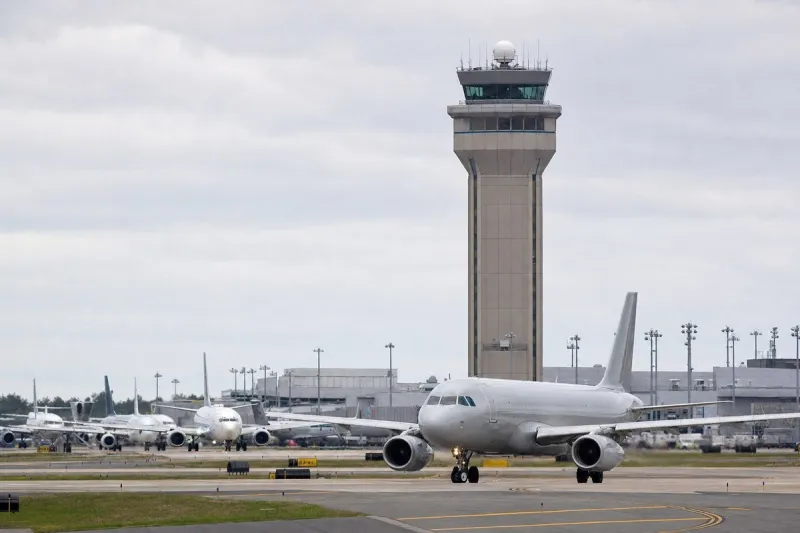
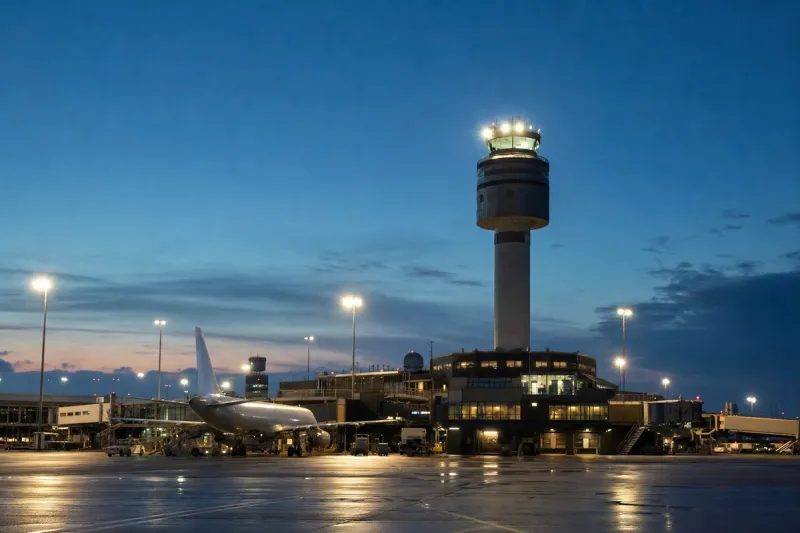
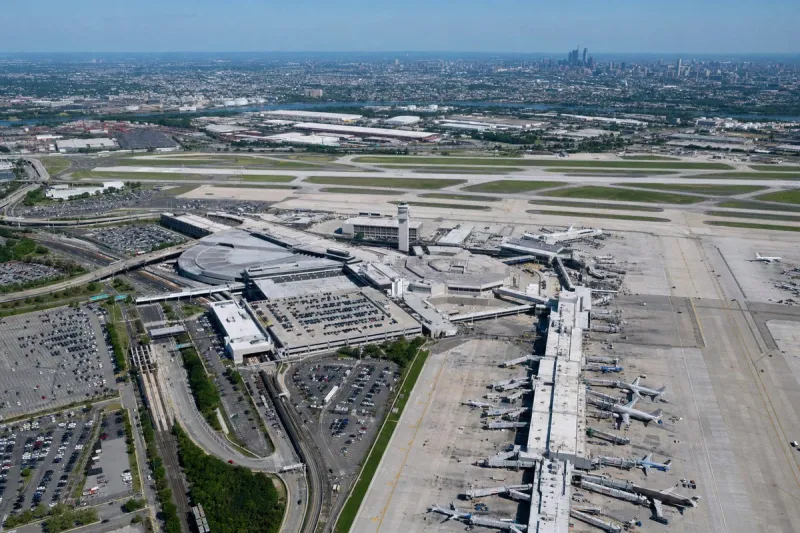
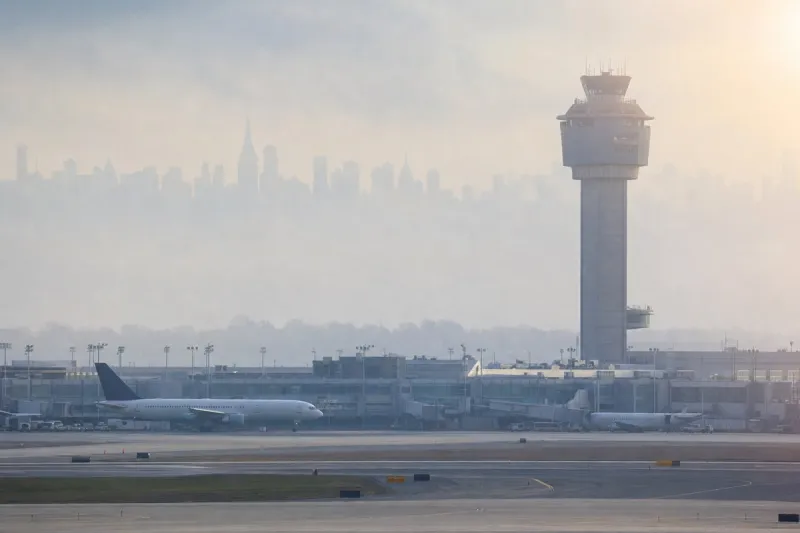
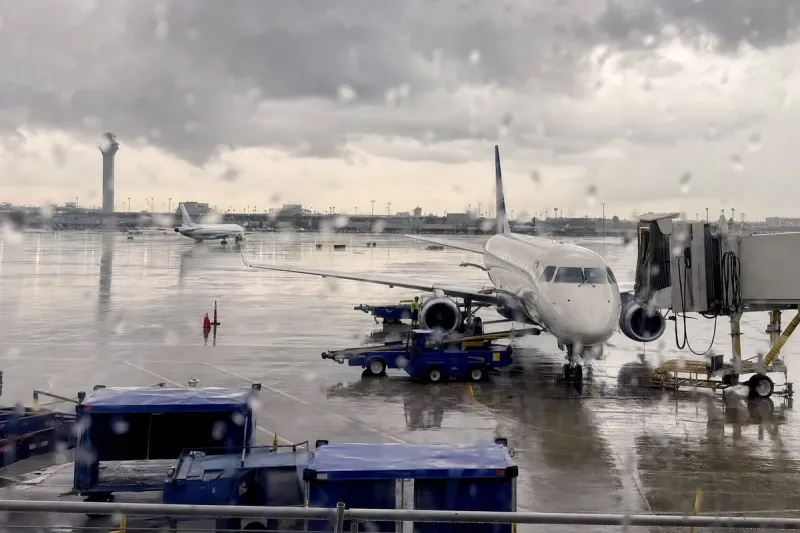
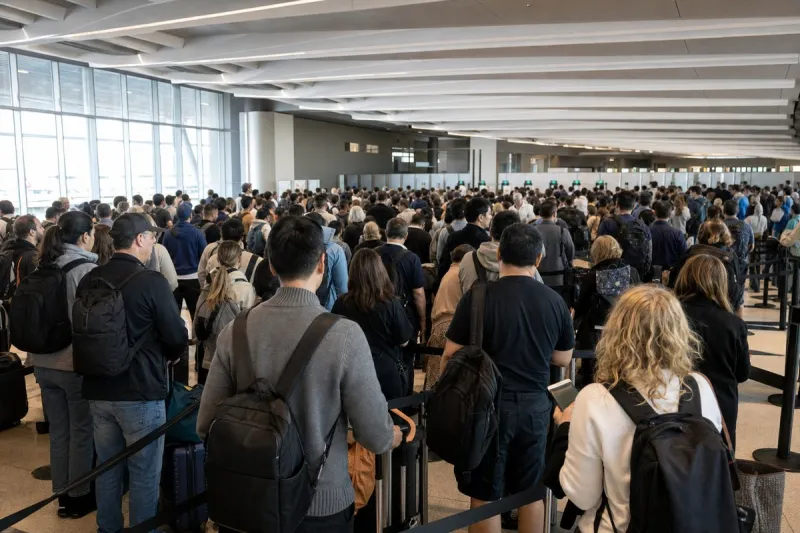
Thousands of flights across the Northeast were delayed or canceled on Monday after a circuit failure at a Philadelphia air traffic facility coincided with a fiber-optic cable accidentally severed by a construction crew near New Brunswick, New Jersey. US Transportation Secretary Sean Duffy said on Tuesday that "the architecture of our telecom is still a 40-year-old architecture, which means you could have a switch go down and a line be cut yesterday and the Northeast goes down."
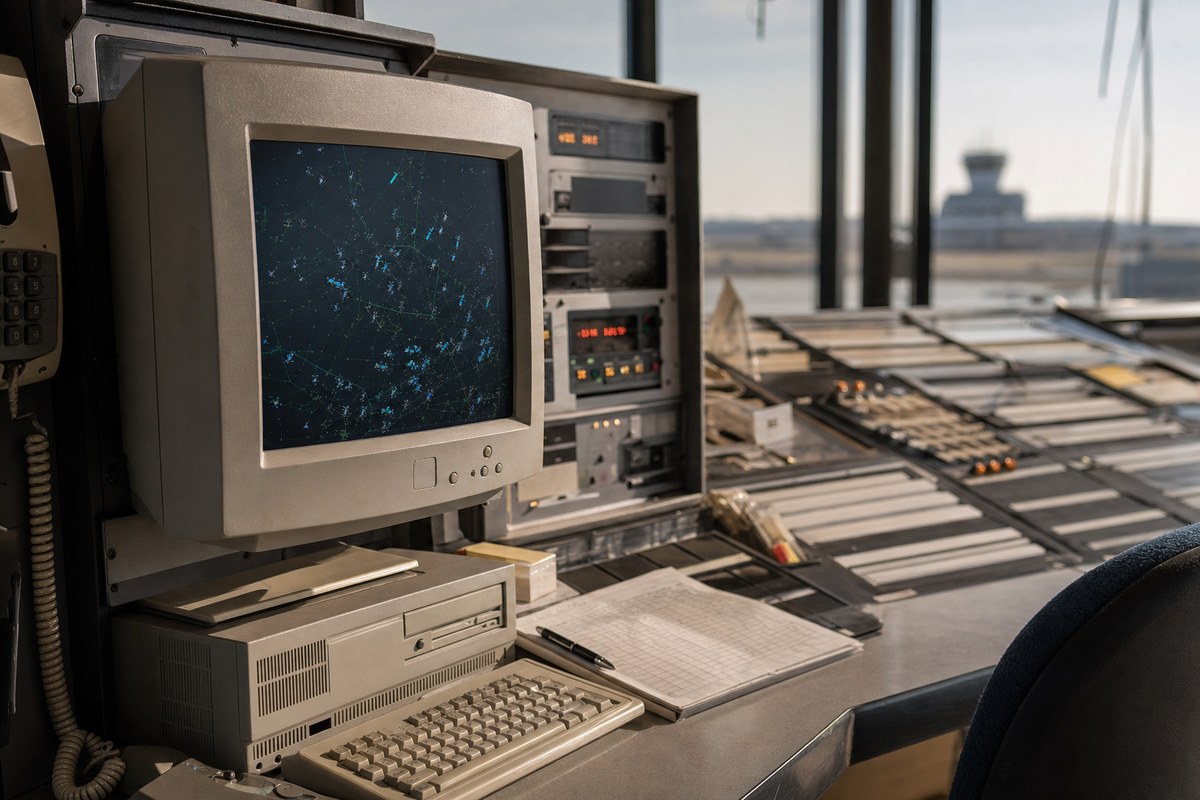
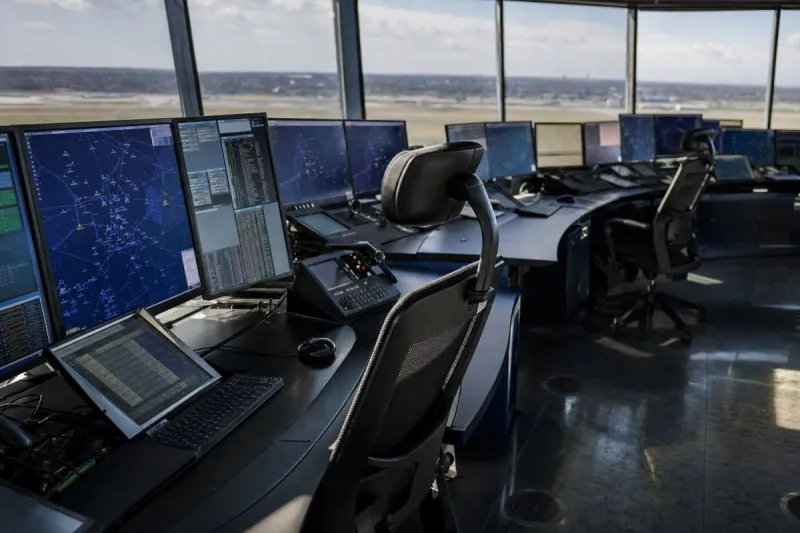
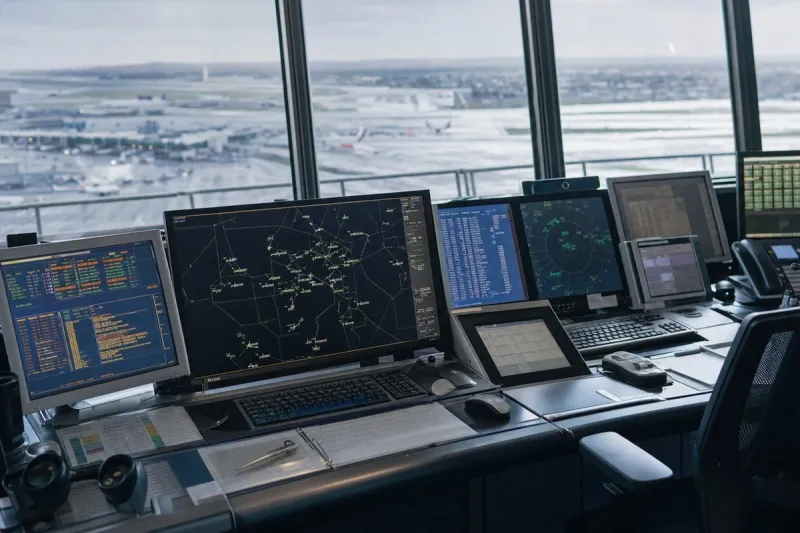
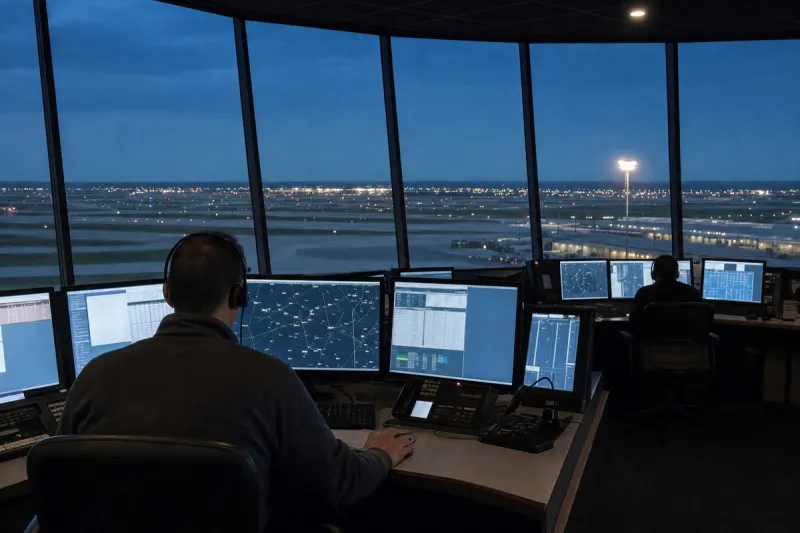
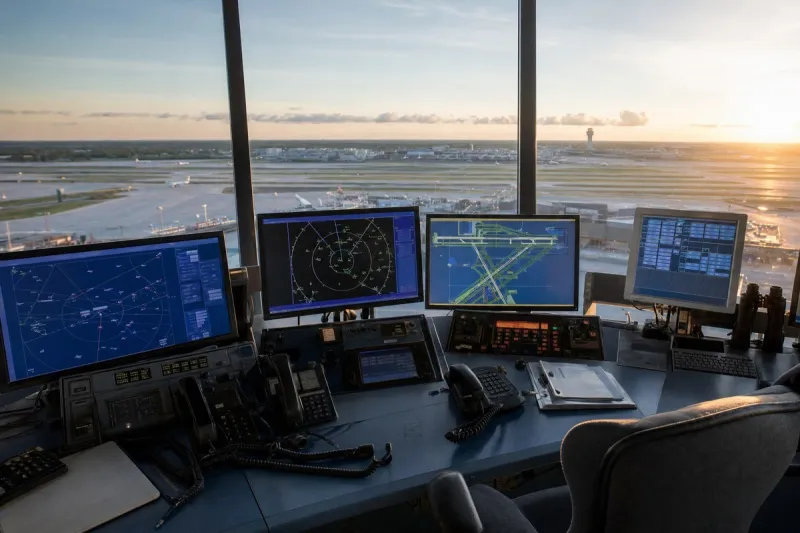
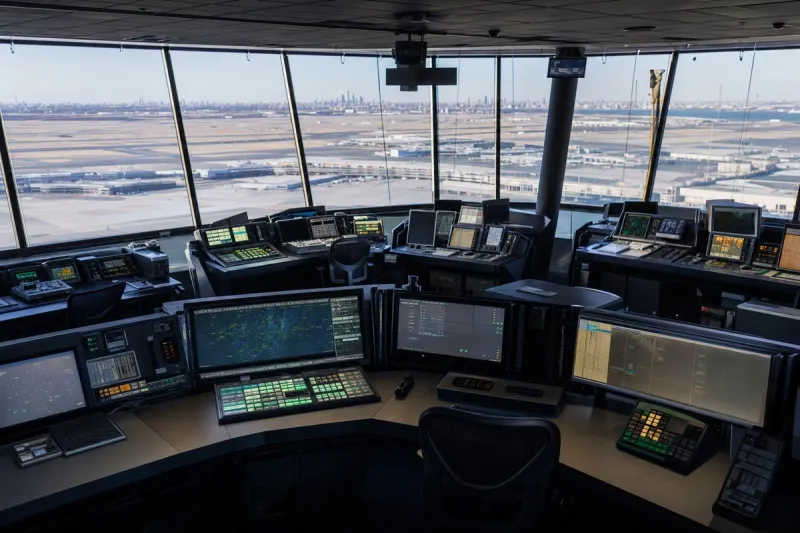
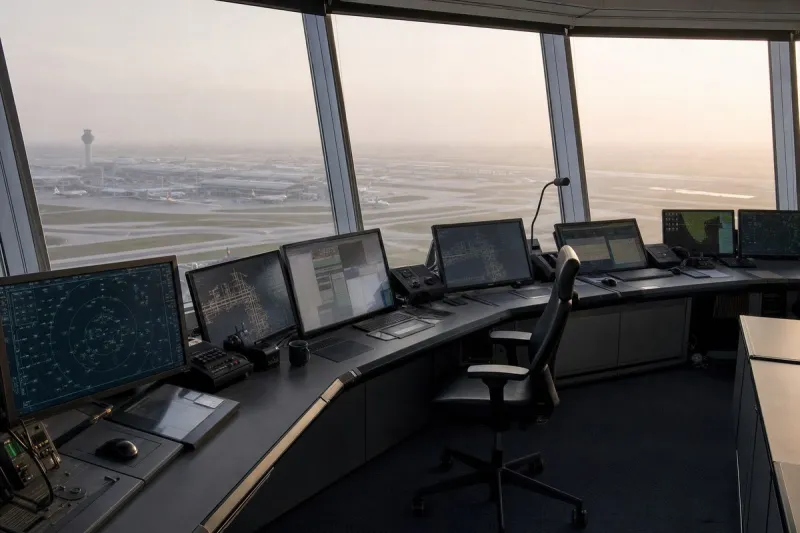
FAA Administrator Bryan Bedford told Reuters that each of the FAA's more than 300 air traffic facilities operates as an isolated silo on individual Compaq computers, a brand acquired by HP that stopped producing computers in 2013, and that three non-interoperable telecom systems create a "clunky connection" that regularly causes delays. The Government Accountability Office warned in 2024 that the FAA needed to take "urgent action" on aging infrastructure, noting that one-third of its air traffic control systems are unsustainable. Congress has already approved $12.5 billion to modernize the systems, but Duffy said he wants an additional $30 billion to complete upgrades, adding: "These incidents will continue to happen unless we get the resources and actually build the architecture fit for the 21st century."
Previous major failures include a January 2023 incident when a contractor accidentally deleted computer files affecting a key pilot messaging database, grounding all US departing flights for the first time since the September 11, 2001 attacks and disrupting 11,000 flights. In September 2025, a contractor-cut fiber line caused a telecom outage at two Dallas-area airports, delaying more than 2,000 flights, canceling hundreds more, and affecting 100,000 American Airlines passengers. A 1982 FAA modernization plan estimated $10 billion in costs through the late 1990s; by 1995 the GAO reported the figure had grown to at least $36 billion. A subsequent program called NextGen, launched in 2004 and initially priced at $15 billion, has faced repeated delays and cost overruns and delivered less than originally envisioned, according to the Transportation Department Office of Inspector General.
The upgrades already under way
One major upgrade is expected in late 2027, when air traffic control communications shift from analog to digital. The FAA also plans to migrate facilities from individual computers to the cloud. A long-criticized practice of using paper flight strips is being phased out across 49 major airports, a process that began in 2022 and will not be completed until at least 2028; 18 major airports have already eliminated paper strips.
The US operates the world's most complex airspace while simultaneously facing a shortage of several thousand air traffic controllers.
Industry impact & what to watch
This is not an isolated glitch but the recurring failure mode of a system built as hundreds of separate silos: a single cut cable or circuit failure in one facility can cascade into a regional shutdown because the telecom architecture connecting facilities has no redundancy built for 40-year-old analog links. The January 2023 database deletion, the September 2025 Dallas fiber cut, and Monday's Philadelphia-New Brunswick coincidence are the same structural weakness recurring in different locations and different equipment.
How this segment operates now depends on parallel, incremental replacement rather than a wholesale rebuild: paper flight strips are being retired airport by airport through 2028, analog-to-digital communications migration is targeted for late 2027, and cloud migration of individual facility computers is still a plan rather than a completed rollout. Each of these tracks removes one point of fragility without removing the others, which is why disruptions have continued even as Congress has funded $12.5 billion in modernization.
What settles the pace next is funding: Duffy's request for an additional $30 billion has not been approved, and prior modernization efforts, from the 1982 plan that grew from $10 billion to at least $36 billion, to NextGen's cost overruns since 2004, show that budget approval alone has not historically translated into on-schedule delivery. Whether the 2027 digital communications shift and the 2028 flight-strip phaseout hit their dates will be the clearest signal of whether this round of modernization breaks that pattern.