Iranian airlines continue international flights despite US sanctions deadline targeting aviation sector
Why It MattersSanctions targeting foreign fuel, ground handling and ticketing providers can fragment a carrier's route map unevenly, cutting off some destinations while leaving others reachable depending on individual airports' compliance decisions.
What happened
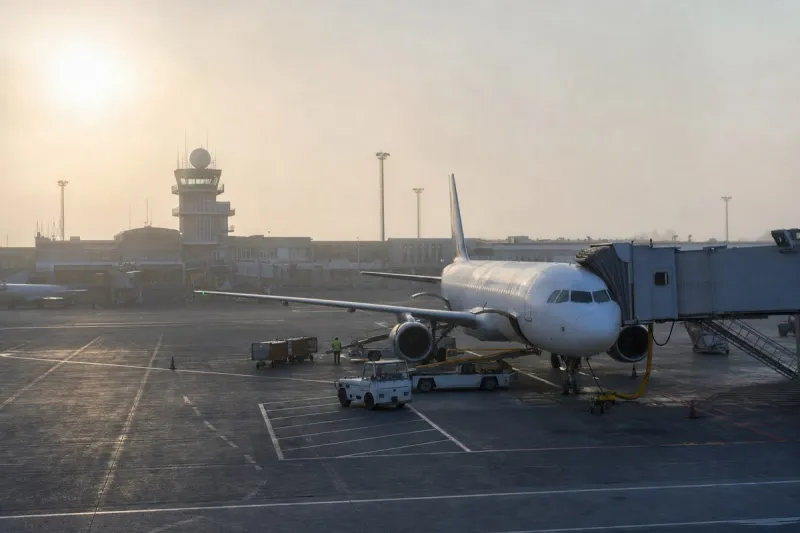
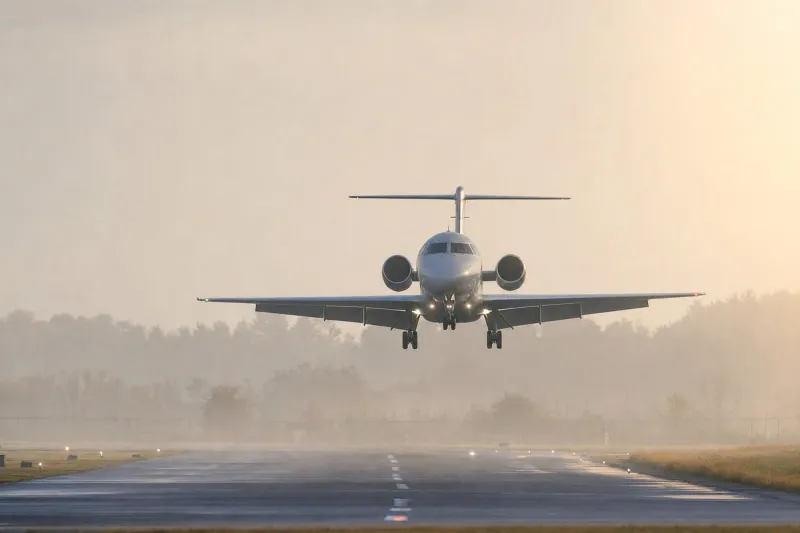
Iranian airlines continued operating international flights on Wednesday, after a US deadline aimed at grounding the country's fleet by sanctioning companies that provide services to Iranian carriers. Flightradar24 tracked at least six flights departing Iran for destinations including Bangkok, Phuket, Shanghai and Kabul after the restrictions took effect.
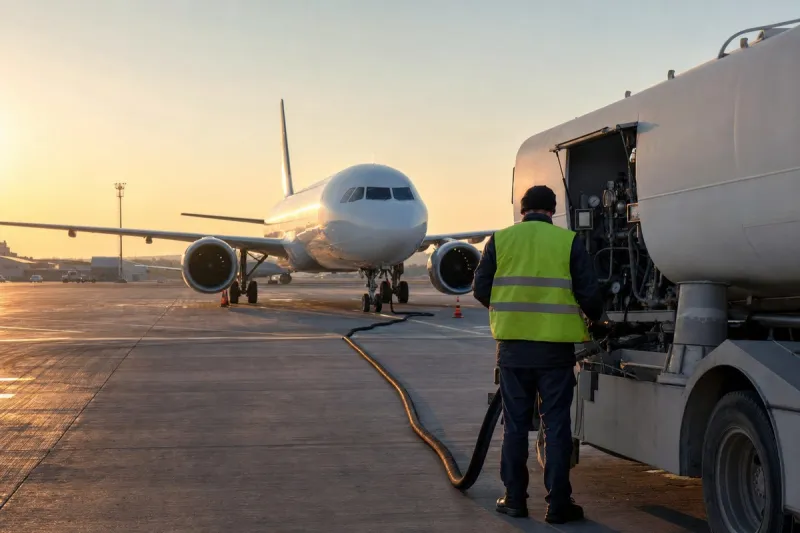
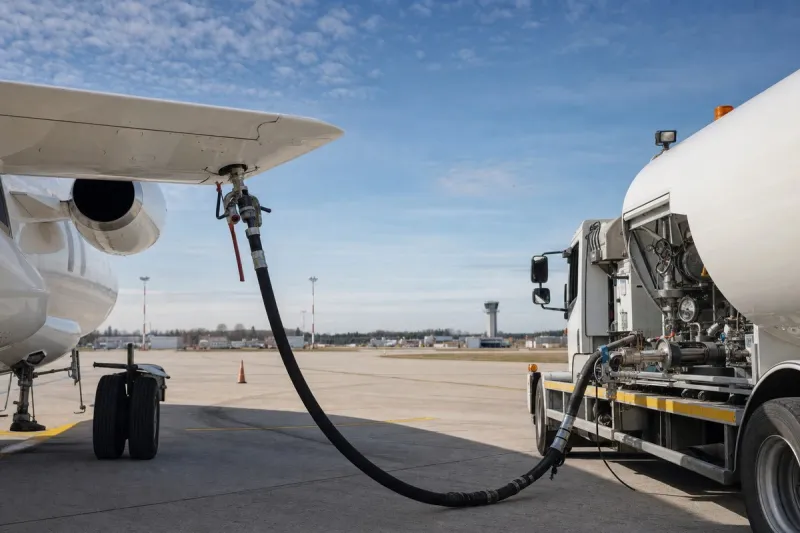
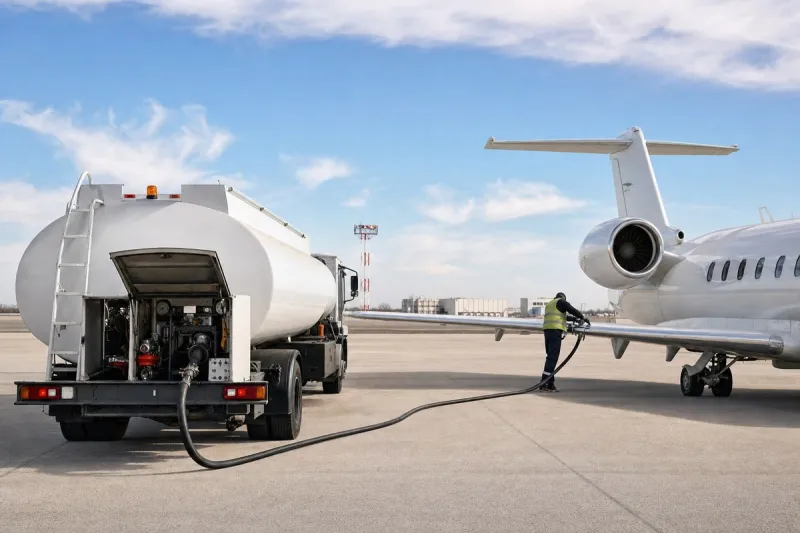
US Treasury Secretary Scott Bessent said on Monday that the sanctions, effective September 23, would effectively shut Iranian airlines out of international operations, warning foreign companies against providing fuel, ground services or ticket sales to those carriers. Iran's civil aviation organization said flights to Baghdad and Muscat had been canceled. Baghdad airport stopped accepting Iranian flights early Wednesday, and Muscat airport was not accepting Iranian passengers, according to spokesperson Majid Akhavan.
Azerbaijan's State Civil Aviation Agency said flights by Iranian airlines to Azerbaijan were suspended from Tuesday due to US sanctions on Iran's aviation sector. The disruptions follow Turkish Airlines announcing it had halted all flights to Iran until at least March 2027. Turkey has long been one of the most accessible foreign destinations for Iranians, with extensive air links supporting tourism, family visits and business travel.
Industry impact & what to watch
This is a case of sanctions enforcement working through the supply chain rather than through the aircraft themselves: fuel suppliers, ground handlers and ticketing agents are the pressure points, since they are the foreign entities exposed to US penalties if they keep serving a sanctioned carrier. That structure explains why the outcome so far is patchy rather than total — some neighboring airports, like Baghdad and Muscat, stopped accepting Iranian flights almost immediately, while flights to Bangkok, Phuket, Shanghai and Kabul kept operating on the same day the deadline took effect.
International aviation depends on a chain of local service providers at every stop, so an airline's actual route map under sanctions ends up decided airport by airport and country by country, based on each government's or handler's own compliance calculus rather than by the sanctions text alone. Turkish Airlines' decision to halt flights to Iran until March 2027 shows how a single carrier's compliance choice can remove a route that mattered heavily for tourism, family travel and business links, independent of what other airlines choose to do.
What happens next will depend on whether more airports follow Baghdad's and Muscat's lead or continue accepting Iranian flights, and on how the countries still serviced — including Thailand and China on this list — respond as the sanctions regime is tested in practice.