Decades of Delayed Upgrades Leave US Air Traffic Control System Vulnerable to Cascading Failures
Why It MattersThe recurring failures show that air traffic modernization funded in incremental tranches keeps outpacing repair while the underlying analog architecture remains a single point of systemic failure.
What happened
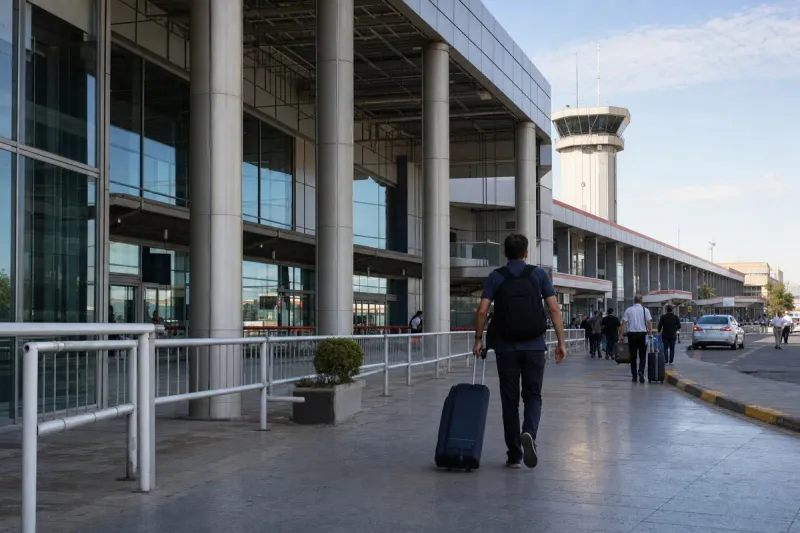
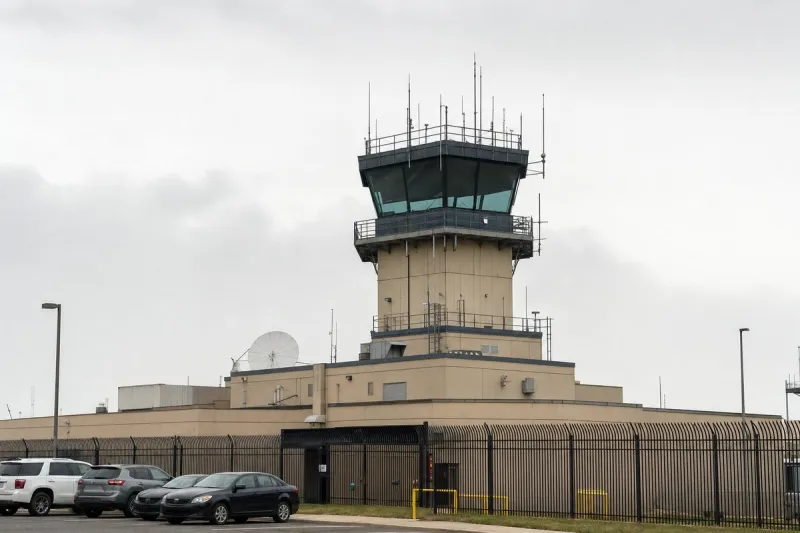
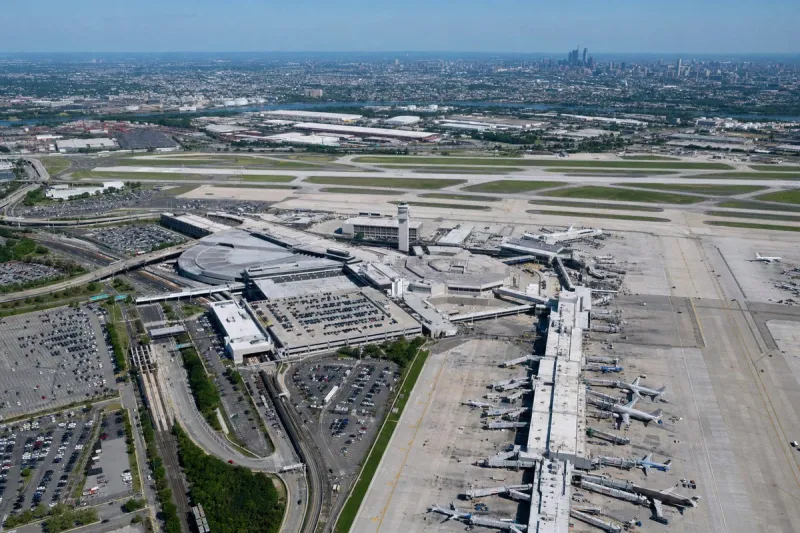
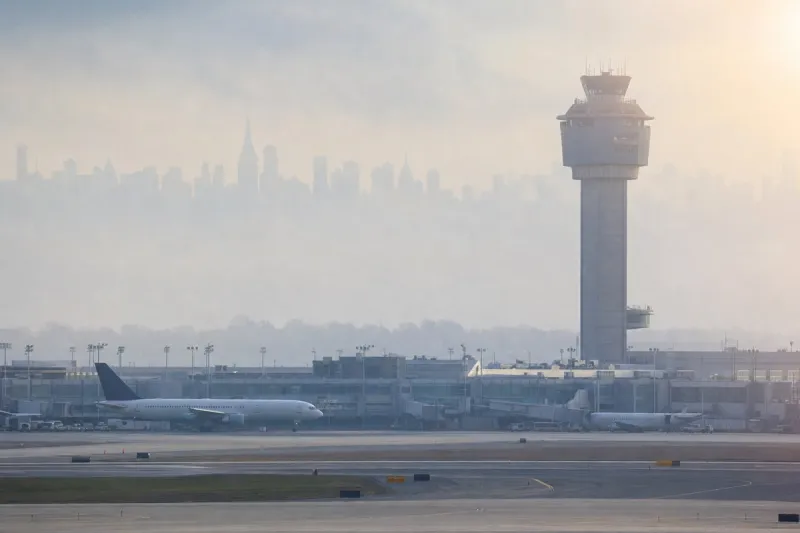
Thousands of flights across the Northeast United States were delayed or canceled on Monday after a circuit failed at a Philadelphia air traffic facility and a construction crew severed a fiber-optic cable near New Brunswick, New Jersey. US Transportation Secretary Sean Duffy said Tuesday that "the architecture of our telecom is still a 40-year-old architecture, which means you could have a switch go down and a line be cut yesterday and the Northeast goes down." Duffy said he wants an additional $30 billion to complete upgrades and fix facilities, on top of the $12.5 billion Congress approved last year for air traffic control modernization, warning that "these incidents will continue to happen unless we get the resources and actually build the architecture fit for the 21st century."
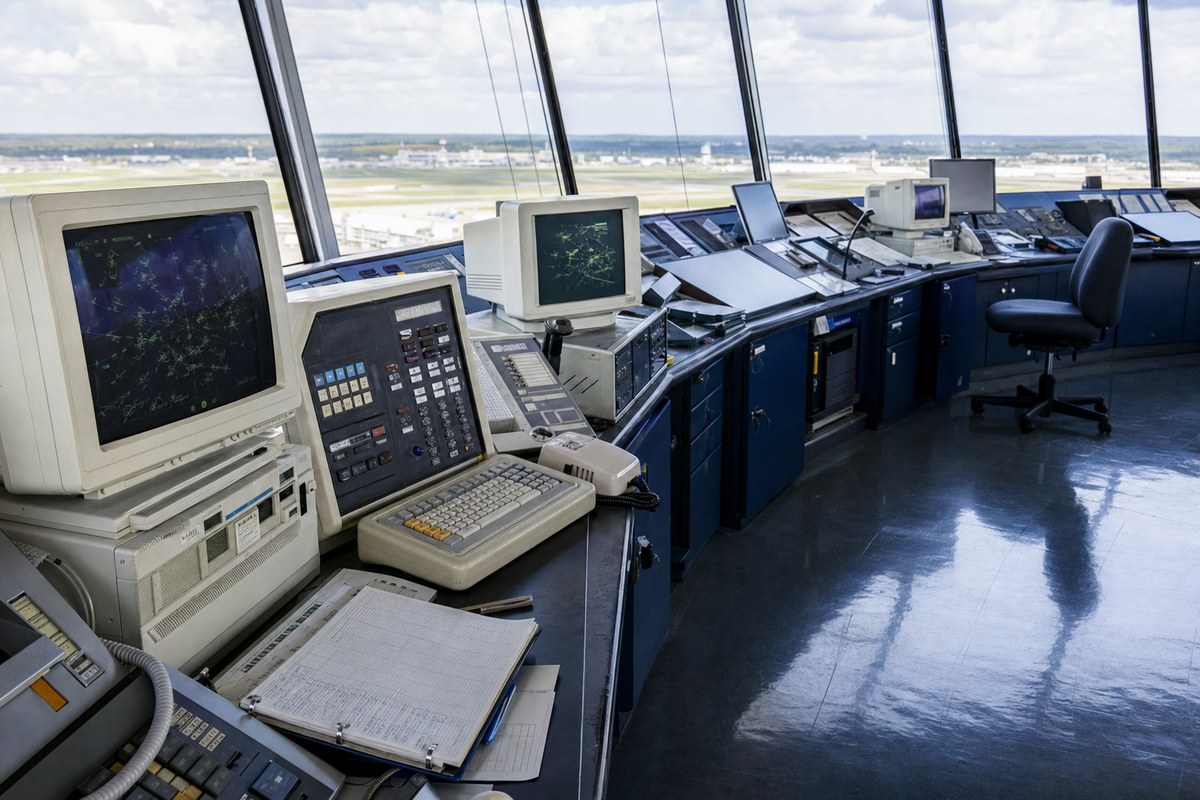
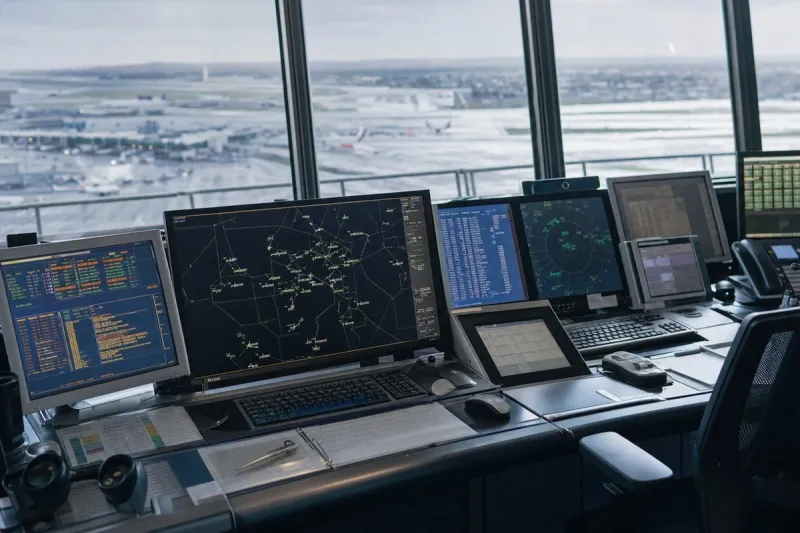
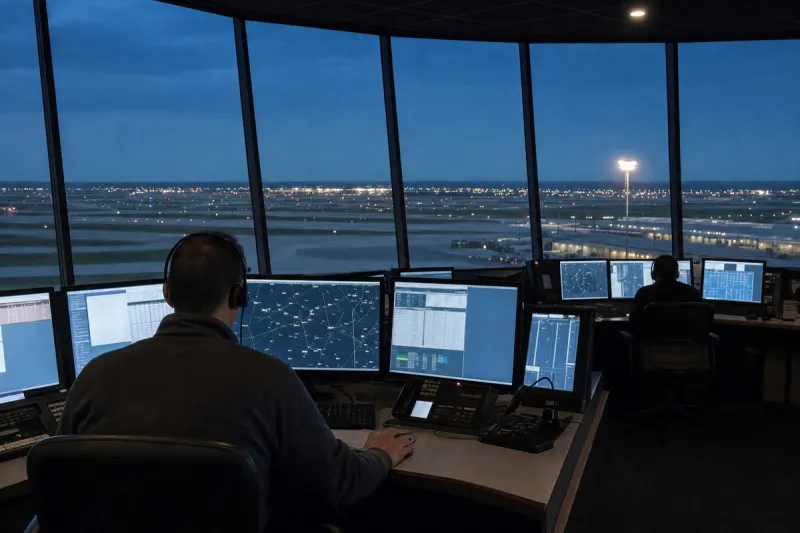
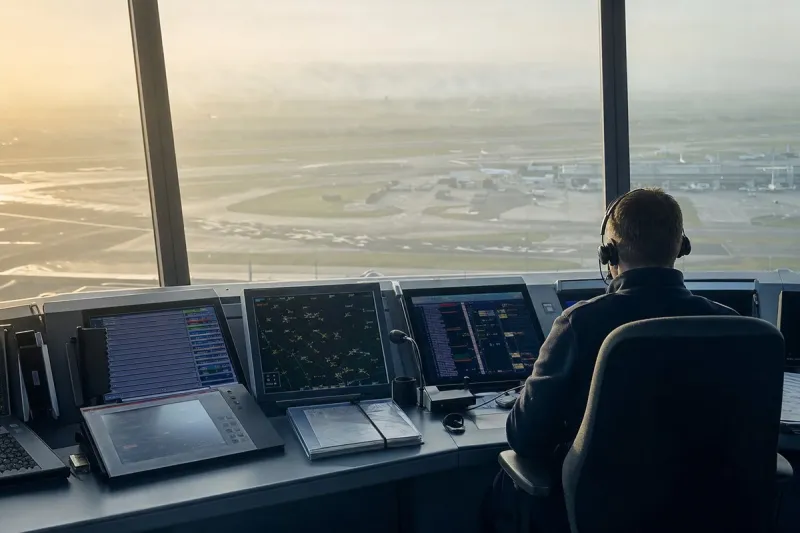
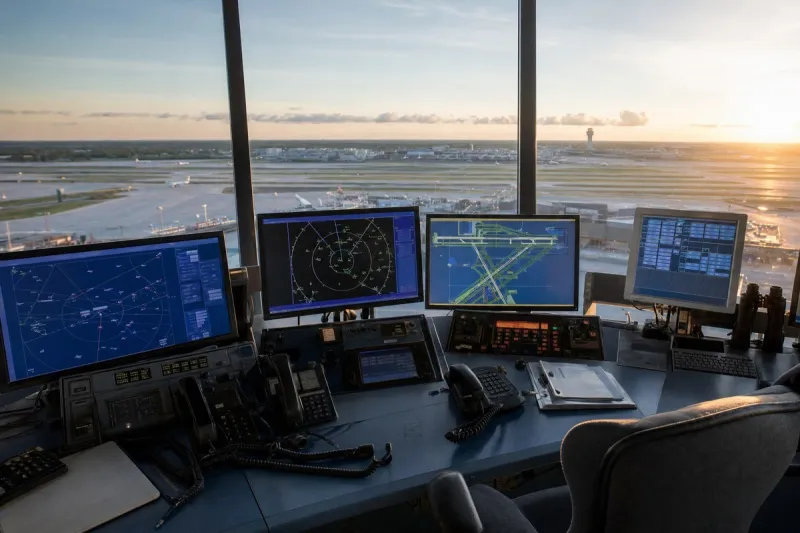
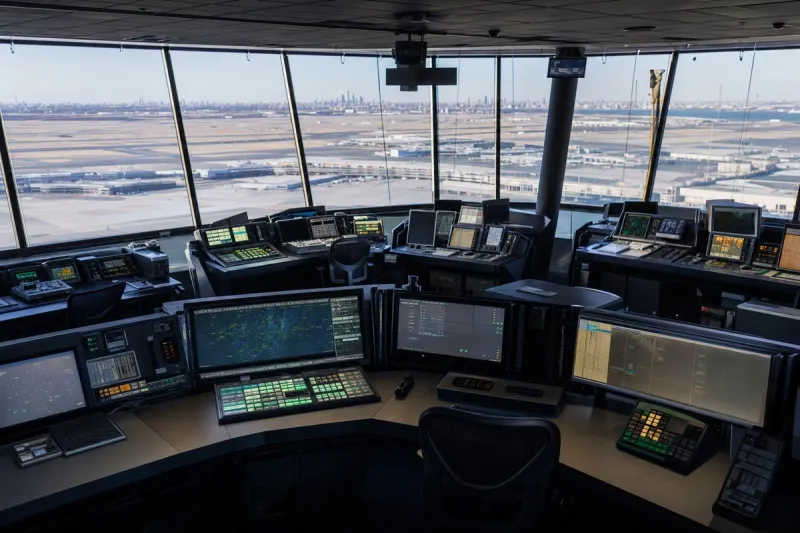
The Federal Aviation Administration operates more than 300 air traffic facilities that cannot communicate with one another and run on individual analog computers. FAA Administrator Bryan Bedford told Reuters the towers effectively run on individual Compaq computers, a brand acquired by HP that stopped producing computers in 2013. The FAA also maintains three telecom systems that are not interoperable, and the Government Accountability Office warned in 2024 that the agency needed to take "urgent action" on aging systems, noting one-third are.
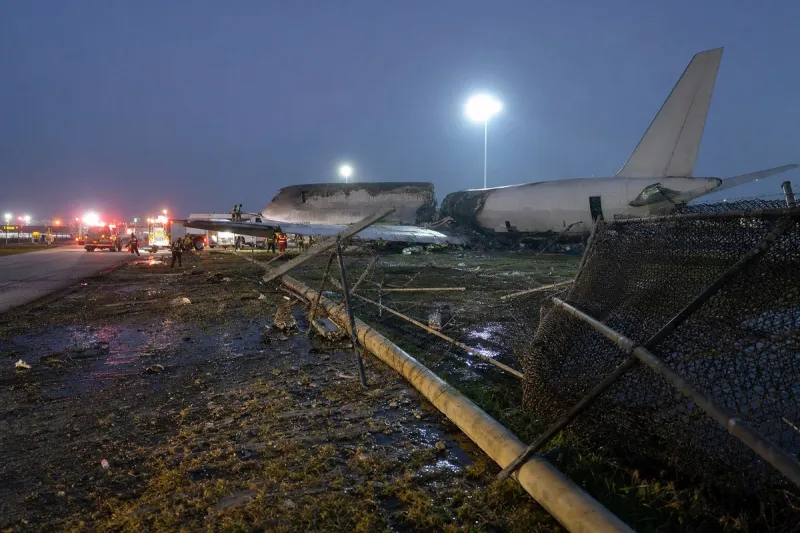
Past outages have caused major disruptions. In January 2023, all US departing flights were grounded for the first time since the September 11, 2001 attacks after a contractor accidentally deleted computer files affecting a key pilot messaging database, disrupting 11,000 flights. In September 2025, a contractor cut fiber lines near Dallas, causing a telecom outage that delayed more than 2,000 flights, canceled hundreds more at two Dallas-area airports, and disrupted travel for 100,000 American Airlines passengers.
The FAA first released a comprehensive modernization plan in 1982, estimating costs of about $10 billion by the late 1990s; by 1995, the Government Accountability Office said costs had ballooned to at least $36 billion. A subsequent reform program called NextGen, launched in 2004 and pegged at $15 billion, has faced numerous delays and cost overruns, and a report last year by the Transportation Department Office of Inspector General concluded that the FAA "delivered a delayed, over budget, and less transformational NextGen." A major transition is expected in late 2027, when air traffic control communications will shift from analog to digital, and the FAA also plans to move facilities from individual computers to cloud-based systems. A decades-old practice of using paper flight strips to track aircraft, which the FAA began phasing out in 2022, will not be completed at 49 major airports until at least 2028; 18 major airports have already eliminated paper strips.
Industry impact & what to watch
This is the same category of event as the January 2023 database failure and the September 2025 Dallas fiber cut: a single physical or software point of failure propagating across a regional or national airspace network because facilities cannot fail over to one another. That is a structural property of a system built on analog, non-interoperable telecom layers rather than a one-off maintenance lapse.
Air traffic control modernization in the US has historically been funded and executed in phases that lag both the deterioration of legacy equipment and the cost estimates set at each phase's outset — the 1982 plan, NextGen from 2004, and now the current push all show costs and timelines expanding well past initial projections. Layered onto that is a controller shortage measured in the thousands, which limits how much operational slack exists to absorb outages once they occur.
What determines whether this cycle breaks is whether the requested $30 billion is appropriated on top of the $12.5 billion already approved, and whether the late-2027 analog-to-digital transition and the cloud migration of facility computers land on schedule. The paper flight-strip phase-out, targeted for completion at 49 major airports by 2028 with 18 already converted, offers one concrete, dated checkpoint against which to measure whether modernization is actually keeping pace this time.