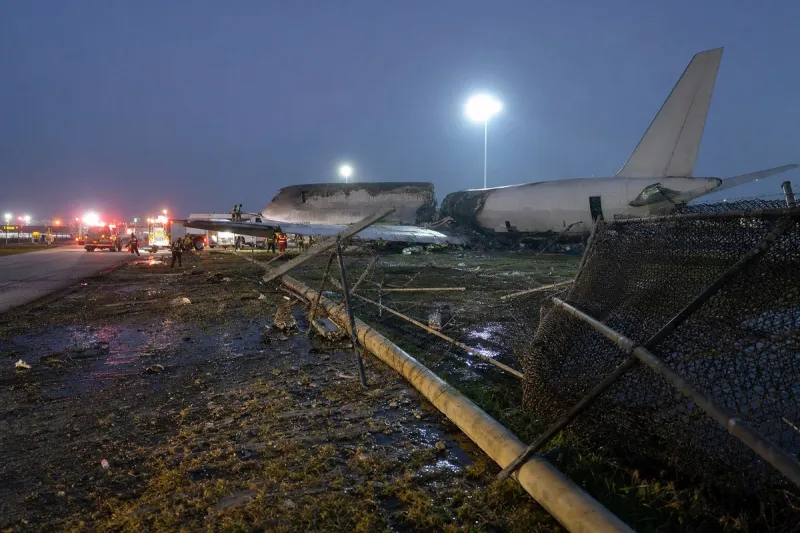
China Imposes 600-km No-Fly Zone Around Beijing Following Small Aircraft Crash into Capital's Tallest Building
Why It MattersThe measure shows how a single general-aviation incident near a capital city can trigger a permanent, large-scale airspace restriction that reshapes access for business and general aviation across an entire region.
What happened
China has established a permanent 600-kilometre-wide "Special Restricted Area" centred on Beijing, covering more than 280,000 square kilometres, an area authorities compared to the size of Italy. The restriction took effect on September 20, 2026, under an aviation notice attributed to Beijing airspace control authorities and posted through the U.S. Federal Aviation Administration's public NOTAM search system.
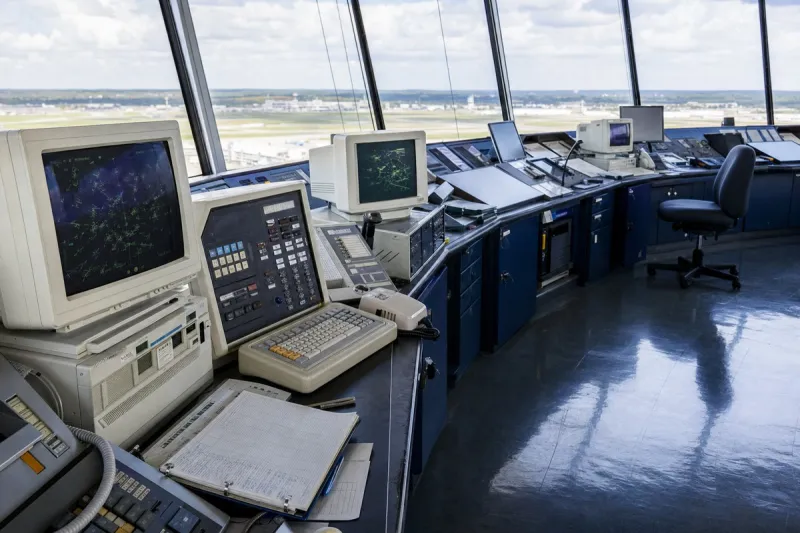
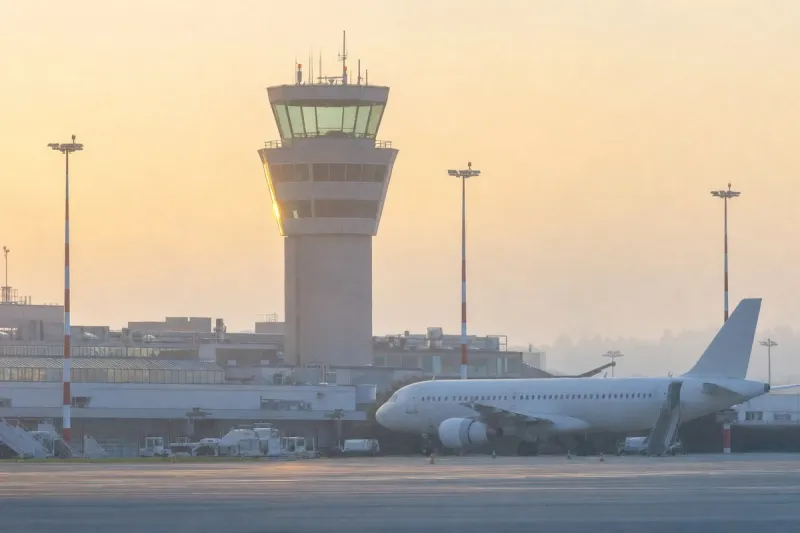
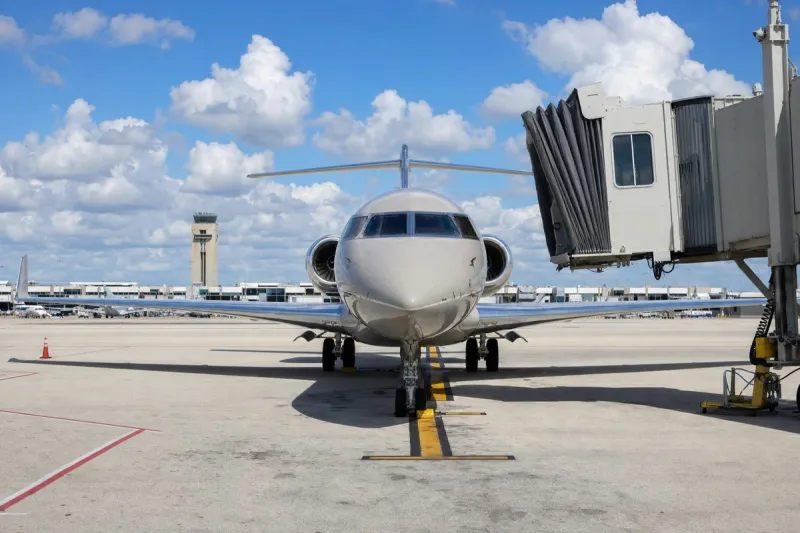
The zone covers Beijing and Tianjin, much of Hebei province, and extends into parts of Inner Mongolia, Shanxi, Shandong, Liaoning and the Bohai Sea, encompassing roughly 100 million people and dozens of airports and airfields. It applies from ground level to unlimited altitude. Only commercial airline flights, approved business flights, and military, customs, police and fire-rescue flights are exempt. Exempt aircraft must follow pre-approved flight plans, maintain continuous two-way radio contact with air traffic control, carry surveillance and identification equipment for continuous electronic tracking, and report their security status before entering the zone.
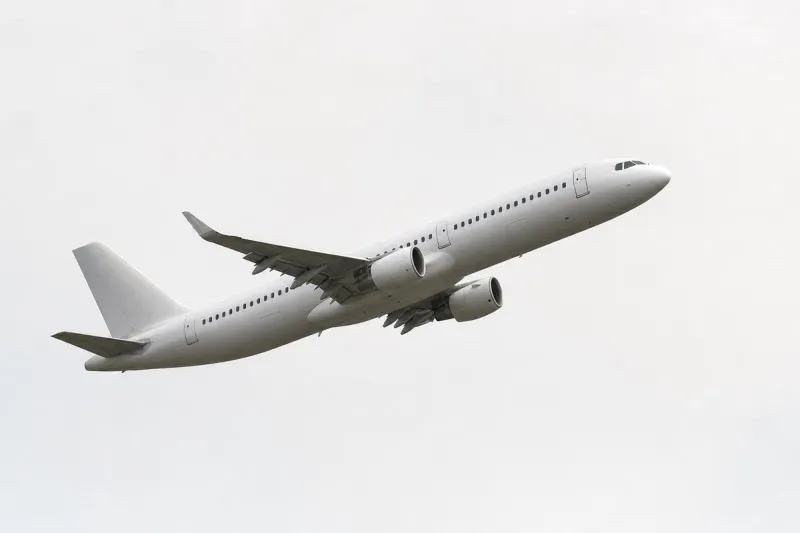
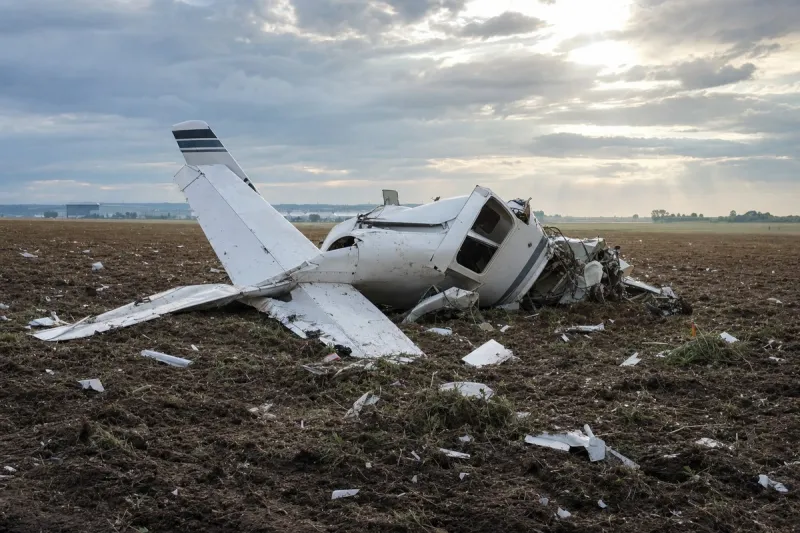
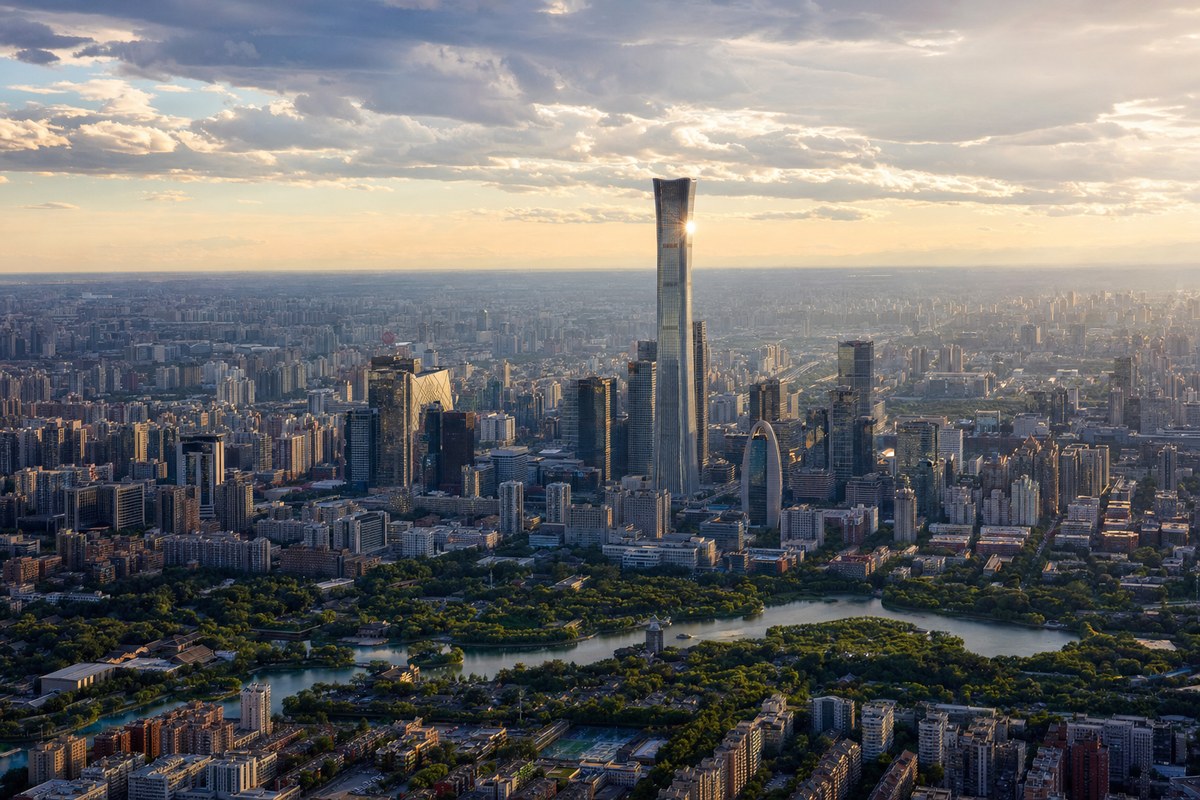
The measure follows a crash in June 2026, when a small aircraft struck CITIC Tower, also known as China Zun, a 108-storey skyscraper in Beijing's central business district that houses the headquarters of state-owned conglomerate CITIC Group. Authorities said the 66-year-old pilot, who had made repeated references to ending his life in his diary, deviated from his approved flight area and lost contact with a general aviation airport in Beijing's suburbs from which he had taken off. The pilot was killed; 13 people on the ground were injured. China's state-run Beijing Daily said the zone is meant to strengthen airspace security management in the capital region, maintain order in aerial operations, and protect important ground targets and public lives and property.
Industry impact & what to watch
A fatal encounter involving one small aircraft has produced a permanent restriction spanning over 280,000 square kilometres and multiple provinces, illustrating how capital-city airspace security can be tightened well beyond the footprint of the triggering event once ground-target protection becomes the stated rationale. General aviation and business aviation operators in the region now face a narrowed corridor: only flights that meet continuous radio contact, pre-approved flight plans and electronic tracking requirements can operate inside the zone, while the broader population of light aircraft and general aviation airfields within its bounds lose the routine access they previously had.
This is how large restricted zones tend to function once imposed: exemptions are built around verifiable compliance capability — transponders, tracking equipment, filed plans — rather than aircraft category alone, so operators who can meet those technical standards retain access while others do not. With dozens of airports and airfields and roughly 100 million people now inside the boundary, the practical effect on general aviation activity, flight training and business charter routing in the region will depend on how the exemption process is administered in practice.
What happens next will be visible in how airports and operators within the zone adjust scheduling and clearance procedures, and whether additional guidance follows on how "approved business flights" are defined and approved.