Middle East Airspace Fragmentation and Record El Niño Define Charter Aviation Risk Through Early 2027
Why It MattersCharter and business aviation risk planning now hinges on continuous, segment-by-segment airspace verification and rolling weather reviews rather than static regional assumptions, as both conflict and climate hazards evolve week to week.
What happened
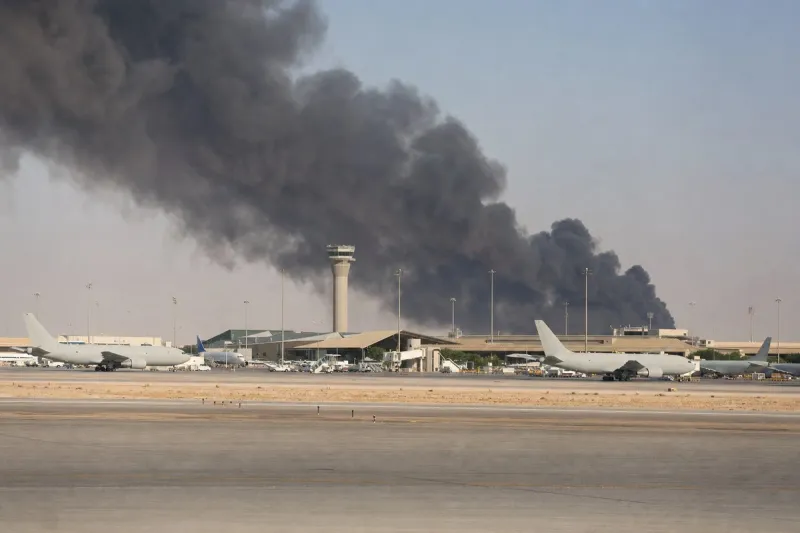
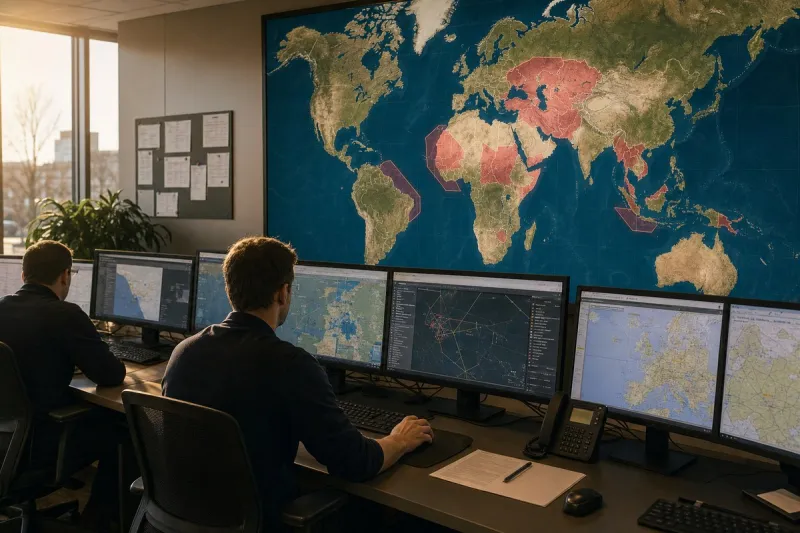
The conflict between the United States and Iran has reignited the Yemeni civil war and the long-running confrontation between the Houthis and Saudi Arabia. Following joint US and Israeli strikes on Iran, several Middle Eastern states closed or restricted their airspace on security grounds, and renewed US security alerts continue to warn of further closures and cancellations. The airspace corridor between Israel and Iran is described as high risk due to potential military activity, and flights to and from Israel are additionally reported to require prior approval. Iran has stated its intention to target locations associated with the United States and Israel, including organisations, businesses, facilities and institutions.

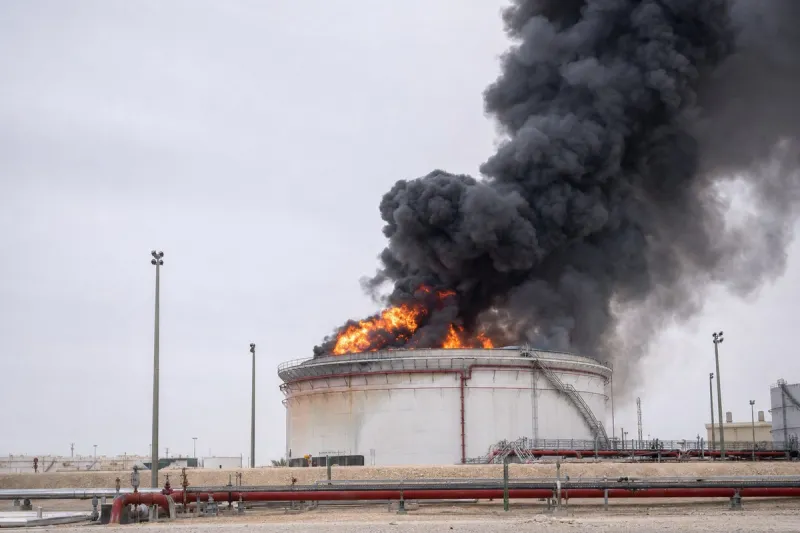
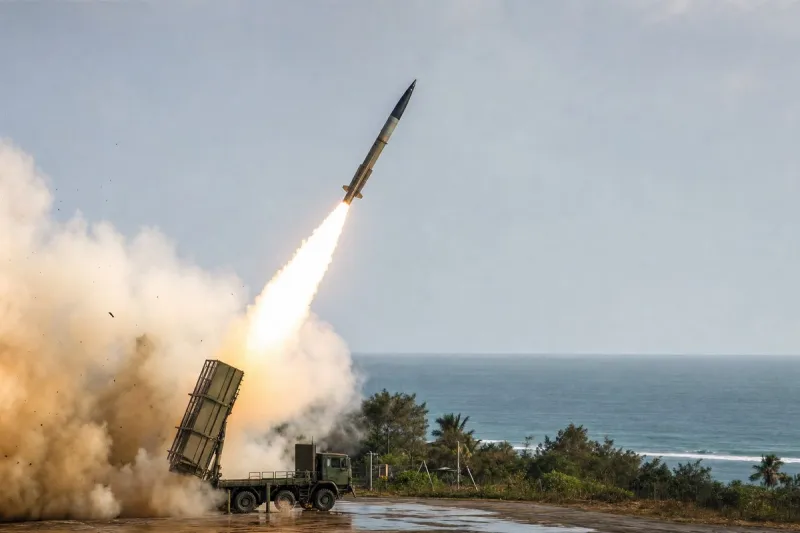
Houthi forces have attacked Saudi oil infrastructure since July, and on September 16 announced ballistic missile and drone strikes on military and oil infrastructure in western Saudi Arabia, including the Aramco refinery at Yanbu on the Red Sea coast, approximately 900 kilometres northwest of the Saudi-Yemen border. The Red Sea shipping corridor has also been targeted. On September 18, Iraq announced that restricted airspace across the western part of the country, running north to south, had been returned to civilian authorities, ending limits imposed for military operations against Islamic State in 2016 and 2017; Iraqi authorities expect to redesign routes and ease constraints on aircraft movement.
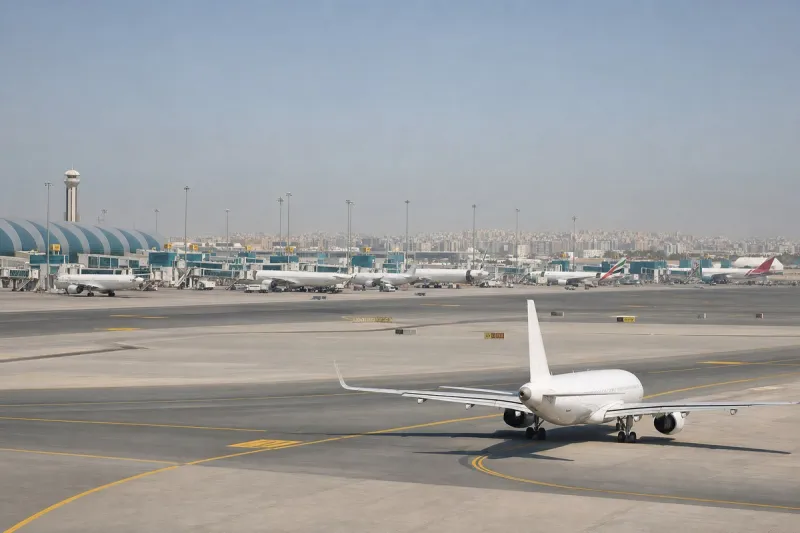
Scheduled airline capacity is returning unevenly. Wizz Air has confirmed the resumption of Abu Dhabi and Dubai services from October 25, restoring twelve Middle East routes and forty-nine weekly flights across the UAE, Saudi Arabia and Jordan. Pegasus has announced the return of Middle East flying subject to the Israel prior-approval requirement. British Airways is reported to resume Dubai on November 3 but not Abu Dhabi until winter 2027, while Virgin Atlantic is not expected to restart Dubai until winter 2027.
Separately, the World Meteorological Organization stated on September 3 that El Niño was firmly established and would become a very strong event, and NOAA's September 10 assessment put the probability of a very strong event this autumn and winter above 90 percent, with continuation through February 2027 near certain. Eastern equatorial Pacific sea-surface temperature anomalies have crossed three degrees Celsius, with a modelled peak around November. Typhoon Dujuan is tracking toward Japan. The same climate driver is linked to fires on Sumatra and Borneo, flooding in the Philippines in August, India's weakest monsoon in two decades, drought across Indonesia and southern Africa, and flooding in Peru and Ecuador. In Nepal, rescue operations continue following the August 26 glacier and rock collapse and subsequent flash floods and mudslides, with hundreds of workers still missing in tunnels along the Trishuli river and damage recorded in Nuwakot district; attribution analysis found climate change made the collapse more likely, citing unusually warm conditions in July and August and possible rock weakening from the 2015 earthquake, though it was not the sole cause.
Fuel, underwriting and routing pressure
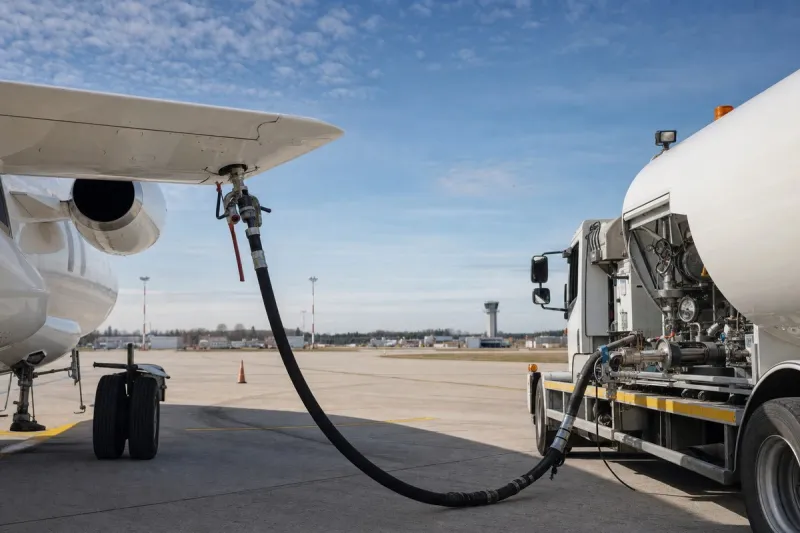
Iran's effective blockade of the Strait of Hormuz has restricted Qatar's, Kuwait's and the UAE's primary energy export route and forced Saudi Arabia to divert exports through the Red Sea, creating fuel-logistics and pricing risk at Gulf technical stops. The western Saudi coast and the Red Sea can no longer be treated as quiet alternatives to the Gulf, and overflight of Yemen and the southern Red Sea carries missile and drone exposure given the Houthi strikes on Yanbu and the wider Red Sea shipping corridor.
In the western Pacific, the Luzon Strait and Batanes area remain a focus of US-Chinese friction, with a presidential summit in Washington on September 24 and allied force postures shifting; no civil airspace restriction has been reported there.
Industry impact & what to watch
This is a case of two independent hazard systems compounding at once rather than a single crisis: a war-driven airspace fragmentation across the Middle East, and a record climate event stressing routing and ground operations across Asia-Pacific. For charter and business aviation, both risks are dynamic rather than fixed, meaning the closed, conditional and usable segments identified today can shift before the next departure.
Capacity gaps into Abu Dhabi, and to a lesser extent Dubai, created by scheduled carriers delaying restarts until winter 2027 will draw charter demand into precisely the markets where risk assessment is hardest — those requiring segment-by-segment airspace verification, prior approvals for Israel-linked flights, and confirmation of fuel uplift availability at Gulf stops affected by the Hormuz disruption. War-risk underwriting and territorial exclusions covering Yemen, Iranian and Israeli airspace and the Red Sea littoral shape which routes are insurable at all, independent of whether they are physically open.
On the weather side, the modelled El Niño peak around November, Typhoon Dujuan's track, and the progression of Southeast Asian fire and flood seasons should drive rolling reviews of alternates, slot availability and crew duty planning through the winter. The Iraqi airspace handback offers a narrow administrative benefit for lateral routing between Europe or the Levant and the Gulf or South Asia, but it does not offset the broader exposure. Whether US posture toward the Houthis shifts after Gulf meetings, and whether closures imposed after the strikes on Iran are lifted, extended or widened, will determine how much of this fragmentation persists into 2027.