U.S. Treasury Claims Sanctions Have Halted 80–90% of Iran's International Flights
Why It MattersSanctions targeting airport services, cargo handling and ticketing show how a single financial-access threat can fragment a national carrier network route by route rather than shutting it down outright.
What happened
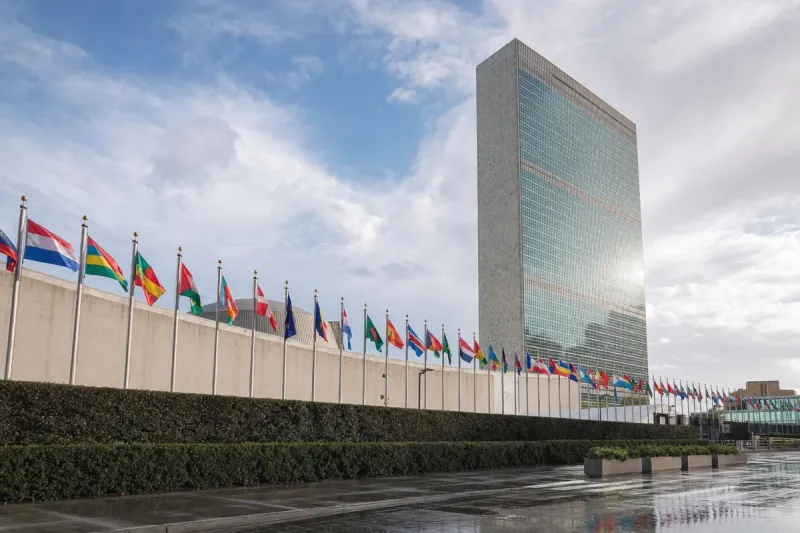
U.S. Treasury Secretary Scott Bessent said on September 24, 2026, that Washington's expanded sanctions against Iran's aviation sector had halted 80 to 90 percent of the country's international flights. Speaking to Fox News, Bessent said the U.S. had "put pressure on the Iranians in a way they have never seen before," and said he was uncertain how Iranian officials attending the United Nations General Assembly would get home.
Several international routes remained active after the new restrictions took effect. Azerbaijan and Georgia confirmed the suspension of flights operated by Iranian airlines. Iranian domestic media said the United Arab Emirates had stopped accepting flights from Iranian carriers. Flights to Baghdad, Muscat, and Qatar were suspended, though Qatari aviation authorities had not issued official confirmation; in Iraq, flights to Baghdad were halted while the Najaf route continued to operate.
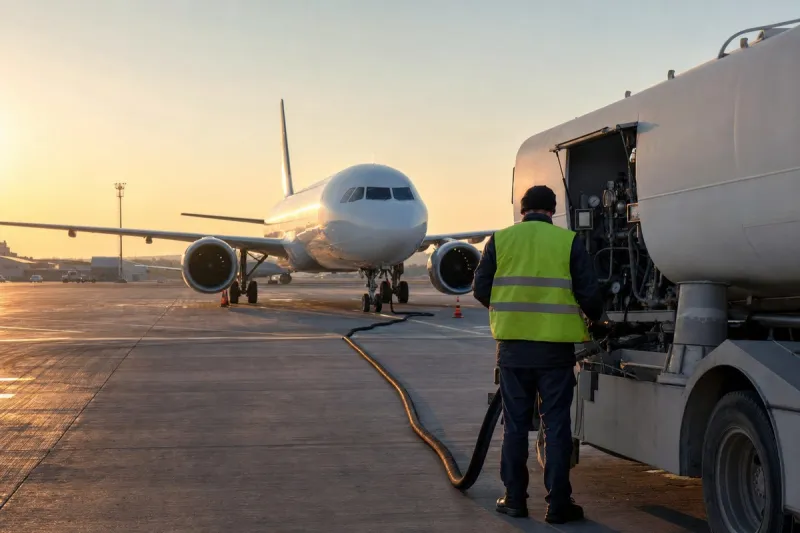
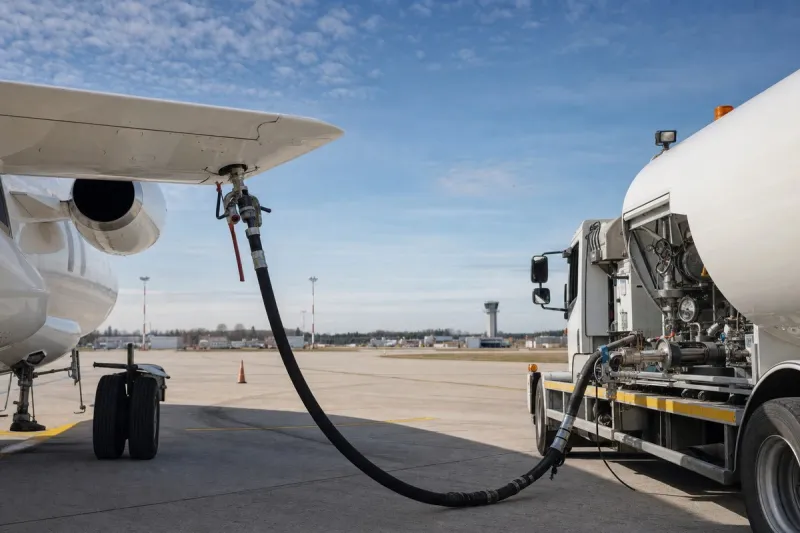
Mahan Air suspended its flights to Istanbul and Ankara, though other Iranian airlines continued to operate some flights on those routes. On September 24, Turkmenistan denied airspace permission to an Iranian aircraft traveling from Tehran to Dushanbe, forcing it to return to Tehran, though Turkmen authorities did not announce a complete closure of their airspace. A Mahan Air aircraft landed in Guangzhou, China, after the sanctions took effect, and flights between Iran and Afghanistan as well as between Iran and Najaf also continued. The aircraft carrying Iranian President Masoud Pezeshkian to New York stopped at Algiers Airport; Iran's Civil Aviation Organization said the stop was pre-planned for refueling and routine aviation checks.
On September 8, the U.S. Department of the Treasury sanctioned 27 Iranian airlines and several foreign companies providing services to them under a campaign designated "Operation Economic Exclusion." The Department said foreign companies offering airport services, cargo handling, ticketing, or operational support to sanctioned Iranian airlines could face secondary sanctions and lose access to the U.S. financial system.
Industry impact & what to watch
Sanctions of this kind work less through a single blanket ban than through a chain of secondary pressure — foreign governments withholding landing or overflight permission, third-country handlers declining to service listed carriers, and neighboring states enforcing suspensions independently of Washington's own order. That is why the picture Bessent described as an 80-90% halt coexists with confirmed operations to Guangzhou, Kabul, and Najaf: route survival now depends on whether a specific corridor's ground-handling and airspace providers are exposed to the U.S. financial system.
For carriers like Mahan Air, the exposure runs through the companies that fuel, handle, and clear their aircraft abroad, not through the airline directly — which is why the Treasury's warning to foreign airport-services and cargo-handling firms matters as much as the airline designations themselves. Watch which governments issue their own formal suspension notices, as Azerbaijan and Georgia did, versus which routes simply keep flying because no third-country intermediary has yet pulled support, as with the Najaf and Afghanistan connections and the Guangzhou landing.
The next signal will be whether Qatar issues the official confirmation it has so far withheld, and whether Turkmenistan moves from denying a single flight's airspace request to a formal closure.