China Imposes Permanent 280,000-sq-km Airspace Restriction Around Beijing Following June Skyscraper Crash
Why It MattersLarge-scale airspace restrictions triggered by a single light aircraft incident show how quickly regulators can convert an isolated safety event into permanent, wide-area operating constraints for commercial and business aviation.
What happened
China has established a permanent Special Restricted Area covering more than 280,000 square kilometers around Beijing, effective September 20. The zone extends approximately 300 kilometers from Beijing and encompasses the capital, Tianjin, much of Hebei province, parts of several neighboring regions, and portions of the Bohai Sea, an area described as roughly comparable in size to Italy.

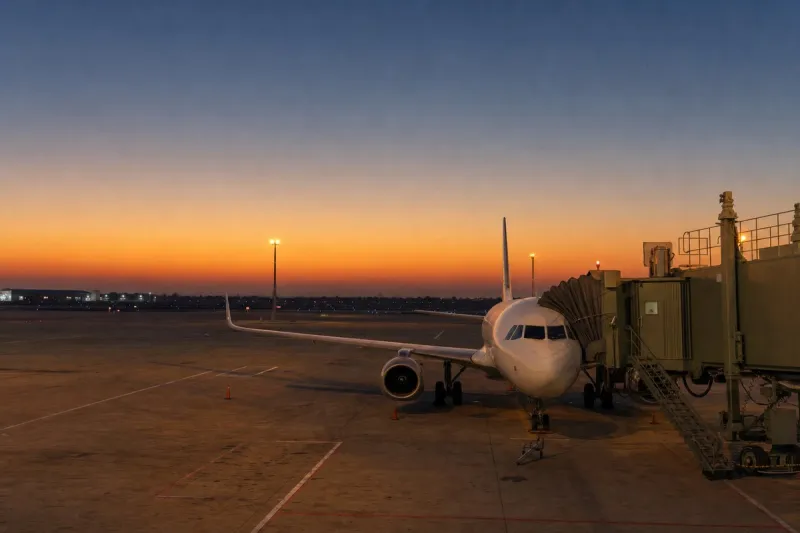
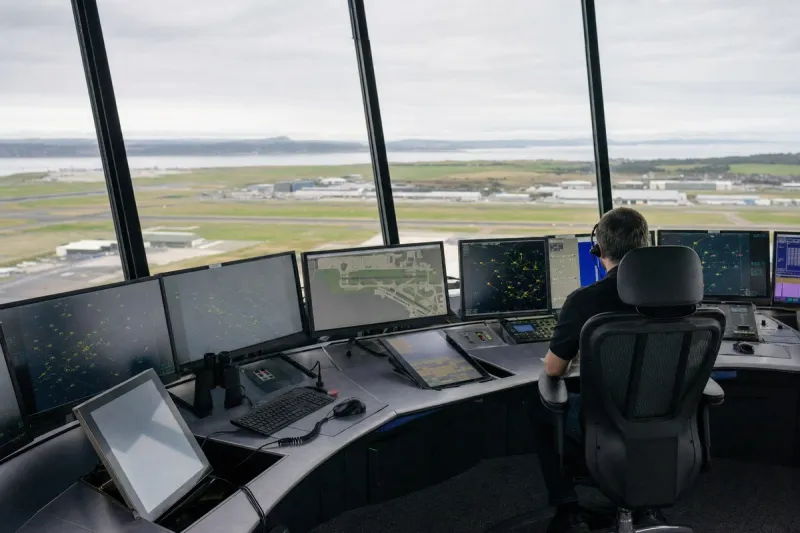
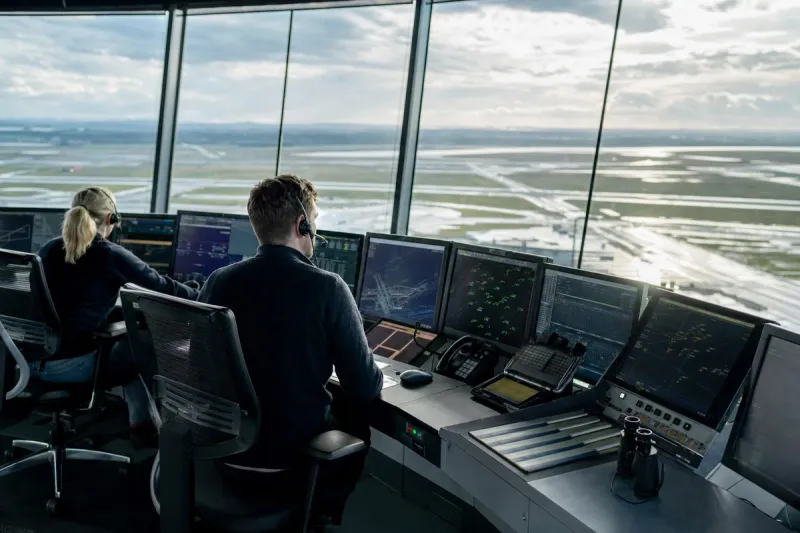
Most flights are prohibited from the ground upward within the zone. Exceptions include scheduled commercial services, approved business aviation, and military, customs, police, and emergency flights. Aircraft permitted to operate must follow pre-approved flight plans, maintain continuous communication with air traffic control, and carry equipment enabling authorities to track and identify them electronically.
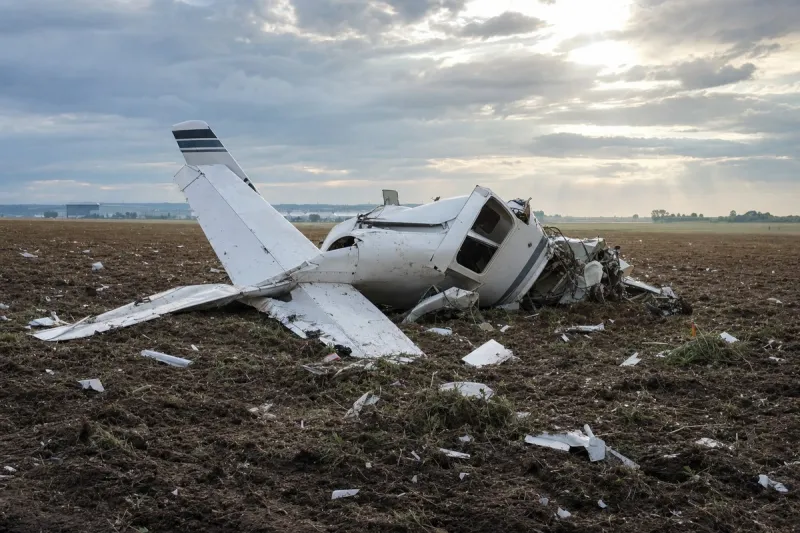
The measures follow the June 26 crash in which a light sport aircraft struck the 108-story CITIC Tower, also known as China Zun. The pilot was killed and 13 people on the ground were injured, according to Chinese authorities. Beijing is also tightening rules on civilian drones, with new municipal restrictions on their possession and storage scheduled to take effect in November.
Industry impact & what to watch
A single fatal light sport aircraft accident has produced one of the largest sustained airspace restrictions tied to a civilian incident, reshaping how operators near a major capital must plan flights months after the event. The response shows how a localized safety failure can escalate into a structural change in access covering an entire metropolitan region and its surrounding provinces.
For scheduled carriers and approved business aviation operators, the zone's conditions — pre-approved flight plans, continuous air traffic control contact, and mandatory electronic tracking equipment — function as a standing compliance layer rather than a temporary notice. That kind of permanent overlay changes routine dispatch and flight-planning procedures for any operator serving Beijing, Tianjin, or nearby Hebei airports.
What remains to be seen is how the new drone possession and storage restrictions, due in November, interact with the fixed-wing restrictions already in force, and whether other Chinese cities adopt similar permanent zones around their tallest structures.