ATC Outages, Security Warnings Hit US and UK as FAA Seeks $30B Modernization Funding
Why It MattersRepeated single-point-of-failure incidents across US and UK air traffic infrastructure underscore how legacy communications and software systems remain the fragile backbone that flight scheduling reliability ultimately depends on.
What happened
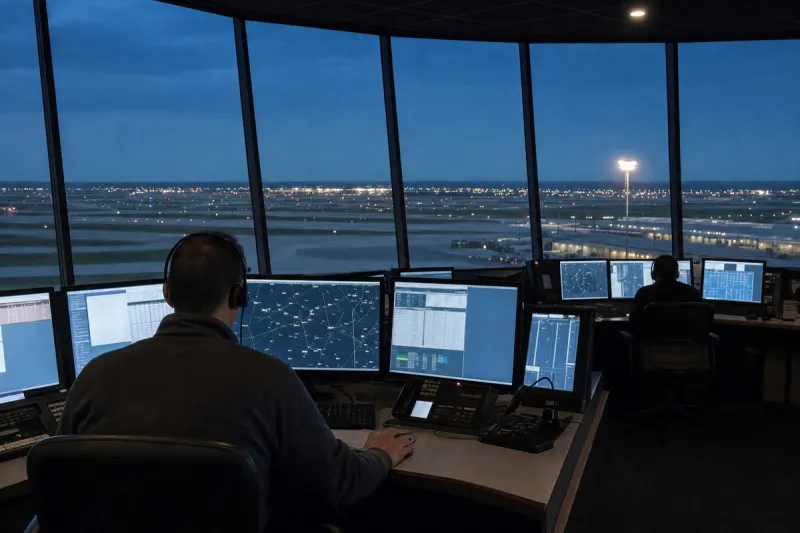
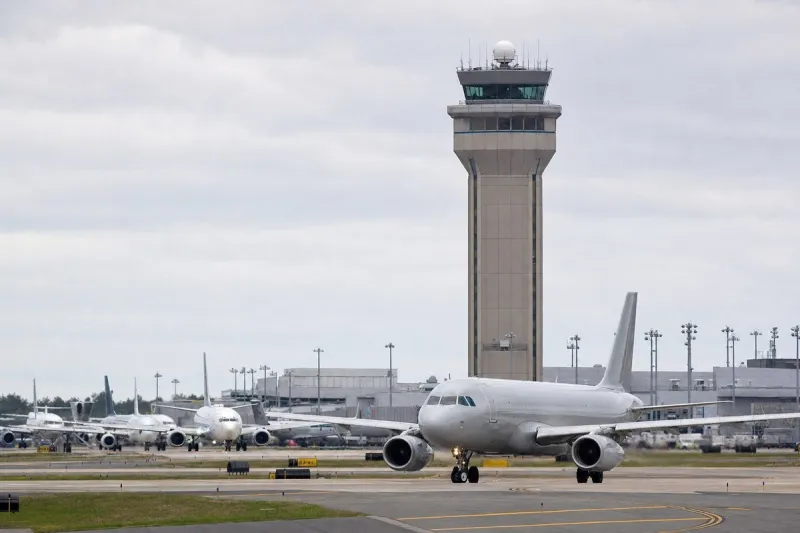
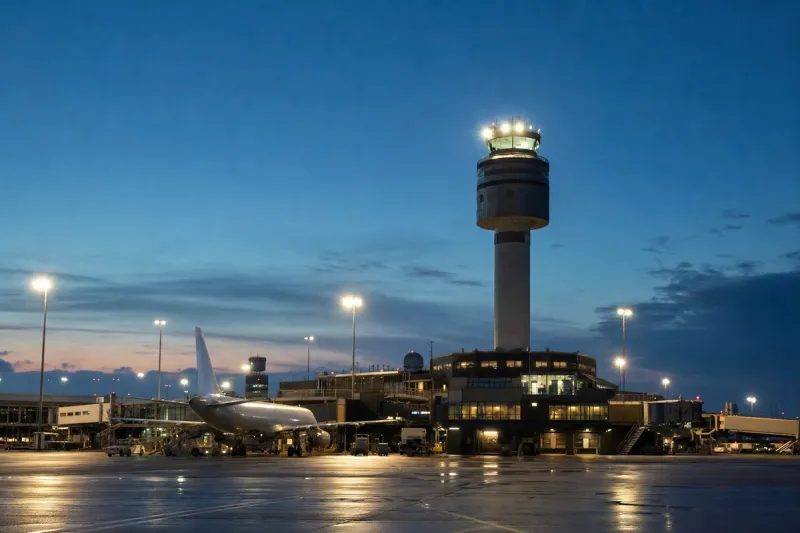
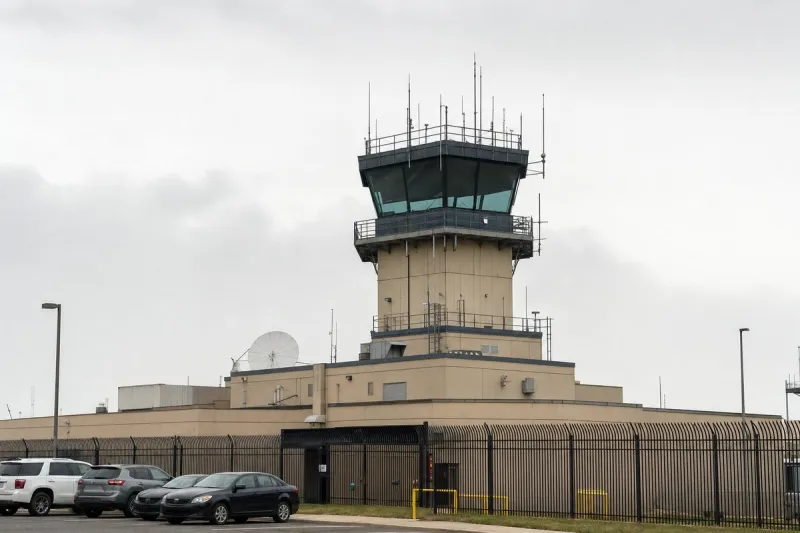
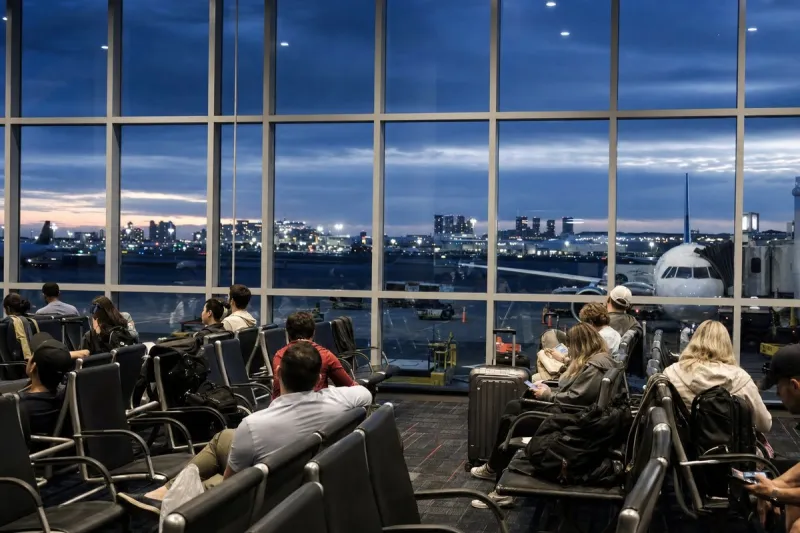
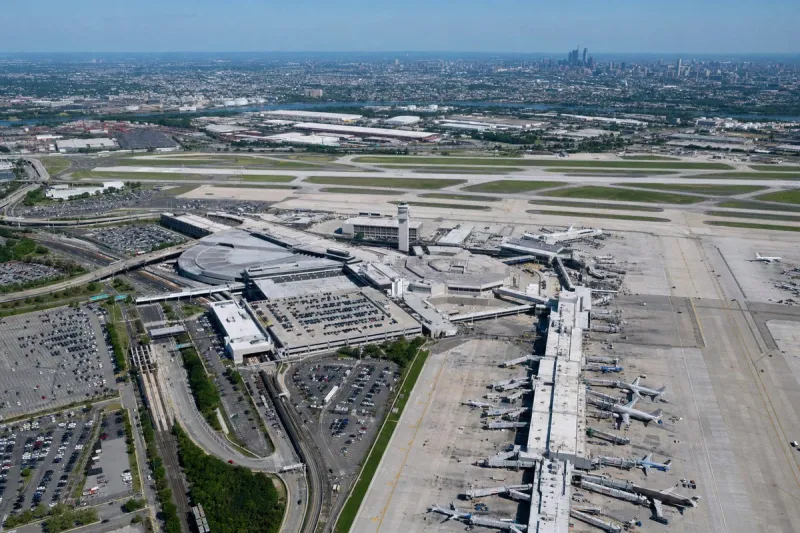
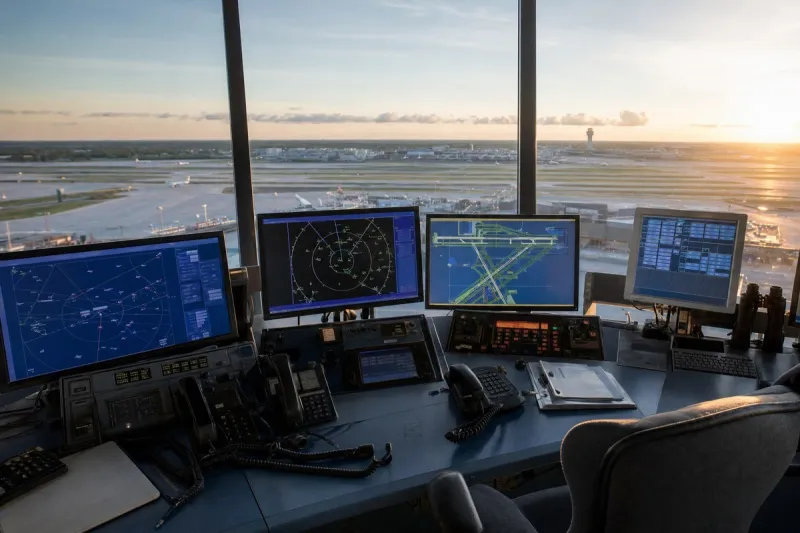
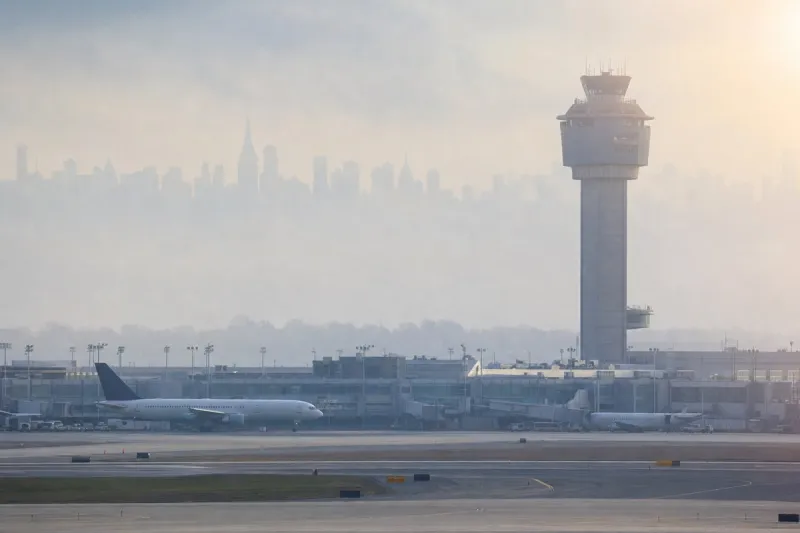
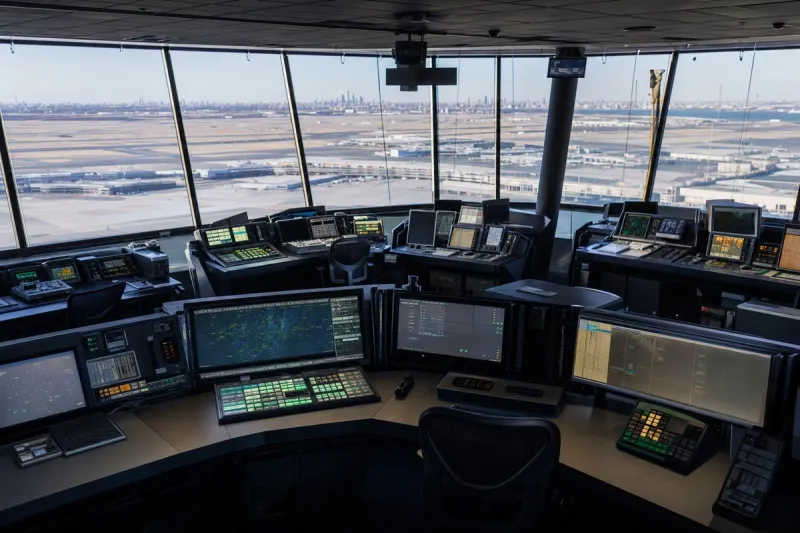
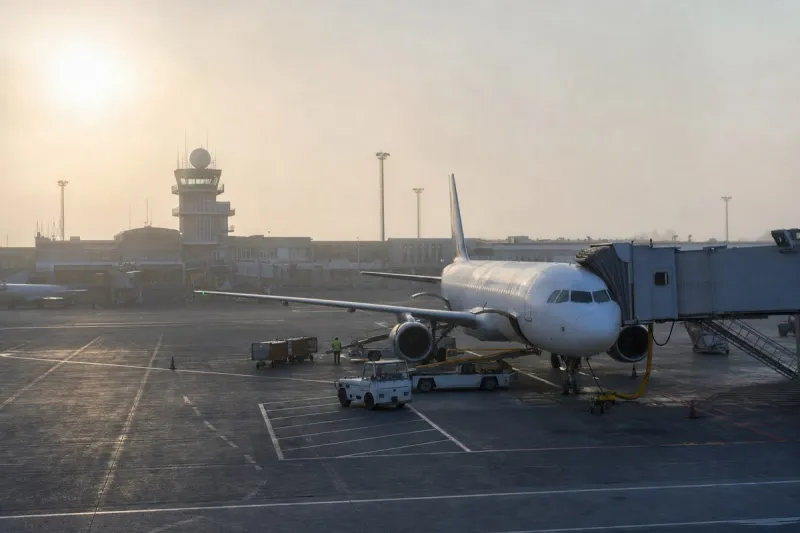
On September 21, 2026, a circuit failure at Philadelphia TRACON triggered FAA ground stops at Newark Liberty International Airport, Philadelphia International Airport, and Teterboro Airport. The disruption deepened when an Amtrak crew severed the FAA's backup fiber cable at the same facility, halting incoming flights at six Northeast airports. FlightAware reported more than 5,600 US flight delays, while Flightradar24 logged 92 cancellations and nearly 70 diversions at Newark alone.

That same day, the FAA launched its approximately $876 million SMART AI airspace management tool in limited mode at BWI, Dulles, and Reagan National airports. Congressman Beyer called for the tool's suspension the same day.
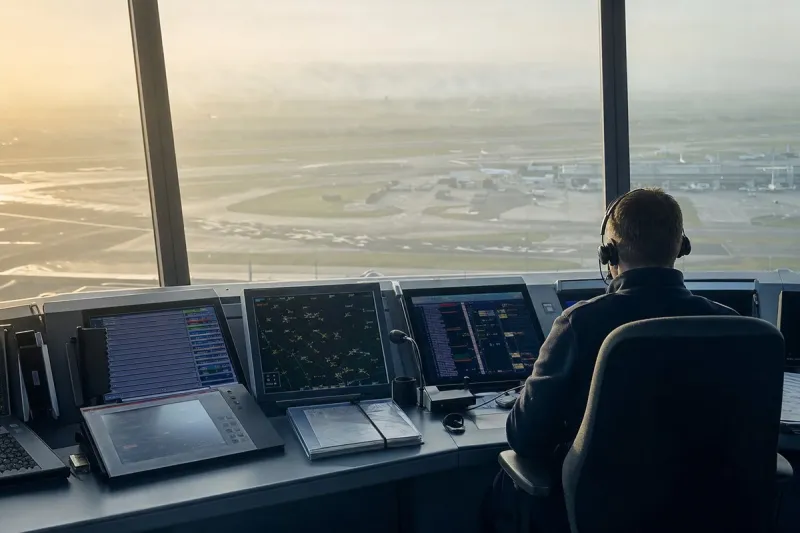
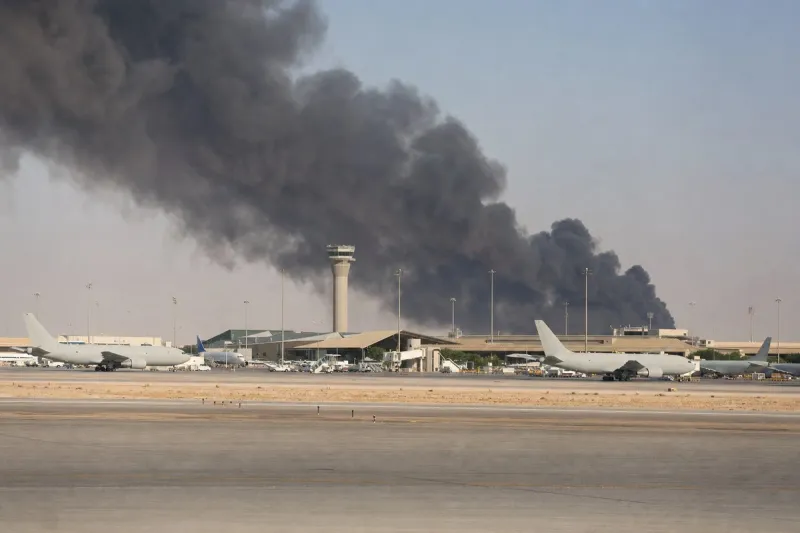
In the UK, investigations into a September 8 air-traffic outage at NATS Prestwick identified a software defect in the National Airspace System responsible for allocating squawk codes. Officials described the fault as a legacy, previously unknown defect and ruled out a cyber attack or military operation. A Civil Aviation Authority-led independent review has been planned to assess fixes and system resilience. Separately, the US Government Accountability Office warned that FAA air traffic communications links can be intercepted or impersonated and lack common encryption, citing a 2025 incident in which jamming affected a Spanish military jet carrying the country's defense minister as an illustration of the broader vulnerability.
On September 23, 2026, Transportation Secretary Sean Duffy requested an additional $30 billion for air traffic control modernization. The plan calls for replacing copper communications lines with modern alternatives, upgrading radars and radios, and building multiple redundant pathways to eliminate single points of failure. Airports specifically identified in the plan include JFK, EWR, LGA, PHL, and BOS.
Two systems, one week, the same fragility
The Philadelphia incident shows how a single facility's circuit failure, compounded by an unrelated physical cut to a backup line, can cascade into delays spanning six Northeast airports at once. The Prestwick case shows the same underlying pattern from a different angle: a software defect in the code that assigns squawk identifiers sat undetected in the National Airspace System until it surfaced as an outage, with officials needing to first rule out a cyber attack before identifying it as a legacy defect.
The GAO's warning about unencrypted, interceptable ATC communications links adds a third dimension to the same week's events — not a failure that already happened, but a vulnerability the agency says already exists across the network, illustrated by a jamming incident affecting a foreign military aircraft rather than a US commercial flight.
Industry impact & what to watch
Ground stops driven by facility-level hardware failures, rather than weather or traffic volume, expose how concentrated single points of failure remain in ATC infrastructure even as air traffic volumes grow. When a backup cable can be severed by an unrelated maintenance crew and still halt flights at six airports, redundancy exists on paper but not in practice.
The UK review process illustrates how legacy software defects can persist undetected for years inside systems responsible for basic functions like squawk code allocation, and how ruling out deliberate interference takes time even when the eventual finding is a benign defect. That review timeline, once the Civil Aviation Authority publishes findings, will be one signal of how deep the fix needs to go.
The $30 billion request ties directly to named airports — JFK, EWR, LGA, PHL, and BOS — and to specific technical asks: replacing copper lines, upgrading radars and radios, and building multiple redundant pathways. Whether Congress funds that request, and on what timeline the SMART AI tool's suspension question gets resolved, will determine whether this month's disruptions mark the start of a funded fix or another warning that went unaddressed.