Biffle Estate Blames Pilots in Cessna Citation Crash Lawsuit, Invoking North Carolina's Contributory Negligence Law
Why It MattersLitigation over a fatal charter-style accident shows how a single jurisdiction's negligence standard can shape whether crew qualification gaps, not just aircraft airworthiness, determine liability outcomes.
What happened
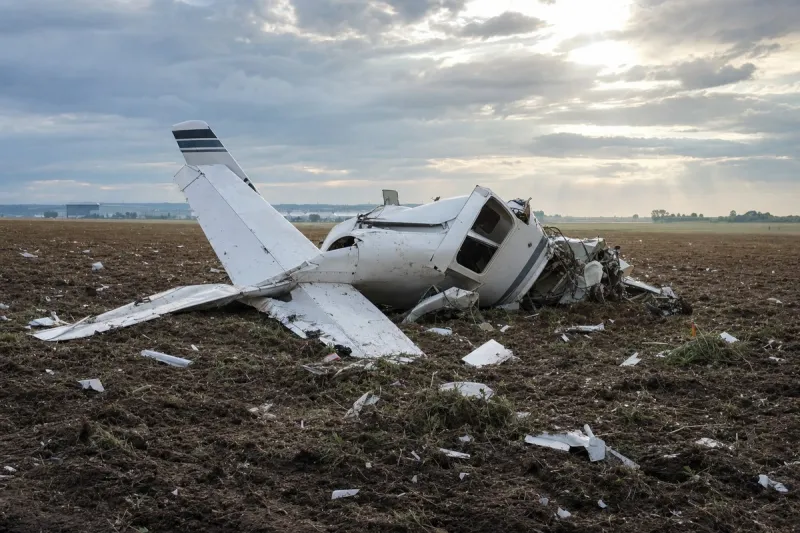
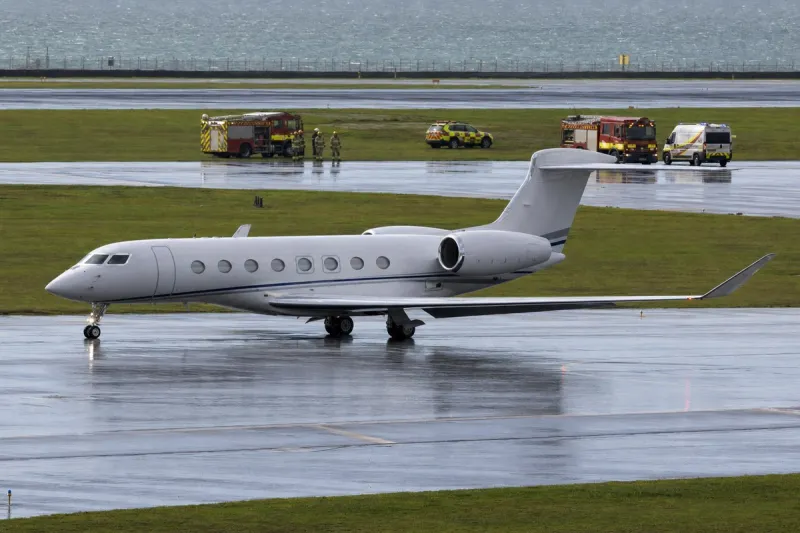
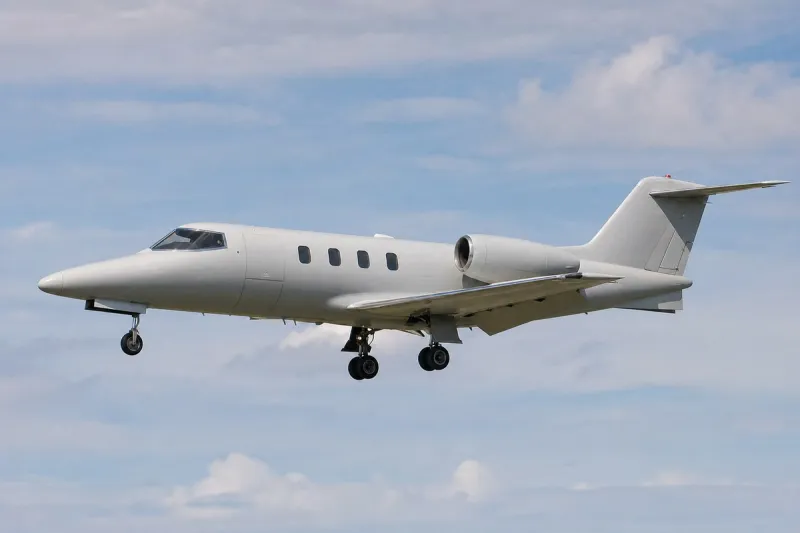
The estate of NASCAR driver Greg Biffle has moved to dismiss wrongful-death claims filed by the families of pilots Dennis Dutton and Jack Dutton, arguing the pilots were negligent in operating the Cessna Citation that crashed short of the runway at Statesville Regional Airport on December 18, 2025, killing all seven people aboard. The crash killed Biffle, his wife Cristina, his daughter Emma, his son Ryder, both pilots, and passenger Craig Wadsworth. The jet, registered N257BW, was operated by GB Aviation Leasing LLC, Biffle's aircraft company, and was on a personal flight bound for Sarasota, Florida. In April, the Dutton estates filed wrongful-death suits against Biffle's estate seeking $15 million each, alleging Biffle's company was responsible for the aircraft's airworthiness; the Biffle estate's motion shifts focus from aircraft maintenance to cockpit conduct.
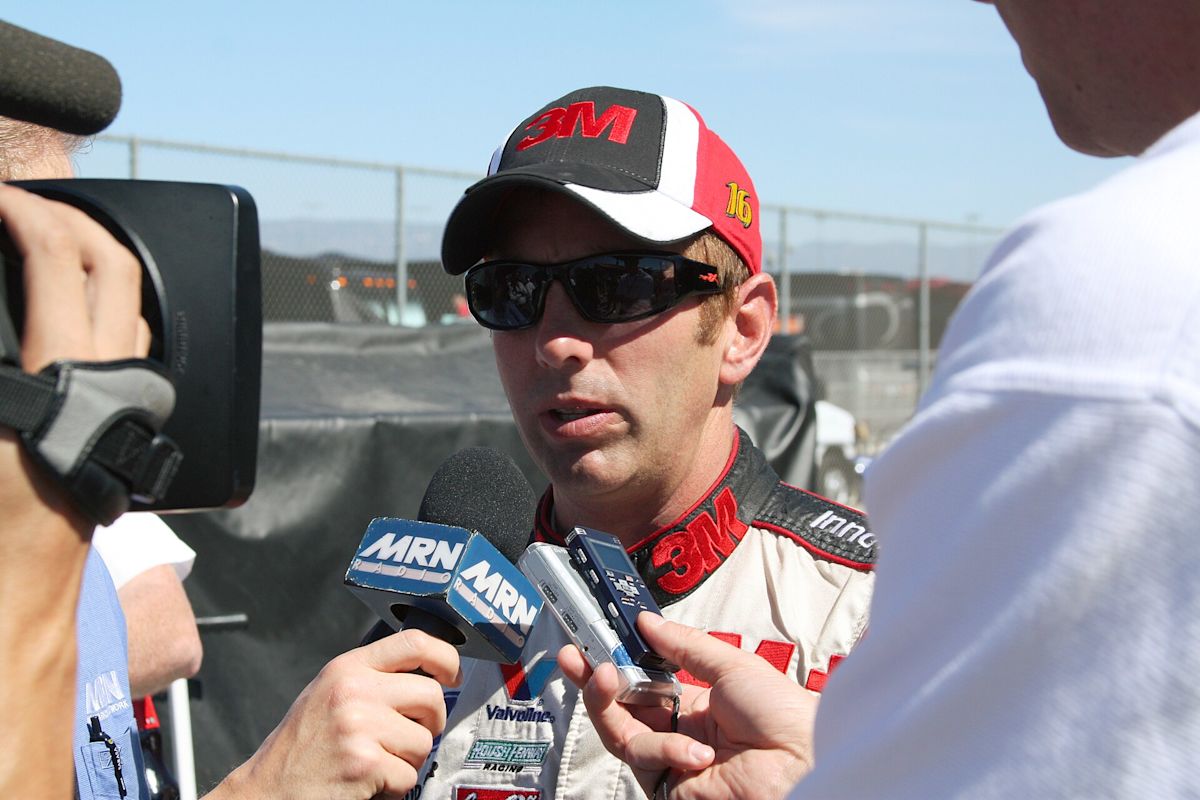
According to the NTSB's preliminary report for investigation WPR26MA063, Dennis Dutton held approximately 17,000 flight hours and type ratings for the Airbus A320, A330 and A350, the Boeing 737, 757 and 767, the DC-10, and the CE-500 covering the Citation family, but his CE-500 rating carried the limitation "Second in Command Required," meaning he was not cleared for single-pilot operations in the type. Jack Dutton, seated in the right seat, was a private pilot with approximately 175 hours, all in single-engine aircraft, plus an instrument rating; the NTSB states he was not qualified to act as second in command under 14 CFR 61.55, which requires a multi-engine rating and type-specific training for a twin-jet aircraft. Greg Biffle, seated behind the pilots, held a private certificate with multi-engine land, instrument and helicopter ratings and approximately 3,500 hours.
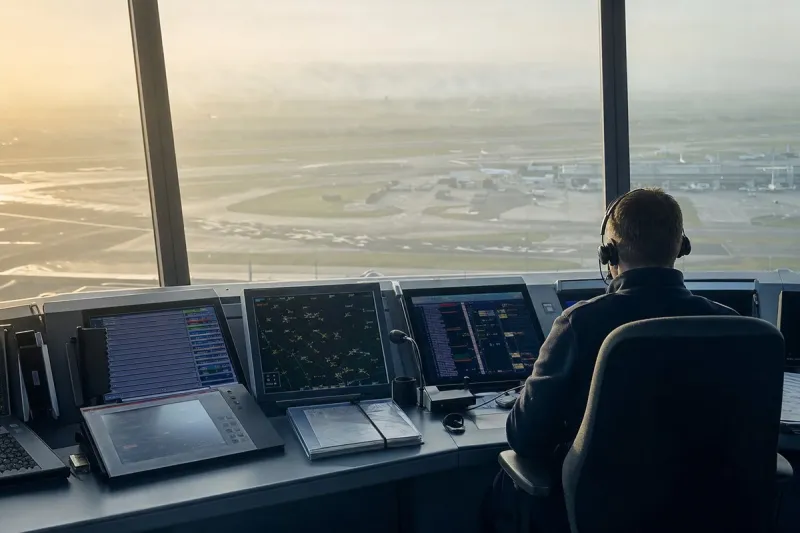
The NTSB's report documents a sequence of problems in the roughly eight minutes before the crash: the left engine did not start on the first attempt, and the crew discussed a thrust reverser indication before departing under visual flight rules with a plan to pick up an instrument clearance en route, amid heavy drizzle, five-mile visibility and a broken cloud layer at 1,200 feet. Around 10:10, the pilot reported his altitude indicator was malfunctioning and that other left-side instruments might be affected; control passed to Jack Dutton at approximately 4,500 feet around 10:11, and Dennis Dutton retook the controls by 10:13 and turned back toward Statesville. Flaps and gear were extended, but gear indicator lights did not illuminate, and at 10:13:48 the right-seat occupant radioed: "we're having some issues here." The aircraft struck approach lighting for runway 28 approximately 1,380 feet short of the threshold and sheared trees roughly 12 feet off the ground. Both engines showed fan blade damage consistent with power at impact, with no evidence of uncontained failure, and both thrust reversers were stowed. The cockpit voice recorder's audio was absent from 10:10:14 to 10:14:05, the same window during which flight instruments failed; when audio returned, a voice from the rear asked about the "alternator," which the NTSB noted the Citation 550 does not use, relying instead on starter-generators.
The legal framework at stake
North Carolina applies pure contributory negligence, one of only a handful of U.S. jurisdictions to do so along with Virginia, Maryland, Alabama and the District of Columbia. Under this rule, a plaintiff found to have contributed in any meaningful way to their own injury may be barred from recovering any damages at all, rather than receiving a reduced award as under comparative fault systems used in most states.
The doctrine does include exceptions, among them the "last clear chance" doctrine and cases involving gross negligence, which is why plaintiffs' filings in cases like this often use the word "reckless" rather than merely "careless." The Biffle estate's motion to dismiss tests the legal sufficiency of the complaints, not the underlying facts; denial would not be a verdict, and a grant could still permit amended filings. Under 49 U.S.C. § 1154(b), the NTSB's eventual probable-cause finding may not be admitted as evidence in civil damage proceedings, though underlying factual data may be introduced through other means, and a final report is typically issued 12 to 24 months after an accident, placing this one between late 2026 and late 2027.
Industry impact & what to watch
Cases like this show how civil liability after a private jet accident can turn as much on crew qualification records as on aircraft maintenance history, especially once an operator's own estate is a defendant and a co-defendant simultaneously. The NTSB's factual findings on flight hours, ratings, and instrument failures become the raw material both sides use to build negligence arguments long before any probable-cause determination is issued.
In a pure contributory negligence jurisdiction, a finding that either pilot's conduct fell below the required standard could be legally decisive regardless of what the aircraft's maintenance record shows, which raises the stakes on how courts characterize the "Second in Command Required" limitation and the right-seat pilot's lack of multi-engine qualification under 14 CFR 61.55. Whether the estate's motion to dismiss is granted, denied, or answered with amended pleadings will signal how much weight the pilots' qualification gaps carry against the airworthiness allegations already on file. The next dated marker is the NTSB's final report, expected sometime between late 2026 and late 2027, which will not be admissible as a probable-cause finding in the civil suits but may still surface factual data both sides can use.