US Senator Moran to Scrutinize ATC Spending Before Approving New Funding
Why It MattersAir traffic control modernization funding is increasingly tied to congressional oversight of prior spending, meaning appropriators can slow new capital even when officials warn delay itself carries operational risk.
What happened
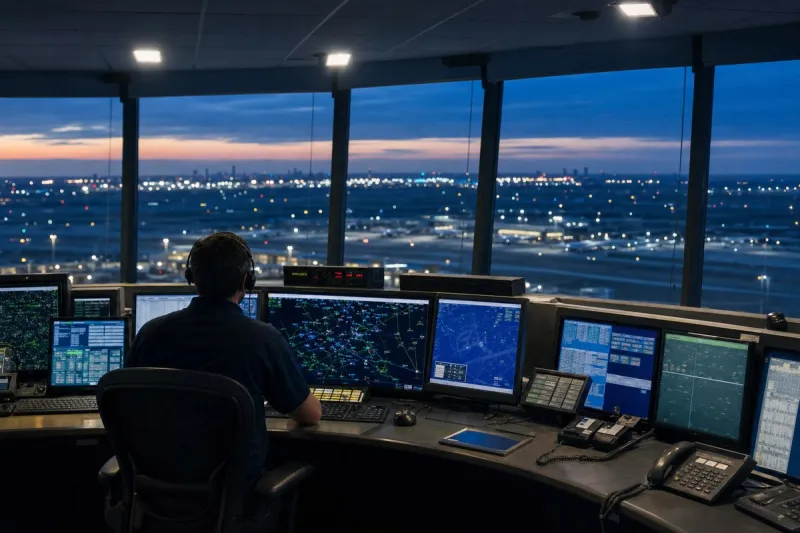
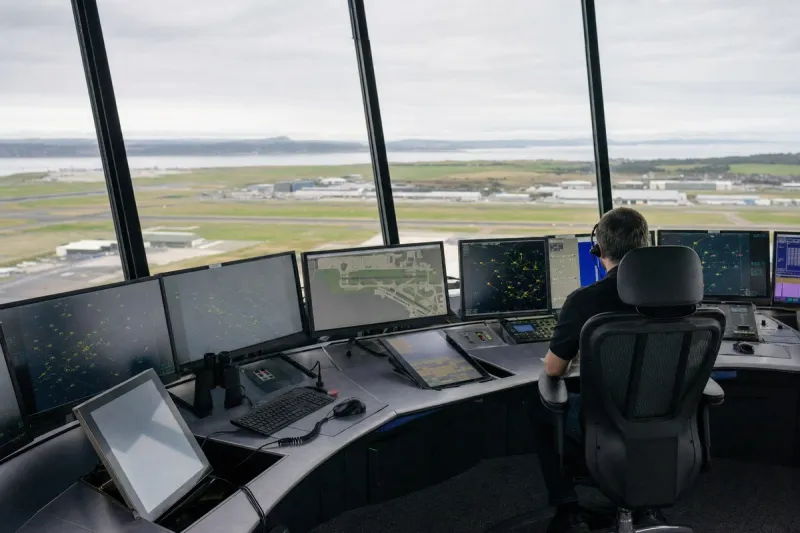
Senator Jerry Moran, a Kansas Republican, told the Regional Airline Association's Leaders Conference in Washington, DC on September 23 that he wants to review how previously allocated air traffic control funds were spent before approving additional appropriations. His remarks came the day after Transportation Secretary Duffy announced additional ATC funding needs.
"We have to see the results of how the first amount of money has been spent," Moran said. He added that he would ask the chairman of his appropriations subcommittee to bring the FAA and the Department of Transportation before the subcommittee to report on spending before further appropriation decisions are made. As an appropriator for the Transportation Department, Moran said he is exploring whether additional funding — potentially in the range of several billion dollars — could be sourced through a reconciliation process or an emergency supplemental appropriation, and said he is willing to take a lead or supporting role in securing it. A conference keynote speaker later that day warned that failure could be predicted if the additional funding does not materialize.
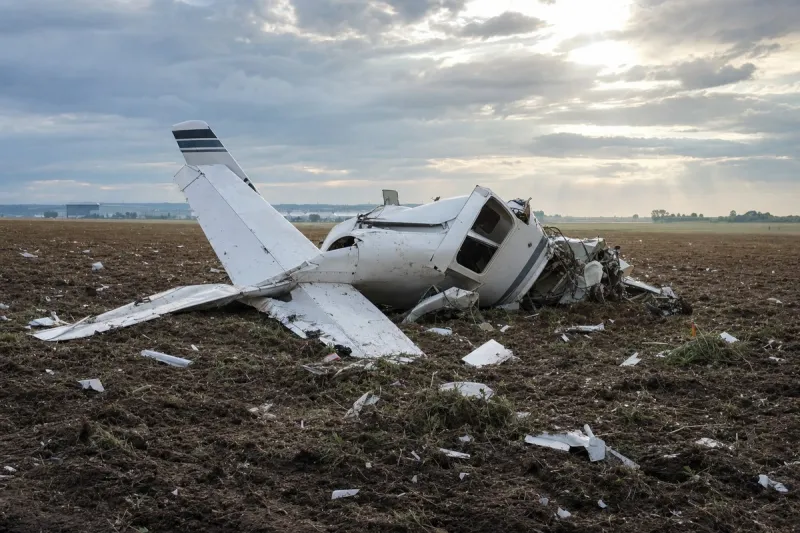
Moran also addressed the ROTOR Act, a bill he sponsors in the Senate that was prompted by the January 2025 midair collision between a regional jet and a US Army helicopter near Reagan National Airport. The Senate bill, unlike its House counterpart, clearly mandates that ADS-B In-powered collision avoidance technology be integrated into flight decks. Moran said he wants the House and Senate to reach a compromise on the legislation, and said he has met with regional airlines on the issue, describing himself as sympathetic to concerns about compliance timelines while stressing that all available safety technologies must ultimately be utilized.
Industry impact & what to watch
This is a familiar sequence in federal infrastructure funding: an agency asks for more money, and the appropriator holding the purse controls the pace by demanding an accounting of what the last tranche bought before releasing the next one. For air traffic control specifically, that means modernization spending runs on a track set by subcommittee hearings and oversight testimony, not solely by the FAA's or DOT's stated operational needs.
The mechanism to watch is procedural: whether Moran's subcommittee chairman schedules the FAA and DOT to testify on prior spending, and whether Moran pursues reconciliation or an emergency supplemental as the vehicle for new funds. Either route changes the timeline differently — reconciliation moves on a broader legislative calendar, while an emergency supplemental can move faster but requires its own political case.
Separately, the ROTOR Act's fate now hinges on reconciling a Senate version that mandates ADS-B In-powered collision avoidance with a House version that does not, a gap tied directly to the January 2025 midair collision near Reagan National Airport. Regional airlines' compliance-timeline concerns, which Moran said he is sympathetic to, will shape how quickly any final mandate takes effect once the chambers negotiate a common text.