Drone Threat to Civil Aviation: Amritsar Airport Closure and European Incidents Prompt Calls for Stronger Airport Defences
Why It MattersCheap, hard-to-detect small drones are exposing a structural gap in airport defence that layered sensors, jamming and legal authority to act have not yet closed.
What happened
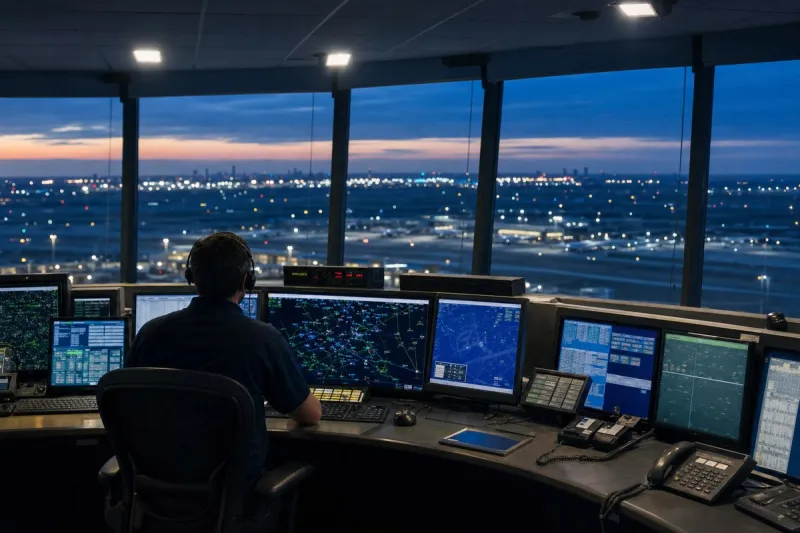
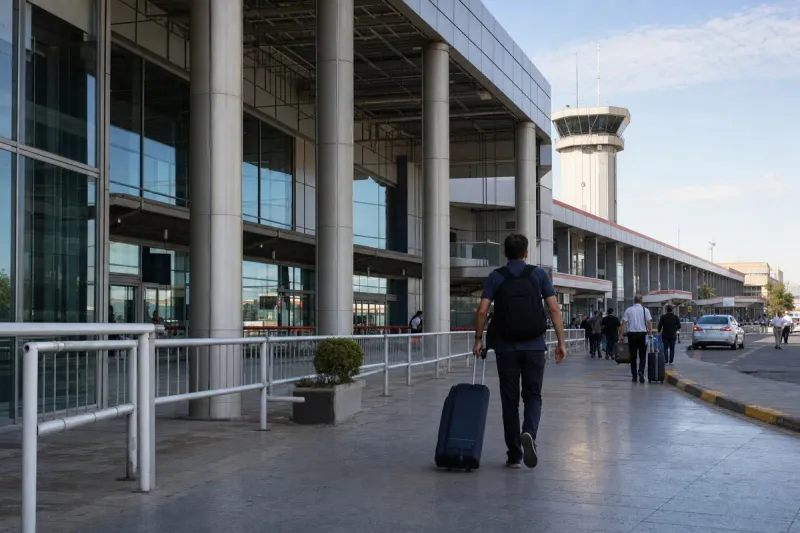
Amritsar Airport closed at approximately 9:50 PM on September 11 after the Indian Air Force alerted Air Traffic Control to drone activity across the airfield. Around seven flights were diverted to Chandigarh and Delhi because aircraft already holding near the airport could not land. Police investigation found the drone was filming a sports event inside the notified eight-kilometre no-fly zone around the airport, an intrusion characterised as inadvertent, not deliberate.

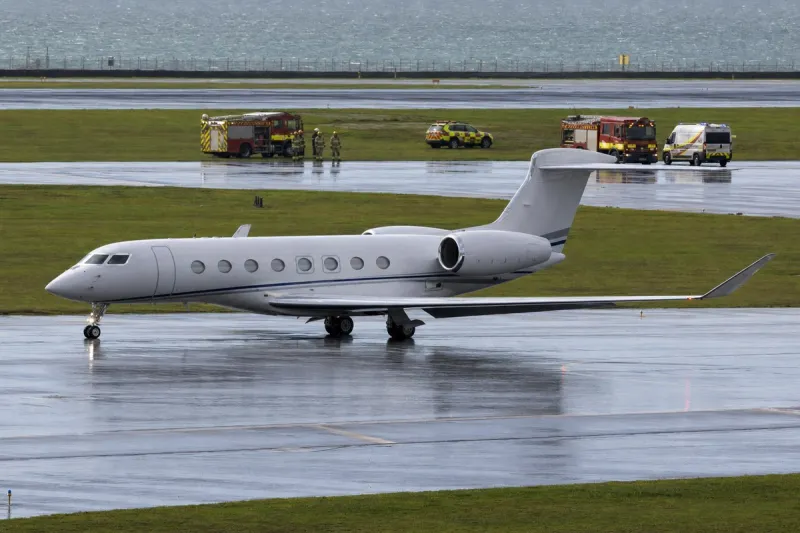
In Europe, repeated drone incursions have forced runway closures at UK airports. On August 4, a drone carrying explosives was discovered near the runway at Halle Airport in eastern Germany and later defused. Security analysts describe some of these incidents, including drones used to probe defences and target military facilities near civilian airfields, as hybrid operations meant to test response times and apply asymmetric pressure.
Why small drones are hard to stop
Experts warn that airports along national borders face particular exposure as drone technology becomes cheaper, more capable and more widely available. Small UAVs have low radar cross-sections and limited acoustic signatures, which complicates detection, and legal constraints on countermeasures further limit how airports and authorities can respond.
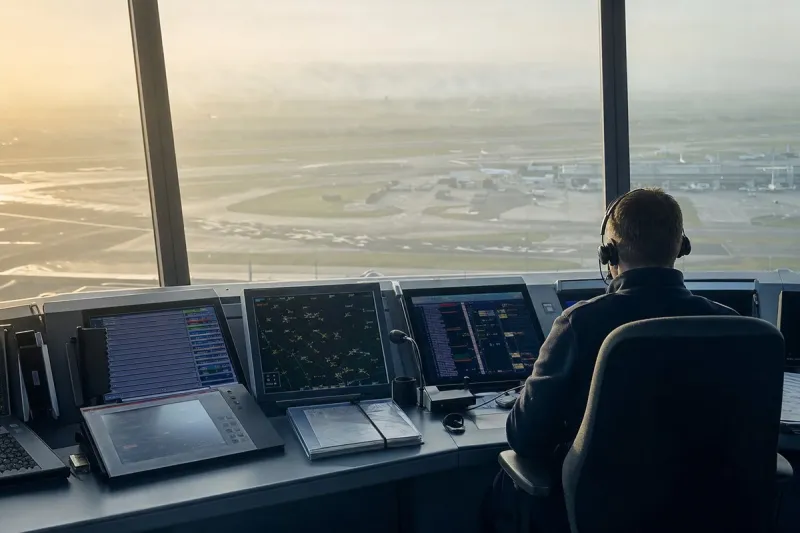
Proposed defences include layered sensor systems combining radar, electro-optical and infrared cameras, acoustic arrays and radio-frequency detectors, fused with artificial intelligence to distinguish drones from birds and other objects in real time. Neutralisation tools identified include radio-frequency jamming, GPS disruption, capture nets and approved kinetic intercept options, each contingent on clear legal authority. Enforceable geo-fencing, remote identification requirements and real-time data sharing are also cited as necessary elements.
Industry impact & what to watch
The Amritsar closure sits alongside the UK runway shutdowns and the Halle Airport explosive-drone find as part of a widening pattern in which civilian airfields absorb disruption from unmanned aircraft regardless of intent behind the flight. An inadvertent filming operation and a device built to test a military target near a civilian field produce the same operational outcome for the airport: diverted traffic and a closed runway.
This exposes how airport security economics were built around a different threat model, one focused on ground perimeter and known aircraft, not low-cost aerial objects that are hard to see on radar and hard to hear. Layered detection and proportionate neutralisation tools address the technical side, but the recommendations themselves flag that legal authority to jam, disrupt or intercept has not kept pace with the hardware.
What happens next depends less on sensor procurement than on whether regulators grant airports and security services the authority to act on what those sensors detect. Watch for how quickly geo-fencing and remote-identification rules are enforced around border-adjacent airfields, and whether the next incursion near a civilian airport is resolved before or after aircraft are already diverted.