UK Flights Disrupted as NATS Suffers Second System Failure in a Fortnight, 227 Cancellations Recorded on 21 September
Why It MattersRepeated air traffic control outages within a fortnight expose how concentrated single points of failure in national control infrastructure can cascade into thousands of cancellations across multiple carriers and airports.
What happened
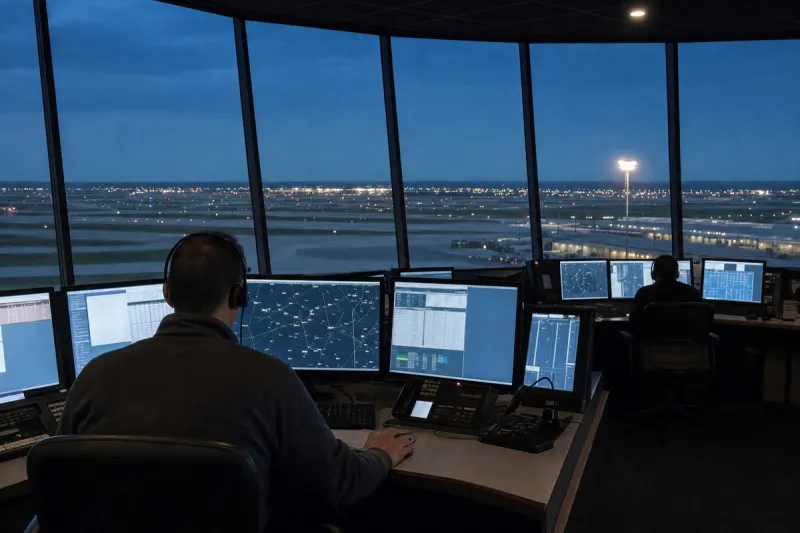
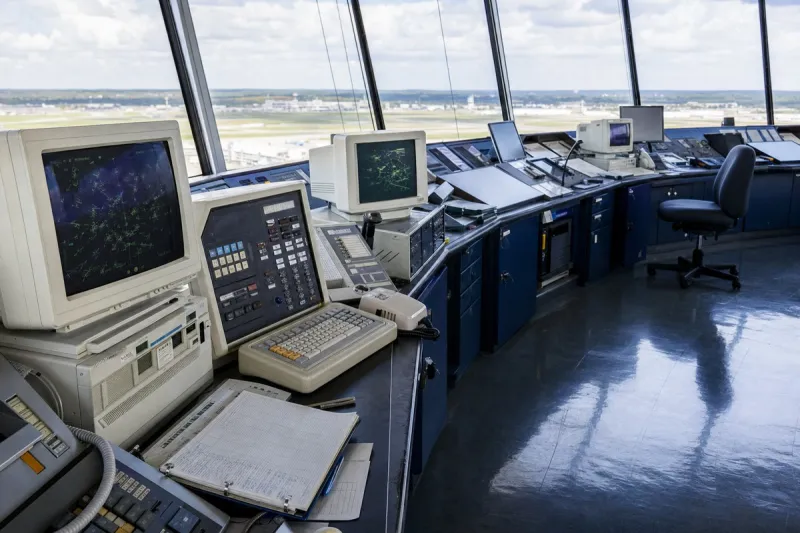
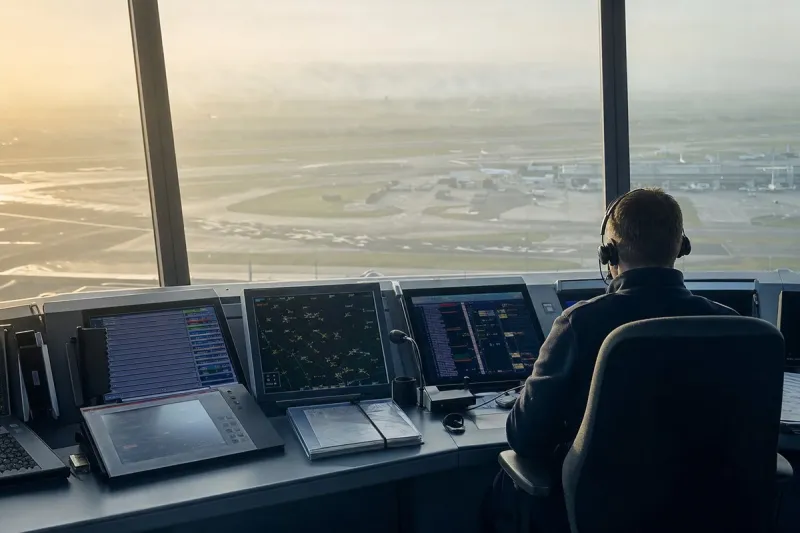
A technical fault at the National Air Traffic Services (NATS) Prestwick control centre in Scotland disrupted flights on 21 September, marking the second major air traffic control failure in Britain within a fortnight. The disruption affected traffic across Scotland, Northern Ireland and northern England, with Manchester, Edinburgh and Belfast among the airports caught up in the fallout. By late afternoon, 227 flights had been cancelled, according to aviation analytics company Cirium. Ryanair said more than 25,000 of its passengers were affected.

The 21 September incident followed a separate and more extensive NATS system failure on 8 September, which led to the cancellation of nearly 2,100 flights to and from UK airports, approximately 1,750 of them on the first day alone, according to The Guardian. British Airways cancelled almost 550 flights during that outage, affecting more than 85,000 customers, with Heathrow taking a particularly heavy hit. A preliminary investigation into the 8 September incident identified a software defect in the system used to allocate codes to individual aircraft, The Independent reported.
British Airways, easyJet, Jet2 and Ryanair raised concerns following the second disruption. Ryanair renewed its call for NATS chief executive Martin Rolfe to resign, while easyJet questioned the resilience of Britain's air traffic control infrastructure. The UK Civil Aviation Authority said the 21 September disruption was likely to constitute "extraordinary circumstances," which would generally exempt airlines from statutory compensation obligations, though carriers retain duties to reroute passengers and provide appropriate care. Transport Secretary Heidi Alexander had already commissioned an independent Civil Aviation Authority review following the 8 September outage.
Industry impact & what to watch
Two significant control-centre failures inside two weeks point to a pattern in which a single technical fault, whether in code allocation or another core system, can ripple outward to ground flights at multiple airports simultaneously. National air traffic control functions as shared infrastructure that every carrier depends on regardless of size, so a fault at one facility, in this case Prestwick, can affect a nationwide footprint rather than a single route or hub.
The compensation question illustrates how the regulatory framework treats these events differently from routine operational disruptions. Because the Civil Aviation Authority views the 21 September failure as likely to meet the threshold for extraordinary circumstances, airlines are shielded from the statutory payouts that would normally apply, even as they remain obligated to rebook and care for stranded passengers — a distinction that shapes how carriers absorb the cost of infrastructure failures they do not control.
What happens next depends on two separate tracks: the independent Civil Aviation Authority review commissioned by Transport Secretary Heidi Alexander after the first outage, and whatever NATS discloses about the cause of the second. The software defect identified in the 8 September incident gives investigators a specific starting point, but the recurrence within a fortnight raises the question of whether NATS's underlying redundancy and contingency planning can be addressed on a comparable timeline.