Higher jet fuel prices and Strait of Hormuz disruption threaten airline profitability in 2026
Why It MattersMargin compression from fuel-supply shocks and persistent aircraft delivery shortfalls could widen the gap between resilient flag carriers and exposed low-cost and Gulf-region operators through 2026.
Airlines entered 2026 in their strongest financial position since the Covid pandemic, with IATA reporting net profit up nearly 40% in 2025 and net margin improving from 3.4% to 4.2%. Passenger traffic grew strongly, led by international travel and Asia-Pacific carriers, while air cargo reached a record high on e-commerce demand and shipments front-loaded ahead of new US tariff increases.
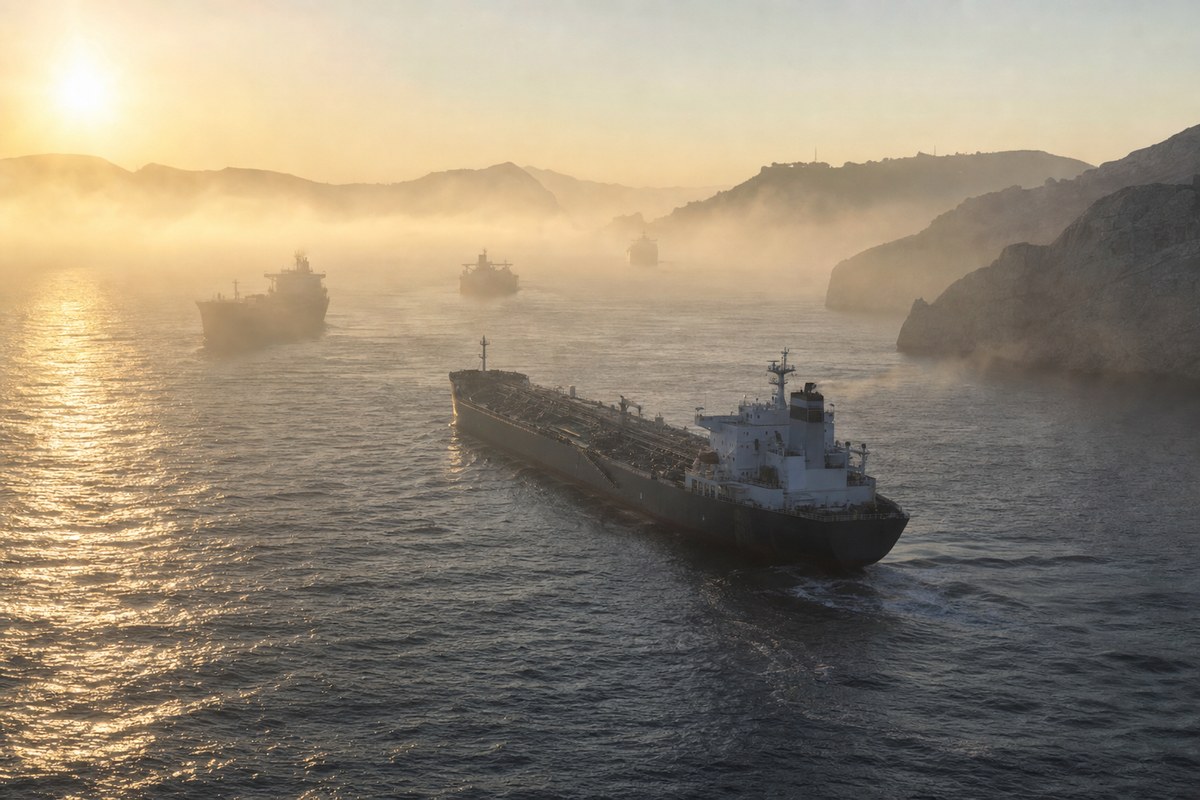
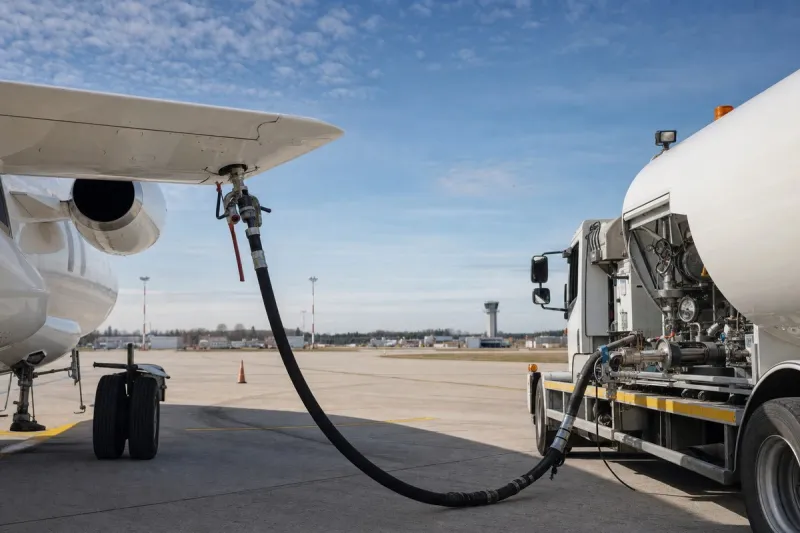
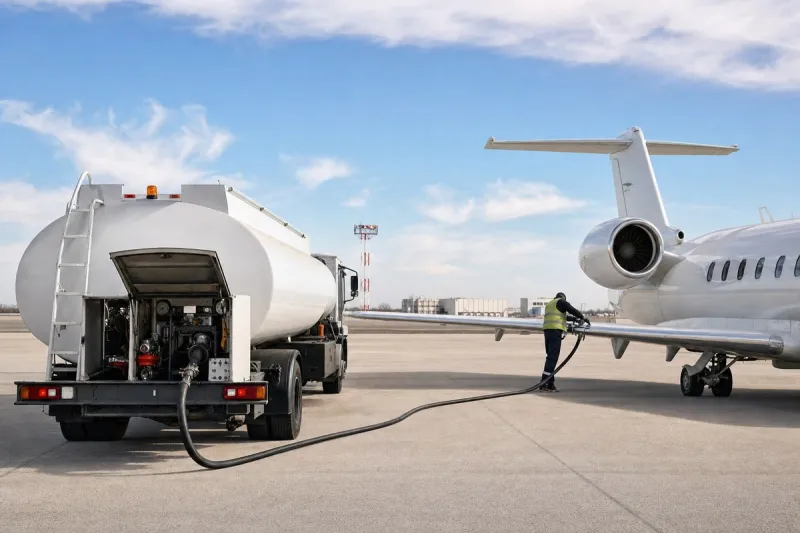
That picture shifted after the closure of the Strait of Hormuz on 28 February 2026, a chokepoint that accounted for around 60% of Europe's jet fuel supply in 2025. The closure pushed jet fuel prices sharply higher, forced costly rerouting and tightened fleet capacity. A mid-June US-Iran agreement briefly eased crude and jet fuel prices, but renewed attacks from July triggered a fresh surge, and Russia's ban on aviation fuel exports from 1 June to 30 November 2026, following Ukrainian strikes on Russian refineries, added further pressure. Houthi attacks on Saudi energy infrastructure and the group's seizure of parts of Yemen's Red Sea coast have strained oil and petroleum product supplies further, and several European and Asian carriers have extended flight suspensions to Dubai into October and beyond.
Low-cost carriers, airlines with limited hedging, Gulf-exposed operators and companies dependent on refinancing or restructuring face the highest financial risk, while large diversified flag carriers and premium airlines are better placed to absorb the disruption. Middle Eastern airlines as a group are expected to post a combined loss in 2026, while other regions should remain profitable, though below earlier forecasts.
Supply-chain constraints continue to limit recovery: aircraft deliveries fell to 1,254 in 2024, about 30% below pre-Covid peaks, while the global order backlog rose to a record 17,000 aircraft, adding more than USD 11 billion in costs in 2025 by IATA's estimate. On the regulatory side, the EU's ReFuelEU Aviation regulation requires sustainable aviation fuel to reach 2% of fuel supplied from 2025, rising to 6% by 2030, with SAF currently costing 1.5 to 2.5 times more than conventional jet fuel. CORSIA, ICAO's global carbon-offsetting scheme, entered its first phase covering 2024 to 2026 with 130 participating countries as of 1 January 2026, targeting emissions at 85% of 2019 levels through 2035.