FAA Proposes Mandatory Bearing Inspections on Boeing 737 MAX 8, MAX 9, and MAX 8-200 Over Elevator Control Defect
Why It MattersThe proposal shows how a single supplier-level production defect discovered by the manufacturer can cascade into a fleet-wide inspection mandate with variable per-aircraft cost exposure for operators.
What happened
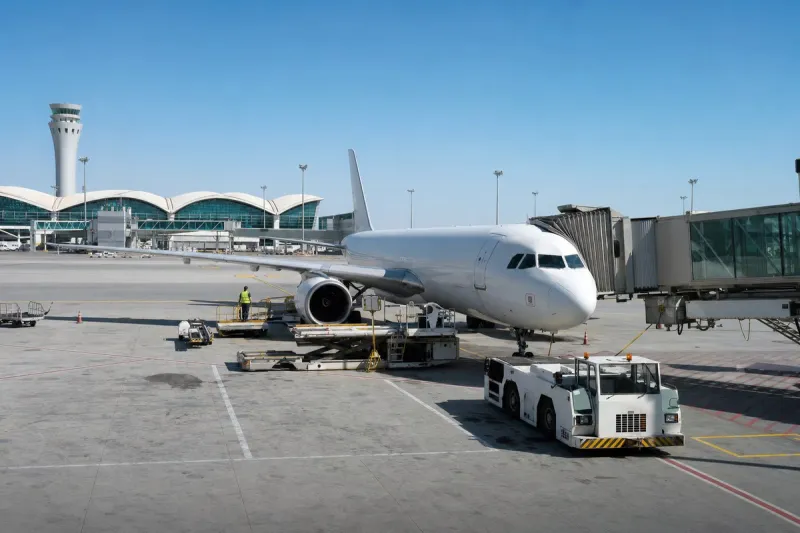
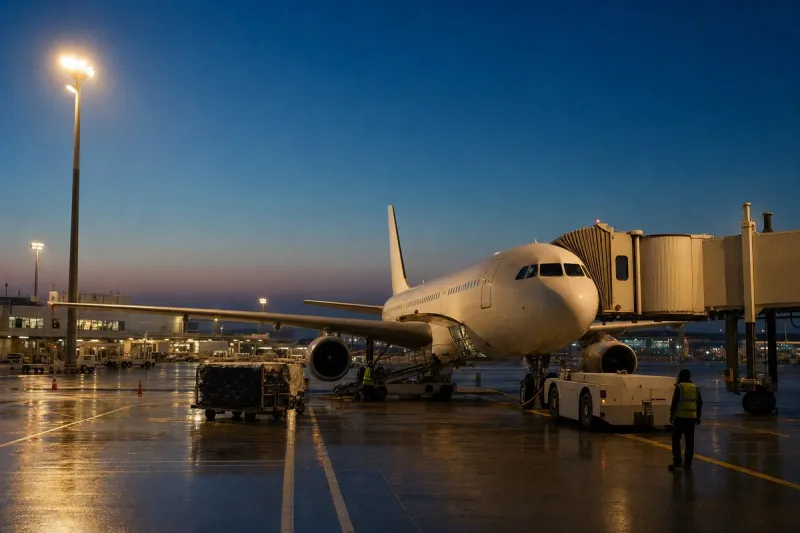
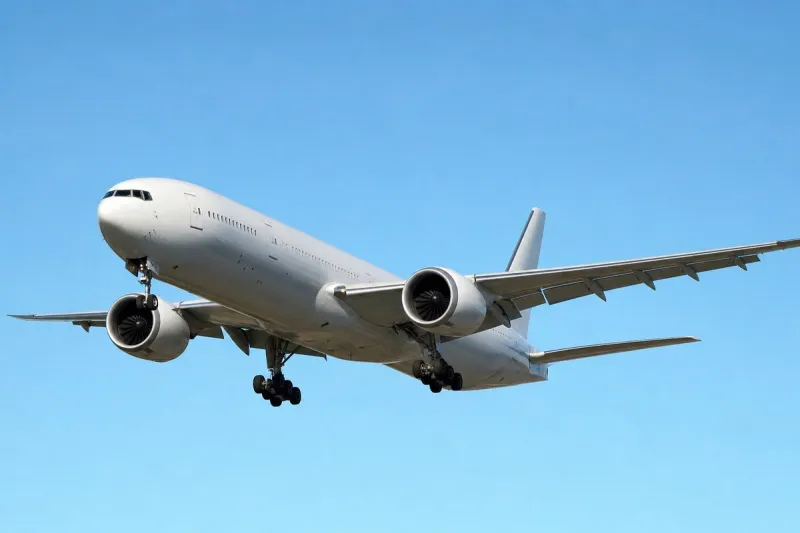
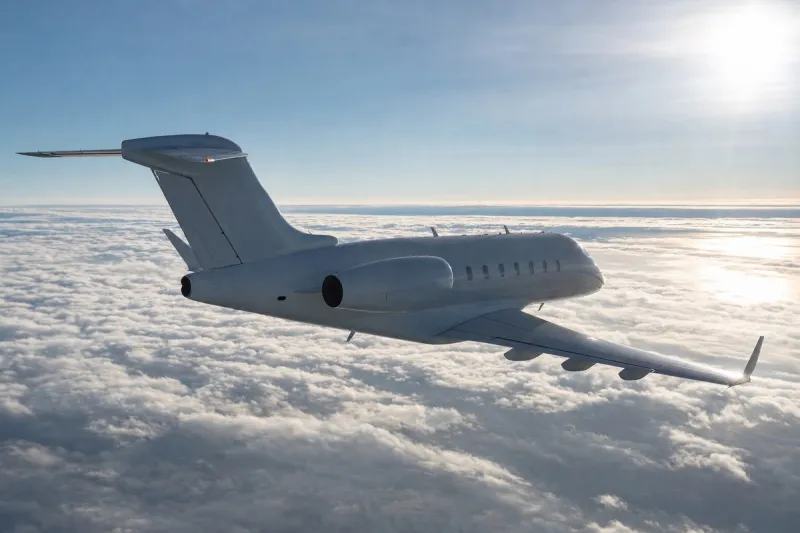
The Federal Aviation Administration published a proposed airworthiness directive on September 21 covering certain Boeing 737 MAX 8, MAX 9, and MAX 8-200 aircraft after discovering improperly installed bearings in the elevator control system. The proposal covers 95 U.S.-registered aircraft, with additional foreign-registered airplanes potentially also affected.
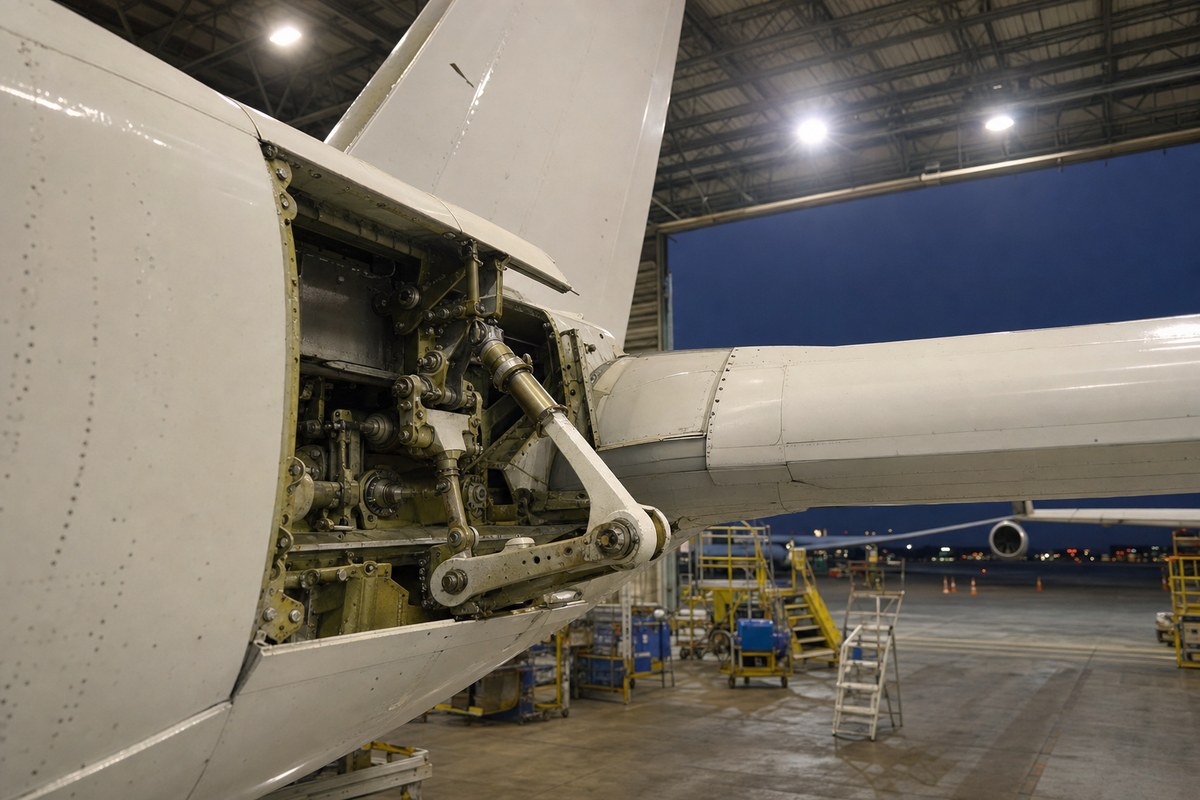
The defect involves the elevator buss assembly, the mechanical linkage connecting pilots' control columns to the elevators that govern pitch. According to the FAA, some bearings in that assembly may have been installed during production without required sealant, which can cause cracks in the bearings and their housings and lead to premature failure of the elevator buss assembly crank arms. The FAA stated that if left uncorrected, the condition could affect elevator pitch control and continued safe flight and landing. Boeing first identified the production problem and issued Alert Requirements Bulletin 737-27A1331 RB on December 17, 2025, after which the FAA determined the unsafe condition is likely to exist or develop across other aircraft of the same type design. Applicability is limited to the specific aircraft Boeing identified in that bulletin, and not every 737 MAX is subject to the proposed directive.
Under the proposal, operators would inspect the affected bearings and housings for cracks and verify sealant application, with corrective action ranging from load testing and individual bearing replacement to full replacement of the elevator buss assembly. The FAA estimates each initial inspection at 23 work hours and approximately $1,955 per aircraft, totaling roughly $185,725 across the 95 U.S.-registered airplanes. If corrective work is required, individual bearing replacement is estimated between $1,105 and $1,809 per component, while a full elevator buss assembly replacement is estimated at approximately $98,500 per aircraft. The FAA noted it cannot project how many aircraft will require repairs, and some or all costs may be covered under Boeing warranty. The FAA is accepting public comments through November 5, and the requirements could change before a final airworthiness directive is issued.
Industry impact & what to watch
This case sits in a familiar sequence for airworthiness directives: a manufacturer flags a production nonconformance internally, issues a service bulletin, and the FAA then widens the fix into a mandatory rule once it judges the same defect could exist across other airframes built to the same design. The elevator buss assembly sits directly in the pitch control path, which is why the FAA frames the risk in terms of continued safe flight and landing rather than routine maintenance.
The cost structure illustrates how these directives distribute risk across a fleet before the scope of actual damage is known. A flat inspection cost of roughly $1,955 per aircraft applies to all 95 U.S.-registered airplanes, but the FAA cannot yet say how many will need the far more expensive fixes — from a few thousand dollars in bearing replacement to about $98,500 for a full assembly swap — and warranty coverage from Boeing could absorb some or all of that gap.
What happens next depends on the comment period running through November 5, which can still change the inspection thresholds, corrective-action criteria, or the population of aircraft covered before a final directive is issued. The number of foreign-registered aircraft affected, and how many U.S. airplanes ultimately require bearing or assembly replacement rather than passing inspection, remain the two figures operators and lessors will be watching for.