US Sanctions Ground Iran Flights, Forcing Travelers Into Costly Overland Journeys
Why It MattersSanctions-driven route suspensions show how quickly overflight and destination access can vanish for a national carrier network, pushing demand onto costlier land routes overnight.
What happened
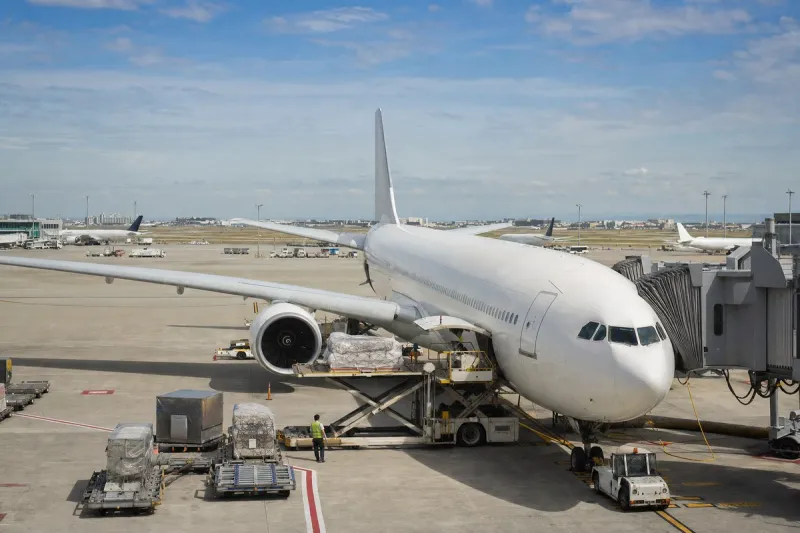
US Treasury Secretary Scott Bessent announced new sanctions on Iran's aviation sector last week, part of broader economic pressure tied to the Middle East conflict, and within weeks flights have been grounded across the region. The UAE, Georgia and Azerbaijan have officially confirmed suspending flights to and from Iran. A Tehran travel agent told AFP that flights to Baghdad, Muscat and Qatar have also been halted, and Bessent said Türkiye and Oman have suspended incoming flights from Iranian private carrier Mahan Air.
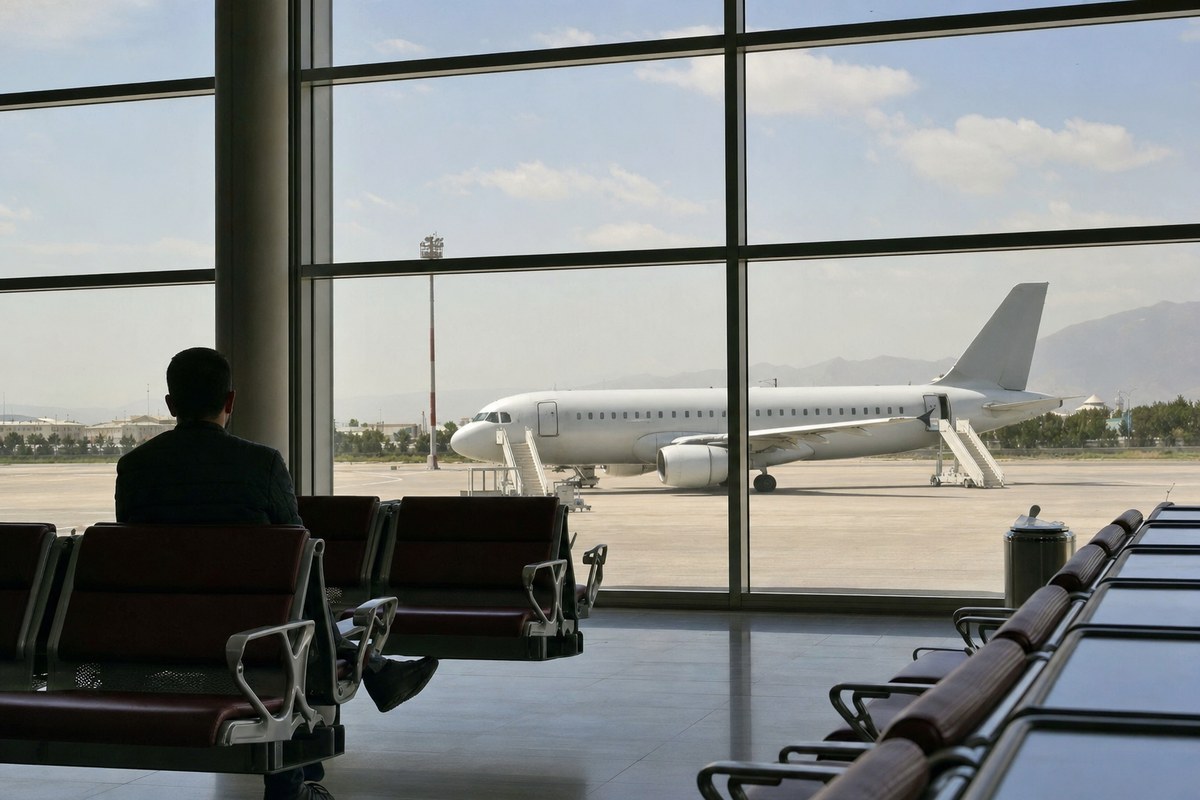
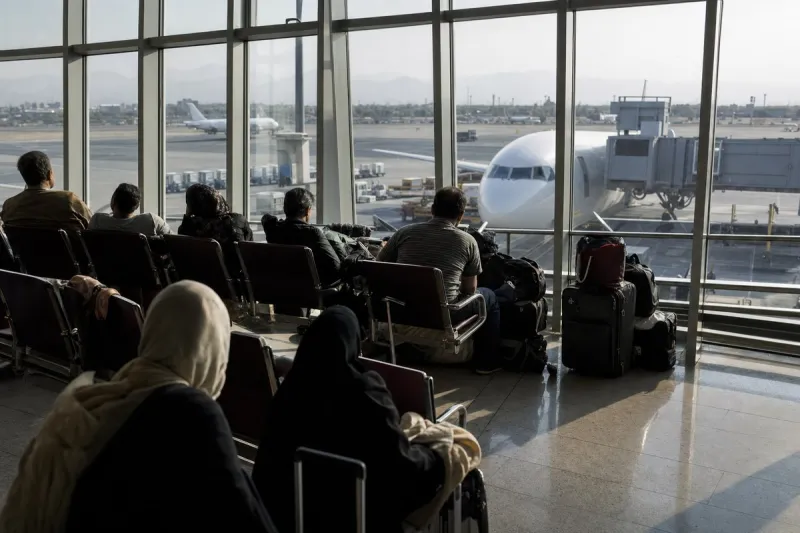
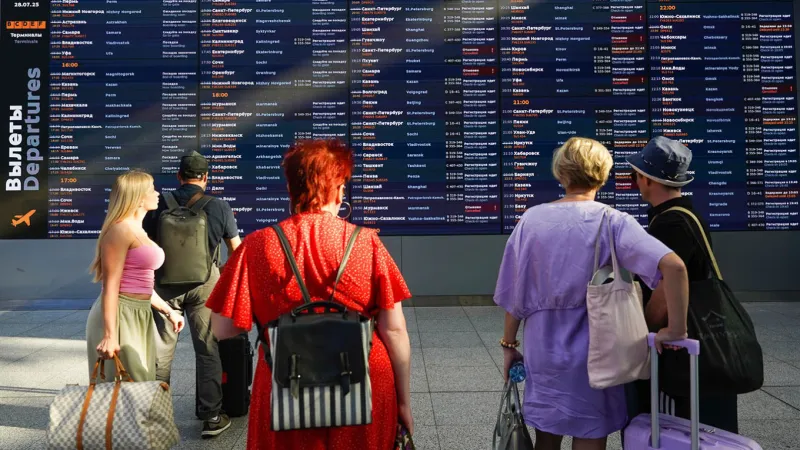
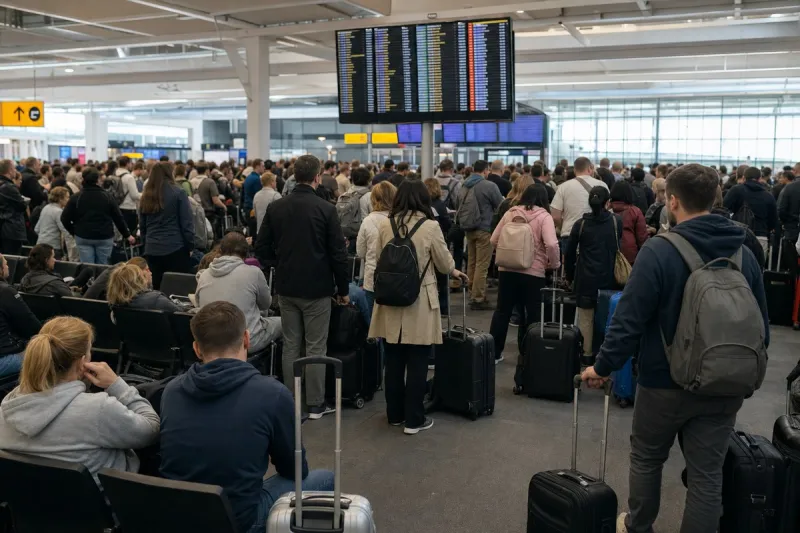
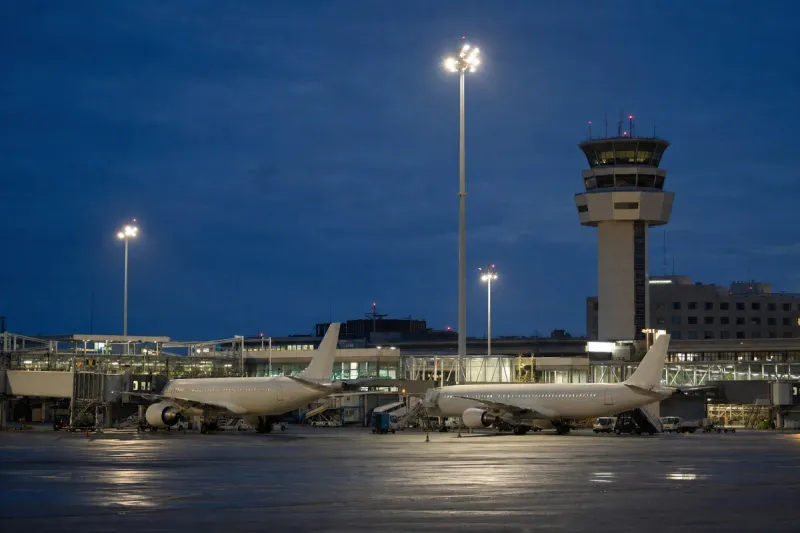
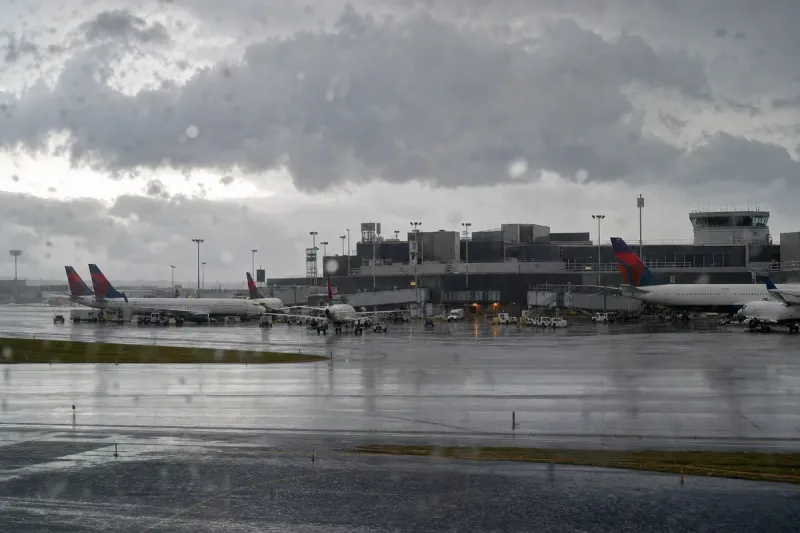
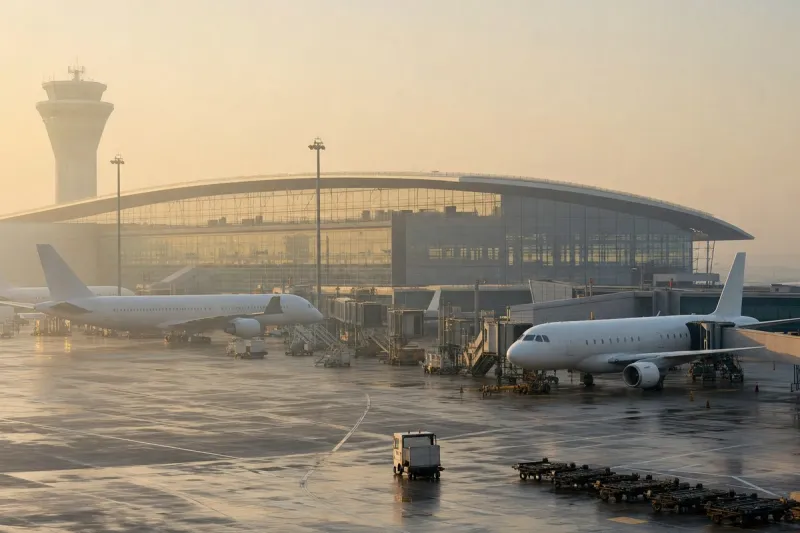
At Tehran's Imam Khomeini International Airport, an AFP journalist witnessed travelers crowding ticket counters seeking information and others scrambling to retrieve luggage after short-notice cancellations, including a flight to Dubai, with no certainty about which flights would still depart. In one case last week, a flight bound for Dushanbe, the Tajik capital, was forced to turn around mid-air after Turkmenistan refused to allow it to cross its airspace, Iranian authorities said.
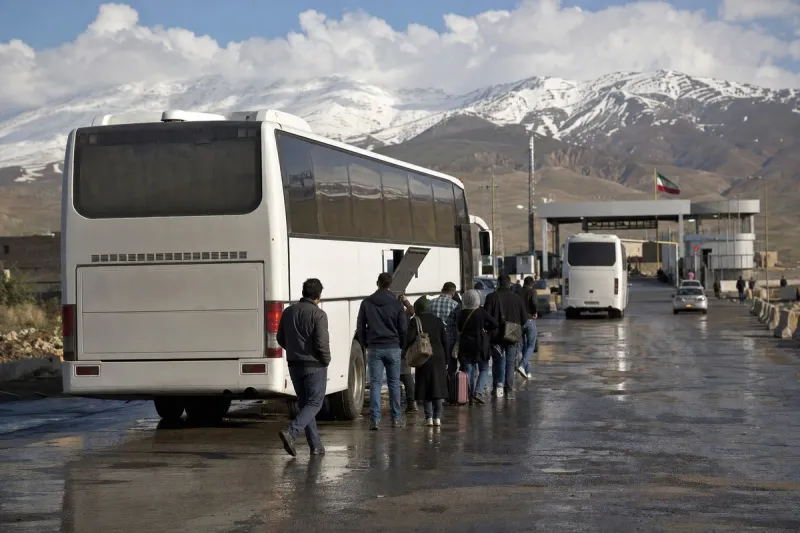
Mitra, a 49-year-old woman who had planned to fly from Iran to Paris via Istanbul, paid around $75 for a flight to Tabriz, from where she and her brother will travel overland for several hours to the Turkish border before waiting in Van, Türkiye, to continue their journey — adding hundreds of dollars to their original budget. "It's hard to accept that getting somewhere that should be a simple flight has turned into such a long and difficult journey," she said, using a pseudonym out of fear of reprisal. Shirin, 31, said she managed to board a flight to Istanbul, where she was waiting to connect to Toronto, noting "there are far fewer flights than before, and there is a high chance of cancellations" and "no available seats because demand is so high."
Industry impact & what to watch
This is what happens when aviation sanctions hit a national aviation sector directly: neighboring states and transit hubs move quickly to suspend flights and withdraw overflight permissions, and the effect cascades through connecting itineraries far beyond the sanctioned country's own carriers. A single mid-air turnback over withdrawn airspace clearance shows how fast a routing can become unusable even after departure.
In a market where passengers depend on a handful of transit hubs — Istanbul, Dubai, Doha — to reach onward destinations, losing even a few of those links concentrates remaining demand onto fewer seats, which is why travelers describe both fewer flights and higher fares for the ones still operating. Overland substitution at the border, as Mitra's Tabriz-to-Van routing shows, becomes the fallback once direct connections disappear, at a cost multiple of the original ticket.
What happens next depends on whether additional states follow the UAE, Georgia and Azerbaijan in formally suspending routes, and whether carriers beyond Mahan Air face similar overflight withdrawals. Iranians have absorbed sanctions-driven travel disruption for decades; the near-term signal to watch is whether other regional carriers or airports announce their own suspensions in the coming weeks.