NBAA and CJP Urge FAA to Pause Cessna Citation Single-Pilot Exemption Rescissions for 90 Days
Why It MattersThe dispute shows how single-pilot exemption frameworks depend on agencies substantiating blanket rulemaking with data that operators and training providers can independently verify.
What happened
The National Business Aviation Association (NBAA) and Citation Jet Pilots (CJP) sent a letter dated Sept. 29, 2026, to FAA Flight Standards Service Executive Director Hugh Thomas, asking the agency to delay by at least 90 days its rescission of single-pilot training exemptions (SPEs) for certain Cessna Citation aircraft. The letter was signed by NBAA Senior Vice President of Operations Heidi Williams and CJP CEO Rob Balzano, who also leads the CJP Safety and Education Foundation.
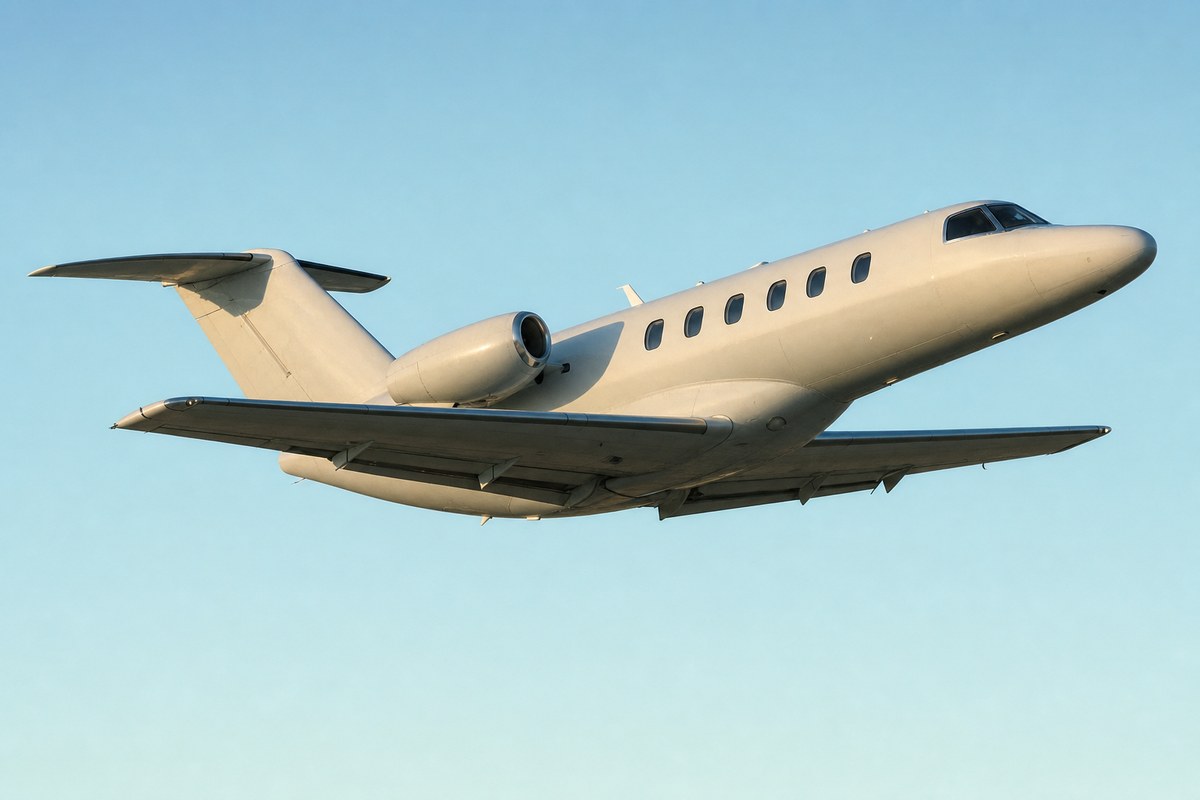
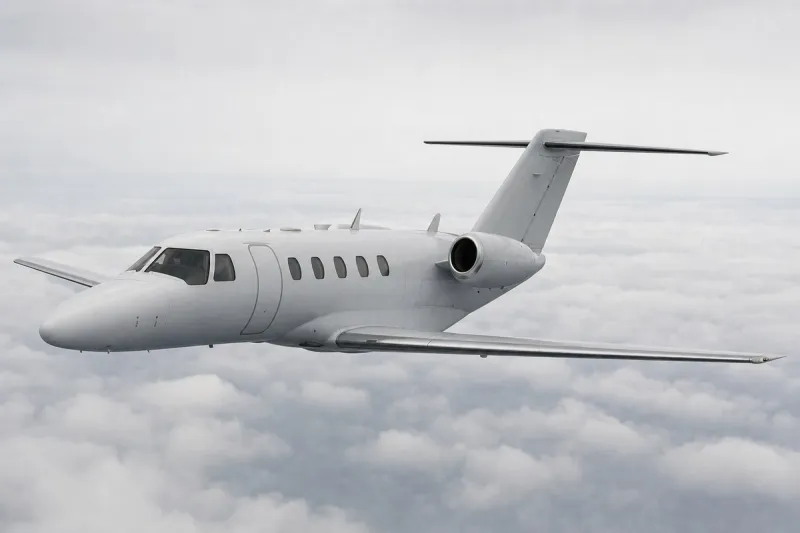
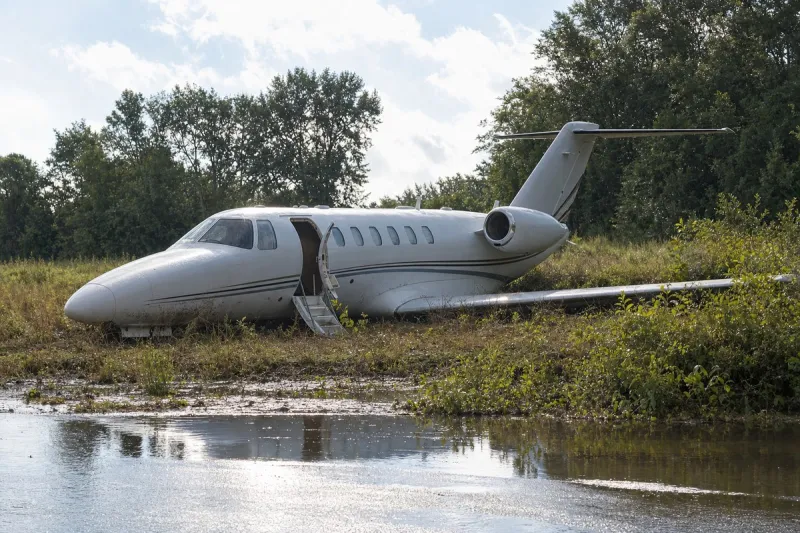
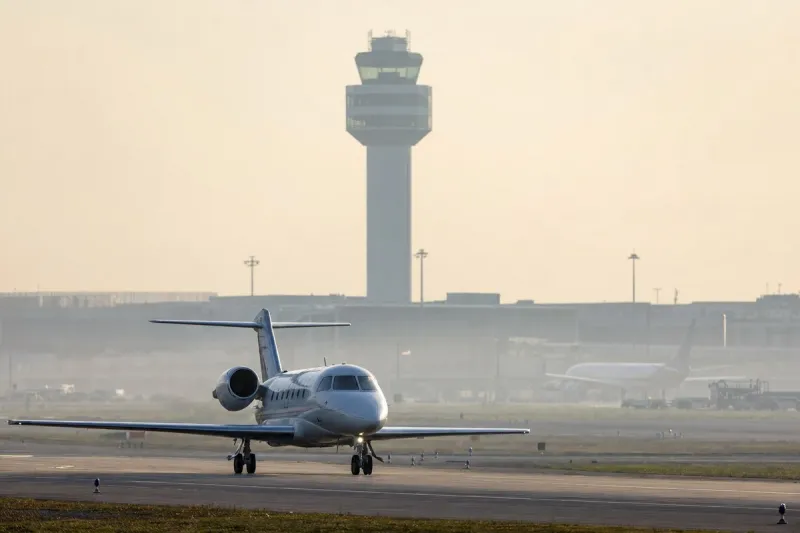
The request responds to the FAA's Sept. 28 Federal Register notice rescinding SPEs issued to pilots of legacy Cessna Citation CE-500, CE-550, and CE-560 aircraft, models originally certified for two-pilot operations. The FAA cited "widespread non-compliance" and a series of recent accidents involving legacy Citation jets as justification for the blanket action. NBAA and CJP wrote that "the FAA did not provide the underlying data to allow it to be independently analyzed," and said the agency failed to address whether figures drawn from two separate datasets were properly comparable.
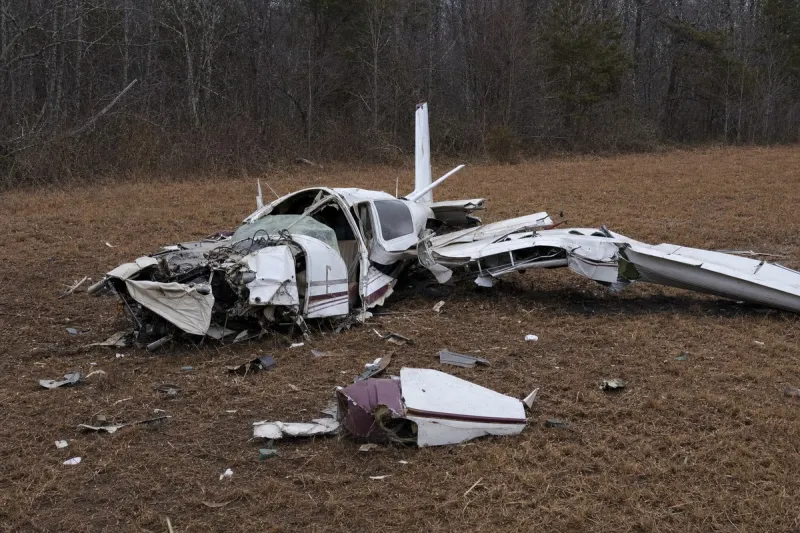
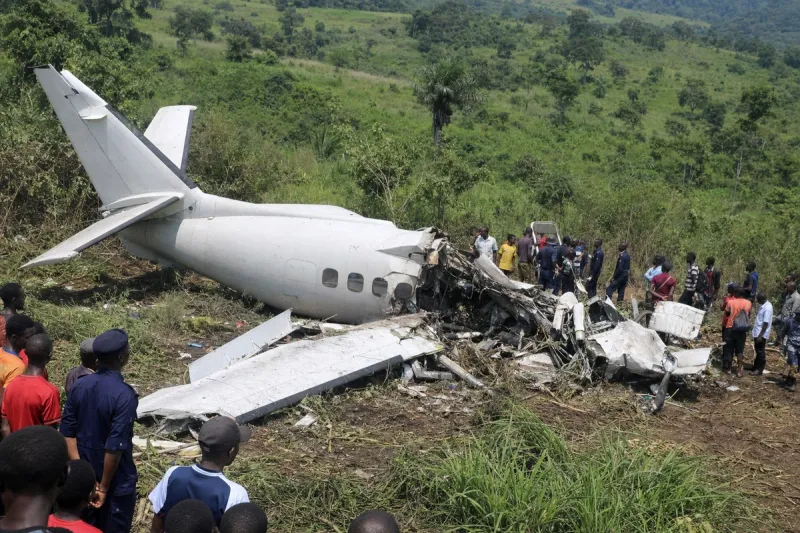
The letter specifically pointed to the only two accidents the FAA cited, including the Dec. 18, 2025, accident involving Greg Biffle, which the FAA itself acknowledged was being conducted illegally. NBAA and CJP argued that such a case is "facially irrelevant to the safety of compliant single-pilot operations." The two associations also called for an FAA-industry working group bringing together affected operators and representatives from multiple FAA departments to review the safety evidence and evaluate alternative policy approaches.
Industry impact & what to watch
The disagreement centers on how a safety regulator justifies withdrawing a long-standing operational privilege across an entire fleet category rather than against specific noncompliant operators. NBAA and CJP are not contesting the FAA's authority to act on safety concerns; they are contesting whether two cited accidents, one of which the FAA itself called illegal, support a blanket rescission affecting pilots who have operated compliantly within an FAA-approved single-pilot framework for decades.
Single-pilot exemptions for legacy Citation types have functioned as a defined pathway allowing qualified pilots to fly aircraft originally certified for two crew members, contingent on specific training and currency requirements. A rescission that does not distinguish compliant holders from noncompliant ones risks grounding or requiring requalification for operators regardless of their individual safety record, which is the core objection the two associations raised.
What happens next depends on how the FAA responds to the 90-day stay request and whether it agrees to form the proposed working group with operators and multiple FAA departments. The associations have said a pause would not stop enforcement against any operator with a documented safety or compliance issue, leaving the FAA's reply on that specific point as the next marker to watch.