Lublin and Rzeszow Airports Resume Flights After Temporary Closures Tied to Russian Strikes on Ukraine
Why It MattersRepeated precautionary closures near contested airspace show regional airports must build military-coordination protocols into routine operations, not just emergency planning, especially near active logistics corridors.
What happened
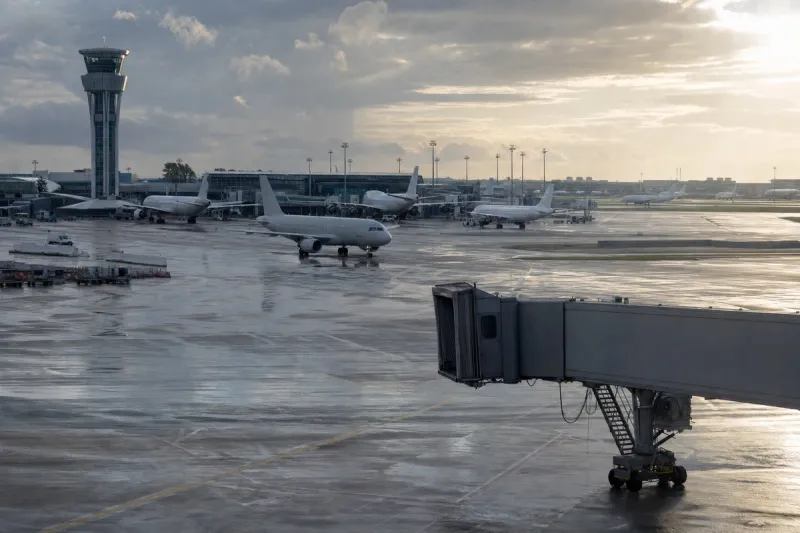
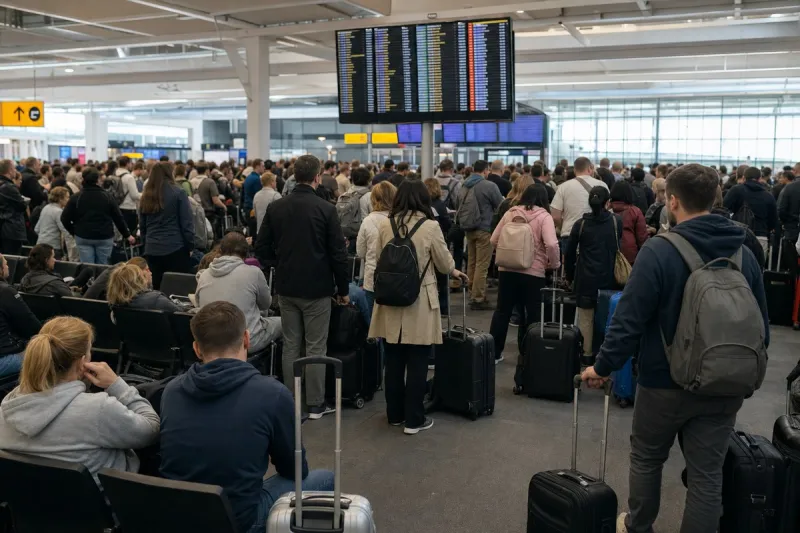
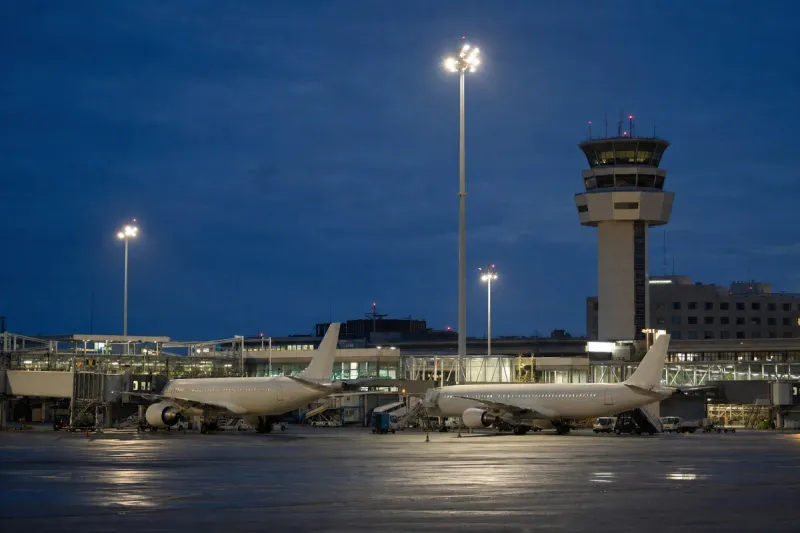
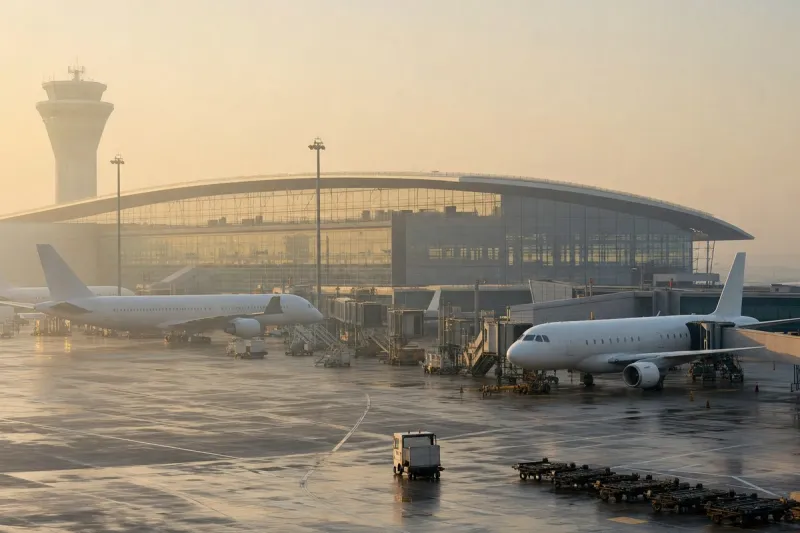
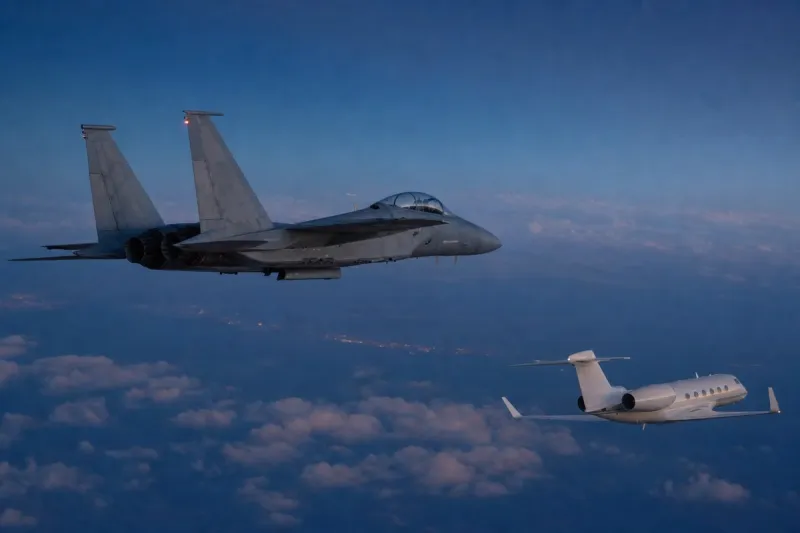
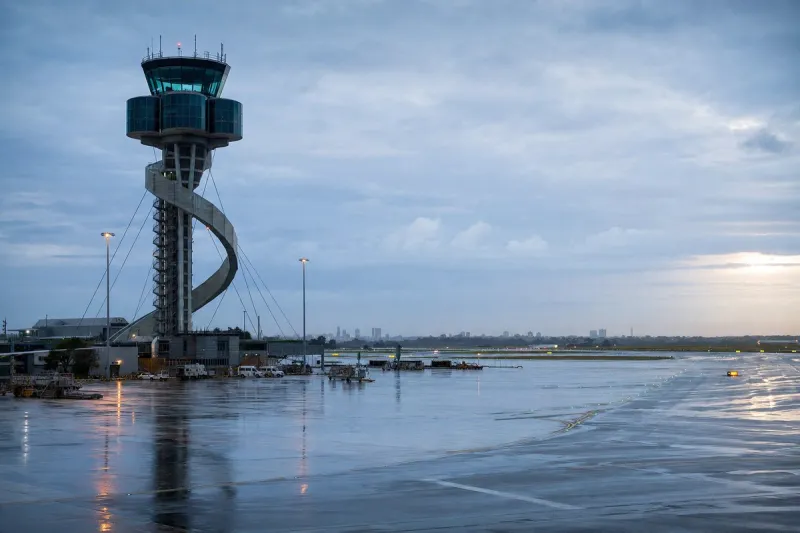
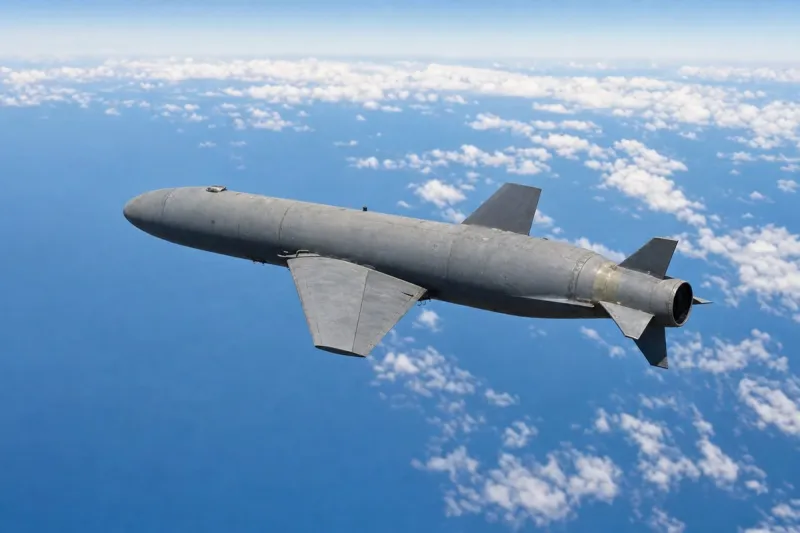
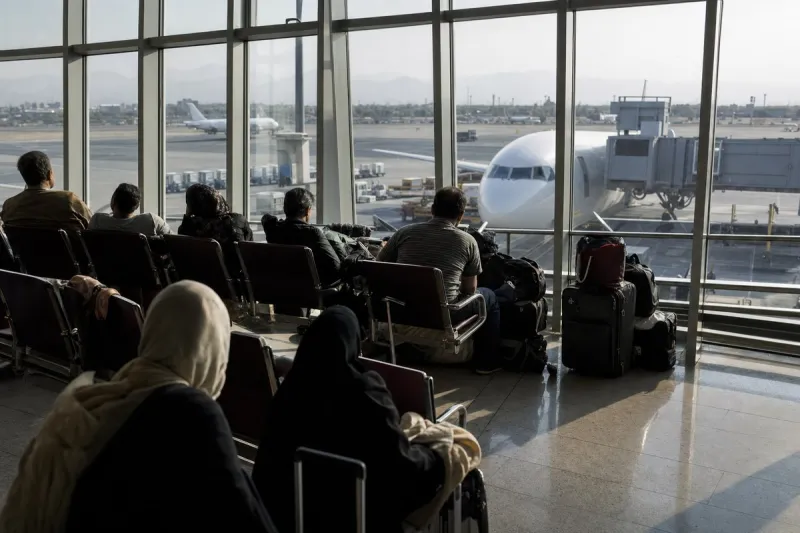
Airports in Lublin and Rzeszow in southeastern Poland resumed flight operations after temporary closures, Poland's air traffic authority said in a post on X. The airports had been halted as a precautionary measure while military and allied aircraft operated in Polish airspace in response to Russian strikes on Ukraine using what the Polish army described as "airborne assault means."
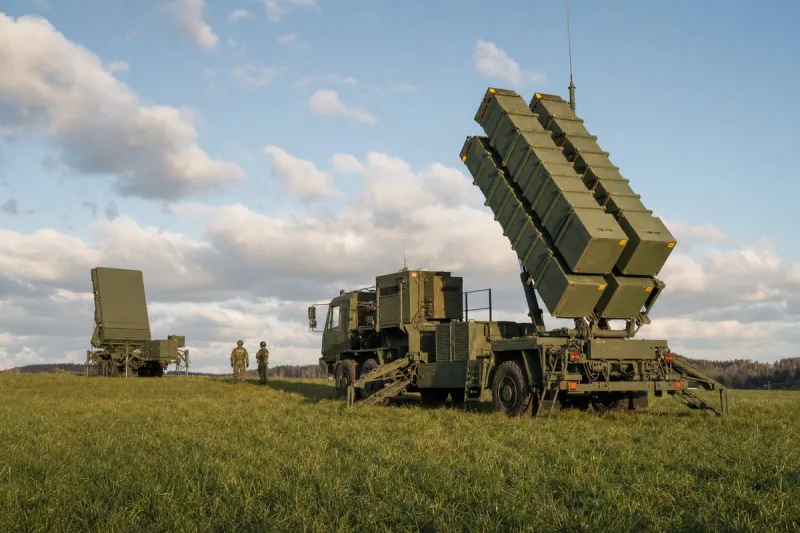
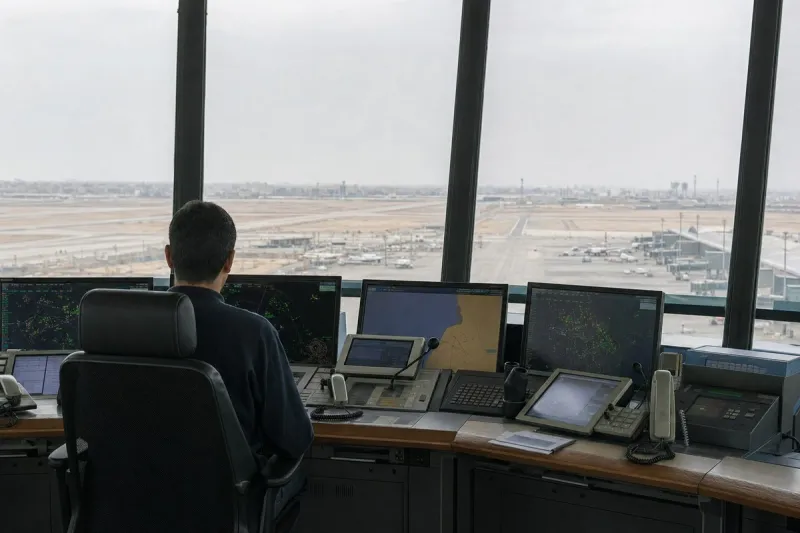
The Polish army said it had also activated ground-based air defence systems and radar reconnaissance to secure its airspace. No airspace violations were reported. The Polish Air Navigation Services Agency coordinated with military and NATO forces during the incident.
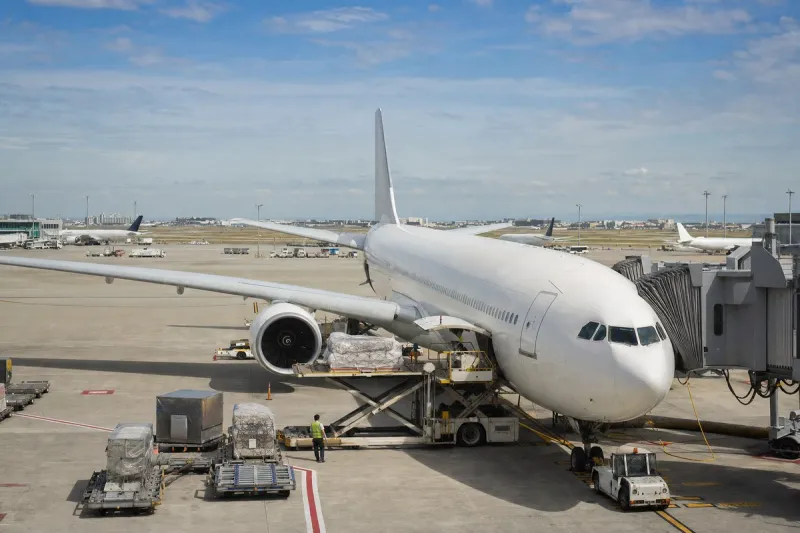
The disruption marked a second such closure this month. Rzeszow Airport serves as a key logistics hub for Western military and humanitarian aid to Ukraine and operates under heightened air defence coverage.
Industry impact & what to watch
This is part of a recurring category of airspace disruptions in which civilian air traffic near a conflict-adjacent border is paused so military and allied assets can operate and monitor for threats, then resumed once the situation is assessed as clear. Rzeszow's role as a logistics hub for aid into Ukraine means any closure there carries consequences beyond passenger delay, since cargo and support flights tied to that corridor share the same airspace and runway capacity.
How long each closure lasts, and how often they recur, depends on the tempo of Russian strikes on Ukraine and the corresponding scale of the military and NATO response inside Polish airspace. A second closure within the same month suggests this coordination between the Polish Air Navigation Services Agency and allied forces is becoming a repeated operating condition for these two airports rather than a one-off event.
What happens next depends on whether further strikes prompt additional precautionary halts at Lublin, Rzeszow, or other airports near the border, and whether the Polish army reports any change in the frequency of activating ground-based air defence and radar reconnaissance.