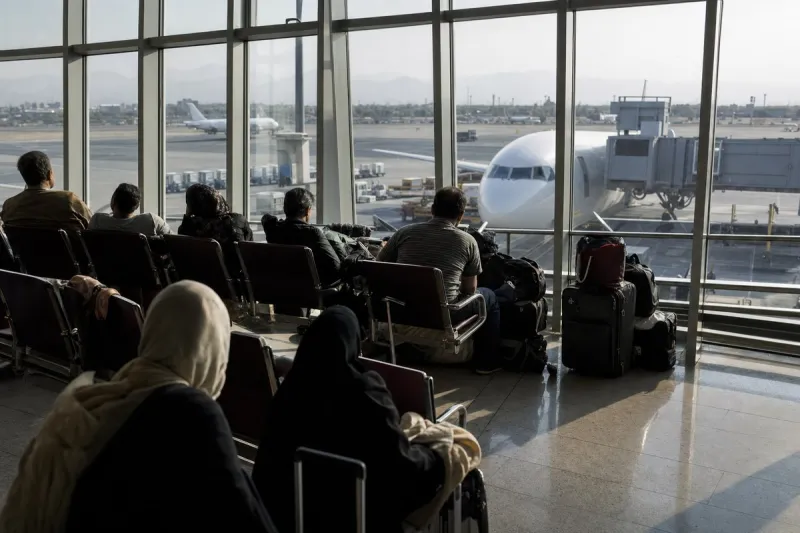
Egypt's Open Airspace Absorbs Regional Overflight Surge Amid Middle East Conflict Restrictions
Why It MattersAirspace disruption reliably reroutes overflight and diversion traffic through open corridors, but converting that surge into a lasting connecting-passenger hub shift requires airlines to actively restructure schedules and frequencies.
What happened
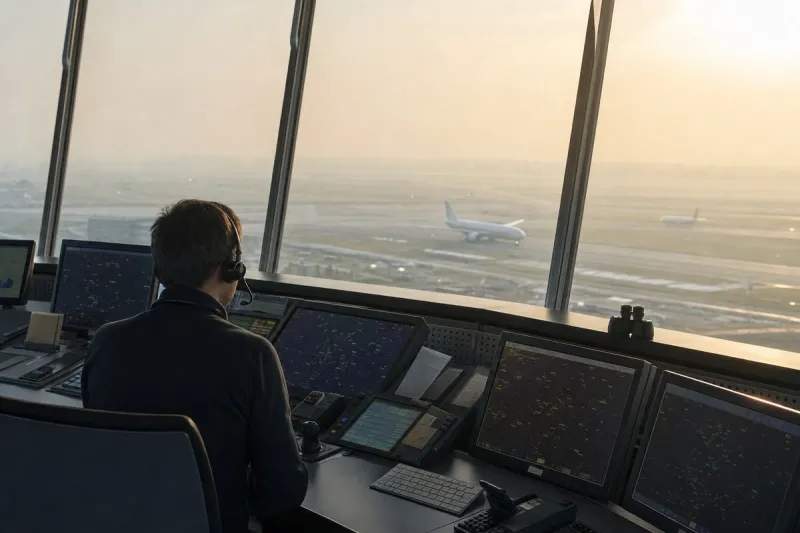
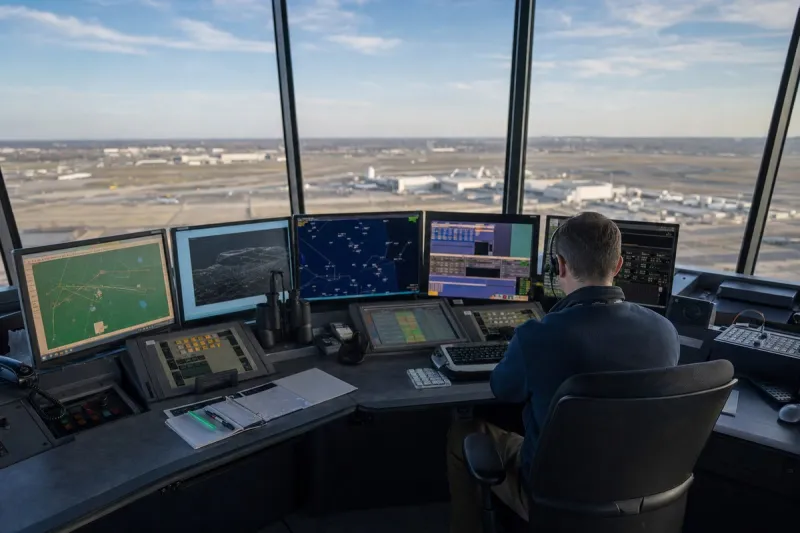
Regional airspace disruptions tied to conflict across the Middle East have redirected significant air traffic through Egyptian airspace, with evidence pointing to increased overflight and diversion activity rather than a wholesale shift of connecting passengers from Gulf hubs to Cairo International Airport. Egypt's Cairo FIR has prior experience managing sudden traffic surges: during an earlier closure of neighbouring airspace, controllers handled approximately 700 flights on the first day, including periods of roughly 100 flights per hour arriving without prior coordination, while traffic through the KITOT waypoint rose 171%.
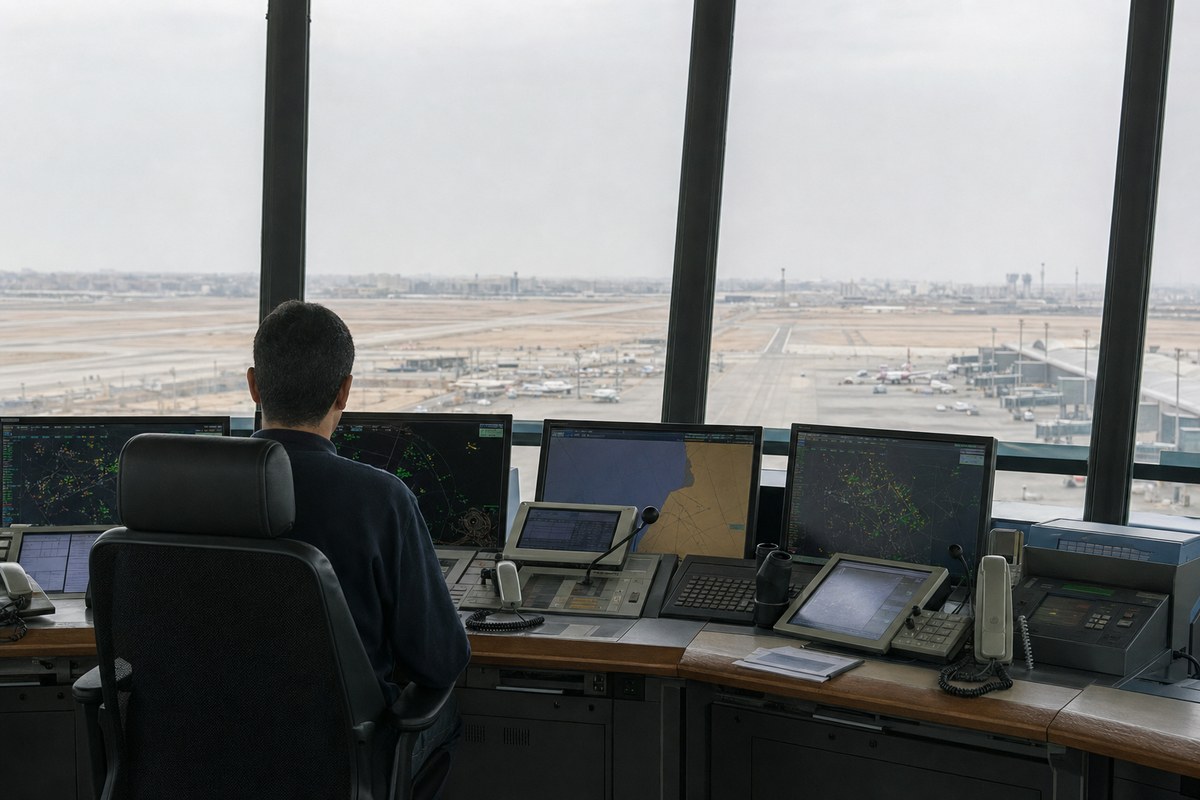
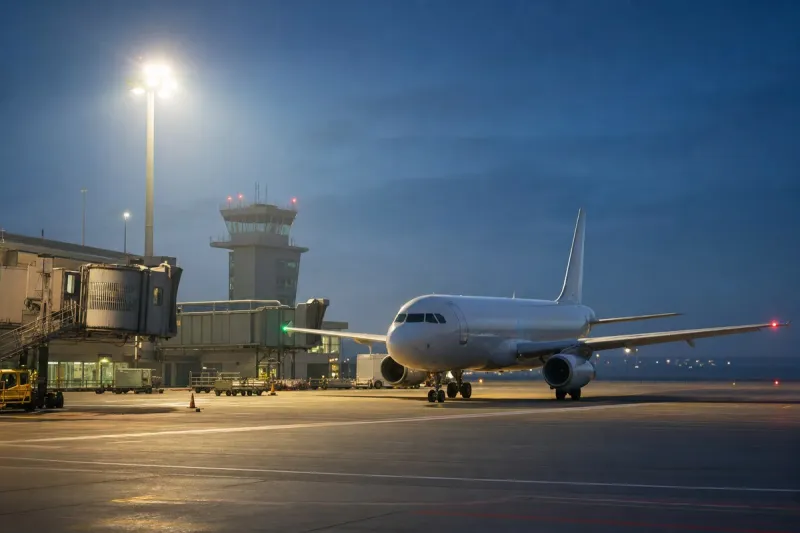
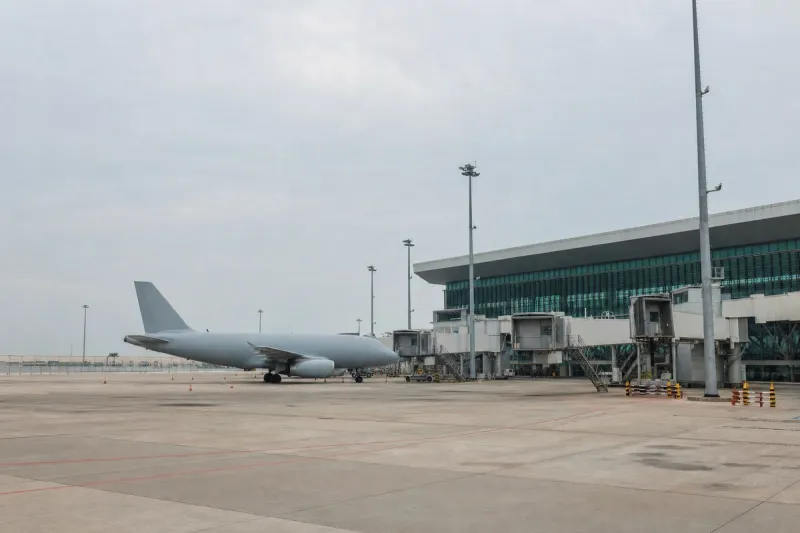
That capacity was tested again when Iran-related conflict triggered widespread airspace restrictions in February 2026. On February 28, Cairo International Airport received 12 diverted international flights, while Sphinx, Alexandria, Hurghada, Sharm El-Sheikh and Luxor airports together received a further 10, according to Egyptian aviation reporting based on ministry operations data. ICAO Secretary-General Juan Carlos Salazar subsequently praised Egypt for keeping its airspace open and airports on high alert during the crisis, stating that Egyptian coordination had helped "avert a broader opera..."
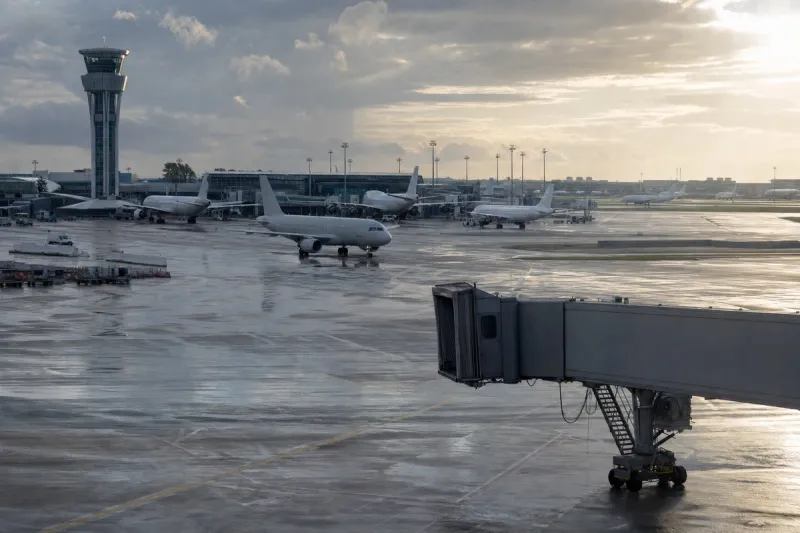
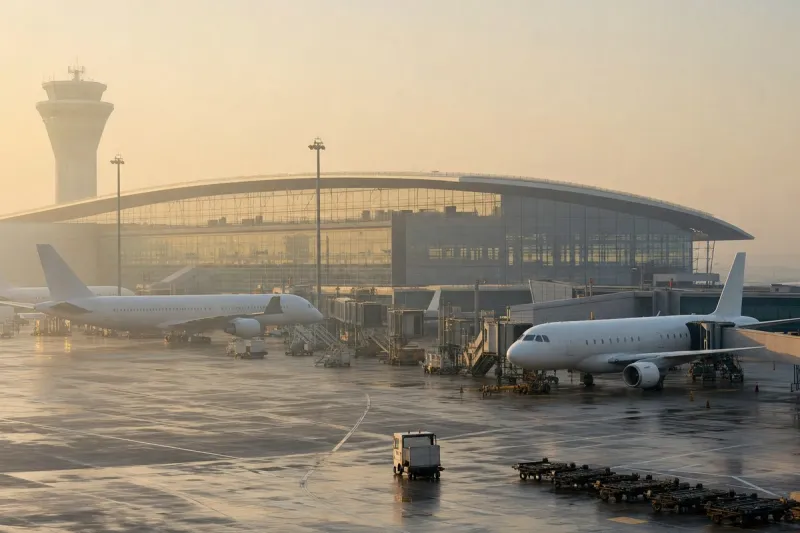
As of late September, aviation operations specialist OPSGROUP reported that the principal Europe-Asia bypass routes continued to run either north through the Caucasus and Afghanistan or south through Egypt, Saudi Arabia and Oman/UAE, while Kuwait remained unavailable for normal overflight traffic. EASA continued to list active conflict-zone advisories covering Iran, Iraq, Jordan, Lebanon and parts of the Persian Gulf and Gulf of Oman; Egypt was not among those active bulletins. EASA also recorded GNSS interference affecting the Cairo FIR during the 30 days to September 23. Cairo International Airport handled 3.13 million passengers in August, up 9% year on year, with flight movements rising 11% to 22,053 for the month. OAG data ranked Cairo as Africa's largest airport by scheduled seat capacity in September, with 1.79 million seats, up 11.2% from a year earlier.
Terminal expansion and Egypt's transit ambitions
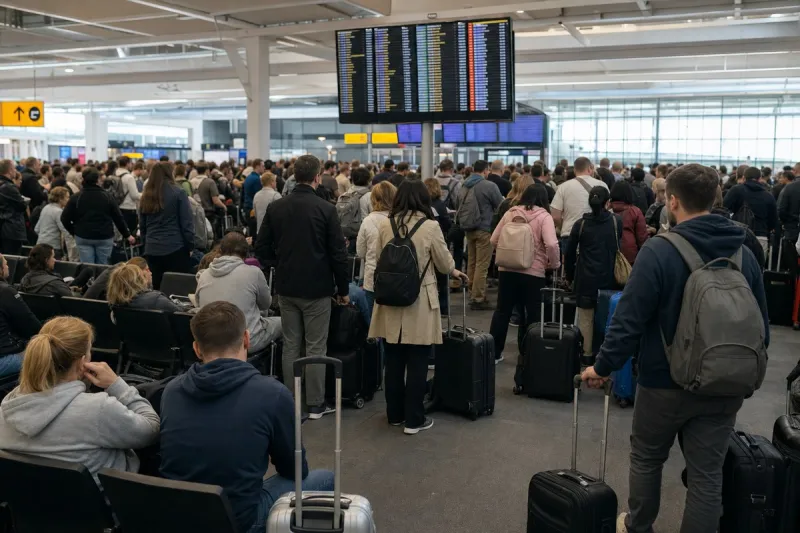
Civil Aviation Minister Sameh El-Hefny has said a planned Terminal 4 forms part of a strategy to boost transit traffic and attract additional international airlines, with Cairo eventually targeted for total capacity of around 68-70 million passengers a year. For Cairo to capture significantly more connecting passengers on a lasting basis, airlines would need to add frequencies, restructure schedules or deliberately designate the airport as an alternative transfer hub.
Industry impact & what to watch
This case illustrates a recurring feature of overflight economics during regional conflict: an open FIR near a closed one absorbs traffic almost immediately, because airlines reroute in real time to avoid restricted zones, while a genuine hub shift is a separate, slower decision that depends on commercial network planning rather than airspace status alone. Egypt's August passenger and movement growth, and its top ranking in African seat capacity, reflect airline scheduling, tourism demand and EgyptAir's own network alongside any disruption-driven diversion, so the two effects cannot be cleanly separated from the figures alone.
The segment's structural test is whether carriers treat Cairo as a temporary bypass or begin building connecting banks and codeshare capacity around it, a decision Terminal 4 and the 68-70 million passenger target are explicitly designed to encourage. Until airlines announce added frequencies or schedule restructuring specifically routed through Cairo, the current traffic pattern remains a diversion response to conflict rather than a hub transfer. GNSS interference recorded in the Cairo FIR through September 23 is a separate operational factor controllers and airlines must manage regardless of how the broader traffic question resolves.