Italy Air Traffic Control Strike to Disrupt Flights on September 30
Why It MattersLegally mandated minimum services keep national airspace technically open during controller strikes, but capacity cuts still cascade into delays, cancellations and missed connections well beyond the strike window itself.
What happened
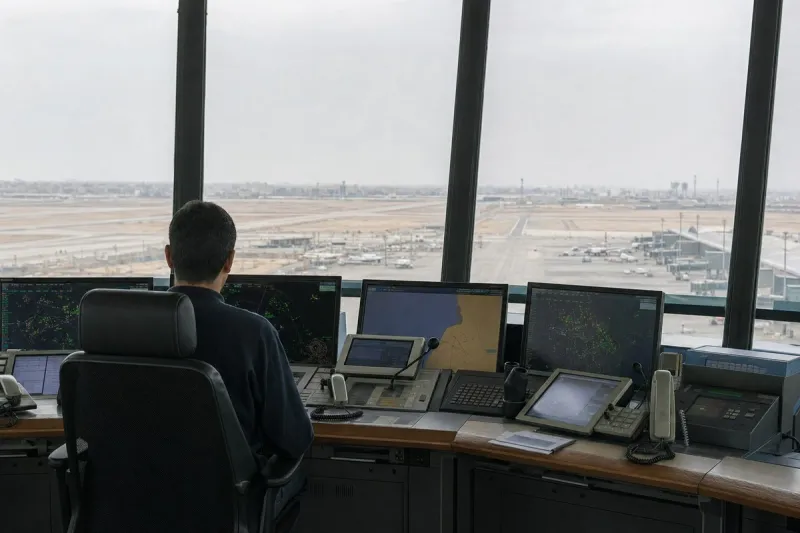
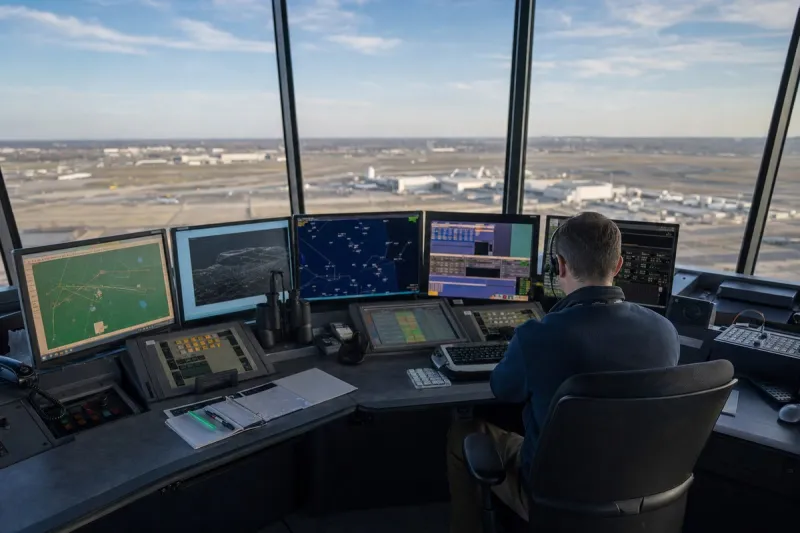
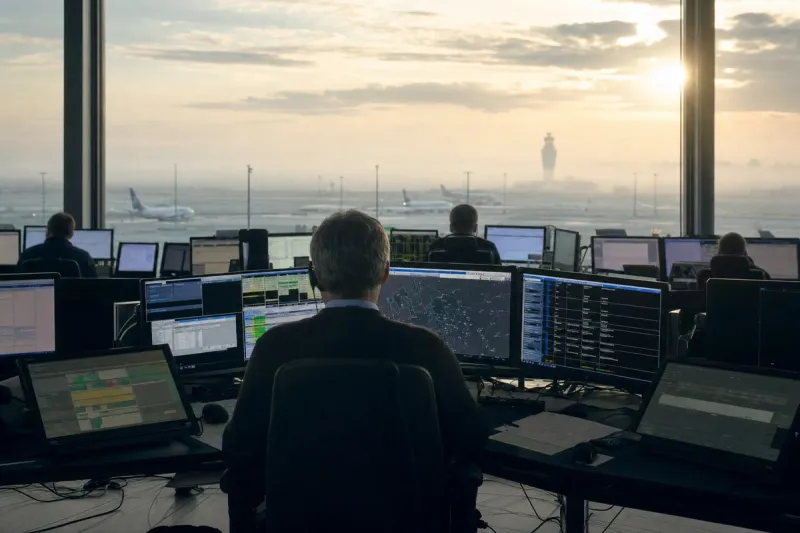
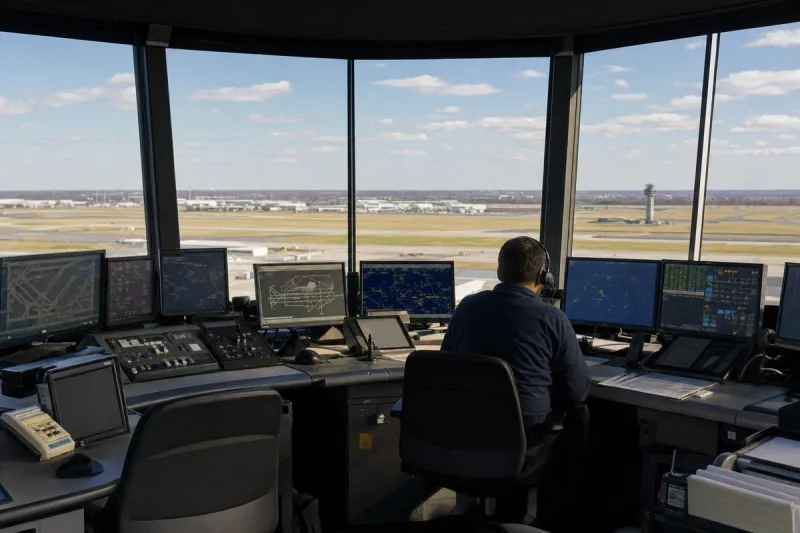
Italy's air navigation service provider ENAV confirmed that air traffic controllers will stage a four-hour national strike on Wednesday, September 30, running from 13:00 to 17:00 local time. The action was called by the Uiltrasporti union and covers ENAV personnel responsible for air traffic control services.

Italian law requires certain essential aviation services to continue during industrial action, so the country's airspace will not close entirely, but capacity restrictions during the four-hour window, and in the hours immediately before and after, may still lead airlines to cancel or retime flights. Separate local strikes are also scheduled at Milan Linate, Naples, Bologna and Bari airports, adding to the risk of delays and cancellations at those gateways, which handle domestic, European and international traffic.
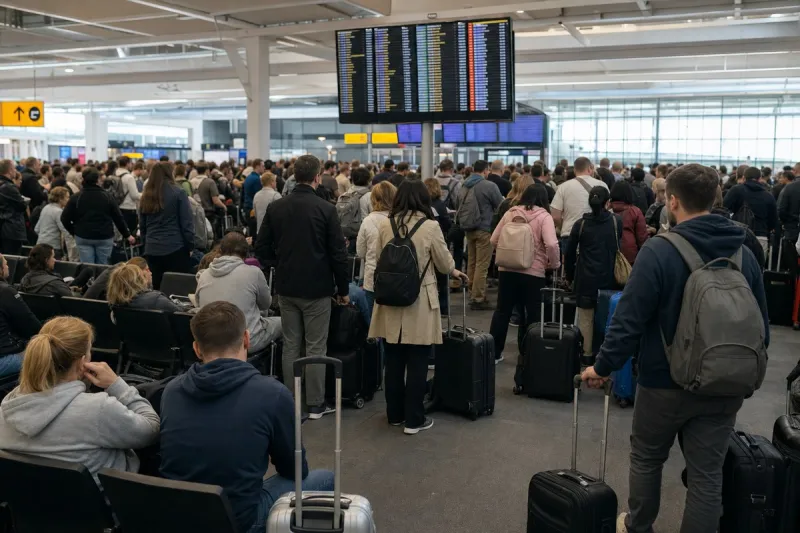
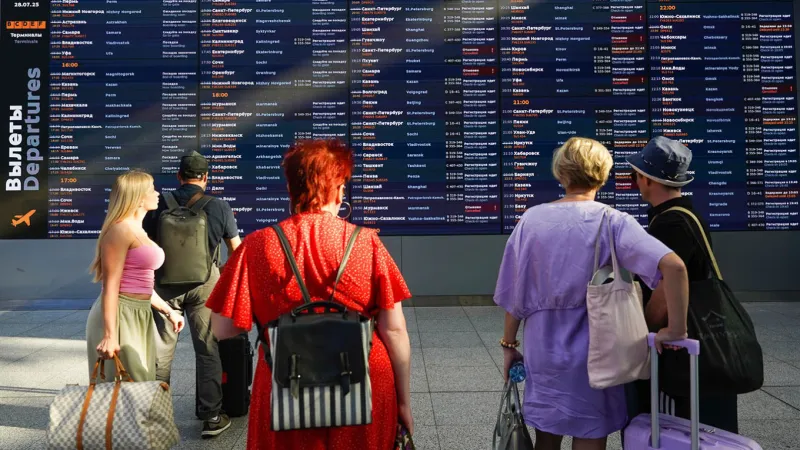
Passengers travelling on September 30 have been advised to check their airline's app or website before heading to the airport, with particular attention to afternoon departures, and travellers connecting through Italy have been told to allow additional time since delays to an initial flight can affect onward connections.
Industry impact & what to watch
This is the familiar shape of a national ATC strike under minimum-service rules: the airspace stays legally open, but reduced controller staffing during the protected window forces airlines to pre-cancel or retime flights rather than risk disruption on the day. The four-hour core window is rarely where the full effect lands — aircraft and crews positioned for afternoon rotations carry knock-on delays into the evening, and duty-time limits can turn a short strike into a longer network problem.
The overlapping local strikes at Linate, Naples, Bologna and Bari compound this, since disruption at a handful of gateways ripples into connecting itineraries across the whole network, not just at the airports directly affected. For travellers and carriers alike, the practical exposure is concentrated in afternoon departures and any connection routed through Italy on September 30, and the next signal to watch is whether airlines publish revised schedules ahead of the strike or wait until the day itself.